



The Post That Set the Internet Ablaze
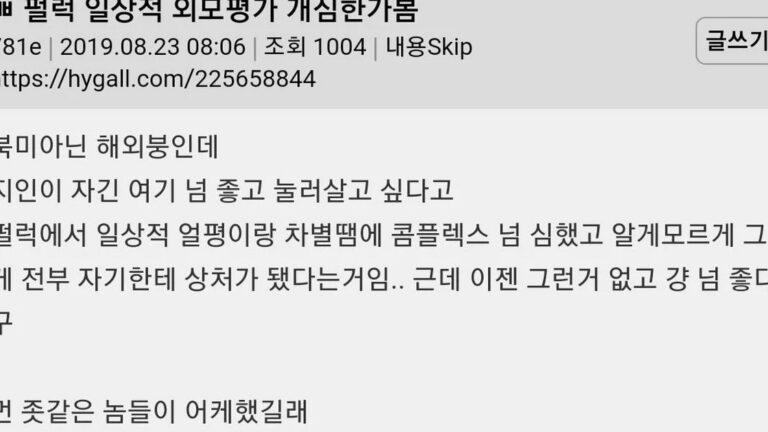
Okay, real talk—I was scrolling through TheQoo this morning, coffee in hand, when I stumbled upon a thread that literally made me stop breathing for a second. It was titled ‘Is everyday look-shaming in Korea getting out of hand?’ and within hours, it had racked up over 29,891 views and 316 comments. As someone who lives and breathes the K-Beauty industry, I usually spend my days talking about the latest glow serums or the best ‘glass skin’ foundations, but this post hit a nerve. It wasn’t about a product; it was about the culture of constant, unsolicited feedback on our appearances that we’ve just… accepted as normal.
We’ve all been there. You’re at a family gathering, or even just grabbing a quick lunch with coworkers, and someone says, ‘Oh, you look a bit tired today. Are you not sleeping?’ or ‘Did you gain a little weight during the holidays? Your face looks rounder.’ In any other context, this might seem like concern, but in the high-pressure cooker of 2026 Seoul, we know exactly what it is: casual look-shaming. It’s the subtle, everyday judgment that keeps us tethered to our 10-step routines and monthly clinic appointments, not out of self-love, but out of a fear of being perceived as ‘neglectful’ of ourselves.
“I went to the convenience store in my gym clothes with zero makeup on, and the cashier actually asked if I was sick because I looked ‘pale.’ I wasn’t sick; I was just being my actual human self. The standard for ‘casual’ has moved so high that ‘natural’ now requires a full face of ‘no-makeup’ makeup.” — User ‘K-Glow99’ on TheQoo
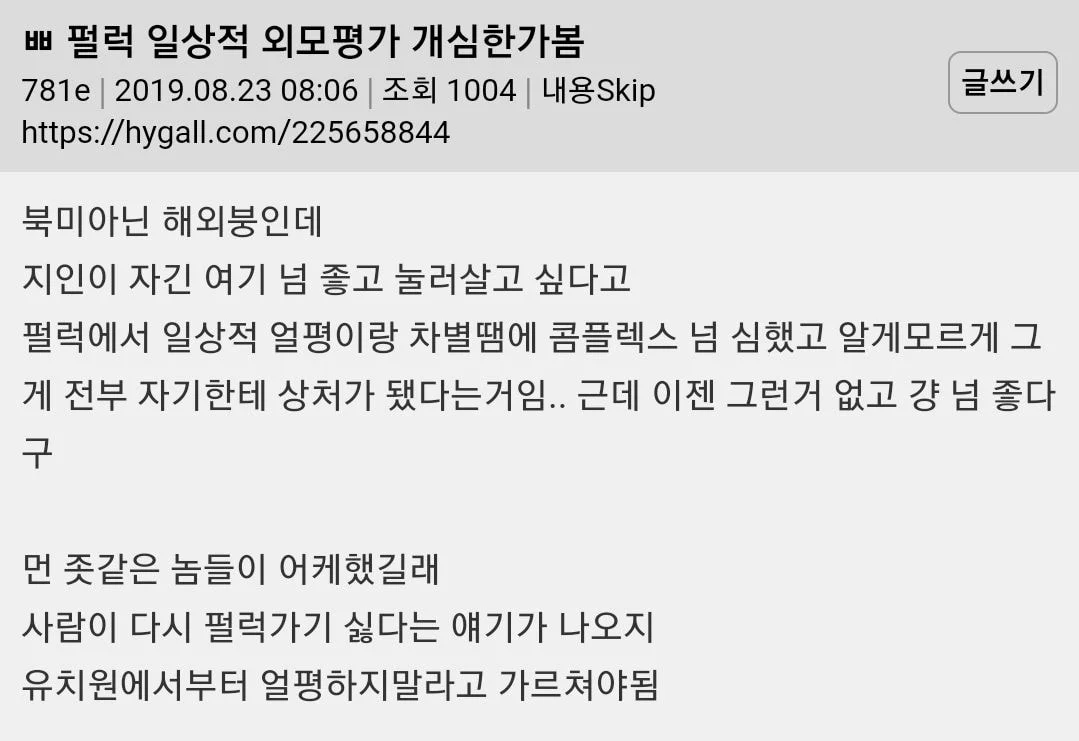
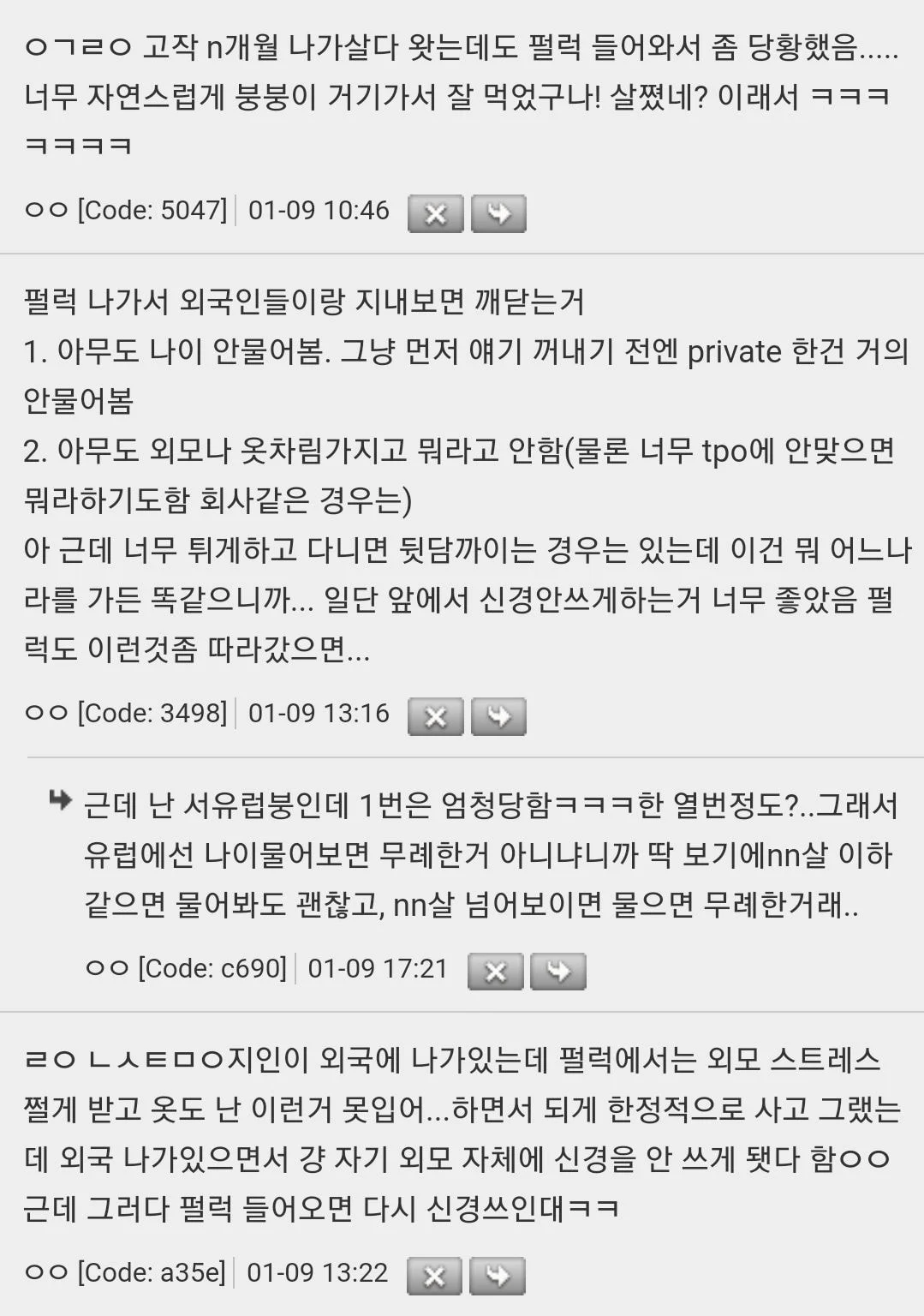
This viral discussion highlights a growing fatigue among Gen Z and Millennials in Korea. We’re in 2026, a year where technology has made beauty more accessible than ever, yet the emotional cost seems to be rising. The source post featured several screenshots of people venting about how they feel they can’t even step outside their front door without being ‘evaluated’ by strangers, colleagues, and even their own parents. It’s a relentless cycle of ‘maintenance’ that feels less like a hobby and more like a second job.
The ‘Maintenance’ Trap: Why 2026 Feels Different
Why is this conversation peaking right now? I think it’s because the definition of ‘average’ has shifted. A few years ago, having clear skin was the goal. Now, thanks to the hyper-visibility of social media and the perfection of AI-enhanced filters that have bled into real-world expectations, ‘clear skin’ isn’t enough. You need the ‘inner glow,’ the perfectly sculpted ‘V-line,’ and the ‘personal color’ harmony that makes you look like you’re walking around with a professional lighting crew. When we fall short of these increasingly impossible standards, society doesn’t just see a person; it sees a ‘flaw’ to be commented on.
As your trusted unnie, I’ve seen how the industry responds to this. Every time a new ‘imperfection’ is identified by the public, three new products launch to ‘fix’ it. Are your pores too visible? Here’s a blurring primer. Is your jawline not sharp enough? Here’s a contouring stick and a lifting mask. While I love the innovation, I have to ask: are we fixing ourselves, or are we just trying to quiet the voices of the people around us? The ‘look-shaming’ culture creates the demand, and the industry provides the supply. It’s a symbiotic relationship that can be incredibly draining for the average person just trying to live their life.
“My manager told me I should ‘try a bit harder’ with my appearance because it affects the team’s ‘vibe.’ I’m an accountant. My spreadsheets are perfect, but apparently, my lack of eyelash extensions is a professional liability in 2026.” — Anonymous Commenter
Let’s talk about the ‘Vibe’ requirement. In 2026, the term ‘self-management’ (자기관리) has become a catch-all for everything from your BMI to the neatness of your cuticles. If you don’t look ‘managed,’ the assumption is that you’re lazy or undisciplined. This is where the casual look-shaming becomes truly toxic. It stops being about aesthetics and starts being a judgment of character. I’ve had friends tell me they feel pressured to get ‘petite’ procedures like masseter botox or skin boosters just so they don’t have to hear their relatives comment on their ‘tired’ face during Chuseok.
The Olive Young Mirror Effect
Have you ever noticed how the mirrors in beauty stores like Olive Young feel different than the ones at home? They’re bright, sharp, and unforgiving. I was at the Gangnam flagship last week, and I overheard two girls, probably no older than nineteen, picking apart their faces in the mirror. One was worried about her ‘smile lines’—at nineteen!—because someone at her part-time job mentioned she looked ‘older’ when she laughed. My heart honestly broke for her. We’ve weaponized beauty to the point where even a smile is scrutinized for the wrinkles it might cause.
This is the ‘Mirror Effect’ of our society. We aren’t just looking at ourselves; we’re looking at ourselves through the eyes of the person most likely to criticize us. The TheQoo post reflected this perfectly, with hundreds of users sharing stories of ‘casual’ comments that stuck with them for years. It’s not the big insults that hurt the most; it’s the small, throwaway remarks from people we care about that slowly erode our confidence. We start to see ourselves as a collection of parts to be maintained rather than a whole human being.

I’ve been testing products for years, and I’ve realized that the most expensive cream in the world can’t fix the way you feel after a comment like that. We spend thousands of won on ‘calming’ ampoules for our skin, but what are we doing to calm our minds? The pressure to be ‘perfect’ is a skin irritant that no cica cream can soothe. We need to start setting boundaries with the people in our lives who think our faces are open for public debate.
Is the ‘New K-Beauty’ the Solution?
Thankfully, there is a counter-movement bubbling up. In the comments of that viral post, I saw a lot of people cheering for the ‘Escape the Corset’ 2.0 movement. In 2026, it’s less about throwing away your makeup and more about ‘Beauty Autonomy.’ It’s the idea that I wear this glitter eyeshadow because I love how it sparkles in the sun, not because I’m trying to hide my ‘small’ eyes. It’s a subtle shift, but an important one. We’re seeing more brands embrace ‘real’ skin—pores, texture, and all—in their ad campaigns, which is a breath of fresh air.
I’m seeing more influencers who are honest about their procedures and their struggles. They’re saying, ‘Hey, I got this filler, and it hurt, and I did it because I was insecure, not because it’s a requirement for existing.’ This kind of honesty is what we need to combat the casual look-shaming. When we’re open about the effort and the cost, the ‘perfection’ becomes less of a standard and more of a choice. We need to strip away the ‘effortless’ myth that makes people feel bad for actually having to put in effort.
“I’ve decided that if someone comments on my looks unprovoked, I’m going to comment on their manners. ‘Oh, you look tired.’ ‘Oh, you look like you forgot your social boundaries today.’ It’s the only way they’ll learn.” — User ‘SeoulSavage’
This ‘SeoulSavage’ user is my hero. Honestly, why do we feel the need to be polite when someone is being rude about our physical appearance? Setting a hard boundary is a form of skincare. It protects your peace, which in turn reduces stress-related breakouts. *Chef’s kiss* to that logic! But seriously, the more we push back against these ‘casual’ observations, the less power they have over us. We have to stop nodding along when someone ‘critiques’ us under the guise of being helpful.
Mina’s Honest Take: Finding Your Balance
Look, I love K-Beauty. I love the textures, the science, and the ritual of a nighttime routine. But I want us to love it for the right reasons. If your skincare routine feels like a chore you’re doing to avoid being shamed, it’s time to simplify. Trust me on this one: your skin will not fall off if you skip the 7-step glass skin routine for a night because you’re exhausted. The world will not end if you go to the grocery store with a pimple patch on your chin.
My advice? Audit the voices in your life. If you have a friend or a family member who constantly ‘points out’ things you already know about your face, tell them it’s not helpful. If you follow accounts that make you feel like you need a total facial reconstruction, hit that unfollow button. Your digital and social environment affects your skin health more than you think. Stress is the ultimate glow-killer, and look-shaming is the ultimate stress-inducer.
We are more than our ‘personal color’ or our ‘poreless’ finish. In 2026, let’s make ‘kindness’ the new trending beauty standard. Let’s be the generation that stops the cycle of ‘casual’ judgment and starts a cycle of ‘casual’ acceptance. Because at the end of the day, the most beautiful thing you can wear is the confidence that comes from knowing you don’t owe anyone ‘perfection.’ You just owe yourself peace.
What do you think? Have you experienced this ‘casual look-shaming’ recently? I want to hear your stories in the comments—let’s vent together and reclaim our beauty on our own terms. Until next time, stay glowing (for yourself, and no one else)!