


The Day the Beauty World Shook
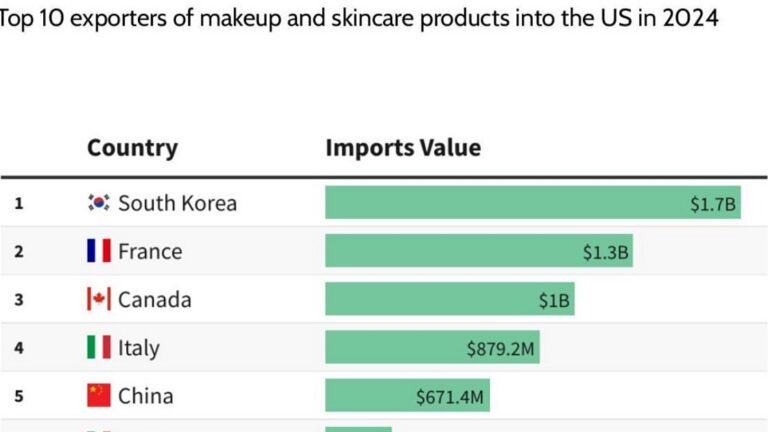
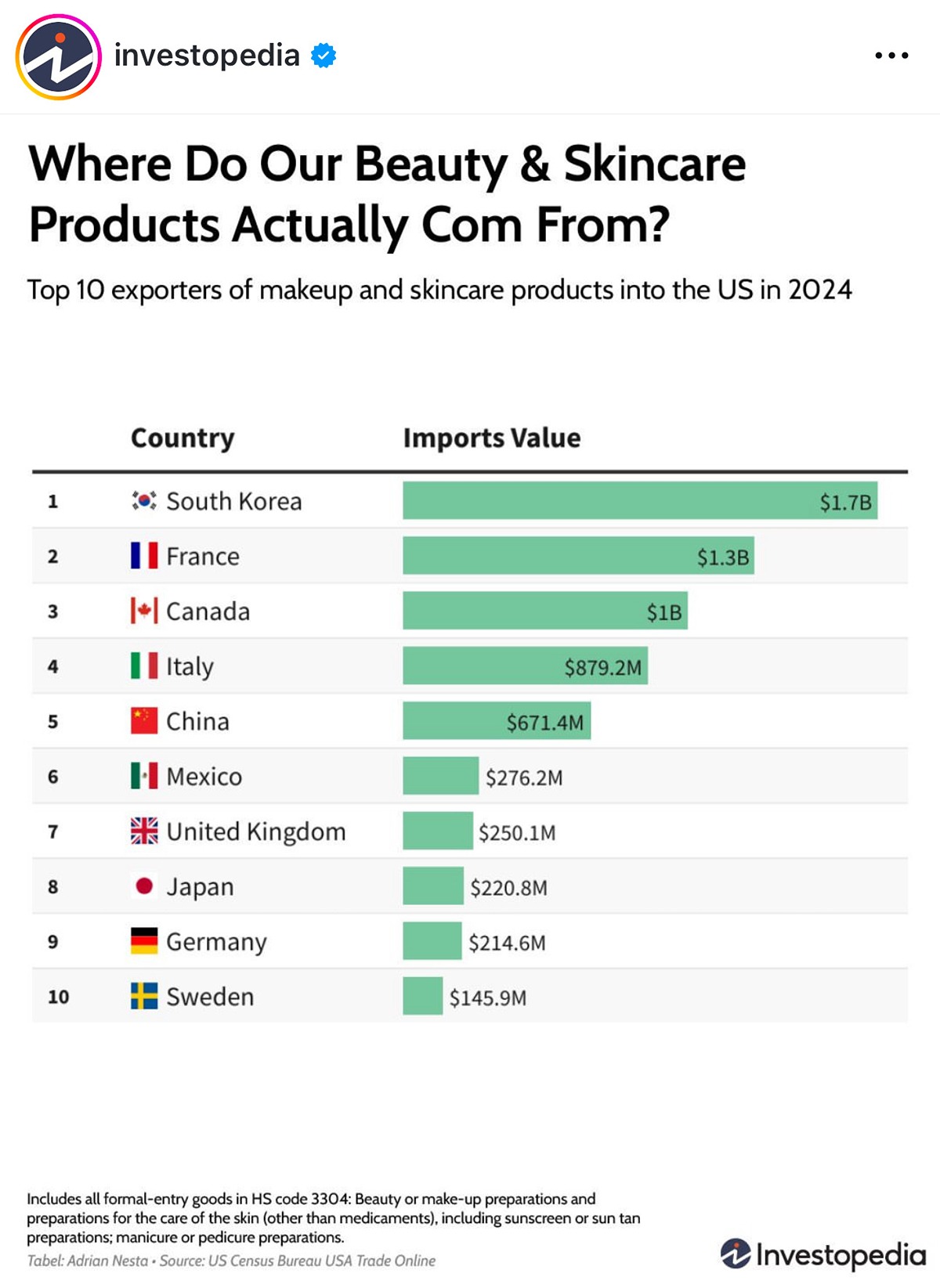
Okay, real talk—I had to rub my eyes and check the date when I saw this trending on TheQoo this morning. We’ve always known K-Beauty was big, right? We’ve seen the viral TikToks, the sold-out shelves at Sephora, and the endless ‘glass skin’ tutorials. But seeing the actual data? That hit different. South Korea has officially overtaken France as the #1 exporter of cosmetics to the United States. Let that sink in for a second. France, the land of Chanel, Dior, and centuries of ‘French Girl’ chic, has been bumped to the number two spot by our favorite K-Beauty brands.
I remember back in the day—maybe ten years ago—when I’d try to explain my 10-step routine to my friends in the States. They’d look at me like I was speaking a foreign language (well, I was, but you know what I mean). Back then, Korean products were seen as ‘cute’ or ‘innovative,’ but they were rarely considered the gold standard of luxury or efficacy. Fast forward to now, and the script has completely flipped. This isn’t just a win for the brands; it’s a cultural shift that has been brewing for a long time. The post on TheQoo already has over 68,000 views, and the comments are a mix of pure pride and genuine shock. It feels like we’ve finally ‘arrived’ on the global stage in a way that’s permanent, not just a passing fad.
Beyond the ‘Trend’: A Structural Shift in the US Market
So, how did we get here? Honestly, it wasn’t just one viral product. It was a perfect storm of accessibility, price-to-performance ratio, and a fundamental change in what American consumers value. For decades, the US market was dominated by either high-end European luxury or basic drugstore brands. There was a massive gap in the middle for products that were scientifically advanced but didn’t cost a whole month’s rent. K-Beauty filled that gap with surgical precision. When you look at the export numbers, you’re seeing the result of millions of people realizing that a $20 Korean serum often outperforms a $150 French cream.
Think about the sheer volume of products moving across the Pacific right now. We aren’t just talking about sheet masks anymore. We’re talking about sophisticated sunscreens, fermented essences, and barrier-repairing creams that have become staples in American bathrooms. The infrastructure has changed too. With Olive Young Global shipping faster than some local couriers and Amazon becoming a primary storefront for brands like COSRX and Anua, the barriers to entry have vanished. You don’t have to go to a specialty shop in K-Town anymore; you just have to open an app. This ease of access is a huge reason why Korea managed to climb to that #1 spot and solidify its position as the market leader.
“I remember when people thought Korean products were just cheap imitations or ‘weird’ ingredients. Look at us now! Beating France in the beauty department is like beating Brazil in soccer. This is legendary status.”
The French Standard vs. The Korean Innovation
Let’s be honest about the competition. France has always relied on heritage and the ‘prestige’ factor. There’s a certain romance to a French perfume or a Parisian lipstick. But K-Beauty brought something different to the table: results-driven transparency. While French brands often lean on their history, Korean brands lean on their ingredients. We’ve seen the rise of ‘skintellectuals’ in the US—consumers who know exactly what niacinamide, snail mucin, and centella asiatica do for their skin. These consumers aren’t buying a brand’s history; they’re buying a formula that works for their specific skin concerns.
Another factor is the speed of innovation. The Korean beauty market is notoriously fast-paced. If a new ingredient is discovered or a new texture becomes popular, Korean labs have a product on the shelf in months. In contrast, the traditional European luxury houses move like giant oil tankers—slow and steady. In the age of social media, where trends move at the speed of light, Korea’s agility has been its greatest weapon. We aren’t just following trends; we are the ones setting them. From the ‘cushion foundation’ revolution to the current obsession with ‘milky toners,’ Korea has consistently been two steps ahead of the global curve.
How TikTok and Olive Young Changed the Game
I can’t talk about this milestone without mentioning the ‘TikTok Shop’ effect. In the last couple of years, we’ve seen products like the TirTir Mask Fit Red Cushion or the Anua Heartleaf Toner go from niche favorites to household names in the US virtually overnight. TikTok has democratized beauty reviews. You don’t need a fancy magazine editor to tell you a product is good; you just need to see a real person with your skin type showing the results in 4K. This peer-to-peer validation has been a massive driver for K-Beauty exports.
And then there’s Olive Young. If you’re a regular reader, you know I’m basically a permanent resident of Olive Young. But their global expansion has been a masterclass in retail. By curating the ‘best of the best’ for international shoppers, they’ve removed the guesswork. They’ve made it so easy for someone in Ohio or Texas to experience the same ‘Olive Young Pick’ excitement that we do in Seoul. The data shows that the US market is hungry for this curation. They don’t just want *any* Korean product; they want the ones that we, the locals, are actually using. This authenticity is something that marketing budgets can’t buy.
“My American friends ask me for skincare advice more than they ask for K-pop recommendations these days. It’s wild to see brands I used to buy at the neighborhood pharmacy becoming ‘it’ brands in Los Angeles.”
The Sunscreen Revolution: Winning Over the Skeptics
If I had to pick one category that really pushed Korea over the finish line to beat France, it would be sunscreen. Let’s talk about the ‘Sunscreen War’ for a minute. For years, US sunscreens were… well, let’s just say they weren’t great. They were thick, greasy, and left a white cast that made everyone look like a ghost. When Korean sunscreens like the Beauty of Joseon Relief Sun or the Round Lab Birch Juice Sunscreen hit the US market, it was a revelation. People couldn’t believe that a high-SPF product could feel like a lightweight moisturizer.
This was the ‘gateway drug’ for many American consumers. Once they realized that Korea had mastered the one product everyone hated using, they started wondering what else they were missing out on. It led to a massive surge in interest for other categories like double cleansing and essences. Even though US FDA regulations on UV filters are still catching up, the demand for ‘Korean-style’ textures has forced the entire global industry to rethink how they formulate. By solving a universal pain point—unpleasant sunscreen—Korean brands earned a level of trust with US consumers that France’s luxury branding simply couldn’t match.
What the K-Netizens are Saying
The reaction on TheQoo has been absolutely heart-warming to read. There’s a real sense of ‘K-Pride’ going on. One commenter noted that they saw a massive K-Beauty section in a random CVS in the middle of nowhere during their last trip to the US, which felt like a sign of the times. Another mentioned that even their non-Korean relatives are now asking for ‘the snail stuff’ as Christmas gifts. It’s these small, personal anecdotes that make the macro-data feel real.
However, there’s also a bit of ‘shock’ (충격) as the title of the post suggests. For many Koreans, France has always been the ultimate wall—the peak of the beauty mountain. To see that wall finally being scaled is a bit surreal. It’s a reminder of how far the industry has come from the days of being a ‘budget alternative.’ We aren’t the alternative anymore; we are the primary choice. The comments also highlight a bit of pressure—now that we’re #1, the challenge is staying there. We have to keep innovating, keep being honest with our formulas, and keep listening to what the global community wants.
“Honestly, the quality speaks for itself. I used to save up for French brands, but now I realize my skin actually looks better with my $15 Korean routine. The numbers don’t lie!”
My Honest Take: Is This a Peak or a New Plateau?
So, here’s my curator’s perspective: is this as good as it gets? I don’t think so. I think we’re just entering the ‘Golden Age’ of K-Beauty. Now that we have the top spot, we’re seeing more investment, better research, and even more specialized products hitting the market. We’re moving beyond ‘general’ skincare into highly targeted treatments for things like menopause-related skin changes, extreme climate protection, and neuro-cosmetics. The world is looking to Seoul for the next big thing, and we are more than ready to provide it.
But we also have to be careful. As K-Beauty becomes more ‘mainstream,’ there’s a risk of brands losing their soul or cutting corners to meet massive demand. My job as your curator is to make sure that doesn’t happen. I’ll be here to tell you which viral products are actually worth your money and which ones are just riding the ‘K-Beauty #1’ wave. For now, though, let’s take a moment to celebrate. Whether you’re a skincare minimalist or a 12-step enthusiast, you’re part of this journey. We’ve officially changed the way the world looks at beauty, one essence at a time. *Chef’s kiss* to all of us!
Mina’s Hall of Fame: The Products That Put Us at #1
If you’re looking to celebrate this milestone by adding some heavy-hitters to your vanity, here are the ones that I believe truly represents why we beat the competition. First up is the COSRX Advanced Snail 96 Mucin Power Essence. It’s the quintessential ‘weird but effective’ product that broke the internet. Then, there’s the Beauty of Joseon Relief Sun, which single-handedly changed the sunscreen game in the West. And finally, don’t sleep on the Laneige Lip Sleeping Mask—it’s a global icon for a reason. These aren’t just products; they’re the ambassadors that convinced the US that Korea is the new capital of beauty.
So, what’s next? I’m keeping my eyes on the emerging ‘Hanbang 2.0’ trend—modernizing traditional herbal medicine for the Gen-Z crowd. I’m also seeing a huge spike in Korean hair care exports, which might be the next category to take over the world. Whatever happens, I’ll be here to break it down for you. Stay glowy, stay curious, and remember—your skin deserves the best, and right now, the best is coming straight from Korea.