


The 15 Million Milestone: A Cultural Earthquake in 2026
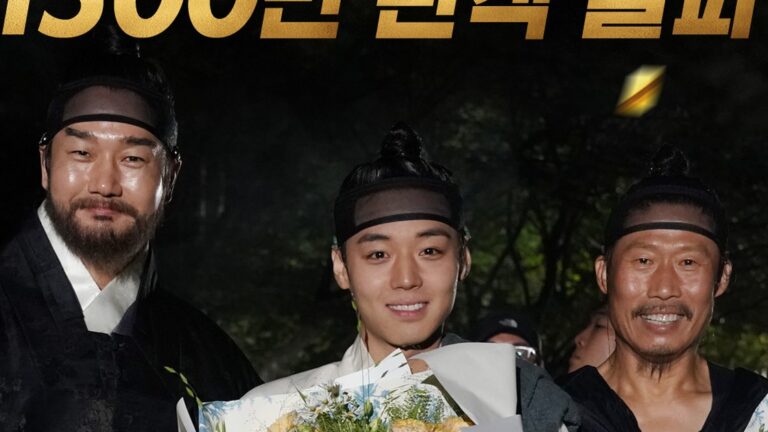
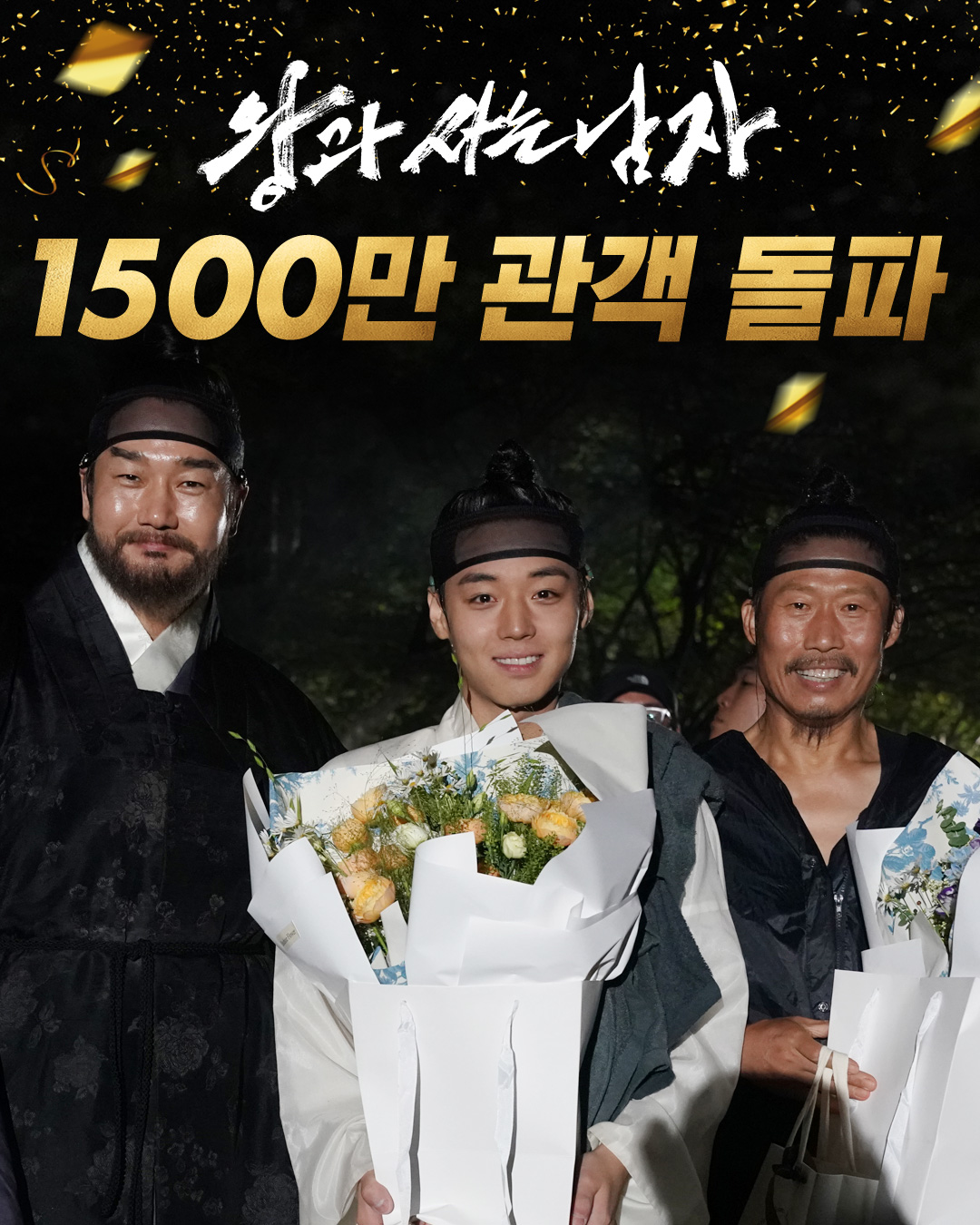
March 25, 2026, will be remembered as the day the Korean film industry finally reclaimed its throne. As of 5:00 PM KST today, the Korean Film Council’s integrated computer network confirmed that The Man Who Lives with the King (왕과 사는 남자) has officially surpassed 15 million admissions. Achieving this gargantuan feat in just 50 days isn’t just a box office win; it’s a seismic shift in how we perceive the ‘Sageuk’ (historical drama) genre. While the industry spent the last few years fretting over the ‘death of cinema’ and the dominance of streaming platforms, Director Jang Hang-jun has delivered a visceral, big-screen experience that demanded—and received—the nation’s undivided attention.
Currently sitting at the number three spot on the all-time box office list, trailing only The Admiral: Roaring Currents and Extreme Job, this film has already secured the title of the highest-grossing film in Korean history by revenue. That distinction is crucial. It suggests that audiences aren’t just going to see this film; they are seeking it out in premium formats like IMAX and Dolby Cinema, willing to pay a premium for the hauntingly beautiful visual landscape Jang has crafted. Cinematically speaking, the sheer momentum behind this film is terrifying. If the current trajectory holds, we aren’t just looking at a successful run—we are witnessing the potential crowning of a new all-time king of the box office.
The Jang Hang-jun Pivot: From Wit to Weight
Director Jang Hang-jun has always been the industry’s favorite storyteller, known for his sharp wit and ability to find humor in the mundane. However, with The Man Who Lives with the King, he has undergone a startling metamorphosis. This isn’t the Jang Hang-jun of lighthearted variety shows; this is a filmmaker who has found a dark, pulsing vein of psychological tension and refused to let go. The direction here is surgical. Every frame feels intentional, every shadow feels heavy with the weight of Joseon-era politics. He avoids the typical ‘grand battle’ tropes of historical blockbusters, choosing instead to focus on the suffocating intimacy of the palace walls.
“I’ve seen this movie four times at the Lotte Cinema in World Tower, and every time the ‘shadow scene’ happens, the entire theater stops breathing. Jang Hang-jun really went from being a funny guy to a master of psychological horror. It’s the best 15,000 won I’ve spent this year.” — User ‘MovieBuff99’ on TheQoo
What elevates this film above its predecessors is the restraint. Jang understands that in a story about power, what isn’t said is often more dangerous than what is. The mise-en-scène is a masterclass in compositional tension. Note how the King is rarely centered in the frame; he is often pushed to the edges, or obscured by silk curtains and ornate screens, emphasizing his isolation. It’s a bold choice that pays off, creating a sense of voyeurism for the audience. We aren’t just watching a king; we are spying on a man drowning in the expectations of a crown he never truly wanted.
Park Ji-hoon’s Metamorphosis: The Birth of a Thespian
Let’s talk about the elephant in the room: Park Ji-hoon. For years, the industry labeled him with the ‘idol-turned-actor’ tag, a label that often comes with a glass ceiling. In The Man Who Lives with the King, Park hasn’t just broken that ceiling; he has vaporized it. His portrayal of the titular ‘man’—a character caught between loyalty and survival—is the most transformative performance I have seen in a decade. There is a specific scene in the second act, a silent confrontation in the library, where Park conveys more with a single twitch of his jaw than most actors do with a five-minute monologue. He has shed the ‘Wink Boy’ image entirely, replacing it with a gravitas that feels earned, not manufactured.
Unpopular opinion, but I’d argue this performance rivals the legendary turns we saw in The Throne or Masquerade. Park’s ability to handle the archaic ‘Sageo-to’ (historical speech pattern) without it sounding like a high school play is a testament to his technical growth. He doesn’t just recite lines; he inhabits the breath and the rhythm of the era. The chemistry—or rather, the corrosive friction—between him and the veteran supporting cast provides the film’s emotional backbone. It’s a visceral experience to watch him slowly unravel as the stakes escalate, and by the final frame, you’ve forgotten his pop star roots entirely.
“If Park Ji-hoon doesn’t sweep the Baeksang Arts Awards this year, we riot. The way his eyes change from the beginning of the movie to the end… it’s like watching a person actually lose their soul in real-time. My mother, who doesn’t even know what an idol is, cried for an hour after the credits rolled.” — X (formerly Twitter) user @K-FilmFanatic2026
Visual Language: Chiaroscuro and Desaturated Blues
The cinematography by the production team deserves its own dedicated essay. Moving away from the vibrant, saturated colors often found in K-dramas, the film opts for a palette of desaturated blues and cold greys. This choice mirrors the emotional state of the characters—warmth is a luxury the palace cannot afford. The use of natural light, particularly in the night scenes, creates a chiaroscuro effect that feels reminiscent of Caravaggio. It’s a visual shorthand for the moral ambiguity that permeates the script. No one is purely a hero, and no one is purely a villain; they are all just figures struggling to stay visible in the dark.
Sound design also plays a pivotal role in the 15-million-viewer success. In a theater equipped with Dolby Atmos, the palace sounds alive. The creak of floorboards, the rustle of hanbok silk, and the distant, haunting sound of the wind through the courtyards create an immersive atmosphere that streaming simply cannot replicate. The OST, while minimalist, drops at exactly the right moments to amplify the emotional stakes without feeling manipulative. It’s a rare example of technical elements working in perfect harmony to serve the narrative rather than distract from it.
The Writing Falters, But Only Slightly
Is the film perfect? No. The writing, while generally sharp, does stumble during the transition into the third act. There is a subplot involving a palace physician that feels slightly mechanical, almost as if it were inserted to ensure the runtime hit the two-hour mark. It lacks the emotional precision of the central relationship and feels like a missed opportunity to explore the wider world outside the palace gates. Additionally, a brief CGI sequence involving a fire in the royal stables felt a bit ‘budget-strained’ compared to the impeccable practical effects used elsewhere. These are minor gripes, however, in a film that otherwise operates at a level of excellence we rarely see.
“The only part that felt off was the pacing around the 90-minute mark. It felt like they were rushing to get to the climax. But honestly, the final 20 minutes are so powerful that I didn’t even care about the middle slump by the time I left the theater.” — Naver Movie Reviewer ‘BlueDragon’
Despite these small hiccups, the script succeeds because it trusts the audience’s intelligence. It doesn’t over-explain the political machinations. It assumes you are paying attention. The dialogue is biting and economical, avoiding the flowery over-indulgence that often plagues historical scripts. When the ‘Man’ finally speaks his truth to the King, the words feel like physical blows. It’s a masterclass in narrative economy that allows the visual storytelling to do the heavy lifting.
The Verdict: Why 2026 Belongs to ‘The Man Who Lives with the King’
The success of this film is a wake-up call. It proves that Korean audiences are hungry for substance over spectacle, for character-driven narratives that challenge them emotionally. 15 million people didn’t go to the theater just for a ‘fun time’; they went to be moved, to be provoked, and to witness a young actor’s ascension to greatness. This film has become a cultural touchstone, a shared experience that has dominated conversations from office breakrooms to university campuses for the past 50 days.
Final verdict? The Man Who Lives with the King is a masterpiece of modern Korean cinema. It balances the commercial requirements of a blockbuster with the artistic integrity of an indie character study. Director Jang Hang-jun has silenced his critics, and Park Ji-hoon has cemented his legacy. Whether it eventually overtakes The Admiral for the number one spot is almost irrelevant at this point. The film has already achieved something greater: it has reminded us why we go to the movies in the first place. This is the cinematic event of 2026, and if you haven’t seen it yet, you aren’t just missing a movie—you’re missing the conversation.
Writing: ★★★★☆
Direction: ★★★★★
Acting: ★★★★★
Production: ★★★★★
OST: ★★★★☆
Overall: 9.5/10
Watch if: You appreciate high-stakes psychological tension and want to see a career-defining performance.
Skip if: You are looking for a lighthearted romp or can’t handle slow-burn political intrigue.