


Ministry of Culture, Sports and Tourism Publishes 2026 Hallyu Report
The Ministry of Culture, Sports and Tourism (MCST), in coordination with the Korean Foundation for International Cultural Exchange (KOFICE), officially released the results of the “2026 Overseas Hallyu Survey” on March 30, 2026. This comprehensive study, conducted across 26 major global markets, serves as the definitive government-backed metric for the reach and resonance of Korean cultural content. The data provides an objective look at how K-Pop, K-Drama, and K-Film have performed over the past fiscal year, offering a roadmap for both government policy and private sector investment in the cultural industry.
According to the official statement from the MCST, the survey sampled 25,000 respondents between the ages of 15 and 59 who have consumed Korean cultural content within the last year. The findings indicate a steady growth in the “Hallyu Index,” a composite score measuring both the popularity and the sustainability of Korean content abroad. While traditional strongholds in Southeast Asia remain dominant, the 2026 report highlights a significant uptick in consumption within the Middle East and Western Europe, suggesting a diversification of the global audience base that was previously concentrated in specific geographic corridors.
BTS and BLACKPINK Maintain Dominance in Music Category
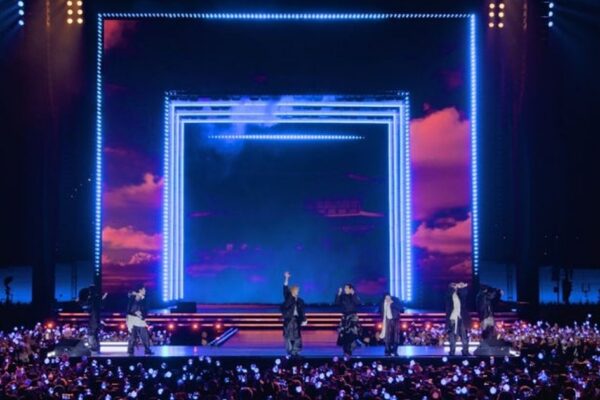
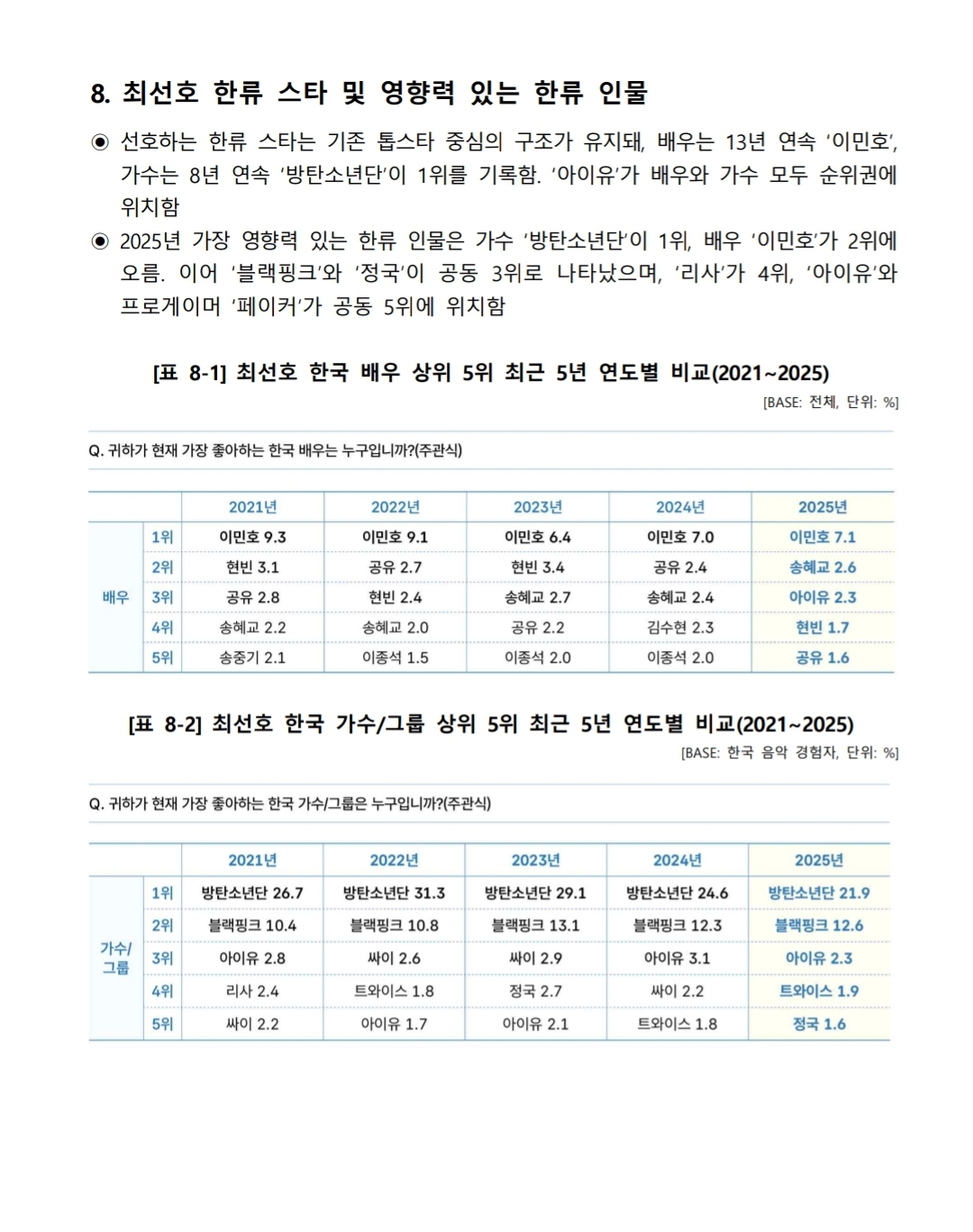
In the category of “Most Preferred K-Pop Artist,” BTS secured the top position for the ninth consecutive year. Despite the group’s recent focus on individual activities and military service obligations, their brand power remains unparalleled on a global scale. The survey indicates that BTS holds a preference rate of 24.1%, a figure that actually saw a marginal increase compared to the previous year’s data. This suggests that the group’s legacy content and solo releases have successfully maintained their presence in the global consciousness during their transition period.
BLACKPINK followed in second place, maintaining a strong 13.2% preference rate. The group’s influence was particularly pronounced in the North American and European markets, where they remain the primary representatives of the K-Pop girl group phenomenon. Following the top two, the rankings showed a competitive field of fourth and fifth-generation groups, including NewJeans, IVE, and Stray Kids, all of whom saw their individual preference rates climb by 2-3 percentage points over the last twelve months. The rise of soloists, particularly those from established groups like Jungkook and Lisa, also marked a notable shift in the 2026 data set.
“The consistency of BTS at the top is staggering given the landscape of the industry. It proves that the brand has transcended the typical idol lifecycle and entered the realm of global pop icons like Michael Jackson or The Beatles,” noted one industry analyst cited in the report’s supplementary commentary.
K-Drama and Film: The Enduring Legacy of Global Hits
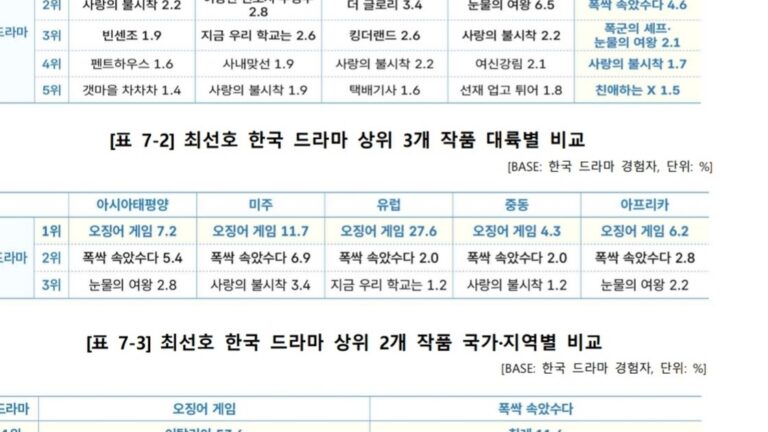
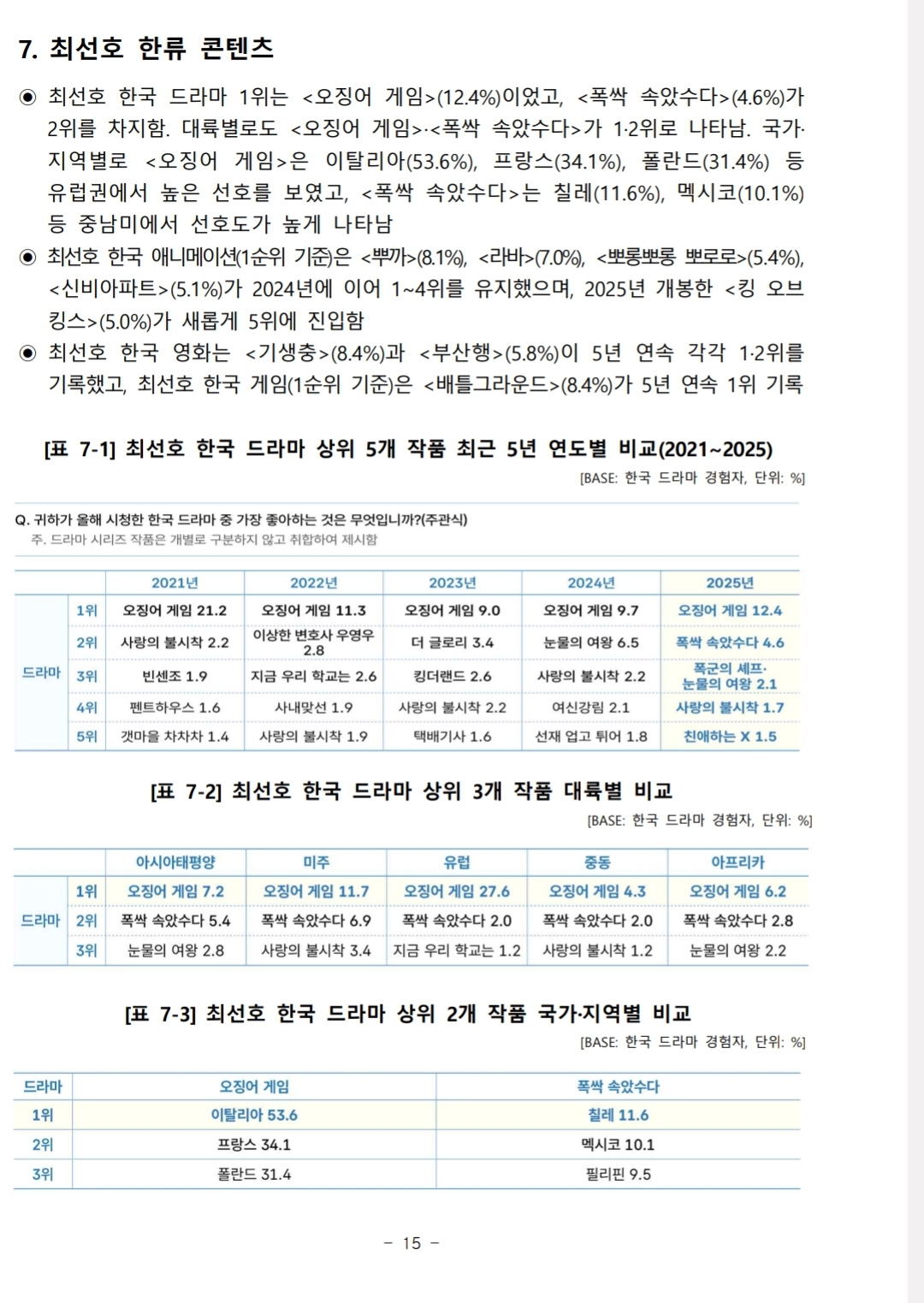
The drama category continues to be led by “Squid Game,” which remains the most recognized Korean television property globally. Despite the time elapsed since its initial release, the anticipation for subsequent seasons and the continued availability on global streaming platforms have cemented its status. According to the MCST data, “Squid Game” was cited by 11.5% of respondents as their favorite K-Drama, followed by “The Glory” and “Extraordinary Attorney Woo.” The report highlights that the availability of content on Over-The-Top (OTT) platforms remains the single most important factor in a drama’s international success.
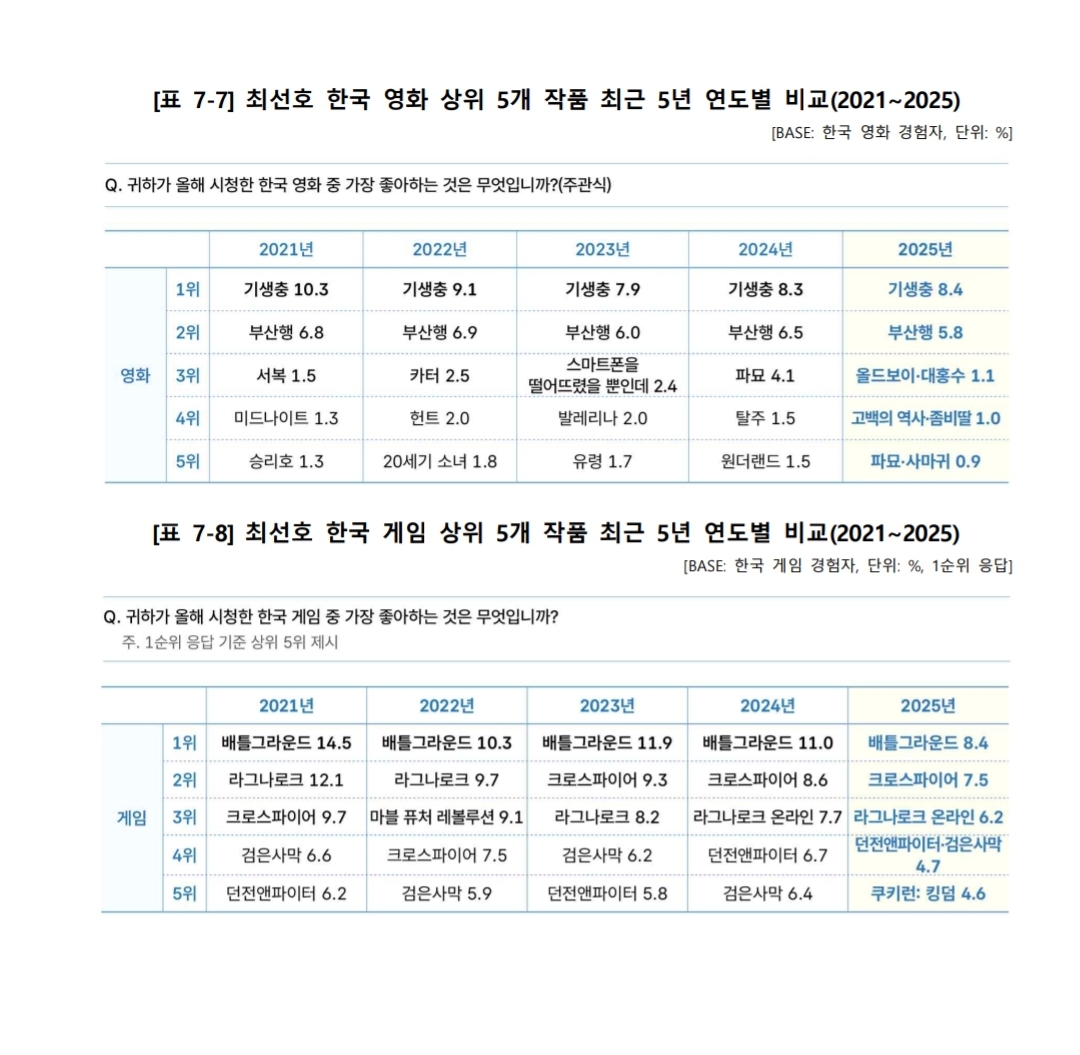
Film rankings mirrored this trend, with “Parasite” and “Train to Busan” maintaining their positions as the most recognized Korean cinematic works. However, the 2026 survey noted a rise in the preference for genre-specific films, particularly in the horror and action categories. The MCST indicated that the “one-inch barrier” of subtitles, famously mentioned by Director Bong Joon-ho, has largely been dismantled among younger demographics, who now consume Korean films with high frequency regardless of the availability of localized dubbing.
Regional Shifts and the Rise of New Markets
One of the most significant revelations in the 2026 report is the shifting geography of Hallyu consumption. While Asia remains the largest market by volume, the growth rate in the Middle East—specifically Saudi Arabia and the United Arab Emirates—has outpaced all other regions. The preference for Korean content in these areas rose by 7.4% year-over-year. This growth is attributed to increased bilateral cultural exchanges and the strategic expansion of Korean entertainment agencies into the region through localized concerts and fan events.
Europe also showed a marked increase in the “Hallyu Sustainability Index.” Countries like France and Germany, which were previously considered niche markets for K-Pop, now show mainstream penetration among the 15-29 age demographic. The report suggests that the aesthetic quality and high production values of Korean content are the primary drivers for this European expansion. Conversely, the North American market showed signs of stabilization, with consumption patterns shifting from rapid growth to a more mature, consistent engagement model.
“It is interesting to see how much the European market has grown compared to previous data. We are seeing K-Pop move from a subculture to a primary entertainment choice for Gen Z in Paris and Berlin,” a netizen commented on the theqoo community post regarding the survey.
Economic Impact and the ‘Halo Effect’ on Korean Goods
The MCST survey also measured the economic impact of Hallyu on other Korean industries, often referred to as the “Halo Effect.” The data shows a direct correlation between the consumption of Korean media and the purchase of Korean consumer goods. Specifically, 58.2% of respondents stated that their exposure to K-Dramas and K-Pop influenced their decision to purchase Korean food products, while 52.1% cited an increased interest in Korean beauty and fashion brands. This synergy remains a cornerstone of the government’s “K-Brand” export strategy.
Tourism also remains a major beneficiary of the Hallyu phenomenon. The 2026 report indicates that 45% of respondents expressed a desire to visit South Korea within the next two years, with “visiting filming locations” and “attending K-Pop concerts” cited as the primary motivations. The MCST has announced plans to leverage this data to develop more specialized tourism packages that cater to these specific interests, particularly for travelers from the Americas and Europe who tend to stay for longer durations.
Addressing the ‘Anti-Hallyu’ Sentiment and Barriers
Despite the overall positive trajectory, the 2026 survey does not ignore the challenges facing the industry. A section of the report is dedicated to “Anti-Hallyu” sentiment, which was found to be most prevalent in markets where domestic cultural protectionism is high. Respondents who expressed negative views toward Korean content often cited “excessive commercialization” and the “uniformity of content” as their primary reasons. The MCST noted that addressing these perceptions will require a more nuanced approach to content creation that emphasizes diversity and cultural sensitivity.
High costs of content consumption were also identified as a significant barrier. In several developing markets, the price of official streaming subscriptions and concert tickets was cited as a deterrent to legal consumption. The ministry indicated that they are exploring ways to support the distribution of Korean content through more affordable channels in these regions to combat piracy and ensure long-term market viability. This includes potential partnerships with local broadcasters and the development of ad-supported streaming tiers.
“The government needs to address the rising costs of streaming services if they want to maintain this momentum. If fans can’t afford to watch legally, the data will eventually start to reflect a decline in official engagement,” noted a commenter on the original source post.
Reporter’s Analysis: The Future of the Korean Wave
The 2026 Overseas Hallyu Survey paints a picture of a cultural phenomenon that has successfully transitioned from a regional trend to a permanent fixture of the global entertainment landscape. The data suggests that the “K-” prefix is no longer just a label of origin but a mark of quality that global consumers have come to trust. However, the stabilization of growth in mature markets like North America suggests that the industry must continue to innovate to avoid stagnation. The rise of soloists and the diversification of genres are positive signs that the industry is adapting to changing consumer tastes.
Looking forward, the MCST plans to use this data to refine its support systems for small and medium-sized entertainment agencies, ensuring that the success of Hallyu is not limited to a few major corporations. By fostering a more diverse ecosystem of creators and performers, the ministry aims to ensure that the Korean Wave remains a dynamic and evolving force for years to come. The next major update on these initiatives is expected during the mid-year policy briefing in July 2026.
As the industry moves into the second half of 2026, the focus will likely shift toward the integration of new technologies, such as AI and virtual reality, into the Hallyu experience. The survey already shows a growing interest in virtual concerts and AI-enhanced content, areas where Korea is currently positioned as a global leader. The 2026 report serves as a reminder that while the stars may change, the global appetite for Korean storytelling and music shows no signs of waning.
This report will be updated as the Ministry of Culture, Sports and Tourism releases more granular data regarding specific regional demographics and sub-category rankings.