


So… my little birds have been BUSY today, and the tea is absolutely SCALDING. 🍵 If you’ve been scrolling through the Korean communities lately, you know that one particular post on TheQoo has been catching fire, racking up over 8,500 views and a string of heated comments in record time. We’re talking about the internal atmosphere at HYBE—the house that BTS built—and how a recent documentary might have accidentally pulled back the curtain on some seriously messy corporate vibes. I’m not saying names (well, actually, I am, because it’s all over the legal records), but let’s just say the distance between the polished idol life we see on screen and the boardroom battles behind the scenes is wider than the Han River.
It all started when netizens began connecting the dots between the latest BTS documentary footage and the explosive testimonies given by former ADOR CEO Min Hee-jin during her highly publicized legal battles. While the documentary was clearly intended to be a moving tribute to the members’ hard work and global impact, eagle-eyed fans are noticing something else: a corporate culture that feels, well, a bit like a pressure cooker. According to the viral post, when you watch the documentary through the lens of the internal power struggles that have rocked the company over the last couple of years, the “HYBE Way” starts to look a lot less like a family and a lot more like a cold, calculating machine. Allegedly, this is exactly what Min Hee-jin was trying to warn everyone about before the sparks really started flying.
The Polished Veneer of the “HYBE Way”
For years, HYBE has sold us on the vision of the “multi-label system”—a creative utopia where different labels like BIGHIT, ADOR, Source Music, and Pledis all coexist and thrive under one massive umbrella. But that vision is looking a little blurry. The BTS documentary shows the members navigating their grueling schedules with grace, but it’s the background noise that has people talking. You see the staff, the sterile hallways of the Yongsan building, and the sheer scale of the operation. It’s impressive, sure, but some fans are calling it “devoid of soul.” The contrast between the raw passion of the artists and the rigid, data-driven atmosphere of the corporate headquarters is striking. It makes you wonder: at what point does the business of K-pop start to suffocate the art?
What’s really interesting is how this aligns with the claims made during the legal defense of the ADOR side. If you remember the bombshell injunction hearings, there were mentions of an atmosphere where “results” were the only language spoken, and creative independence was often treated as a threat rather than an asset. Watching the documentary now, fans are pointing out moments where the members seem almost like cogs in a very large, very expensive machine. I’m not saying they aren’t treated well—they’re the kings of K-pop, after all—but the corporate structure surrounding them feels heavy. It’s that “top-down” energy that seems to permeate every frame, confirming what many insiders have whispered for a long time: HYBE is a tech company first, and a music label second.
Min Hee-jin’s Testimony: The Ghost in the Machine
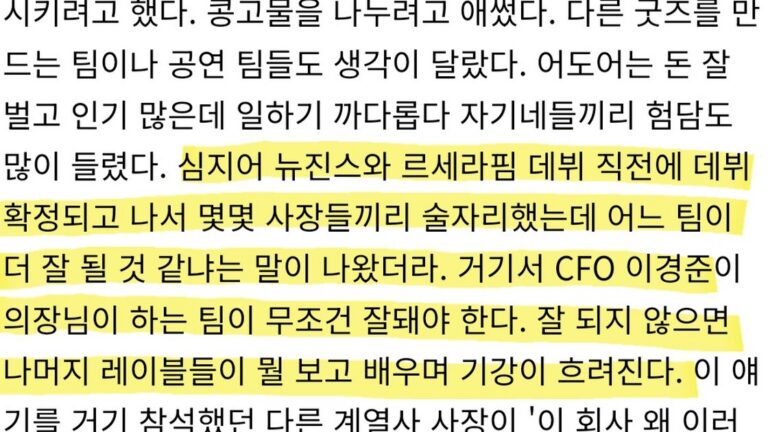
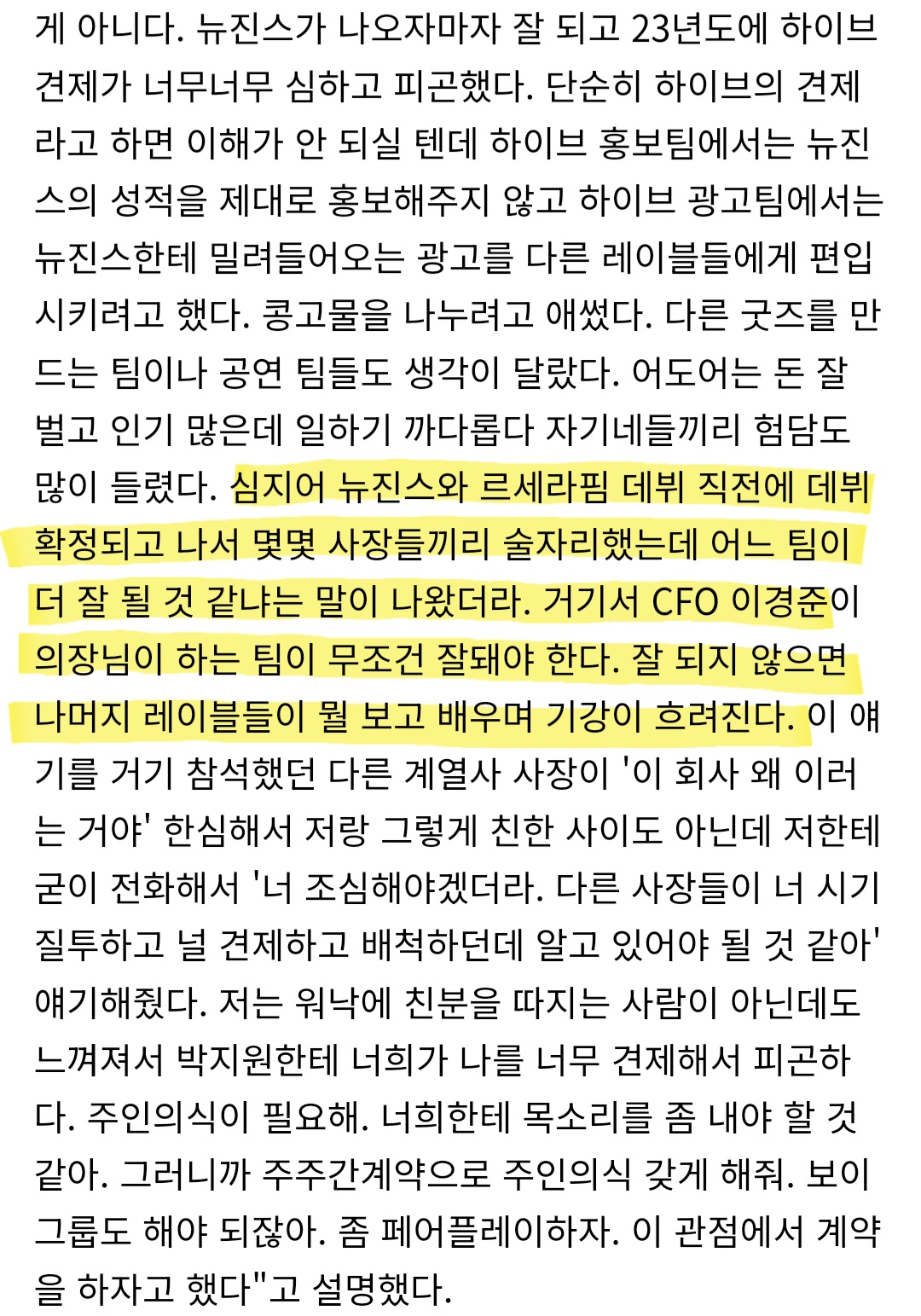
Now, let’s talk about the elephant in the room. Min Hee-jin’s testimony during her legal battle wasn’t just about her own position; it was a scathing critique of the entire HYBE ecosystem. She spoke about the “gaslighting” (her words, not mine!) and the way the company allegedly prioritized its stock price over the well-being and unique identities of its labels. When the TheQoo post surfaced today, it specifically highlighted how the documentary unintentionally validates her claims. It’s like seeing a puzzle finally come together. You see the “internal atmosphere” she described—the one where everyone is looking over their shoulder, and the pressure to perform is constant and unforgiving.
“I always felt like there was something off about the way HYBE handled their labels, and seeing the doc after reading Min Hee-jin’s court statements makes it so much clearer. It’s like they’re trying to mass-produce ‘perfection’ and it’s exhausting to even watch.” – A user on TheQoo
The post suggests that the documentary, while meant to celebrate BTS, actually showcases the very environment that led to the massive fallout with ADOR. Think about it: if the atmosphere is this intense for the group that literally built the company, imagine what it’s like for the newer groups or the staff who don’t have that kind of leverage. There’s a specific kind of corporate coldness that netizens are picking up on—a vibe that says “you are replaceable if the numbers don’t add up.” It’s a far cry from the “small agency success story” narrative that BIGHIT used to lean into during the early days.
Why This TheQoo Post is Blowing Up Right Now
You might be asking, “Sua, why is this trending today?” Well, it’s because the K-pop community never forgets, and they certainly never stop digging. With over 8,000 views and 56 comments (and counting!), this post has touched a nerve. Fans are tired of the “everything is fine” PR spin. They want to know why so many talented people seem to be at odds with the central leadership. The comments section is a battlefield of opinions, with some defending the company’s need for structure and others praising the “whistleblowers” who have tried to change things from the inside. It’s a classic case of the fans being more observant than the executives think they are.
One commenter pointed out that the documentary feels like it was edited by a committee of lawyers and PR experts, which—let’s be real—it probably was. But even with all that editing, the “vibe” still leaks through. There’s a tension in the air, a sense of “we have to do this because the company needs it,” rather than “we want to do this because we love it.” It’s subtle, but for people who have been following the HYBE/ADOR drama, it’s loud and clear. The fact that this is still a hot topic shows that the wounds from the internal civil war haven’t fully healed yet.
“56 comments and every single one is basically saying the same thing: the building in Yongsan looks like a high-tech prison for idols. No wonder there’s so much drama behind the scenes.” – Anonymous Netizen
The Multi-Label Mess: Innovation or Just Infighting?
Let’s get real for a second. The multi-label system was supposed to be HYBE’s greatest innovation, but lately, it feels like their biggest headache. When you have so many powerful personalities and creative visions under one roof, you need a leader who can balance them all. But according to the rumors—and the legal documents—the leadership at the top has been more focused on consolidation than collaboration. The documentary shows a world where everything is streamlined and standardized, which is the exact opposite of what a “multi-label” system is supposed to be. If every group is being pushed through the same corporate filter, what’s the point of having separate labels?
This is where the “insider” gossip gets really juicy. I’ve heard from a few birds that the atmosphere inside the building is “stifling.” People are afraid to speak up because the hierarchy is so rigid. It’s not just about the idols; it’s about the creative directors, the producers, and the managers who are caught in the crossfire of these ego wars. The TheQoo post is just the tip of the iceberg. Underneath, there’s a whole ocean of resentment from people who feel like the “HYBE Way” is a one-way street. And honestly? I can’t say I blame them. When you see how much money is on the line, it’s easy to see why the human element gets lost in the shuffle.
From the Front Lines: What the Fans are Saying
The reaction from the international side is just as divided. While some ARMYs are focused solely on supporting the members, others are becoming increasingly critical of the company’s management. On social media, the hashtag #HybeInternalAtmosphere started trending shortly after the TheQoo post went viral. Fans are sharing clips from the documentary and comparing them to old videos from the BIGHIT era, noting how much the energy has shifted. It’s a nostalgia for a time when the company felt smaller, more personal, and less like a global conglomerate obsessed with world domination.
“I miss the old days when it felt like they were all in this together. Now, every time I see a HYBE logo, I just think about lawsuits and power struggles. The doc just confirmed my fears.” – Twitter (X) user
The general consensus among the “detective” fans is that the documentary serves as a time capsule of a company in transition—and not necessarily a smooth one. They see the tired eyes of the staff, the forced smiles in the boardroom, and the way the artists sometimes look like they’re carrying the weight of the entire stock market on their shoulders. It’s a heavy burden to bear, and the community is starting to ask: at what cost? Is the global success worth the loss of the internal culture that made them special in the first place?
The Shadow of the Fallout
We have to remember that we’re looking at this following the fallout between Bang Si-hyuk and Min Hee-jin. We’ve seen the court rulings, the public statements, and the fan protests. But the documentary brings it all back to the surface. It reminds us that the issues raised during the legal disputes weren’t just a one-time thing; they were symptoms of a much deeper problem within the company’s DNA. The “internal atmosphere” isn’t something you can fix with a PR campaign or a shiny new documentary. It requires a fundamental shift in how they treat their people.
HYBE is still a giant, but it’s a giant with a limp. The stock price fluctuates every time a new rumor drops, and the trust between the company and the fans is at an all-time low. This TheQoo post is a reminder that the public hasn’t moved on. They’re still watching, they’re still analyzing, and they’re still waiting for the company to prove that they actually care about the “music and artists” more than the “platform and profit.” It’s a tall order, and so far, the evidence—allegedly—isn’t looking great.
Final Thoughts: Is the Magic Gone?
So, what’s the bottom line? Is HYBE doomed? Of course not. They have the biggest artists in the world and enough capital to buy a small country. But the “magic”—that intangible feeling that they were different from the other big agencies—is definitely under threat. The documentary, intended to be a celebration, has instead become a Rorschach test for the K-pop community. Some see a story of triumph, while others see a cautionary tale of corporate greed and internal decay. As for me? I think the truth lies somewhere in the middle, hidden in the parts they didn’t show us.
The tea is that the internal atmosphere at HYBE is likely just as complicated and messy as any other massive corporation, but because it’s K-pop, the stakes feel so much more personal. We’re not just talking about products; we’re talking about people we’ve grown up with and invested our hearts in. When we see hints of a toxic environment, it hurts. Whether or not HYBE can reclaim its soul remains a major question for the company. But you can bet your last lightstick that I’ll be here to report on every crack in the foundation. Stay tuned, because this story is far from over. 👀
What do you think? Does the documentary make you feel better or worse about what’s happening at HYBE? Are you Team Label Independence or Team Corporate Synergy? Sound off in the comments, but let’s keep it respectful—we’re all just trying to navigate this messy world together!
—
*This article contains unconfirmed reports and should be treated as rumor until officially confirmed. SYNC SEOUL does not make claims about the personal lives of celebrities beyond what is reported by credible sources.*