



The Return of the ‘Reverse Streaming’ Ghost
So… my little birds have been BUSY today. Just when you thought the K-pop scene was settling into a comfortable spring rhythm here in 2026, a massive skeleton has come tumbling out of the fandom closet. A post on TheQoo has absolutely exploded overnight, racking up over 37,000 views and nearly 500 comments in a matter of hours. The topic? A controversial tactic known as ‘Yeok-seuming’ (역스밍), or reverse streaming, that allegedly took place during one of the most high-stakes chart battles in recent memory. The tea is SCALDING today, and I’m not just talking about the temperature outside. 🍵
For those who weren’t glued to their screens during the peak of the 4th generation’s rise, this controversy centers on a moment when NewJeans was threatening to take down a record held by the kings themselves, BTS. The tension between legacy fandoms and rising powerhouses has always been a thing, but the receipts being circulated right now suggest that some fans went to extreme lengths to protect a legacy. We aren’t just talking about passionate voting; we’re talking about a calculated, digital chess match designed to manipulate the very charts we all rely on to see what’s actually popular. This isn’t just a trip down memory lane; it’s a reminder of how messy things get when numbers become more important than the music itself.
The sheer scale of the engagement on this post tells me that the wounds are still fresh for many. Even in 2026, with all the changes to streaming platforms like MelOn and Bugs, the ethical debate over fandom ‘labor’ continues to rage. When does support turn into sabotage? That’s the question everyone is asking as these old screenshots resurface, showing coordinated efforts to suppress a hit song just to keep a record intact. I’ve seen some wild things in my time as a reporter, but the strategic precision described in these community threads is on another level of petty.
Decoding the Tactic: What Exactly is ‘Yeok-seuming’?
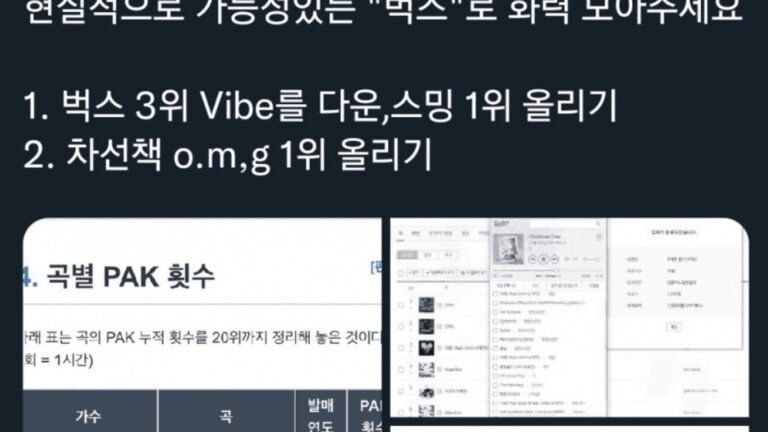
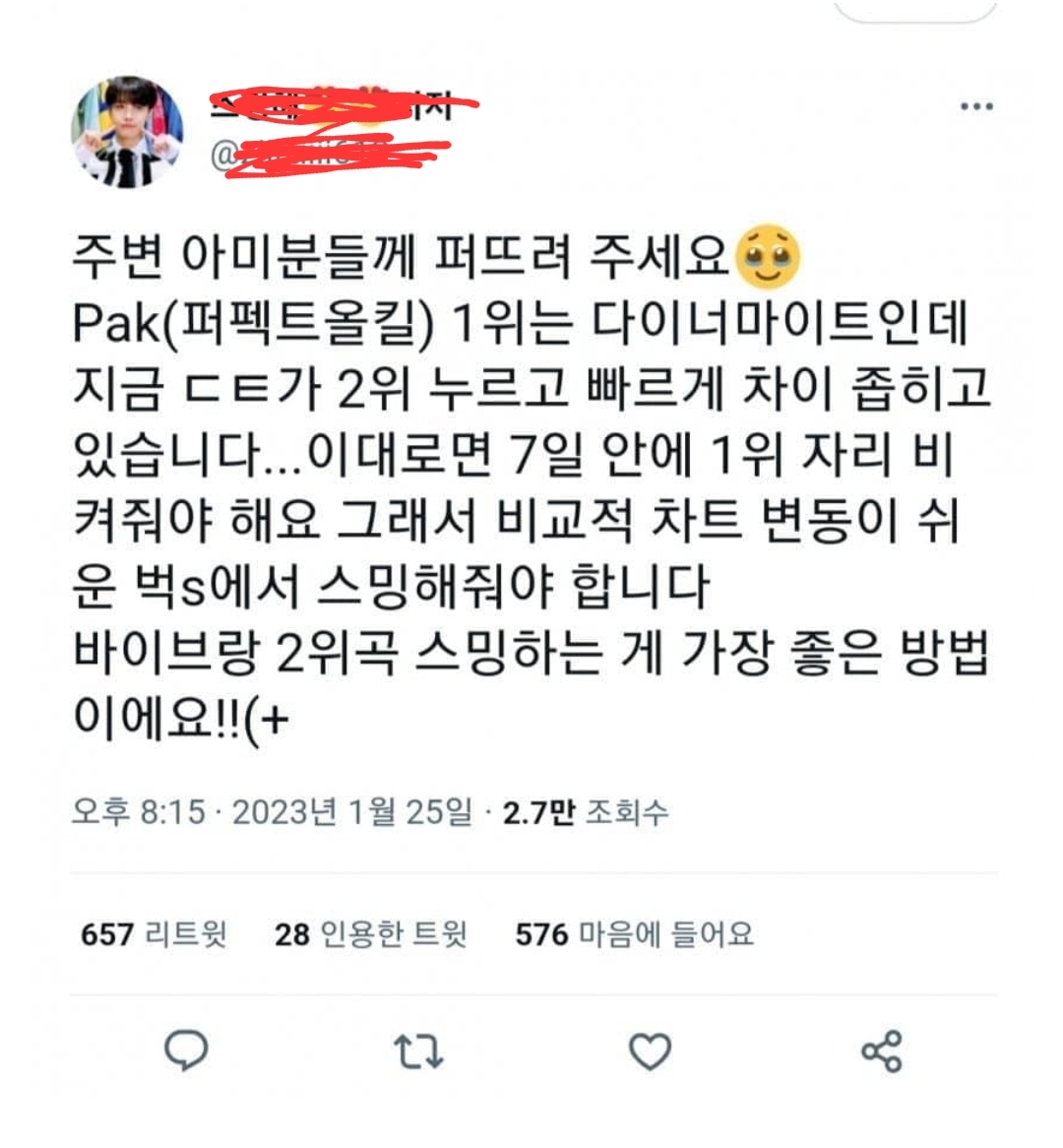
Before we dive into the specific allegations, let’s break down the mechanics for the uninitiated. ‘Yeok-seuming’ is essentially the dark side of the streaming culture we’ve grown accustomed to. In a typical streaming drive, fans play their favorite artist’s song on repeat to keep it at the top. Reverse streaming, however, is a defensive maneuver. When a rival artist’s song is sitting at #1 and threatening a record, fans of the record-holder will collectively stream the songs at #2 and #3. The goal? To push those lower-ranked songs up so they overtake the #1 spot, effectively ‘reversing’ the momentum of the leader.
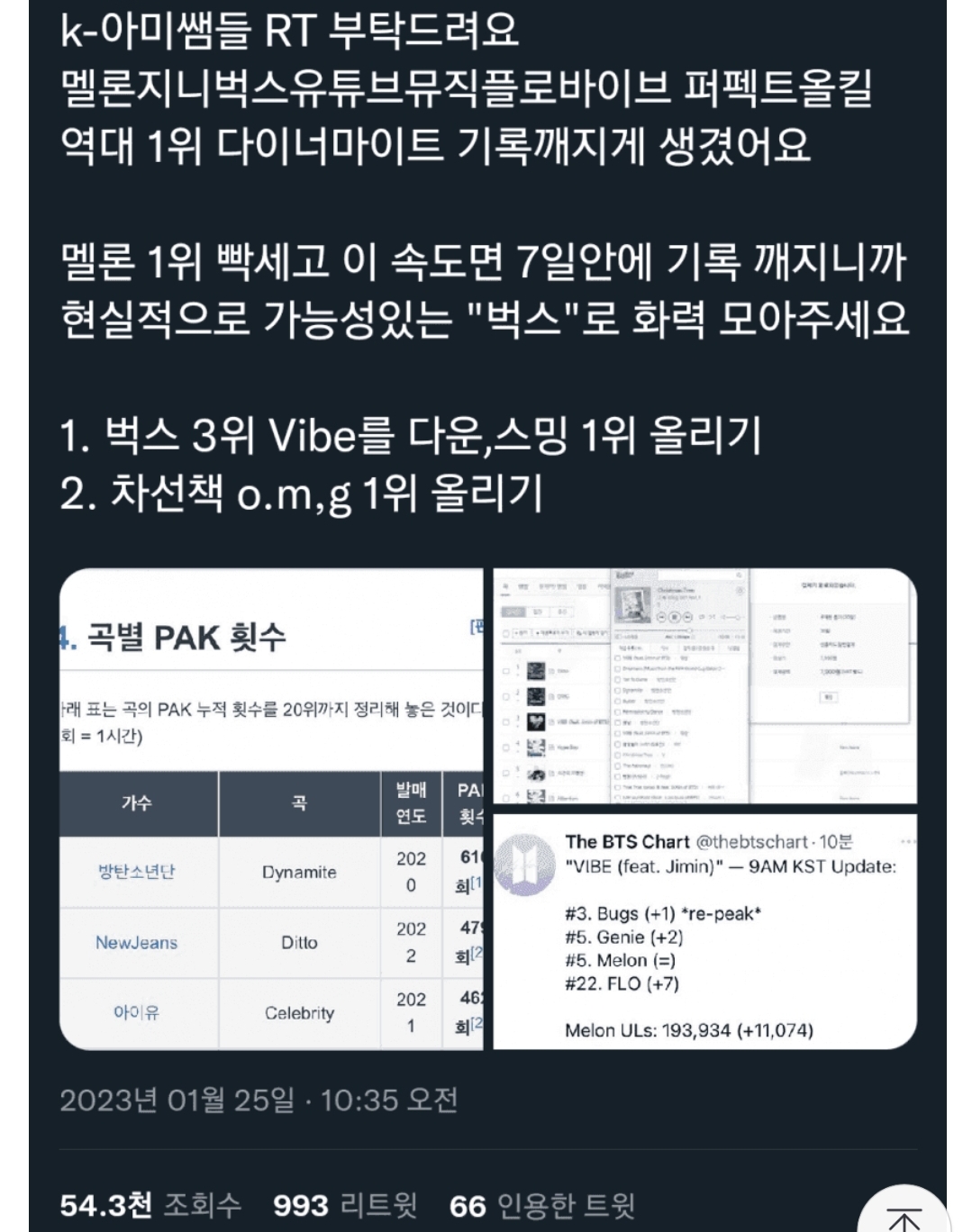
It’s a fascinating, if slightly terrifying, display of collective power. Think about the coordination required. You have thousands of people who might not even like the song at #2, but they are playing it 24/7 just to make sure the song at #1 doesn’t stay there. In this specific case, the target was NewJeans’ ‘Ditto,’ which was on a path to becoming the song with the most Perfect All-Kills (PAK) in history—a record previously held by BTS’s ‘Dynamite.’ The screenshots currently circulating show fans explicitly discussing this as a ‘war’ that needed to be won at any cost.
“If this is true, it’s honestly pathetic. Imagine being so scared of a rookie group’s success that you have to manipulate the charts for a song you don’t even care about. This isn’t fandom, it’s a job at a marketing firm.” — Anonymous Netizen
The complexity of these tactics is what makes them so difficult for platforms to police. How do you distinguish between a genuine surge in popularity for the #2 song and a coordinated effort to suppress #1? Back then, the platforms were still playing catch-up with these fandom strategies. Now, looking back from 2026, we can see how these incidents forced the industry to rethink how we value digital hits. But the emotional fallout? That hasn’t gone away. The screenshots show a level of desperation that feels a bit cringey in hindsight, yet it was the reality of the digital landscape at the time.
The Battle for the Perfect All-Kill Crown
To understand why this happened, you have to understand the prestige of the Perfect All-Kill. In the K-pop world, a PAK is the ultimate validation. It means a song is #1 on every major real-time, daily, and weekly chart simultaneously. BTS’s ‘Dynamite’ had set a staggering record with 610 PAKs, a number that many thought was untouchable. Then came ‘Ditto.’ It wasn’t just a hit; it was a cultural phenomenon that resonated across every demographic. As the PAK count for ‘Ditto’ started climbing—100, 300, 500—the panic in certain corners of the internet became palpable.
The records aren’t just for bragging rights; they are the legacy of a group’s dominance. For ARMY, ‘Dynamite’ was a symbol of BTS’s global breakthrough and their iron grip on the domestic market. Seeing a group that had only been around for a few months threaten that legacy was clearly too much for some to handle. The strategy wasn’t just about ‘Dynamite’ anymore; it was about maintaining the hierarchy of the industry. If ‘Ditto’ could do it, then the ‘untouchable’ status of the legends felt a little less certain.
The intensity of this era was something else. I remember the forums being absolutely toxic with debates about whether NewJeans was ‘organic’ or just a product of a massive corporate machine. Ironically, the allegations of reverse streaming suggest that the ‘machine’ wasn’t just the companies, but the fans themselves. The irony of using artificial means to prevent a song from ‘organically’ breaking a record is not lost on the netizens of 2026. The receipts show that as ‘Ditto’ approached the 600 mark, the calls for ‘Yeok-seuming’ reached a fever pitch.
‘Anything But Ditto’: The Strategy Behind the Screen
Here is where it gets really messy. The screenshots from the original post reveal a multi-layered strategy. The primary plan was to boost Taeyang’s ‘Vibe’ (which featured BTS’s Jimin) because it was sitting at #3. It was a win-win for that fandom: support a member’s solo project while simultaneously blocking ‘Ditto.’ The logic was simple: get ‘Vibe’ to #1 on Bugs, and ‘Ditto’ loses its PAK status for that hour. If ‘Vibe’ couldn’t do it, the backup plan was even more chaotic: stream ‘OMG’—NewJeans’ own follow-up track—to #1.
Think about that for a second. Fans were so determined to stop ‘Ditto’ from breaking the record that they were willing to stream *another* NewJeans song to the top spot, just because ‘OMG’ wouldn’t have enough time to break the ‘Dynamite’ record itself. It’s a level of petty that is almost impressive in its complexity. ‘Anything but Ditto’ became the unspoken mantra. They were essentially trying to use NewJeans to defeat NewJeans. It’s the kind of drama you couldn’t write, yet here it is, documented in black and white on the community boards.
“The fact that they were willing to stream OMG just to kill Ditto’s PAK streak is the ultimate ‘galaxy brain’ move. It shows they didn’t care about the music at all, just the trophy. It’s so embarrassing to see this resurface now.” — TheQoo User #484
This ‘Plan B’ is what has people the most riled up in the comments today. It exposes the cold, calculated nature of record-chasing. When you start supporting an artist’s rival song just to hurt their main hit, you’ve moved far beyond the realm of ‘supporting your faves.’ You’ve entered the realm of digital warfare. And for what? A number on a Wikipedia page? In 2026, we look at these charts as a reflection of what we loved, but these receipts suggest they were often just a reflection of who had the most organized, and perhaps most spiteful, digital army.
Receipts and Repercussions: The Digital Paper Trail
The post that’s trending right now isn’t just hearsay; it’s a collection of screenshots from fan cafes and private chat rooms where these ‘operations’ were planned. You can see the ‘guides’ being posted—step-by-step instructions on how to set up streaming accounts, which playlists to use, and when to focus the ‘attack.’ It looks more like a military operation than a fan club meeting. The language used is telling: ‘target,’ ‘defense,’ ‘operation,’ ‘victory.’ It’s clear that for those involved, this was a battle for the soul of K-pop.
What’s particularly damning is the timing. Every time ‘Ditto’ would slip for an hour on a minor chart like Bugs, the forums would erupt in celebration. The ‘receipts’ show that these slips often coincided perfectly with the ‘streaming surges’ organized by the anti-Ditto coalition. While it’s impossible to prove that these fan efforts were the *only* reason for the fluctuations, the correlation is hard to ignore. It paints a picture of a fandom culture that had become obsessed with gatekeeping the top spot.
“I remember this vividly. Everyone was wondering why Vibe suddenly spiked at 3 AM on a Tuesday. Now we know. It’s crazy that we just accepted this as ‘fandom culture’ back then. We were all so toxic.” — Former Streaming Lead
The repercussions of these tactics are still felt today. It led to massive changes in how charts are calculated, with platforms moving away from real-time charts and toward daily unique listeners to minimize the impact of ‘zombie streaming’ and ‘reverse streaming.’ But the cultural impact was deeper. It created a rift between fandoms that has never truly healed. Even now, in 2026, a mention of ‘Ditto’ vs. ‘Dynamite’ can trigger a flame war on X (formerly Twitter) or Threads. The receipts are just fuel for a fire that never really went out.
K-Netizens Weigh In: A Fandom Divided
The comments section on the current trending post is a battlefield of its own. You have the ‘new’ fans who are horrified by these tactics, the ‘old’ fans who are trying to defend their actions as ‘standard practice’ for the time, and the neutral observers who are just here for the drama. Some argue that this is just a natural extension of fandom passion. They claim that if you love an artist, you do whatever it takes to protect their legacy. Others, however, see it as a stain on the industry that needs to be acknowledged and moved past.
One of the most upvoted comments points out the hypocrisy of it all. For years, major fandoms had complained about ‘sajaegi’ (chart manipulation by companies). Yet, here was a clear example of ‘fandom sajaegi’—manipulation by the fans themselves. The distinction between the two feels thinner and thinner as more of these stories come to light. Is it only ‘wrong’ when a company does it? If thousands of fans do it, does it suddenly become ‘organic’? The netizens are not reaching a consensus, but the debate is more nuanced than it was three years ago.
“Let’s be real, every big fandom has done something like this. The only difference is that this one got caught with receipts. We should be talking about how the system encourages this behavior, not just blaming one group.” — Industry Observer
There’s also a sense of exhaustion in the comments. Many fans are tired of the constant ‘record-breaking’ narrative that dominates K-pop. They miss the days when a hit song was just a song everyone liked, not a data point in a never-ending war for supremacy. The resurfacing of this controversy in 2026 feels like a tipping point. People are starting to value ‘longevity’ and ‘impact’ over ‘peak numbers,’ perhaps as a reaction to the realization that those peak numbers were often manufactured through tactics like reverse streaming.
The Ethics of Digital Warfare in 2026
As we look at the state of the industry today, it’s clear that the ‘Ditto’ controversy was a catalyst for change. The platforms have become much smarter. AI-driven algorithms now detect and filter out ‘abnormal’ streaming patterns, making it much harder to pull off a ‘Yeok-seuming’ operation in 2026. But the spirit of the tactic lives on in other ways—coordinated mass-buying of digital singles, ‘report’ parties against rival artists, and the weaponization of social media trends. The tools have changed, but the instinct to suppress the competition remains.
The ethics of this are murky. In a capitalist system, isn’t ‘fandom labor’ just a form of marketing? If a fandom spends millions of dollars and billions of hours to keep their artist at the top, isn’t that a legitimate form of success? The counter-argument, of course, is that it distorts the reality of the market. It prevents new, deserving artists from getting the spotlight because the top spots are ‘owned’ by the most organized fandoms. It turns the charts into a plutocracy where only those with the most ‘soldiers’ can win.
I’ve talked to some industry insiders who say that the ‘reverse streaming’ era was the beginning of the end for the traditional chart system. It’s why we see so much more emphasis now on global charts like Billboard or Spotify, which are seen (rightly or wrongly) as harder to manipulate than the domestic Korean charts. The ‘Ditto’ incident proved that even the most prestigious domestic records could be influenced by a determined group of fans with a spreadsheet and a grudge. That realization changed the way agencies, artists, and fans approach the digital market.
Final Thoughts: Is Your Playlist Actually Yours?
The reality is much grittier than the polished music videos and ‘thank you’ speeches would have you believe. Behind every record-breaking hit is a complex web of fandom politics, digital strategy, and, occasionally, a bit of sabotage. The resurfacing of the BTS vs. NewJeans ‘reverse streaming’ debate in 2026 isn’t just about who was right or wrong back then. It’s a mirror held up to us as fans. It asks us: why do we care so much? Why is a record more important than the joy of the music?
I’m not saying names, but some of you reading this probably have a ‘streaming phone’ tucked away in a drawer somewhere. We’ve all been part of the machine at some point. But as these receipts show, there’s a dark side to that devotion. When we start trying to control what *other* people hear, or trying to push down a song that everyone else loves just to protect a trophy, we’ve lost the plot. The ‘Ditto’ era was a masterclass in how a song can win the hearts of the public while becoming a target for the ‘elite’ fandoms.
So, the next time you see a song ‘mysteriously’ drop from #1 for an hour, or see a sudden surge for a random B-side, just remember the ghost of ‘Yeok-seuming.’ The tea is never just about the music; it’s about the power. And in the world of K-pop, power is the one thing no one is willing to give up without a fight. Stay tuned, because I have a feeling more of these digital skeletons are about to come dancing out of the closet. 🤫👀
—
*This article contains unconfirmed reports and should be treated as rumor until officially confirmed. SYNC SEOUL does not make claims about the personal lives of celebrities beyond what is reported by credible sources.*