


The Great Escape: A Diplomatic Nightmare Unfolds
So… my little birds have been BUSY today, and honestly? The tea is absolutely SCALDING. 🍵 We usually talk about idols and actors, but today, the biggest star on the Korean internet isn’t a K-pop lead—it’s an activist who is currently playing a high-stakes game of hide-and-seek with the Ministry of Foreign Affairs (MOFA). If you haven’t been scrolling through TheQoo today, let me catch you up on the drama that has everyone from Seoul to Gaza talking. We are looking at a story of defiance, international law, and a total blackout of communication that has left the Korean government looking a bit… well, frantic.
Reports are swirling about a specific activist who has apparently decided that a government-mandated travel ban is more of a ‘suggestion’ than a rule. This individual, who already has a history of causing diplomatic headaches, has reportedly slipped through the cracks and headed toward a third country with the ultimate goal of reaching the Gaza Strip. Now, I’m not saying the government is panicking, but when the MOFA starts issuing public passport return orders and getting ghosted in return, you know the situation is getting spicy. This isn’t just a minor disagreement over travel plans; it’s a full-blown confrontation between individual conviction and national security protocols.
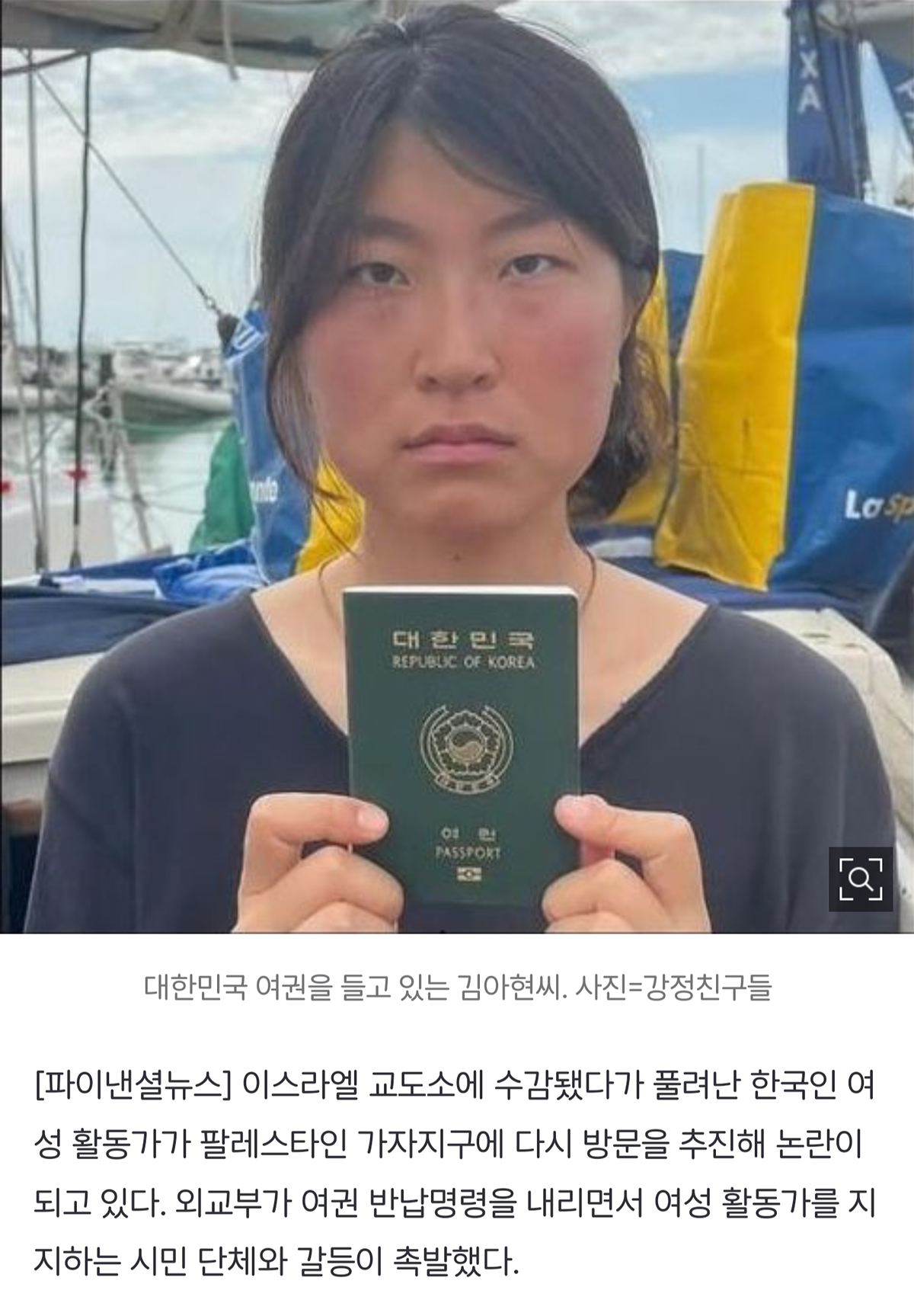
According to eyewitness accounts and community buzz, this isn’t the first time this person has been in the line of fire. Previously, they were part of a high-profile aid flotilla attempting to break the blockade of Gaza. That trip ended with them being intercepted by the Israeli military and spending time in a prison cell. At the time, the Korean government had to step in, using significant diplomatic capital to secure their release within 48 hours. You’d think a stint in a foreign jail would be enough to make anyone want to stay home and watch Netflix, right? Wrong. Apparently, the call of the mission was too strong, and they are back for round two, much to the chagrin of the authorities in Seoul.
The Passport Power Move and the Silent Treatment
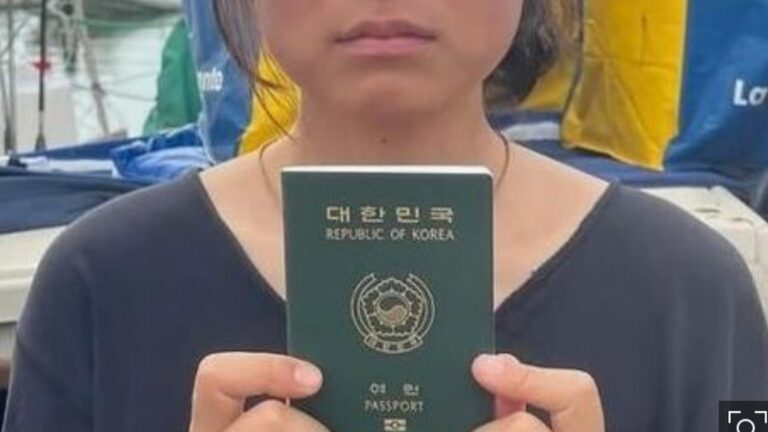
Here is where it gets really interesting for those of us who love a bit of legal drama. The Ministry of Foreign Affairs, clearly anticipating a repeat performance, issued a formal order for the activist to return their passport. In the world of international travel, that’s basically the ultimate ‘stop’ sign. Once that order is issued, your passport becomes little more than a fancy piece of paper. But instead of complying, our mysterious protagonist reportedly pulled the ultimate Gen-Z move: they left the Ministry on ‘read.’ Allegedly, all emails, text messages, and official notices have been completely ignored as the activist made their way to a third country before the ban could be fully enforced.
This ‘ghosting’ of the government has created a massive loophole. While the MOFA can invalidate the passport, if the person is already outside of Korea, the logistics of bringing them back or stopping them from moving between non-extradition zones becomes a nightmare. It’s a bold, some might say reckless, move that has the activist’s supporters cheering and their critics calling for their citizenship to be questioned. The audacity to ignore a direct government mandate while heading into one of the most volatile conflict zones on the planet is, quite frankly, the kind of plot you’d expect in a K-drama thriller, not on the morning news.
“If they get caught again, the government should absolutely not spend a single won of our tax money to bail them out. They were warned, they chose to ignore it, and now they should face the consequences alone.” – A frustrated netizen on TheQoo
The tension is palpable. On one hand, you have the government’s duty to protect its citizens, even those who don’t want to be protected. On the other, you have a group of activists and legal teams arguing that the government is overstepping its bounds. The MOFA claims the travel ban is strictly for the individual’s safety, citing the extreme danger in the region. However, the activist’s camp argues that this is a convenient way for the government to suppress political expression and humanitarian aid efforts. It’s a classic ‘safety vs. freedom’ debate that has the internet absolutely divided.
Legal Eagles and Political Firebrands Join the Fray
You know a story is big when Minbyun (Lawyers for a Democratic Society) gets involved. They aren’t just watching from the sidelines; they’ve reportedly taken over the legal reins for the activist. Minbyun has officially filed a lawsuit to cancel the passport return order and has requested a stay of execution on the ban. They argue that the government’s actions are a violation of the fundamental right to travel and that the ‘safety’ excuse is being used as a tool for political censorship. It’s a heavy-hitting legal move that suggests this isn’t just one person’s rogue mission, but a coordinated effort to challenge how the Korean government handles activists in conflict zones.
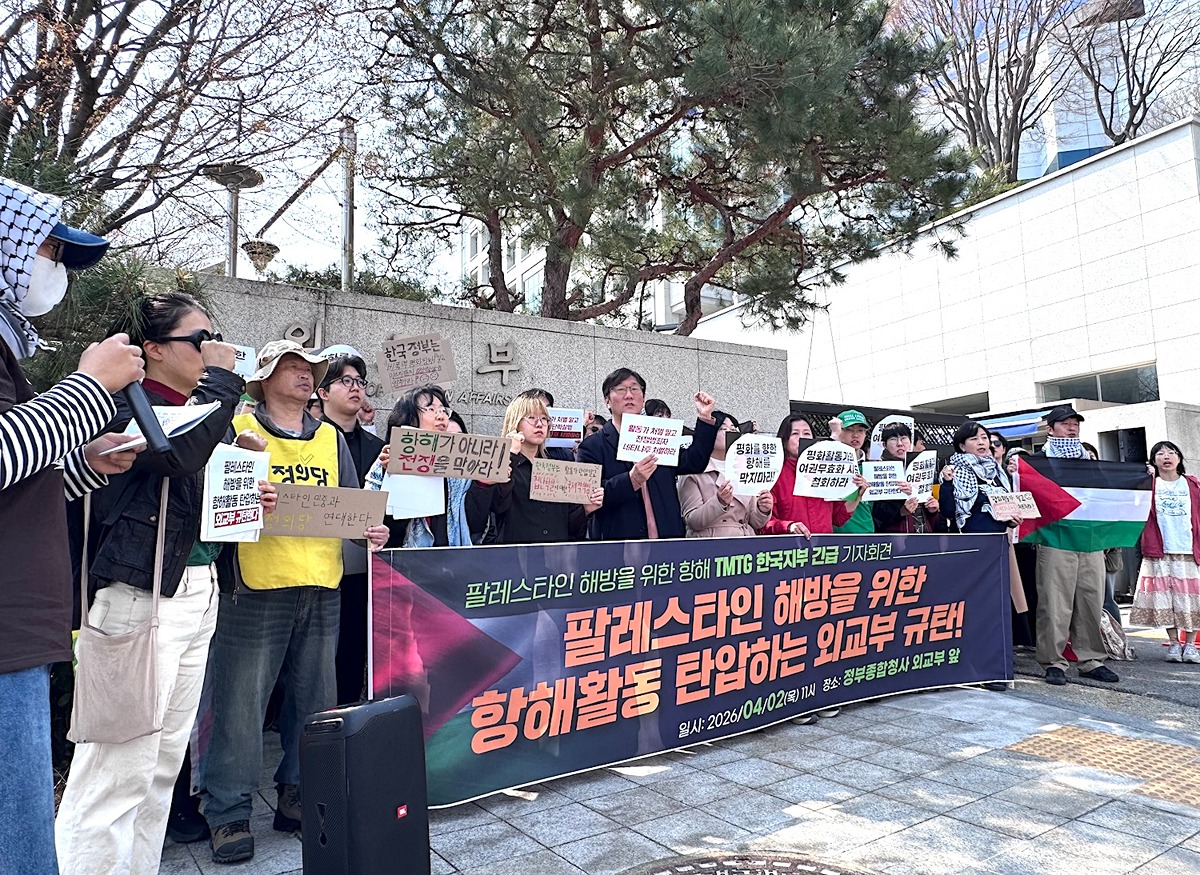
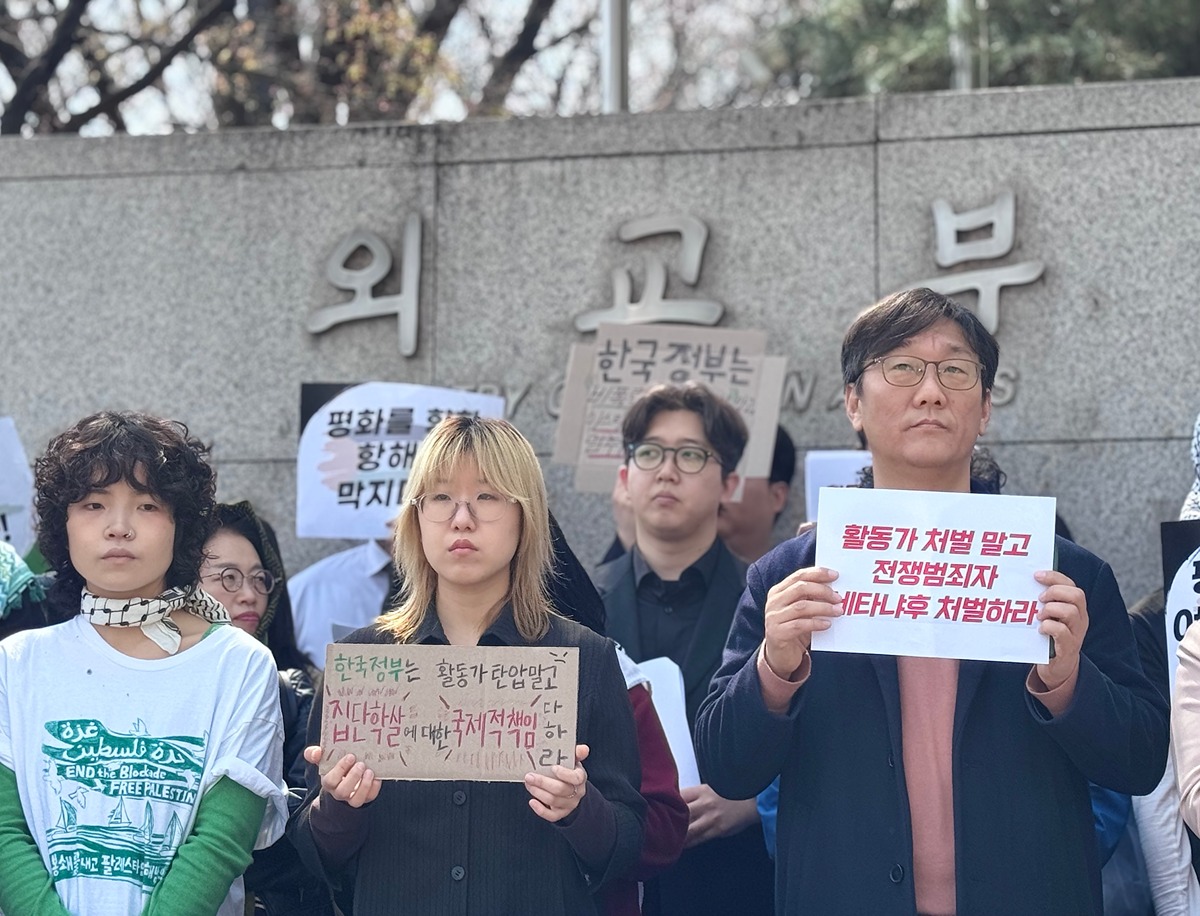
And it’s not just the lawyers. The Justice Party and the Green Party have also entered the chat. These political groups, along with various civic organizations, held a massive protest right in front of the Ministry of Foreign Affairs. They’re calling the passport revocation a ‘cowardly’ move that prevents essential aid from reaching those in need. The scene at the protest was intense, with speakers shouting through megaphones and supporters waving banners. It’s clear that this activist has become a symbol for a much larger movement, one that views the Korean government’s cautious foreign policy as an obstacle to global justice.
The optics are certainly complicated. While the protesters see a hero fighting for human rights, the government sees a liability that could lead to another international incident. Remember, the previous diplomatic fallout from the activist’s detention was significant. No government wants to be in the position of negotiating with a foreign power for the release of someone who explicitly ignored their warnings not to go there in the first place. It creates a precedent that is incredibly difficult to manage, especially in a region as sensitive as Gaza. The ‘tea’ here is that the government feels its hands are being tied by someone they already saved once.
The Community Pulse: Netizens Are Losing It
With over 13,000 views and nearly 200 comments in just a few hours, the post on TheQoo is a war zone of its own. People are not holding back. The sheer volume of engagement shows just how much this story has tapped into the public’s anxieties and opinions on national responsibility. Some see the activist as a martyr for a noble cause, while others see them as a selfish actor putting the country’s reputation at risk. The comments section is a fascinating look into the psyche of the Korean public today.
“This isn’t activism, it’s a suicide mission. Why should the rest of us deal with the diplomatic mess they create? If you want to go, go, but don’t expect the Korean embassy to pick up the phone when things go south.” – Anonymous commenter
On the flip side, there are those who are inspired by the sheer guts it takes to go up against the state. They argue that the government’s job isn’t to be a ‘parent’ to its citizens but to respect their choices. The debate has shifted from the specific situation in Gaza to a broader discussion about what it means to be a citizen of a democratic nation. Does the state have the right to physically stop you from putting yourself in danger? In Korea, where the ‘Safety First’ mantra is often used to justify various restrictions, this case is pushing the boundaries of what is acceptable.
Interestingly, the activist themselves remains a ghost. No one knows exactly where they are—only that they are ‘in a third country.’ This lack of information only fuels the fire. Are they in Egypt? Turkey? Somewhere else entirely? The mystery is part of the allure, and as long as they stay off the grid, the legend (or the notoriety) only grows. My sources say the MOFA is checking flight manifests and working with international partners, but so far, they’ve come up empty-handed. It’s a total blackout, and in the age of constant connectivity, that’s almost impossible to pull off unless you really know what you’re doing.
The Scalding Conclusion: What Happens Next?
As we sit here today, the situation is a stalemate. The government has the law on its side, but the activist has the momentum—and the physical distance. The lawsuit by Minbyun could take months to resolve, and by then, the activist might have already reached their destination or been involved in another incident. This is a race against time and a test of the government’s ability to enforce its own rules in a globalized world. If the court sides with the activist, it could open the floodgates for others to defy travel bans. If the government wins, it could be seen as a blow to human rights activism.
My personal take? This is a mess that no one is going to win. The activist is clearly committed to their cause, even at the cost of their own safety and legal standing. But the government’s frustration is also understandable. They’re the ones who have to clean up the mess if things go wrong. It’s a classic case of an unstoppable force meeting an immovable object. The ‘tea’ isn’t just about the travel; it’s about the breakdown of trust between the state and the individual. And let’s be real—the fact that they’re ignoring texts from the Ministry of Foreign Affairs is the kind of petty energy that makes this story so impossible to look away from.
“Honestly, I’m just impressed they managed to get out before the ban hit. That takes some serious planning. Whether you agree with them or not, you have to admit they’ve got nerves of steel.” – TheQoo user ‘K-Citizen99’
So, what do you think? Is this activist a hero of our time, or are they just a headache for a government trying to keep its people safe? The comments are going INSANE, and I want to hear your thoughts. Is the government’s passport revocation a necessary safety measure or a violation of rights? One thing is for sure: we haven’t heard the last of this. As soon as my little birds find out which ‘third country’ they’re hiding in, you’ll be the first to know. Stay tuned, because this story is far from over. 👀🍵
—
*This article contains unconfirmed reports and should be treated as rumor until officially confirmed. SYNC SEOUL does not make claims about the personal lives of celebrities or public figures beyond what is reported by credible sources.*