



The Evolution of the Aesthetic Dessert Craze
Okay, real talk—remember when Tanghulu was literally everywhere? I feel like I couldn’t walk ten feet in Myeongdong or Seongsu without seeing a sugar-coated grape or a shiny strawberry on a stick. It was the ultimate ‘aesthetic’ snack. But things move fast in the Seoul food world, and lately, my social media feeds have been completely hijacked by something much softer, creamier, and frankly, much bigger. If you’ve been scrolling through YouTube Shorts or TikTok over the last few days, you know exactly what I’m talking about. The ‘Giant Fruit Mochi’ (대왕 과일 찹쌀떡) has officially arrived, and it’s making the skinny Tanghulu sticks look like a light appetizer.
I first stumbled upon these videos late last night, and I’ve been obsessed ever since. There’s something incredibly hypnotic about watching a vendor pile massive amounts of cream cheese and fresh fruit onto a thin, stretchy sheet of mochi. It’s not just a dessert; it’s a whole performance. While Tanghulu was all about that ‘crunch’ (the ASMR was top-tier, let’s be honest), this new trend is all about the ‘squish’ and the sheer decadence of the fillings. It’s like a premium fruit cake decided to move into a mochi house, and I am here for it. As your resident trend curator, I had to dig deep into why this specific snack is blowing up right now, especially the versions coming out of China that have everyone questioning the price of fruit in Korea.
Breaking Down the Viral ‘Giant’ Components
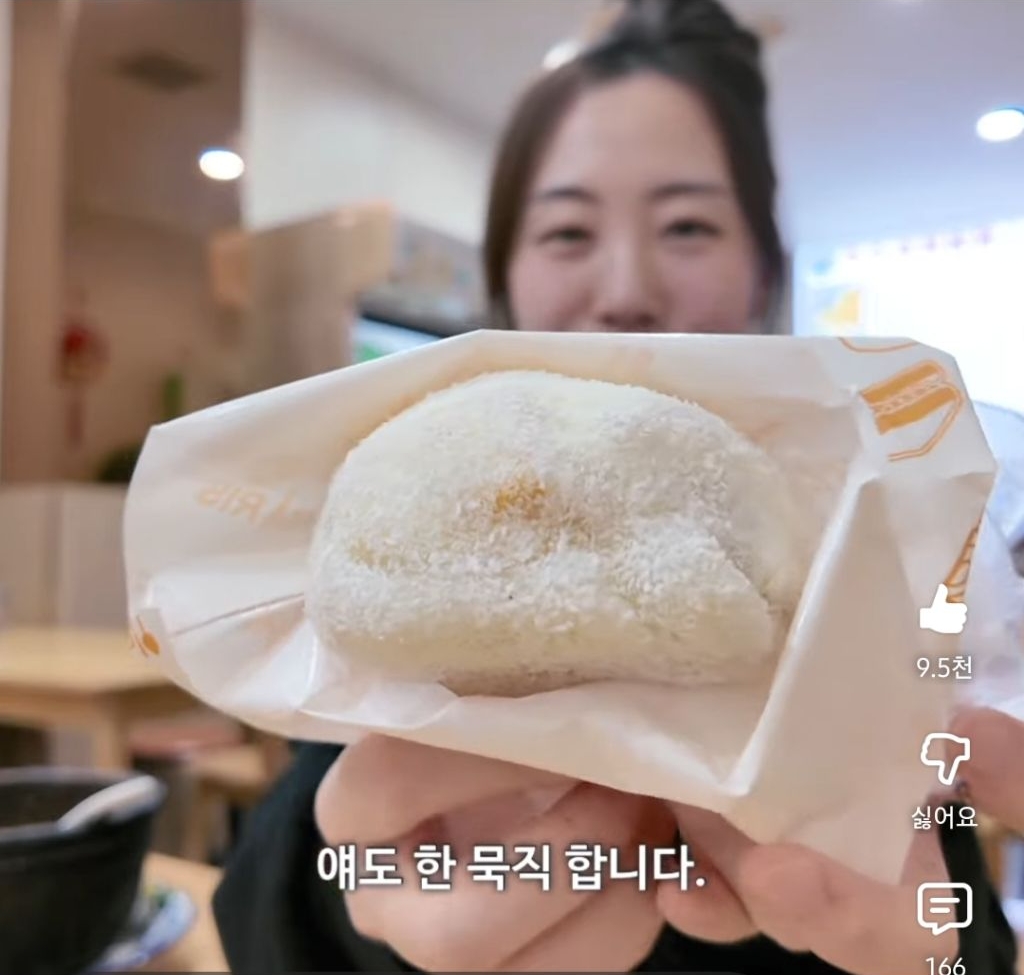
So, what actually goes into these things? Based on the viral videos that have garnered over 41,000 views on Instiz just this morning, the construction is pretty consistent. It starts with a base of soft, chewy glutinous rice cake (mochi). But instead of the traditional red bean filling we’re used to in Korea, these are being loaded with a thick, velvety layer of fruit-flavored cream cheese. I’ve seen versions with strawberry cream, plain vanilla, and even matcha. This isn’t just a thin spread, either; it’s a literal mountain of cream that acts as a cushion for the star of the show: the fruit.
The fruit isn’t just ‘sliced’—it’s often a whole half of a massive mango or a literal pile of blueberries. In one of the most popular clips, the vendor places a piece of mango so large it looks like it shouldn’t even fit in a dessert. Then comes the topping options. We’re talking chocolate chunks, extra drizzles of syrup, and a final roll in fine coconut powder. The coconut powder is a genius move because it prevents the mochi from sticking to everything while adding a subtle tropical aroma that pairs perfectly with the mango. It’s a texture explosion: chewy, creamy, juicy, and slightly gritty from the coconut. *Chef’s kiss*.
“I see this on my feed every single day and I’m actually losing my mind. How is that much mango only 2,000 won? In Seoul, that would be at least 8,000 won at a trendy cafe!”
The 2,000 Won Mystery: A Price Point We Can’t Ignore
Here is the kicker that has the entire Korean internet in a frenzy: the price. According to the source post, these massive, fruit-stuffed creations are selling for around 2,000 KRW (approx. $1.50). When I read that, I actually had to rub my eyes. If you live in Seoul, you know that buying a single high-quality mango at the grocery store can sometimes cost you 5,000 to 10,000 KRW depending on the season. The idea that you can get a fully prepared dessert with half a mango, premium cream cheese, and toppings for 2,000 won feels like a glitch in the matrix.
Naturally, this has sparked a huge debate in the comments. People are asking, “Is mango really that cheap in China?” or “How can they possibly make a profit?” It’s a valid question. In Korea, fruit is notoriously expensive, which is why Tanghulu (which uses much less fruit) usually retails for 3,000 to 4,500 KRW. The ‘Giant Fruit Mochi’ represents a level of ‘bang for your buck’ that we rarely see in the premium dessert market. It makes the trend feel accessible, even if most of us are currently just ‘eye-eating’ it through our phone screens. This price disparity is a huge part of why the content is going viral—it’s the shock factor of seeing such luxury at such a low cost.

The ‘Shorts’ Effect: Why We Can’t Stop Watching
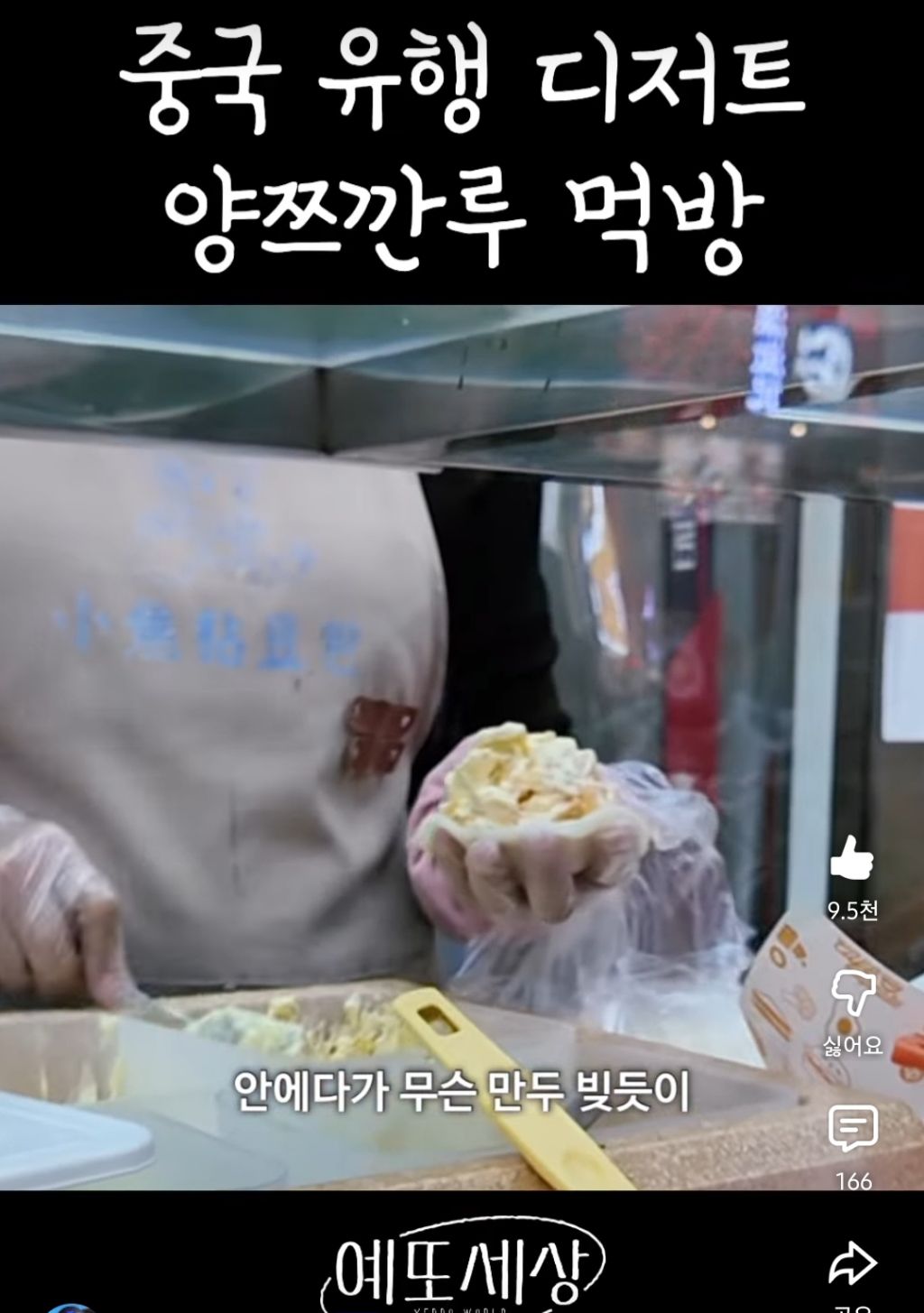
Let’s talk about the ‘shuk-shuk’ factor. In the videos, the vendors move with this incredible speed—swiping the cream, dropping the fruit, and folding the mochi in seconds. It’s incredibly satisfying to watch. The visual of the cream being smoothed out and the fruit being ‘plonked’ on top hits all the right dopamine receptors. It’s the same reason we loved watching the sugar syrup being poured over fruit skewers last year. But the mochi version feels more substantial, more ‘premium.’
I’ve noticed that these videos often feature a variety of toppings that keep the content fresh. One minute you’re watching a mango mochi being rolled in coconut, and the next, it’s a blueberry mountain topped with what looks like dark chocolate chunks. The diversity of the ‘topping options’ is a key feature mentioned by fans. It allows for a level of customization that Tanghulu lacked. You can have a different experience every time. This variety is what keeps the views climbing; you want to see what the next combination is going to be. It’s like a surprise box, but you already know it’s going to be delicious.
“The way they just pile the blueberries… it’s not even a mochi anymore, it’s a fruit mountain. I need to know the exact location of this stall immediately.”
Texture Talk: Cream Cheese Meets Coconut
If you’re a texture person like me, this dessert is basically your final boss. Traditional Korean chapssaltteok is great, but it can be a bit one-note—just sweet and chewy. By adding the cream cheese, you’re introducing a tangy, savory element that cuts through the sweetness of the fruit. It’s a much more balanced flavor profile than the pure sugar hit of Tanghulu. Then you have the coconut flakes. Trust me on this one: the coconut is the unsung hero. It adds a slight crunch and a nutty finish that ties the whole thing together.
I’ve been testing a lot of ‘home-cafe’ recipes lately, and I can tell you that getting that mochi skin thin enough to hold all that weight without tearing is an art form. The fact that these street food vendors do it so effortlessly is mind-blowing. When you bite into it, you get the soft resistance of the mochi, the immediate melt of the cream, and then the burst of fresh fruit juice. It’s a messy experience, for sure—you’re definitely going to get coconut powder on your shirt—but that’s part of the charm. It’s a ‘real’ food experience that doesn’t care about being tidy.
Will This Trend Land in Seoul?
The million-dollar question (or the 2,000 won question) is when we’ll start seeing these on every corner in Hongdae or Gangnam. We’ve already seen a few ‘premium mochi’ shops popping up in department store basements like Hyundai Seoul, but they usually focus on the smaller, more traditional sizes. The ‘Giant’ version is a different beast entirely. It requires a specific type of high-volume street food setup to keep the prices low and the fruit fresh.
However, knowing the Korean F&B industry, it’s only a matter of time. We are the masters of taking a global trend and ‘Seoul-ifying’ it. I wouldn’t be surprised if we see a version of this with local shine muskat or even Jeju hallabong very soon. The demand is clearly there. With 69 comments on the original post and thousands of shares, the ‘Giant Fruit Mochi’ is currently the most wanted dessert in the country. People are tired of the same old snacks; they want something that looks good on Instagram but also feels like a substantial treat.
“If this comes to Hongdae, the line is going to be three blocks long, I’m calling it now. I’m already saving locations for my next trip!”
My Honest Take: Is it Worth the Hype?
So, is the Giant Fruit Mochi just a passing fad, or is it a genuine upgrade to our dessert routines? Honestly, I think it has more staying power than Tanghulu. While Tanghulu was fun, the high sugar content made it a ‘once in a while’ treat for many. The fruit mochi feels a bit more like a proper snack or even a light meal replacement (I mean, look at the size of that mango!). It hits that sweet spot of being ‘healthy-ish’ because of the fresh fruit, while still feeling like a total indulgence because of the cream cheese.
If you have a chance to try one—whether you’re traveling or you find a local spot that’s started making them—go for the mango first. It’s the classic for a reason. The way the tropical sweetness of the mango interacts with the creamy base is unmatched. Just make sure you have some wet wipes handy! This is not a ‘first date’ food unless you’re both cool with having cream and coconut powder all over your faces. But for a fun outing with friends or a solo treat after a long day? It’s a 10/10 recommendation from me.
The rise of the Giant Fruit Mochi is a reminder of how much we value ‘visual volume’. We want our food to be big, bold, and beautiful. Whether it stays at that incredible 2,000 won price point remains to be seen (probably not in Korea, let’s be real), but the inspiration it’s providing to foodies everywhere is undeniable. Keep an eye on your local dessert shops, guys—the mochi revolution is just getting started!