




Walk through any office district in Seoul during lunch hour, and you’ll see a fascinating divide. On one side, the ‘High-Speed’ crowd is lining up for spicy malatang and sugar-coated tanghulu. On the other, the ‘Slow-Aging’ (저속노화) devotees are clutching containers of home-packed lentil rice and steamed greens. This isn’t just a niche health fad anymore; it’s a full-blown cultural movement spearheaded by Gen-Z and Millennials who are terrified of ‘accelerated aging.’ But as a recent viral post on Instiz—which racked up over 37,000 views in just a few days—proves, the path to eternal youth is paved with intense cravings and a very high failure rate. The post titled ‘Returning to High-Speed Aging After 3 Months’ hit a nerve because it highlights the biological tug-of-war we all face.
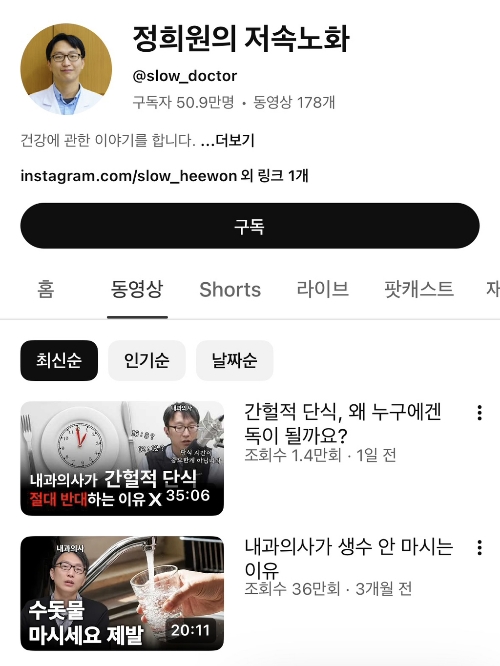
As an ingredient specialist, I’ve been tracking the ‘Slow Aging’ phenomenon since it gained mainstream traction recently. The concept, popularized largely by geriatricians like Dr. Jung Hee-won, suggests that our modern diet of refined carbohydrates and ultra-processed foods is literally fast-tracking our biological clocks. By switching to a diet rich in complex grains, fiber, and healthy fats, proponents claim we can slow down cellular decay. However, the ‘3-month wall’ is a real scientific hurdle. Why is it that after ninety days of peak health, so many of us find ourselves face-down in a bowl of white-flour noodles? Let’s break down the science of why your body fights the ‘slow’ and screams for the ‘fast.’
The Biological Blueprint of Slow Aging
From a formulation standpoint, the human body is essentially a complex chemical reactor. When we talk about ‘Slow Aging’ (저속노화), we are primarily talking about managing the insulin-glucose spikes that occur after eating. High-glycemic index (GI) foods—think white rice, white bread, and sugary snacks—cause a rapid surge in blood glucose. This triggers a massive release of insulin, which, while necessary, also activates the mTOR (mammalian target of rapamycin) pathway. In simple terms, mTOR is like a growth switch. When it’s constantly ‘on’ due to high-sugar diets, it promotes cellular growth but inhibits cellular ‘cleaning’ (autophagy). This lack of cellular maintenance is exactly what leads to what we call accelerated aging.
“I thought I was doing great. My skin was glowing, and my brain fog vanished after two months of eating lentils. But last week, I smelled a bakery and it was like my brain short-circuited. One croissant turned into a week-long bender of ramen and cake. I feel like I’ve aged three years in three days.” — Instiz User ‘Mochi-Pudding’
The ‘Slow Aging’ diet focuses on the opposite: low-GI foods like lentils, chickpeas, brown rice, and leafy greens. These ingredients provide a steady, slow release of energy. Research shows that this steady state keeps systemic inflammation low and oxidative stress at bay. For the first few months, the results are often dramatic—improved skin elasticity, better sleep, and more stable moods. But the biological cost of maintaining this state is high because our brains are evolutionarily wired to seek out high-calorie, high-glucose ‘fast’ fuels for survival. When you’ve been ‘slow’ for 90 days, your brain’s reward center begins to rebel.
The Dopamine Trap: Why We Revert to ‘High-Speed’
Why did the user in the viral post ‘return to high speed’ so quickly? The answer lies in neurochemistry. Processed foods are engineered to be hyper-palatable, hitting the ‘bliss point’ of salt, sugar, and fat. This triggers a dopamine flood that the ‘Slow Aging’ diet simply cannot match. After three months, the novelty of the diet wears off, and the psychological fatigue sets in. You aren’t just fighting hunger; you are fighting a dopamine deficit. When the Instiz user mentions their ‘high-speed return,’ they aren’t just talking about food—they are talking about the instant gratification that modern life demands.
What the research says is even more sobering. A recent study on dietary persistence found that the brain’s executive function—the part that helps you choose lentils over tteokbokki—is a finite resource. By the 90-day mark, ‘decision fatigue’ peaks. If your environment is filled with ‘high-speed’ options (which Seoul absolutely is), the friction of staying ‘slow’ becomes exhausting. The viral post’s 41 comments are filled with people admitting they ‘relapsed’ because they simply couldn’t handle the social isolation of being the only one at the office not eating fried chicken.
“The hardest part isn’t the cooking; it’s the social life. Try being the person who brings a Tupperware of brown rice to a team dinner at a K-BBQ place. You get tired of the ‘Why are you being so extra?’ looks. Eventually, you just give in to the ‘high-speed’ flow because it’s easier to belong.” — Comment from Instiz post 7834115
Ingredient Deep Dive: Lentils vs. The World
Let’s look at the cornerstone of the Korean Slow Aging movement: the ‘Slow-Aging Rice’ (저속노화밥). Usually, this is a mix of 50% lentils and 50% other grains like oats or brown rice. From a nutritional profile, lentils are a powerhouse. They contain high levels of polyphenols and fiber that significantly blunt the glucose response. However, they also contain lectins and phytates, which can cause bloating if not prepared correctly. For many Gen-Z dieters, the gastrointestinal discomfort of a sudden high-fiber shift is another reason they eventually quit.
A common misconception is that you can just ‘add’ healthy things to a bad diet to slow down aging. Science is clear on this: the presence of high-fiber lentils does not negate the damage of a high-sugar dessert eaten immediately after. The ‘High-Speed Return’ mentioned in the viral post usually involves a complete abandonment of these complex carbs in favor of ‘simple’ ones. This creates a rebound effect where the body, having been deprived of quick glucose, stores fat more aggressively and triggers even sharper insulin spikes than before the diet started.
The Reality: Can We Actually Stay ‘Slow’?
In the current landscape, the pressure to look young is higher than ever, but the convenience of ‘aging-accelerating’ food has also peaked. We have 10-minute delivery for ultra-processed meals but require 40 minutes to properly soak and cook a batch of slow-aging grains. This ‘time-poverty’ is the enemy of the movement. The viral Instiz post isn’t a failure of will; it’s a reflection of a system that makes ‘high-speed’ the default setting. When the user says they returned to high-speed in 3 months, they are describing a return to the path of least resistance.
From my perspective as a scientist, the mistake isn’t ‘falling off the wagon’—it’s the ‘all-or-nothing’ mentality. Many participants in the Slow Aging trend treat it like a temporary detox rather than a permanent metabolic shift. When they inevitably eat a ‘high-speed’ meal, they feel they’ve ‘failed’ and give up entirely. This ‘Yo-Yo Aging’ is actually worse for the skin and body than a moderate, consistent diet. The fluctuations in blood sugar can cause micro-inflammation that damages collagen fibers more than a steady, slightly higher-GI diet would.
“I’ve been on and off the slow-aging train three times this year. Every time I ‘return to high speed,’ my acne flares up immediately. It’s like my body is giving me a real-time notification that I’m messing up my hormones. But man, that first bowl of white rice feels like a hug for my soul.” — Anonymous user on X (formerly Twitter)
The Verdict: Finding the Middle Ground
So, is the Slow Aging diet a scam? Absolutely not. The science backing low-glycemic eating for longevity is some of the most robust in the field of gerontology. But the ‘High-Speed Return’ is a predictable psychological phenomenon. If you want to avoid the 3-month crash, the key isn’t perfection—it’s ‘Harm Reduction.’ Instead of a 100% lentil-only life that leads to a burnout-induced sugar binge, the research suggests an 80/20 approach is far more sustainable for biological age management.
The key ingredient to longevity isn’t just what’s on your plate; it’s the consistency of your metabolic state. A ‘High-Speed’ meal once or twice a week won’t undo months of ‘Slow’ progress, provided you don’t let it turn into a ‘High-Speed’ lifestyle. The viral Instiz post serves as a cautionary tale: don’t let the pursuit of ‘perfect’ aging lead to a complete metabolic collapse. The goal is to age slowly, not to live miserably.
The science is clear: your cells don’t need you to be a saint; they just need you to stop hitting the panic button with every meal. If you’ve found yourself ‘returning to high speed’ lately, don’t panic. Just start the next meal with a bit more fiber and a bit less sugar. Your skin—and your sanity—will thank you in the long run.
Have you tried the Slow Aging diet? Did you hit the 3-month wall too? Let’s discuss the struggle in the comments below. 🔬