




The Lie That Sparked a Digital Firestorm
Cinematically speaking, we have reached a terrifying threshold where the line between performance and pixels has completely dissolved. This week, the Korean entertainment industry was rocked by a scandal that feels like a rejected script from Black Mirror, but the consequences are very real for one of our most beloved character actresses. The AI-generated film The Meter Reader (검침원) recently went viral for its ‘spine-chillingly realistic’ depiction of actress Yeom Hye-ran. The producers initially boasted that they had secured her explicit permission to use her likeness, marketing the project as a breakthrough in ethical AI filmmaking. However, that narrative crumbled faster than a poorly written third-act twist when Yeom’s agency, Ace Factory, dropped a bombshell: they had no idea the film even existed.
Sports Donga broke the exclusive report on March 31, revealing that the ‘consent’ claimed by the production team was entirely fabricated. Within hours of the agency’s inquiry, the video—which had already amassed tens of thousands of views—was scrubbed from the internet and set to private. This isn’t just a case of technical experimentation gone wrong; it is a blatant violation of persona rights and a disturbing look at how ‘hyper-realism’ is being used as a shield for digital identity theft. As a critic, I’ve watched the industry flirt with AI for years, but this particular incident marks a crossing of the Rubicon that we cannot ignore.
“I saw the video before it was taken down and my stomach literally turned. It wasn’t just a filter; it captured her specific micro-expressions from ‘The Glory’. To find out she didn’t even know about it is beyond predatory.” — @kdramafan_99 on X (formerly Twitter)
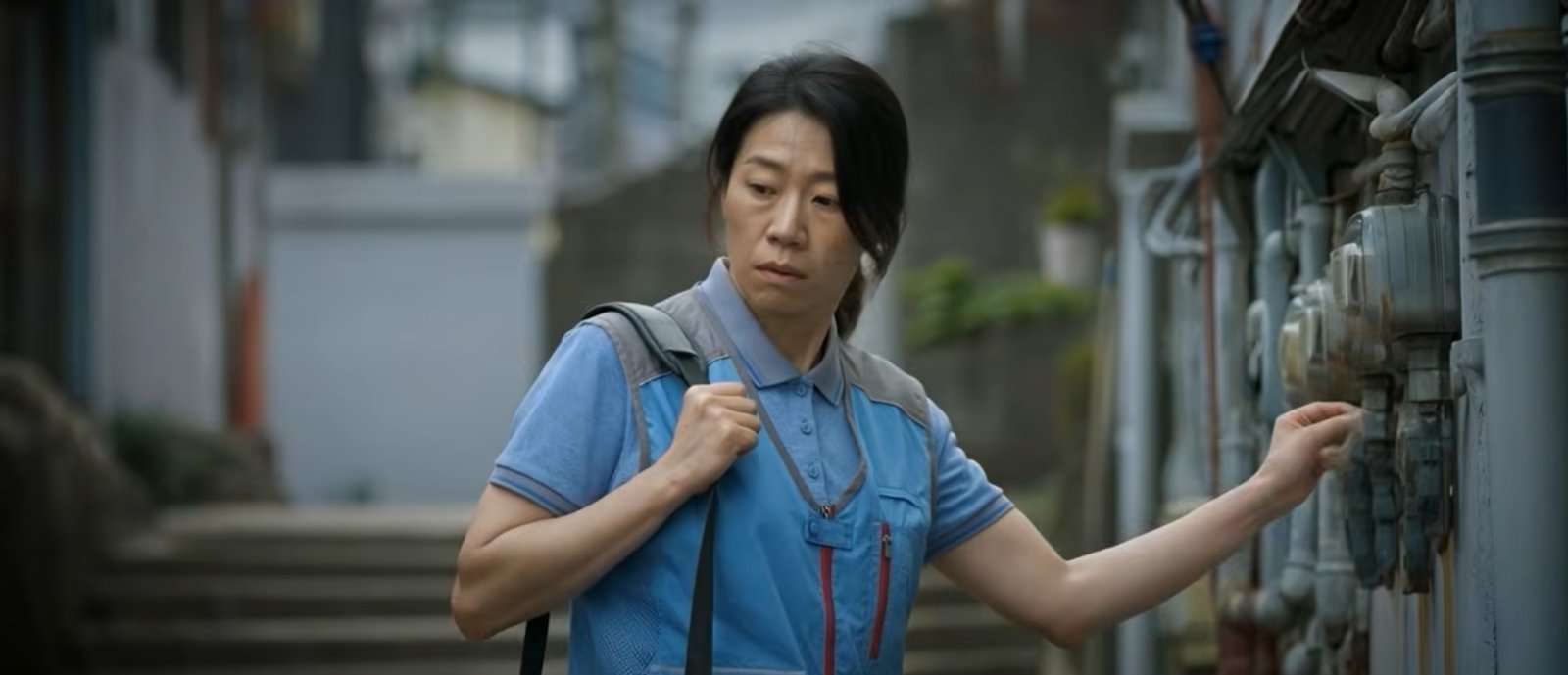
Anatomy of a Deepfake: The Chilling Realism of ‘The Meter Reader’
What makes The Meter Reader particularly insidious is the level of craftsmanship involved. Often, deepfakes suffer from the ‘uncanny valley’ effect—dead eyes, stiff mouths, or lighting that doesn’t quite match the environment. This film, however, was described by viewers as ‘horrifyingly accurate.’ It utilized Yeom Hye-ran’s distinct features: the weary set of her shoulders, the specific cadence of her voice, and that ‘everywoman’ aura that has made her the backbone of hits like Mask Girl and The Uncanny Counter. The producers didn’t just steal a face; they attempted to steal a career’s worth of built-in emotional resonance.
The film’s aesthetic was reportedly gritty and documentary-like, leaning into the ‘healing drama’ or ‘social realism’ genres where Yeom typically excels. By placing an AI version of her in a familiar setting—a meter reader navigating the mundane struggles of working-class life—the creators manipulated the audience’s existing trust in her brand. When a viewer sees Yeom Hye-ran, they expect a certain level of grounded, empathetic storytelling. Using her likeness to sell an AI tech demo under the guise of a legitimate creative collaboration is a masterclass in deceptive marketing. The director’s choice to prioritize technical ‘wow’ factor over human consent is a stain on the burgeoning AI-film movement.
Ace Factory’s Swift Strike: A Masterclass in Crisis Management
If there is a silver lining here, it is the uncompromising response from Ace Factory. In an era where agencies often hesitate to take on tech companies for fear of looking ‘anti-innovation,’ Yeom’s team moved with surgical precision. On the afternoon of March 31, they confirmed to the press that the claims of permission were ‘entirely groundless.’ They didn’t just ask for a correction; they signaled that legal action is on the table, treating this as a serious infringement of portrait rights and a case of fraudulent promotion. This isn’t just about protecting one actress; it’s about setting a precedent for the entire industry.
The speed at which the video was pulled—likely a direct result of the agency’s ‘immediate deletion request’—shows that the producers knew they were on thin ice. However, the damage to digital trust is already done. The fact that the production team felt emboldened enough to lie about consent suggests a culture of ‘ask for forgiveness, not permission’ that permeates the tech-creative crossover space. Ace Factory’s refusal to play nice is exactly what the industry needs right now. We are past the point of polite requests; we are in the territory of legal boundaries that need to be reinforced with iron.
“The fact that they lied about her permission is the scariest part. If they can do this to a veteran actress like Yeom Hye-ran, imagine what they’ll do to rookies who don’t have powerful agencies to back them up.” — Comment from TheQoo
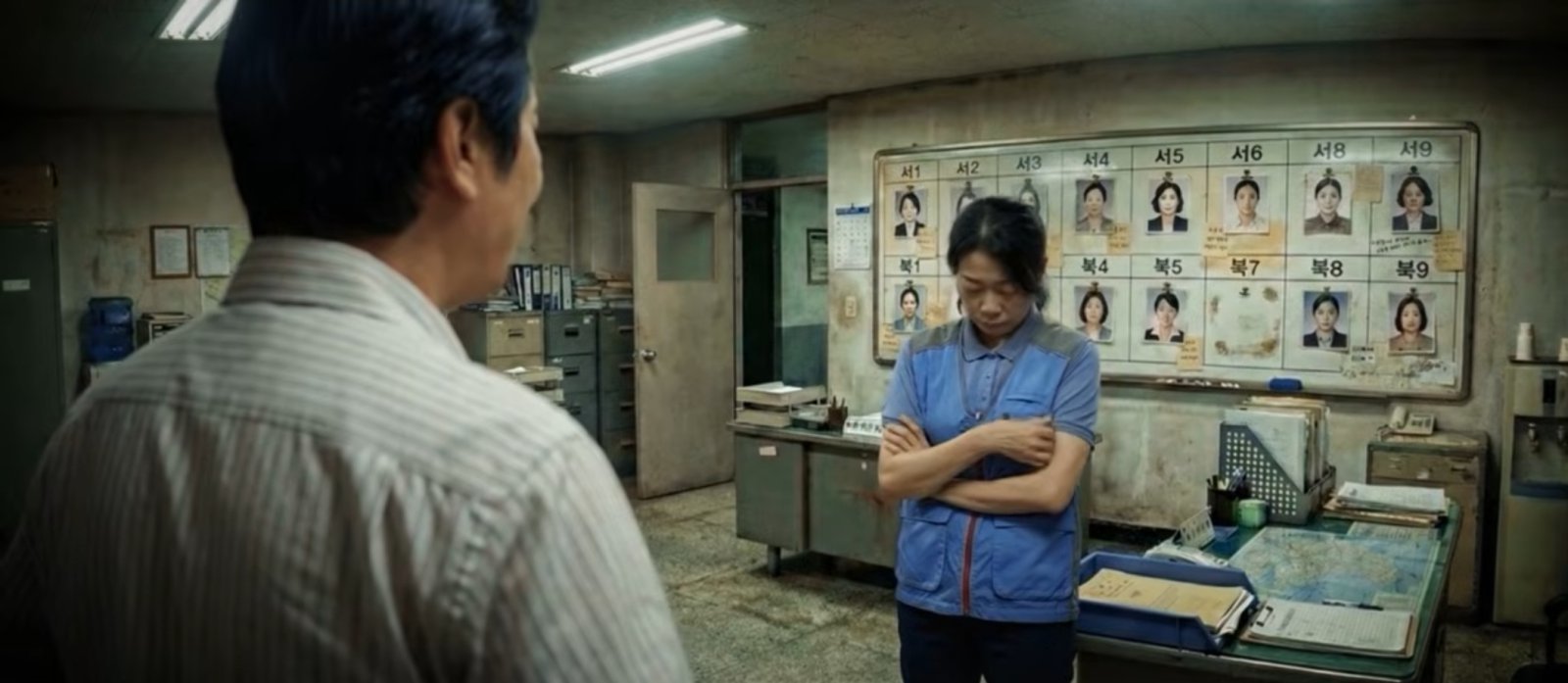
The ‘Everywoman’ Persona as Digital Capital
Why Yeom Hye-ran? To understand this choice is to understand the current value of ‘authenticity’ in K-Drama. Unlike Hallyu stars who sell fantasy and glamour, Yeom sells reality. She is the face of the mother, the auntie, the laborer, and the hidden hero. Her face carries a weight of lived experience that is incredibly difficult to synthesize from scratch. By using her likeness, the creators of The Meter Reader were trying to bypass the hardest part of filmmaking: establishing an emotional connection with the audience. They wanted the shortcut to the heart that only a veteran actor can provide.
Unpopular opinion, but I believe this exploitation is even more egregious than deepfaking a traditional ‘beauty’ icon. When you steal the likeness of a character actress, you are stealing the nuance of her craft. You are suggesting that her years of theatre training and her ability to find the soul in a script can be reduced to an algorithm. The writing falters when it relies on a stolen face to do the heavy lifting of character development. The Meter Reader didn’t want Yeom Hye-ran the actor; it wanted the ‘Yeom Hye-ran effect’—the instant credibility she brings to any frame she occupies.
The Legal Void: Why Korean Law Needs to Catch Up
As we navigate the current landscape, it’s becoming painfully clear that our legal framework is still living in the past. While South Korea has some of the world’s most stringent defamation and portrait right laws, the specific nuances of ‘AI-generated likeness for commercial use’ remain a gray area. The producers of The Meter Reader likely thought they could hide behind the ‘transformative use’ defense or claim it was a parody, but the lie about consent changes the game from a copyright issue to a fraud issue. This case will likely become the benchmark for how the Ministry of Culture, Sports and Tourism handles AI content moving forward.
We need a centralized registry or a digital watermark system that proves consent was given at the metadata level. Without it, every ‘breakthrough’ AI film will be shadowed by the suspicion of theft. The industry is currently split: half are excited about the possibilities of ‘de-aging’ or ‘digital twins’ (as seen in some recent productions), while the other half—the performers—are rightfully terrified of being replaced by their own ghosts. If the law doesn’t provide a clear ‘no-fly zone’ for an actor’s face, we risk a future where a performance is no longer an act of will, but a harvested commodity.
“If I were her, I’d sue for every won they have. Using her face to promote a lie is a total ‘makjang’ move by the production company. They really thought they could get away with it because it’s ‘AI art’?” — User ‘K-DramaLover’ on Naver Cafe
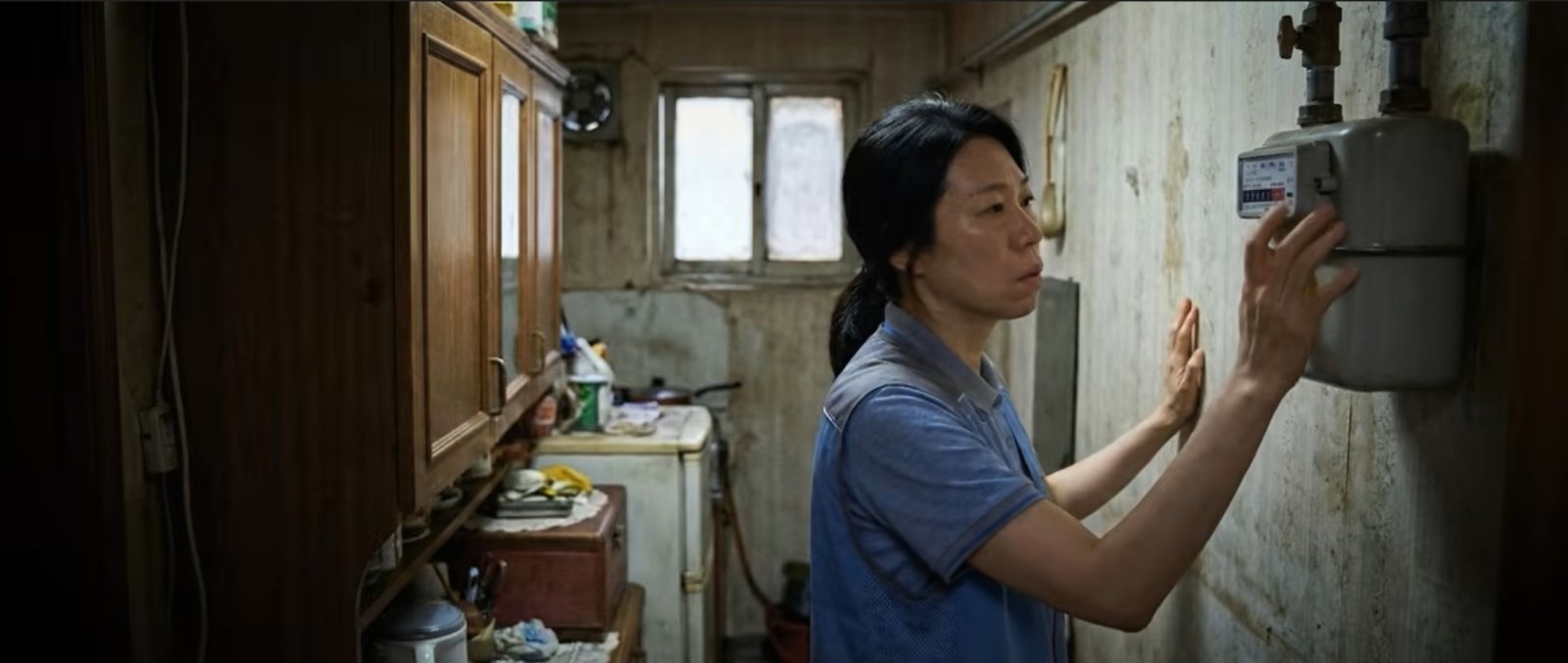
Final Verdict: A Warning Shot to the Tech-Optimists
The mise-en-scène of this entire controversy is bleak. It paints a picture of an industry so enamored with its own technical prowess that it has forgotten the human element that makes K-content global in the first place. The Meter Reader might have been a masterclass in AI rendering, but it was a failure in human ethics. The director’s choice to proceed without a signed contract—and then to lie about it—is a level of amateurism that no amount of high-end CGI can fix. Yeom Hye-ran is an artist who has earned every wrinkle and every tear she shows on screen; to have those marks of her trade digitized and distributed without her knowledge is nothing short of a violation.
What elevates this story from a simple tabloid scandal to a pivotal industry moment is the collective outrage of the fans. The 290+ comments on the original TheQoo post are overwhelmingly supportive of Yeom, proving that the audience values the human behind the screen more than the tech used to project them. We don’t want ‘perfect’ AI versions of our favorite actors; we want the actors themselves, flaws and all. As a critic, my rating for the producers’ ethics is a staggering 0/10. For Ace Factory’s defense of their talent? A solid 10/10. Let this be a warning to any creator thinking of taking a shortcut: the audience is watching, and we can tell the difference between a soul and a simulation.
Final Verdict: This is a must-watch legal battle for anyone interested in the future of entertainment. It’s not just about Yeom Hye-ran; it’s about whether the word ‘performance’ will still mean anything in the future. Watch this space, because the fallout from The Meter Reader is only just beginning.