


The Rebirth of ‘Bo-gum Magic’
Cinematically speaking, few actors manage to maintain a narrative of pure, unadulterated sincerity for over a decade without the industry’s cynical gears grinding them down. Yet, here we are, and Park Bo-gum is once again the center of a viral storm that has nothing to do with a blockbuster opening or a high-fashion campaign. Instead, the internet is obsessing over a series of small, human interactions that have resurfaced on community boards like TheQoo, reminding us why the term ‘Bo-gum Magic’ was coined in the first place. It isn’t just about his ability to command a screen; it’s about his ability to command a room with radical empathy.
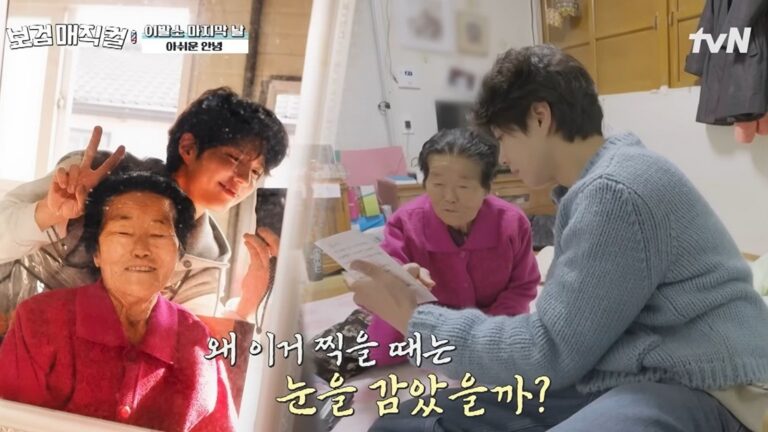
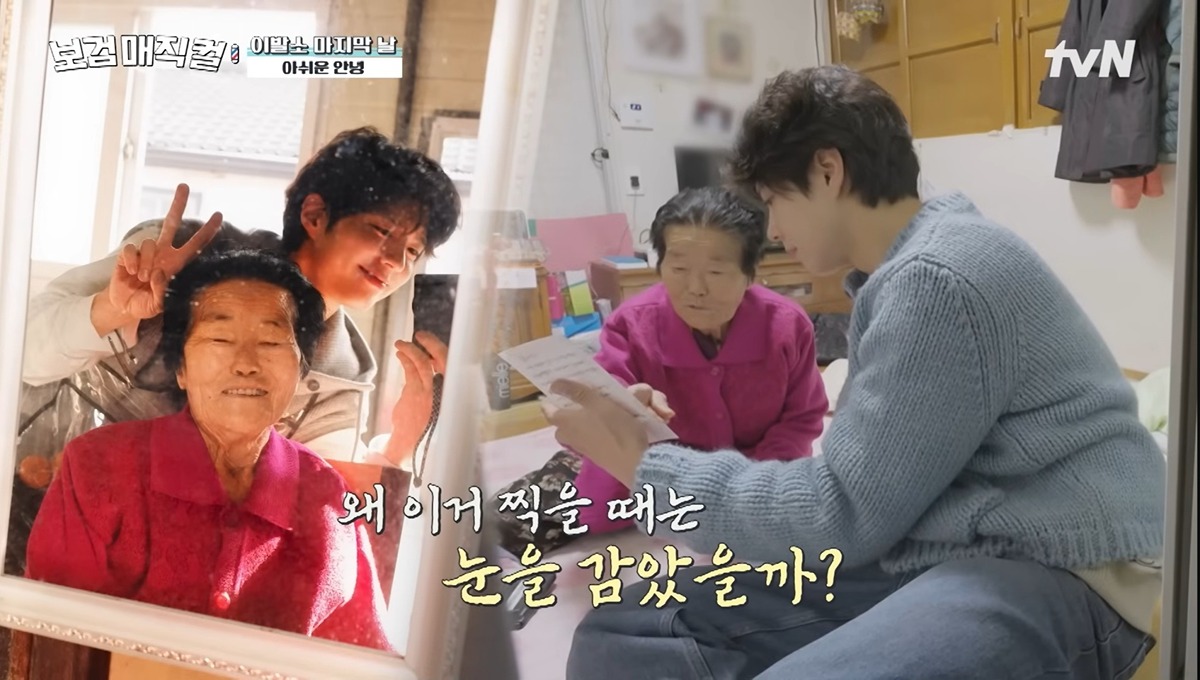
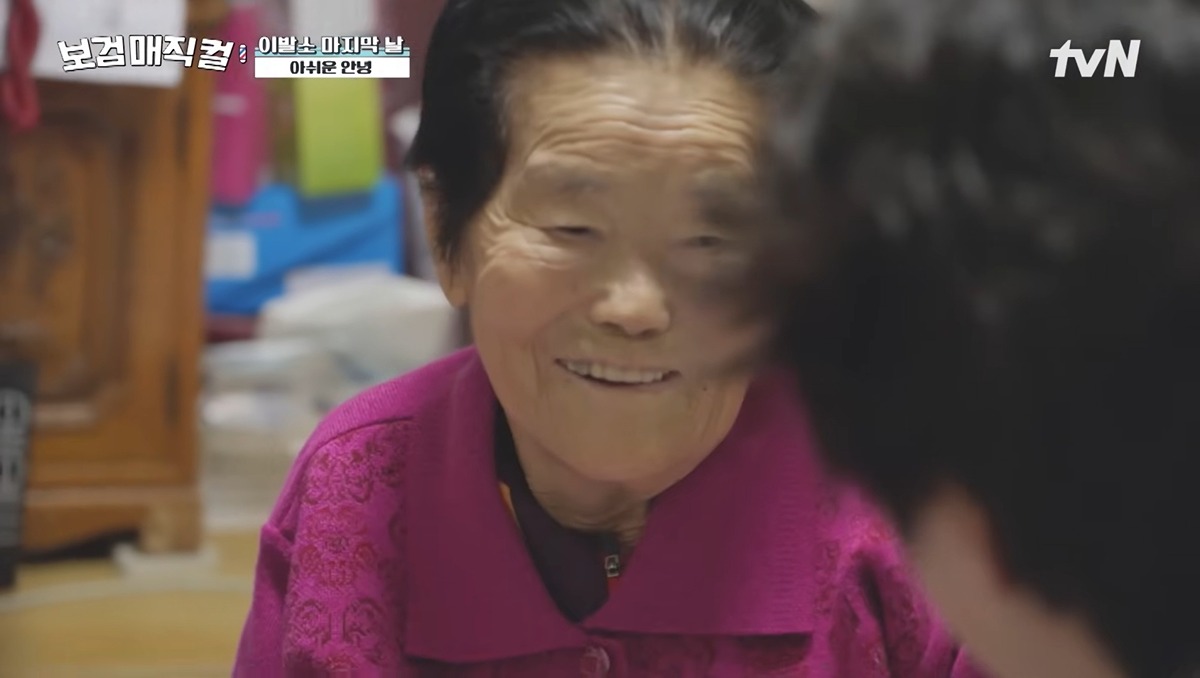
The latest clip to capture the public’s heart involves an interaction with a 90-year-old grandmother, an encounter that serves as a masterclass in what I call ‘linguistic reframing.’ While many stars rely on a polished, distant charisma, Bo-gum’s approach is tactile and emotionally grounded. When the elderly woman lamented that she looked poor in a photo because her eyes were closed, Bo-gum didn’t offer a generic platitude. He pivoted the entire narrative. ‘No, it’s because you have such a beautiful eye-smile!’ he countered. This wasn’t just kindness; it was a deliberate choice to shift the subject’s self-perception from a deficit to an asset. It’s the kind of character work we usually only see in a tightly scripted K-drama, yet it’s happening in real-time, without a director yelling ‘cut.’
“He’s not just an actor; he’s a walking therapy session. How can someone be this consistent for over a decade? The way he talks is like a warm hug for your brain.” — User ‘BogummyFan93’ on TheQoo (8,262 views)
Linguistic Reframing: Turning Insecurity into Vitality
What elevates this specific interaction is the moment the grandmother expresses her frustration with her aging process, specifically her graying hair. She used a common, albeit harsh, Korean idiom about old age and the end of life. Bo-gum’s response was nothing short of brilliant. Instead of the typical ‘Don’t say that!’ or ‘You look young,’ he offered a pseudo-scientific, wholly whimsical explanation: ‘No, it’s not that! It means all your cells are currently active and working hard to keep you healthy.’ It’s an absurdly poetic way to look at aging, turning the physical manifestation of time into a sign of internal vigor.
To drive the point home and break the tension of the grandmother’s melancholy, Bo-gum immediately began ruffling his own hair, jokingly searching for his own white hairs to prove they were in the same boat. This is where the ‘mise-en-scène’ of his personality becomes apparent. He uses his physical presence to bridge the generational gap, refusing to stand on a pedestal. By mussing his own perfectly styled hair, he effectively dismantled the ‘celebrity’ barrier, making himself a peer to a 90-year-old woman. This isn’t just ‘good manners’; it’s a sophisticated level of social intelligence that few in the limelight possess.
The Visual Language of Empathy: Beyond the Screen
As a critic, I often look at how an actor’s real-life persona influences their choice of roles. With Bo-gum, there is a clear synergy between his public ‘Green Flag’ status and the characters he gravitates toward. Whether it’s the quiet genius of Choi Taek in Reply 1988 or the struggling model with a heart of gold in Record of Youth, there is a recurring theme of ‘soft power.’ He doesn’t need to play the aggressive, dark anti-hero to be compelling. His strength lies in his vulnerability and his ability to listen—a trait that is painfully rare in both modern cinema and modern life.
Looking at the cinematography of his variety show appearances, the camera often lingers on his reactions rather than his actions. He is an active listener. In the viral clip, you can see his body language is entirely oriented toward the grandmother. He isn’t looking for the camera; he’s looking for her eyes. In a world of PPL-heavy content and manufactured ‘moments,’ this level of focus feels revolutionary. It’s why fans are still dissecting these clips years after they were originally filmed. The technical achievement here isn’t in the lighting or the editing, but in the raw, unscripted emotional resonance.
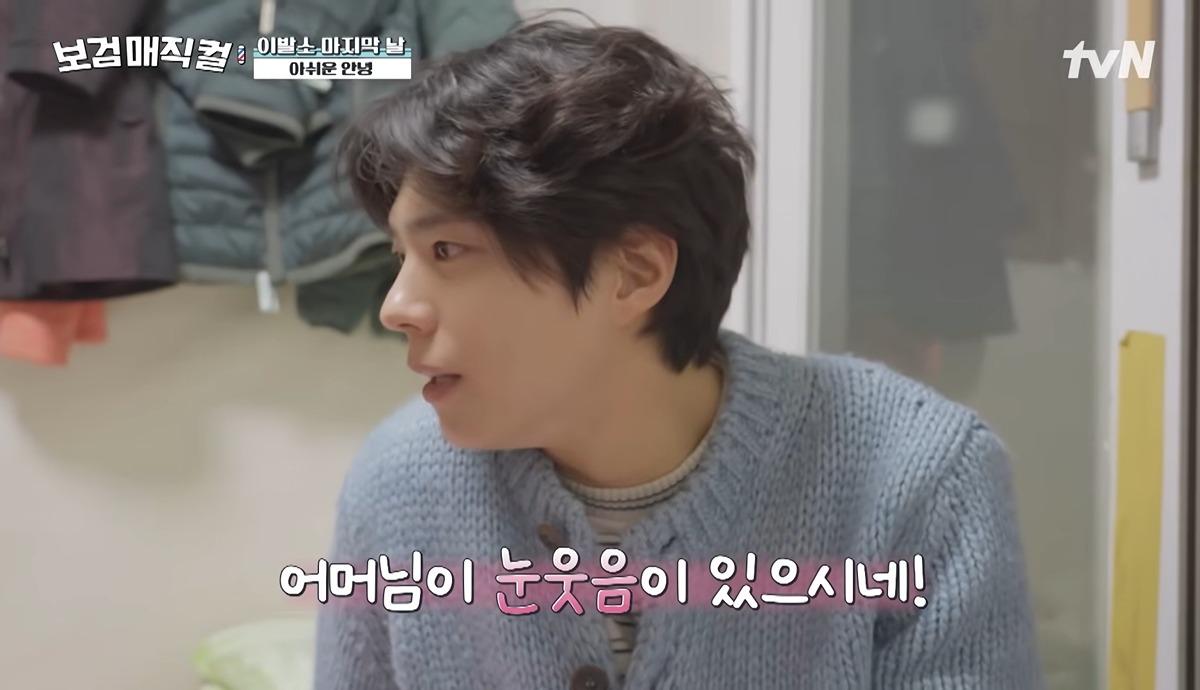
“The way he ruffles his own hair to show he has white hair too… he’s the definition of a ‘Green Flag.’ This is why he’s top-tier and stays there.” — Viral tweet from @K-DramaObsessed (2.5k Retweets)
Why the ‘Green Flag’ Hero is Dominating the Hallyu Narrative
Unpopular opinion, but the era of the ‘Bad Boy’ lead is effectively over. Recently, we’ve seen a massive shift in what the global audience craves. The ‘Toxic King’ trope that dominated the early 2010s has been replaced by a demand for emotional maturity. Park Bo-gum is the blueprint for this shift. His ‘Bo-gum Magic’ isn’t a trick; it’s a brand of masculinity that prioritizes kindness over dominance. This has massive implications for the industry. Writers are now crafting leads that are more communicative and less brooding, directly influenced by the public’s obsession with Bo-gum’s real-life temperament.
The writing in many recent dramas has started to reflect this ‘Bo-gum-esque’ dialogue—words that are ‘pretty and appropriate’ (말을 예쁘고 적절하게). When we see characters in recent hits like The Eternal Spring using the same kind of reframing techniques Bo-gum uses in real life, it’s clear that his personal brand has become a creative benchmark. He has effectively raised the bar for what we expect from our heroes, both on and off the screen. If a character isn’t at least half as empathetic as the man playing him, the audience smells the inauthenticity immediately.
The ‘TheQoo’ Verdict: Domestic Reactions to a Global Icon
The recent post on TheQoo, which garnered over 8,000 views in a matter of hours, highlights a specific cultural pride. Korean netizens often use the term ‘K-Actor Pride’ when discussing Bo-gum. It’s not just about his acting chops; it’s about the fact that he represents the best of Korean social etiquette (인성). The comments section was a sea of ‘healing’ (힐링) and ‘comfort’ (위로), with many users noting that watching him interact with the elderly felt like a form of therapy.
One commenter noted, ‘This broadcast always shows him speaking so beautifully and warmly. It’s not just for the cameras; you can see it in the way he reacts before he even thinks.’ This sentiment is echoed across various platforms. The data suggests that Bo-gum’s ‘likability’ rating is one of the highest in the industry, transcending age and gender demographics. He is the rare celebrity who is equally beloved by grandmothers in rural villages and Gen-Z fans in Seoul. This cross-generational appeal is the holy grail of marketing, but for Bo-gum, it seems to be an organic byproduct of his upbringing and personality.
“I came here to see his face, but I stayed for his words. The ‘Bo-gum Magic’ is real, and we need more of it.” — Comment from TheQoo user #45
The Critic’s Take: Is Perfection a Performance?
As a critic, I’m naturally inclined to be skeptical. We’ve seen many ‘perfect’ images crumble under the weight of scandal. However, the ‘Bo-gum Magic’ has withstood the test of time and the intense scrutiny of the Korean paparazzi for over a decade. What makes his persona believable is the consistency of the small details. It’s not just the big speeches; it’s the way he cleans up after a meal on a variety show, or the way he remembers a staff member’s name from a project three years ago. These are ‘micro-performances’ of character that are impossible to fake 24/7.
The only downside? This ‘saint-like’ image can occasionally be a double-edged sword for his career. When an actor is this closely associated with goodness, it becomes difficult for audiences to accept them in truly villainous or gritty roles. We saw some of this tension in his film The Shadow Within, where he played a morally ambiguous detective. While his performance was technically sound, the ‘Bo-gum Magic’ is so potent that the audience kept waiting for him to save a kitten or offer a warm word to the suspect. He is, in a sense, a victim of his own decency.
Final Verdict: The Masterclass Continues
What elevates this viral moment is that it reminds us of the power of words. In an era dominated by AI-generated content and increasingly polarized social media, Park Bo-gum’s ‘pretty speech’ is a reminder of the human element. He doesn’t just communicate; he connects. Whether he’s analyzing a script or talking to a grandmother about her white hair, he approaches every interaction with the same level of intellectual and emotional rigor.
Is he the greatest actor of his generation? That’s subjective. But is he the most significant ‘cultural diplomat’ for the K-drama industry’s shift toward emotional intelligence? Absolutely. The ‘Bo-gum Magic’ isn’t about sleight of hand; it’s about the transparency of a good heart. For those looking for a ‘Green Flag’ to follow, Bo-gum remains the gold standard. As we move forward, I expect to see more actors attempting to emulate his style, but there’s only one original. The magic is in the sincerity, and that, unfortunately for the imitators, cannot be taught.
Watch recommendation: If you haven’t seen his variety show appearances, start there. It’s the best way to understand the man behind the mise-en-scène. Rating: 10/10 for character, 9/10 for career trajectory.