


Cinematically speaking, the leap from a modern-day heartthrob to a Joseon-era royal is the ultimate litmus test for any Hallyu star. As we cross into the second quarter of 2026, all eyes are fixed on Byeon Woo-seok. After the seismic shift caused by his previous work, the industry and the fandom alike have been holding their breath to see if he can shed the ‘Sun-jae’ skin and inhabit something more grounded, more ancient, and significantly more demanding. His latest project, Grand Prince’s Wife (대군부인), isn’t just another drama; it’s a career-defining pivot that has already sparked a firestorm of debate regarding his acting range and suitability for the historical genre.
Drama: Grand Prince’s Wife (대군부인)
Episodes: 16 (Ongoing)
Network: tvN / Netflix
Genre: Historical Melodrama, Politics
Cast: Byeon Woo-seok, Park Ju-hyun, Kim Young-dae
Director: Lee Jung-sub
Writer: Choi Yoon-jung
Rating: 7.5/10 (Preliminary)
The Shadow of a Crown: Analyzing Yi An
In Grand Prince’s Wife, Byeon Woo-seok takes on the role of Prince Yi An. The character is a tragic figure by design—the younger brother of the former king who exists in a state of forced invisibility. He is a man who, by royal decree and political necessity, must neither shine nor be heard. This ‘shadow prince’ archetype requires a level of restrained intensity that is notoriously difficult to pull off. In the early episodes, the mise-en-scène heavily emphasizes this isolation. The director frequently places Yi An in the periphery of the frame, often partially obscured by architectural elements of the palace, symbolizing his entrapment.
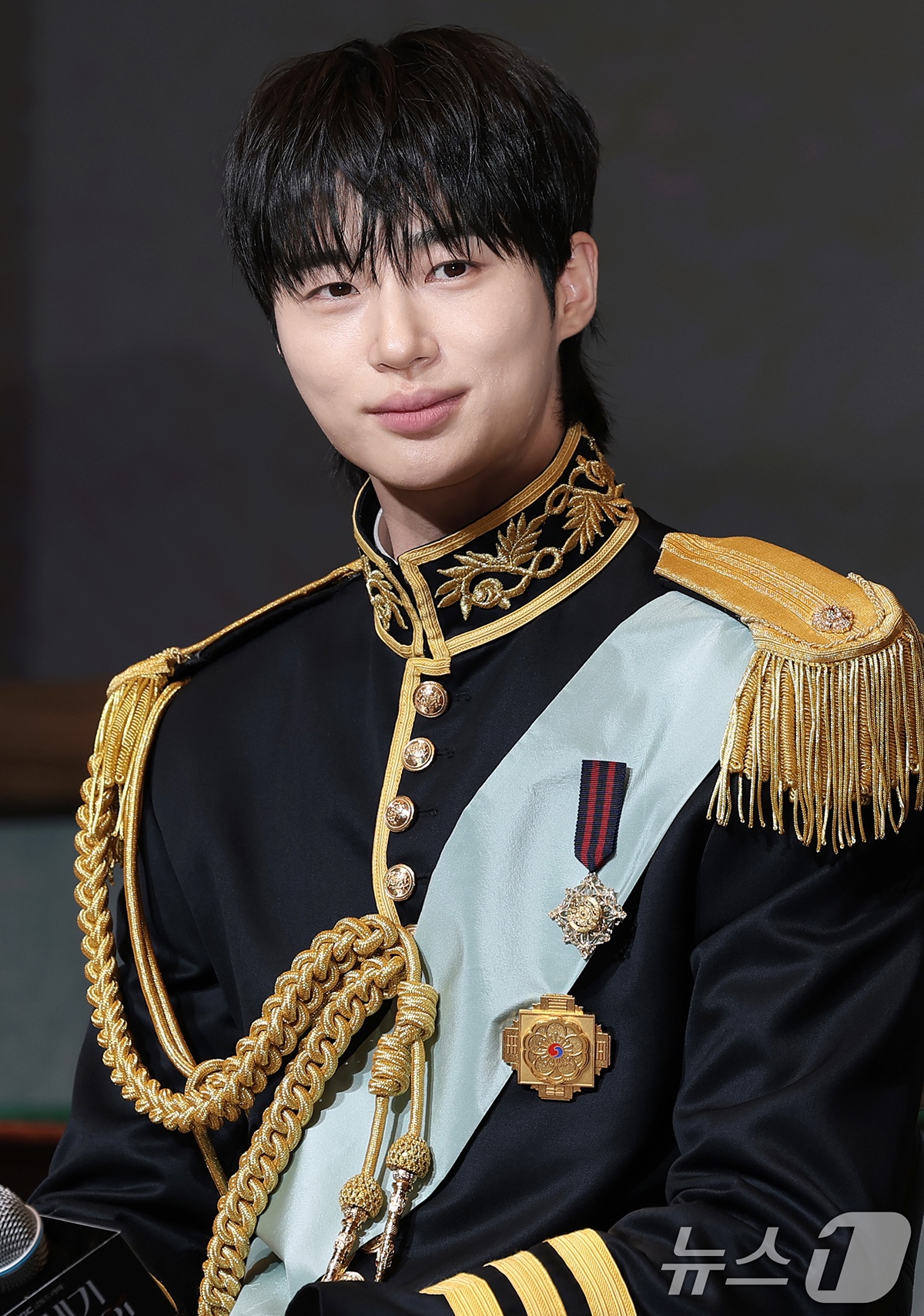
The writing here is dense. Writer Choi Yoon-jung has traded the breezy dialogue of modern rom-coms for the heavy, weighted prose of the Joseon court. For an actor who built his massive following on emotional transparency and youthful energy, this shift to a character who must suppress every instinct is a jarring transition. During the recent press conference on April 6, 2026, Byeon addressed the mounting concerns regarding his performance. He admitted that the pressure of following up a global hit with a sageuk (historical drama) was immense, noting that he spent countless hours in discussion with the director to find Yi An’s specific voice.
“The visuals are undeniable, but I’m worried the ‘Sun-jae’ vibe is still too strong. Sageuk requires a certain weight in the voice that feels a bit thin here. I hope he finds his rhythm by the mid-point because the story itself is top-tier.” — User ‘DramaLover99’ on TheQoo
Addressing the ‘Acting Controversy’ Head-On
Unpopular opinion, but the ‘acting controversy’ surrounding Byeon Woo-seok feels premature. Critics have pointed toward his tone—the specific cadence required for historical dramas—as a weak point. In the first four episodes, his delivery occasionally lacked the resonant gravity we expect from a Joseon royal. However, what he lacks in traditional sageuk vocalization, he compensates for with facial acting. There is a specific scene in episode 3 where Yi An watches the coronation of his brother; the camera holds on Byeon’s face for a full thirty seconds. The micro-expressions—a slight twitch of the jaw, the softening of the eyes—tell a story of grief and relief that words would have spoiled.
Byeon’s response to these critiques has been remarkably humble. Rather than dismissing the feedback, he acknowledged that he is still ‘learning the language’ of the era. He mentioned focusing entirely on Yi An’s internal narrative—the ‘why’ behind his silence. This approach is evident in the way he carries himself. Gone is the lanky, easy-going gait of his previous characters. As Yi An, his posture is rigid, almost painful to watch, reflecting the physical burden of his station. It’s a masterclass in physical characterization, even if the vocal delivery is still catching up.
The production value of Grand Prince’s Wife certainly helps bridge the gap. The cinematography utilizes a palette of deep indigos and muted golds, a departure from the vibrant, saturated colors of ‘healing’ dramas. This choice elevates the stakes. When Yi An stands in the courtyard, the lighting is often harsh, casting long shadows that emphasize his loneliness. The director’s choice to use long takes during the more emotional palace confrontations forces the actors to maintain their character’s tension without the safety net of quick cuts. It’s high-wire acting, and Byeon is clearly feeling the heat.
“He said he’s focusing on the narrative and talking to the director constantly. That’s the mark of an actor who cares more about the craft than just looking pretty in a hanbok. Give him time to settle into the role!” — Comment from Naver News Entertainment section
The Visual Language of ‘Not Shining’
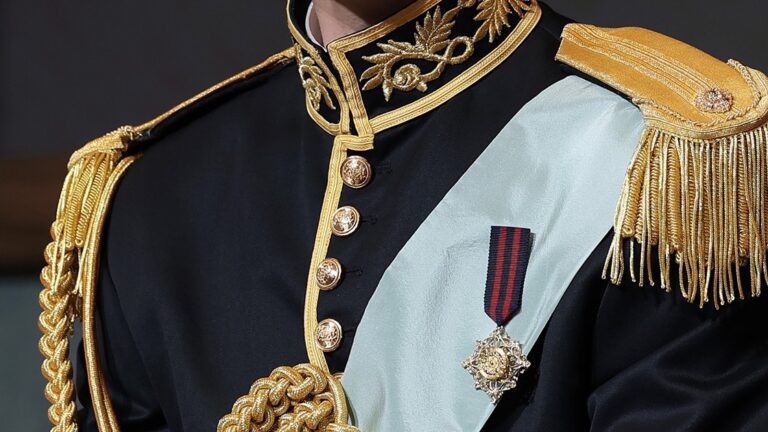
What elevates this drama beyond a standard palace intrigue is the central metaphor of light and shadow. Yi An is told he must not ‘shine.’ In a visual medium like television, making a lead actor ‘not shine’ is a paradoxical task. The costume design plays a massive role here. While the King and the Queen Dowager are draped in intricate embroideries and bold crimsons, Yi An’s robes are often simple, in shades of charcoal and deep navy. He blends into the background by design. Yet, Byeon Woo-seok’s natural screen presence makes this invisibility feel like a choice the character is making, rather than a failure of the production.
The chemistry between Byeon and Park Ju-hyun is another point of contention. Unlike the explosive, immediate spark of his previous pairing, this relationship is a slow burn—almost glacial. It’s a tactical choice by the writers. Their interactions are governed by strict social protocols, meaning their ‘romance’ is told through stolen glances and what is left unsaid. For viewers used to instant gratification, this pacing might feel sluggish. However, as a critic, I find the restraint refreshing. It forces the audience to pay attention to the subtext, something that is often lost in modern K-dramas.
Analyzing the performance of the supporting cast is also essential. Kim Young-dae, playing the King, provides a sharp contrast to Byeon’s understated Yi An. Kim is all fire and paranoia, while Byeon is ice and contemplation. This duality is the engine that drives the plot. When they share the screen, the difference in their acting styles is palpable. Some might call it a mismatch, but I argue it’s a deliberate character choice. The King is the sun—blinding and destructive—while Yi An is the moon, reflecting a light he isn’t allowed to claim as his own.
“The 13,000 views on the latest clip show that the interest hasn’t died down. People are watching just to see if he’ll trip up, but honestly? He’s holding his own against the veteran actors better than I expected.” — Fan reaction on X (formerly Twitter)
Technical Breakdown: Is it Worth the Watch?
From a technical standpoint, Grand Prince’s Wife is a triumph. The OST breakdown reveals a heavy reliance on traditional Korean instruments—the haegeum and gayageum—interspersed with modern orchestral swells. This blend mirrors the drama’s attempt to modernize the sageuk genre while respecting its roots. The music drops during the emotional beats are perfectly timed, heightening the sense of impending doom that follows Yi An. It’s the kind of production where you can see every cent of the budget on screen, from the authentic filming locations to the high-quality CGI used for the sprawling shots of Hanyang.
However, the writing falters when it leans too heavily into the secondary political plots. There are moments where the exposition dumps regarding land reforms and tax laws feel like a distraction from the central character study of Yi An. While historical accuracy is appreciated, the pacing suffers during these segments. The director manages to save these scenes with dynamic camera movements, but the script could benefit from a tighter focus on the emotional stakes rather than the bureaucratic ones.
| Category | Rating | Notes |
|---|---|---|
| Writing | ⭐⭐⭐☆☆ | Strong character work, sluggish politics |
| Direction | ⭐⭐⭐⭐⭐ | Brilliant use of lighting and space |
| Acting | ⭐⭐⭐☆☆ | Byeon is evolving; Kim Young-dae is a standout |
| Production | ⭐⭐⭐⭐⭐ | Top-tier costumes and sets |
| OST | ⭐⭐⭐⭐☆ | Atmospheric and haunting |
The Final Verdict: A Maturing Star
Ultimately, Grand Prince’s Wife is a necessary step for Byeon Woo-seok. It would have been easy for him to take another high-school romance or a slick modern thriller. By choosing a role that exposes his weaknesses, he is signaling his intention to be more than just a ‘face’ of the Hallyu wave. The 266 comments on the latest forum post reflect a divided audience, but that division is a sign of engagement. People care enough to criticize, and that’s a powerful position to be in.
The drama is a ‘must-watch’ for those who appreciate the technical craft of filmmaking and for fans of the leads who are willing to be patient. It is not a ‘healing’ drama. It is a slow, methodical, and often painful look at the cost of power and the weight of a name. Byeon Woo-seok may not have mastered the sageuk tongue just yet, but his commitment to the silence of Yi An is a performance worth following. As the series progresses into its second half, the real test will be whether he can transition from the ‘shadow’ to the ‘light’ without losing the nuance he has worked so hard to build.
Watch this for the cinematography and the sheer ambition of the project. If you’re looking for the bubbly energy of his previous work, you might find yourself disappointed. But if you want to see an actor fighting for his place in the industry’s elite circle, Grand Prince’s Wife is the most interesting thing on television right now. Rating: 7.5/10 with room to grow.
“I actually like that he’s being criticized. It means people are taking him seriously as an actor now, not just a model-turned-actor. This role is so different from anything he’s done, I’m just enjoying the journey.” — User ‘SageukFanatic’ on DC Inside