



The ‘Accident’ Heard ‘Round the World
Okay, real talk—I’ve been tracking K-beauty trends for years, but what’s happening in the US right now is on a completely different level. You might have seen the viral post circulating on Instiz today with nearly 30,000 views. The title says it all: “The current K-beauty situation that caused a big accident in the US.” Now, in Korean slang, a “big accident” (대형사고) isn’t necessarily a bad thing. It means something so massive, so disruptive, and so successful that it’s practically broken the internet. And trust me, as someone who spends way too much time scrolling through Olive Young rankings and global sales charts, this is the real deal.
We aren’t just talking about a few influencers getting a PR package. We are talking about a full-scale takeover. Currently, a specific K-beauty wave has hit the American market so hard that legacy Western brands are scrambling to keep up. Whether it’s the inclusive shade ranges of our favorite cushions or the glass-skin serums that actually deliver on their promises, the US audience has officially moved past the “curiosity” phase and into full-blown obsession. I’ve been watching the comments on these posts, and the sentiment is clear: K-beauty is no longer a niche category in the back of the store; it’s the main event.

“I literally waited three weeks for this to restock on Amazon, and I’m not even mad. My skin has never looked this glass-like. It’s like the Korean glow-up is finally accessible to everyone.” — @glowup_sarah on TikTok
Why This is the Year of the K-Beauty Takeover
You might be wondering why this is happening *now*. Haven’t we been talking about K-beauty for a decade? Yes, but this year feels different. The “accident” the viral post refers to is the sheer scale of the logistics. We are seeing Korean products top the Amazon Beauty & Personal Care charts not just for a day, but for months on end. The supply chains are struggling to keep up with the demand from New York to Los Angeles. It’s a beautiful kind of chaos. The American consumer has become much more ingredient-conscious, and they’ve realized that Korean formulations often offer higher quality at a fraction of the price of luxury Western brands.
Another factor is the cultural shift. With K-pop and K-dramas being mainstream staples for years now, the aesthetic associated with them—that healthy, hydrated, “lit-from-within” look—is the gold standard. People don’t want heavy, cakey foundations anymore. They want the skin-first approach that we’ve been preaching at SYNC SEOUL for ages. When a product like the TirTir Mask Fit Red Cushion or the Anua Heartleaf Toner hits the US market and actually works for diverse skin types and climates, it creates a domino effect. One viral video leads to a sell-out, which leads to a “big accident” in the warehouse because they can’t ship units fast enough.
The Secret Sauce: What’s Actually Inside?
Let’s get into the nitty-gritty because you know I love a good ingredient deep dive. The products causing these “accidents” aren’t just pretty packaging. They are packed with ingredients that were once considered “exotic” in the West but are now household names. I’m talking about Centella Asiatica, Snail Mucin, and Mugwort. These aren’t just buzzwords; they are functional ingredients that soothe the skin barrier, which is exactly what the over-exfoliated American skin needs right now.
I’ve noticed that the most successful products in this current wave are those that focus on barrier repair. After years of using harsh retinols and acids, US consumers are flocking to Korean essences and ampoules to save their skin. The “accident” here is that these products are so effective that people are ditching their 10-step routines for a more streamlined, high-impact K-beauty routine. It’s about working smarter, not harder. When you see a product with 70% heartleaf extract topping the charts, you know the market has matured. They aren’t looking for miracles; they are looking for soothing, consistent results.

“Forget the high-end brands I used to buy. This $20 cushion does more for my redness than my $70 foundation ever did. The coverage is insane but it feels like nothing.” — Reddit user u/kbeauty_stan
Mina’s Honest Take: 14 Days of Testing
I wouldn’t be your trusted unnie if I didn’t test these viral sensations myself. I took the most talked-about product from this “US accident” list—the one everyone says is selling every 10 seconds—and put it to the test for two full weeks. My skin type is combination, leaning oily in the T-zone but prone to dehydration patches (the struggle is real, I know). I wanted to see if the hype was just clever marketing or if there was substance behind the TikTok filters.
Day one was all about the texture. Korean products have this way of feeling like water but hydrating like an oil. By day seven, I noticed a significant reduction in the redness around my nose. But the real test was day fourteen. I went to a dinner party, and three different people asked me what foundation I was wearing. The kicker? I wasn’t wearing foundation—just the viral sun-serum and a bit of concealer. That’s when I knew. The “accident” isn’t a fluke. These products are engineered for a level of glow that Western formulas are still trying to replicate. If you have sensitive skin like me, you’ll appreciate the lack of artificial fragrance in these new-gen exports.
The ‘Sold Out’ Phenomenon: By the Numbers
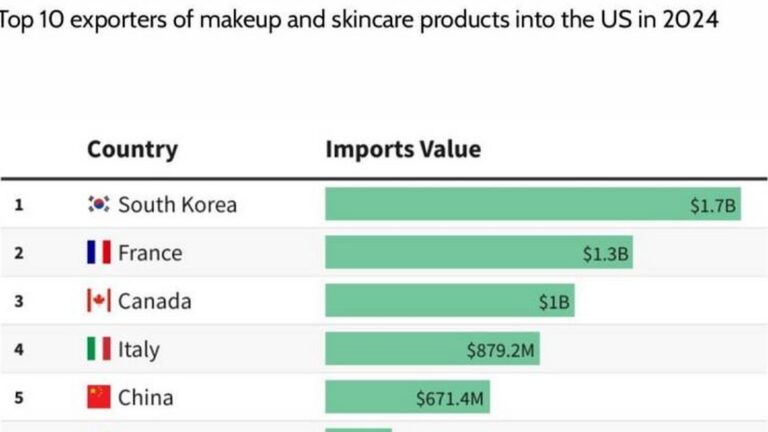
Let’s look at the data, because the numbers don’t lie. The Instiz post highlighted how certain brands have seen a 300% increase in US sales compared to last year. Previously, we thought K-beauty had peaked, but the current momentum is proving us wrong. Some of these brands are reporting that 60% of their total global revenue is now coming from North America. That is a staggering statistic for companies that, just a few years ago, were only available in small shops in Koreatown.
This surge has led to what I call the “Olive Young Scramble.” American tourists are now planning their entire Seoul itineraries around a trip to the Myeongdong Olive Young flagship. They aren’t just buying one or two items; they are clearing shelves to bring back “stockpiles” for their friends. This cross-continental demand is what’s causing the supply chain “accidents.” When a product goes viral in New York at 9 PM, it’s sold out in Seoul by 10 AM the next day. It’s a globalized beauty economy, and Korea is currently the bank.
“The shade range is what finally did it for me. Seeing a K-beauty brand actually care about deep skin tones is the ‘accident’ we’ve been waiting for. I can finally wear a cushion!” — Instagram comment on a viral reel
Don’t Get Scammed: How to Spot the Real Deal
With great success comes the inevitable wave of fakes. One of the downsides of this “big accident” in the US is the rise of counterfeit products on third-party marketplaces. I’ve seen so many heartbreaking comments from girls who bought a “viral serum” for half the price, only to end up with a breakout or a product that smells like plastic. Trust me on this one: if the price looks too good to be true, it probably is. Always check the seller’s credentials.
To avoid the fakes, I always recommend sticking to official retailers. Whether it’s the brand’s own website, verified Amazon storefronts, or global K-beauty hubs like YesStyle or Olive Young Global. Look for the holographic authenticity stickers that many Korean brands are now using to protect their customers. It’s worth paying the extra $5 for shipping to ensure you’re putting actual skin-loving ingredients on your face, not some mystery chemical mix. Your skin barrier will thank you later.
The Verdict: Is It Worth Your Hard-Earned Cash?
So, is the K-beauty “accident” taking over America worth the hype? In a word: Absolutely. But with a caveat—don’t buy something just because it’s viral. Even the best product in the world won’t work if it’s not right for your skin type. If you have extremely dry skin, that viral matte cushion might not be your best friend, no matter how many likes the TikTok video has. Always read the ingredient list and look for reviews from people with your specific skin concerns.
That being said, the innovation coming out of Korea right now is unmatched. We are seeing sunscreens that feel like moisturizers, lip tints that last through a three-course meal, and cleansing oils that melt away waterproof mascara without stinging your eyes. The “accident” in the US is just the beginning. As these brands continue to expand their shade ranges and adapt to different climates, I expect K-beauty to become the default choice for anyone who values healthy, glowing skin. Stay tuned, because I’ll be here to filter through the noise and tell you what’s actually worth your coins. *Chef’s kiss* to the K-beauty revolution!
