




The ‘Coco’ War: Why Chanel is Coming for K-Beauty
Okay, real talk—you know I love a good underdog story, but the news that recently dropped has the entire K-beauty industry buzzing, and not in a ‘new holy grail serum’ kind of way. We’re talking about a full-on legal showdown between the legendary house of Chanel and a rising Korean SME called Coco de Mer. If you’ve been following the scene for a while, you know that K-beauty isn’t just a niche trend anymore; it’s a global powerhouse. But with great power comes great… legal headaches? It seems like the bigger our favorite brands get, the more they find themselves in the crosshairs of legacy luxury giants. This isn’t just about a name; it’s about who gets to own a piece of the global beauty market as we head further into the current era.
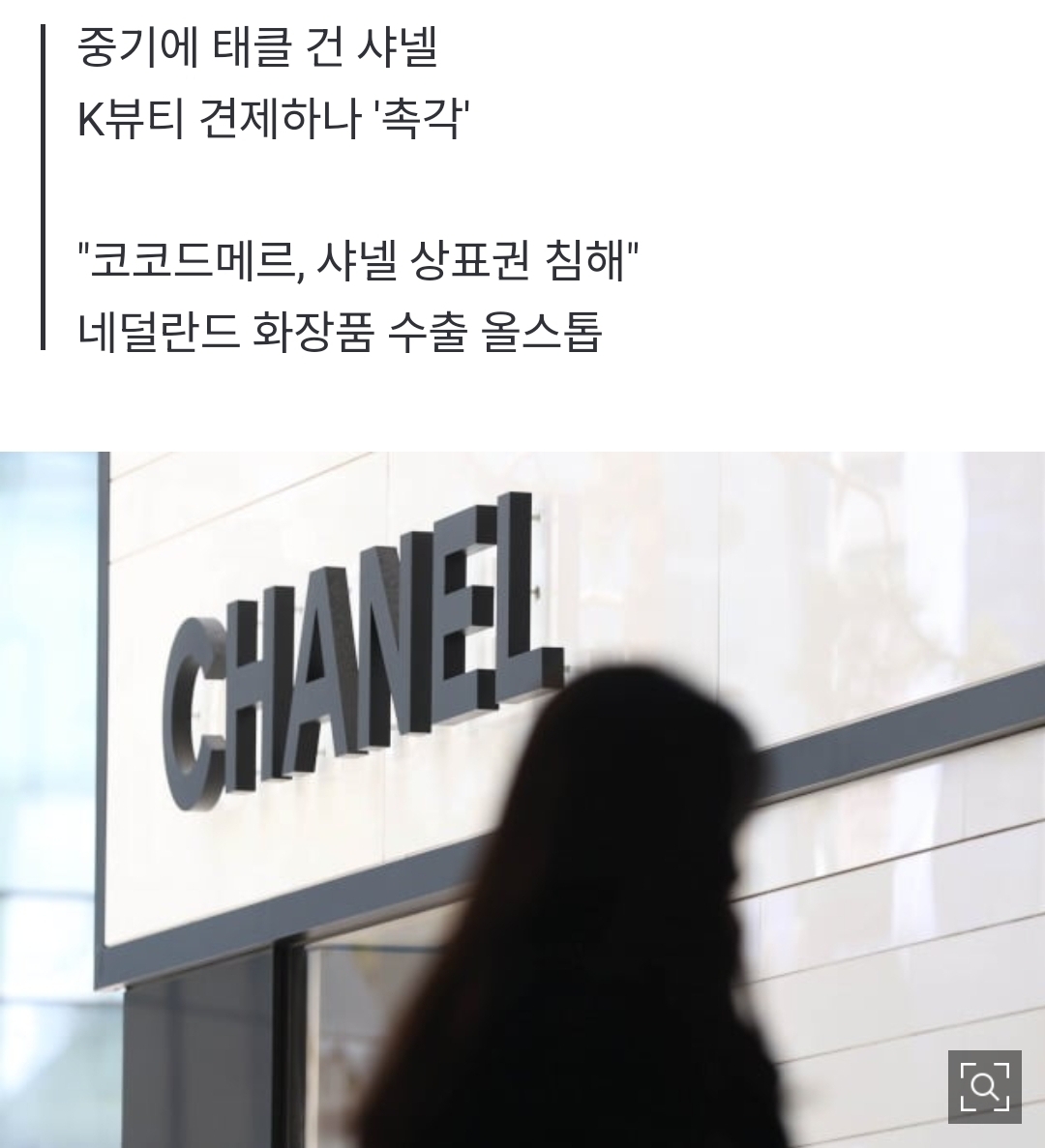
The drama started when Coco de Mer, a Korean company known for its innovative bubble packs and mists, received a formal warning from Banning, a heavyweight Dutch law firm representing Chanel. The issue? Chanel claims that Coco de Mer is infringing on their ‘COCO’ trademark in the Benelux region (Belgium, Netherlands, and Luxembourg). According to Chanel, the ‘COCO’ in the Korean brand’s name is visually and conceptually identical to their own iconic ‘COCO’ line. They aren’t just sending a polite ‘please change it’ letter, either. They are threatening a full-scale lawsuit if the brand doesn’t back down. It’s a classic David vs. Goliath situation that has me wondering: is Chanel actually worried about confusion, or are they just trying to gatekeep the European market from the K-beauty wave?
“Honestly, if I see ‘COCO’ on a beauty product, I think of the coconut fruit or natural ingredients first, not a $5,000 quilted bag. Chanel needs to chill and let these small brands breathe.” — @KBeautyLover_99 on social media.
Breaking Down the ‘Coco de Mer’ Defense
I’ve been looking into Coco de Mer for a few months now because their texture-focused products have been trending on my feed. When I spoke to industry insiders about this, the consensus was that the brand name isn’t just some random grab for luxury clout. CEO Kim Yu-min has been very vocal about the fact that ‘Coco de Mer’ is actually the common name for a rare species of palm tree native to the Seychelles. The fruit of this tree is literally called the ‘sea coconut.’ In the world of botanical skincare, it’s a specific, high-end ingredient reference. Kim pointed out that they’ve already successfully registered their trademark in major markets like the US, Japan, and Taiwan without any issues. So why is Chanel making a move now, just as the brand is trying to expand into Europe?
The timing is what really gets me. Coco de Mer had just finished producing high-budget marketing videos and was ready to ship its first major batches to European distributors when this warning hit. Now, everything is in limbo. Imagine being a small business owner, putting your heart and soul into a launch, only to have one of the world’s most powerful brands tell you that you can’t use your own name because they ‘own’ a four-letter word. It’s frustrating, and it highlights the massive hurdles K-beauty SMEs face when they try to go global. They don’t just have to make great products; they have to survive the legal minefields laid by brands that have been around for a century.
From a curator’s perspective, I’ve seen the Coco de Mer products in person, and let me tell you—they look nothing like Chanel. Chanel is all about that monochrome, minimalist, high-fashion aesthetic. Coco de Mer uses earthy tones, botanical illustrations, and focuses heavily on the ‘natural’ aspect of their ingredients. If a consumer walks into a store and confuses a $20 Korean bubble pack with a $150 Chanel cream just because the word ‘Coco’ is on it, we might have bigger problems with consumer literacy than we thought. But in the eyes of international trademark law, ‘conceptual similarity’ is a powerful weapon, and Chanel knows exactly how to use it.
Not the First Time: Remembering the Cocodor Clash
If this feels like deja vu, that’s because it is. Previously, Chanel went after another Korean brand, Cocodor—you know, the ones who make those amazing reed diffusers you see everywhere in Olive Young. Chanel tried the exact same tactic, claiming ‘Cocodor’ was too close to ‘COCO.’ But guess what? They lost. The Korean courts ruled that Cocodor had its own distinct identity and that there was no significant risk of consumers confusing a home fragrance brand with a luxury fashion house. It was a huge win for K-beauty at the time, and it gave a lot of us hope that common sense would prevail in these trademark disputes.
However, the legal landscape in Europe is a completely different beast. Experts are warning that while Korean courts might be more protective of local SMEs, European courts—especially in regions like Benelux where Chanel has deep roots—might be more inclined to side with the luxury giant. This is a terrifying prospect for the hundreds of K-beauty brands currently eyeing the European market. If Chanel succeeds here, what stops other luxury brands from claiming ownership over common words or syllables? It sets a dangerous precedent that could stifle innovation and prevent smaller, diverse brands from reaching a global audience.
“This just proves K-beauty is dominating. Why would a giant like Chanel care about a small mist brand unless they were scared of the competition? They see the sales numbers and they’re panicking.” — User on TheQoo (Translated)
Is K-Beauty Getting Too Big for Its Boots?
Let’s look at the bigger picture. K-beauty exports have reached an all-time high. We aren’t just talking about sheet masks anymore; we’re talking about sophisticated biotech skincare that is outperforming traditional Western brands in terms of efficacy and price. When you walk into a major retailer in London, Paris, or Amsterdam, the K-beauty section is often the busiest part of the store. This is a direct threat to the market share of legacy brands like Chanel, Dior, and Estée Lauder. They’ve spent decades building an image of exclusivity and ‘prestige,’ and here comes a Korean brand offering better results for a fraction of the cost.
I honestly think these lawsuits are a form of ‘soft protectionism.’ If you can’t beat them on the shelves, beat them in the courtroom. By tying up small companies like Coco de Mer in expensive, years-long legal battles, legacy brands can effectively drain their resources and delay their market entry. It’s a ruthless business tactic, but it’s one that we’re going to see more of as K-beauty continues its global takeover. As a curator who wants to see these innovative brands succeed, it breaks my heart to see them hit a wall like this just as they’re about to break through.
The ‘Benelux’ Factor: Why the Location Matters
Why Benelux? Why not start the fight in the US or Japan? Well, the Benelux Office for Intellectual Property (BOIP) is known for being quite strict, and Chanel has a very strong presence in that specific region. By targeting a smaller, specific territory, Chanel can secure a ‘win’ that they can then use as leverage in other regions. It’s a calculated move. For Coco de Mer, the Benelux market was supposed to be their gateway into the rest of Europe. Now, that gateway is being blocked by a literal fashion police force. CEO Kim Yu-min mentioned that they had already spent a significant portion of their budget on localizing their products for this specific market, making this hit even harder.
What’s even more frustrating is that Coco de Mer isn’t trying to hide. They are proud of their Korean roots and their unique ingredient story. They aren’t some ‘dupe’ brand trying to trick people into thinking they’re buying Chanel. In fact, their branding is so distinct that I’d argue it actually helps differentiate them in a crowded market. But in the world of high-stakes law, the ‘vibe’ of the brand matters less than the technicalities of the trademark filing. If Chanel can prove that the mere presence of the letters C-O-C-O causes ‘dilution’ of their brand value, they could win, regardless of how different the products actually are.
“I’ve used the Coco de Mer bubble pack and it’s nothing like Chanel’s aesthetic. It’s very nature-focused and practical. Chanel is reaching so hard with this one.” — @SkincareJunkie_Seoul
Mina’s Honest Take: Is it Actually Confusing?
Okay, let’s be real for a second. As someone who spends 90% of my time looking at beauty packaging, I have never—not once—looked at a Coco de Mer product and thought, ‘Oh, is this a new launch from Chanel?’ The brand identities are polar opposites. Chanel represents the pinnacle of Parisian chic; it’s about heritage, status, and luxury. Coco de Mer represents the new wave of functional, ingredient-led K-beauty. It’s about the ‘sea coconut,’ the bubbles, and the glow. To claim that consumers will be confused is, in my humble opinion, a bit of an insult to the intelligence of modern beauty shoppers.
We are in an era where consumers are more informed than ever. We check ingredient lists, we watch reviews, and we know our brands. The idea that a name alone would cause someone to accidentally buy a Korean mist instead of a Chanel perfume is laughable. But this isn’t about the consumer; it’s about control. Chanel wants to ensure that the word ‘COCO’ remains synonymous with their brand and their brand alone, even if that means crushing a small business that is using the word in a completely different, botanical context. It feels outdated and, frankly, a bit desperate.
What Happens Next for Our Favorite Small Brands?
So, where does this leave us? For now, Coco de Mer is in a holding pattern. They can’t ship their products, their marketing is on ice, and they’re facing a legal bill that could cripple a small company. But this story is bigger than just one brand. It’s a wake-up call for the entire K-beauty industry. If you want to play on the global stage, you have to be prepared for the big players to play dirty. We might see more brands choosing ‘safer’ names or avoiding certain markets altogether, which would be a huge loss for consumers who want access to the best skincare in the world.
I’ll be keeping a very close eye on this case as it develops. If Coco de Mer decides to fight back, they’ll need the support of the K-beauty community. We’ve seen the power of ‘fan-driven’ movements before, and maybe it’s time we show these legacy brands that we won’t let them bully our favorite innovators. In the meantime, if you see Coco de Mer products available, maybe grab one and show them some love. They’re going to need it. K-beauty is growing up, and the growing pains are real, but I truly believe that the quality and passion of our brands will eventually outshine any legal shadow cast by the giants of the past.