


A recent internal document leak, purportedly detailing the 2026 global itinerary for the JYP Entertainment girl group TWICE, has ignited a firestorm of discussion across major online communities. The post, which first appeared on the popular forum TheQoo, has rapidly surpassed 63,000 views and generated over 400 comments within a matter of hours. This surge in digital traffic highlights a growing tension between the agency’s aggressive expansion strategy and the fans’ increasing concern for the artists’ physical and mental well-being. As of April 11, 2026, the group is currently navigating a schedule that industry insiders describe as one of the most demanding in the history of the third-generation K-pop era.
The Viral Schedule: A Breakdown of the 2026 Calendar
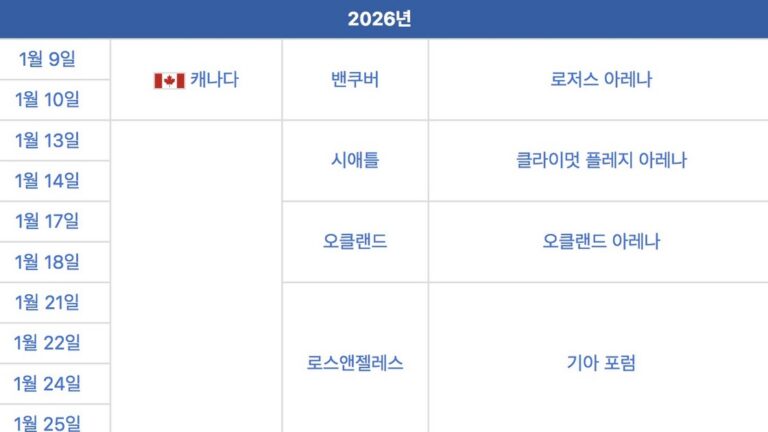
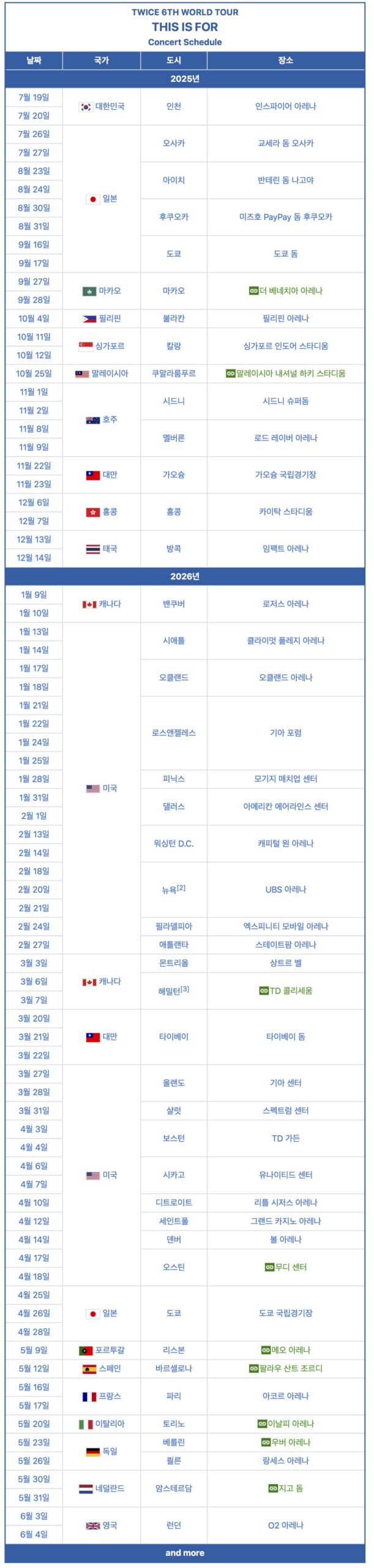
The controversy stems from a single image uploaded to a ‘Hot’ thread on TheQoo, which appears to outline a relentless cycle of international flights, stadium performances, and domestic promotional activities. According to the document, the nine members are scheduled to transition between three different continents within a single fourteen-day window. This includes a series of back-to-back concerts in North America, followed immediately by a return to Seoul for brand endorsement filming, and culminating in a high-profile Japanese fan-meeting circuit. The lack of recovery time between these events has left many observers questioning the feasibility of such a workload.
Statistical analysis of the leaked calendar reveals that the group is projected to spend approximately 140 days in transit throughout 2026. This figure does not include the hundreds of hours required for choreography rehearsals, costume fittings, and recording sessions for upcoming Japanese and Korean releases. Industry analysts point out that while high-frequency touring is a primary revenue driver for established groups, the density of TWICE’s current itinerary exceeds the standard industry benchmark by nearly thirty percent. The logistical complexity of moving a nine-member team along with their dedicated staff across multiple time zones without significant rest periods presents a high risk for burnout.
JYP Entertainment’s Expansion Strategy and Market Demands
From a business perspective, the strategy employed by JYP Entertainment appears rooted in maximizing the group’s global footprint during a critical phase of their career. With the 2026 fiscal year seeing increased competition from fifth-generation groups, the agency seems determined to solidify TWICE’s status as a top-tier global act through sheer physical presence in international markets. This ‘omnipresence’ model ensures that the group remains at the forefront of the Hallyu wave, but it comes at a significant cost to the individuals involved. Market demands for K-pop in 2026 have shifted toward larger-scale stadium tours, which require more intensive preparation and physical exertion than the arena tours of previous years.
Financial reports from the first quarter of 2026 indicate that TWICE remains the primary contributor to JYP Entertainment’s bottom line. The pressure to maintain high quarterly earnings may be a driving factor behind the decision to pack the schedule so tightly. However, this short-term financial gain must be weighed against the long-term health of the group. If the members are pushed beyond their limits, the resulting downtime for health reasons could prove more costly than a more balanced schedule would have been. Observers within the financial sector have noted that the agency’s stock price often fluctuates in response to news regarding the health and activity status of their key artists.
Public Sentiment: Exhaustion vs. Opportunity
The reaction from the fan community, known as ONCE, has been overwhelmingly protective. On platforms like TheQoo and X (formerly Twitter), the discourse has shifted from excitement over new tour dates to a unified call for rest. Many fans argue that after a decade in the industry, the group should be afforded the luxury of a more sustainable pace. The sentiment is that TWICE has already proven their dedication and success, and thus, the current ‘rookie-level’ grind is no longer necessary or appropriate for artists of their stature.
“They have been working at this pace since their debut. It is now 2026. At what point does the agency prioritize their longevity over short-term revenue? Looking at the flight times between the North American leg and the Japanese fan meetings, it’s physically impossible to get enough REM sleep. This isn’t a schedule; it’s an endurance test.”
Conversely, a smaller segment of the public suggests that the packed schedule is a testament to the group’s enduring popularity. In an industry where many groups see a decline in activity after their seventh year, TWICE’s ability to maintain a global stadium-tour schedule in their eleventh year is statistically anomalous. Some argue that the members themselves may be driven by a desire to connect with as many fans as possible while their global demand is at its peak. Nevertheless, the prevailing narrative remains one of concern, with many citing the physical toll that constant travel and high-energy performances take on the body.
Comparative Analysis: TWICE vs. Industry Standards
When compared to other prominent groups active in 2026, TWICE’s workload stands out as uniquely intensive. For instance, contemporary groups from other ‘Big 4’ agencies typically implement a ‘two-weeks-on, one-week-off’ policy for international tours to mitigate the effects of jet lag and physical fatigue. The leaked TWICE schedule, however, shows several instances of ‘zero-day’ transitions, where the group arrives in a new country less than twenty-four hours before a major performance. This approach deviates sharply from the established best practices for artist management in the modern era.
Furthermore, the diversity of TWICE’s activities adds another layer of complexity. Unlike some groups that focus solely on music during a tour, TWICE continues to manage a full roster of individual brand ambassadorships and variety show appearances. The mental load of switching between these different roles—from a stadium performer to a high-fashion model to a television personality—cannot be overstated. The cumulative effect of these various commitments creates a ‘compounded fatigue’ that is difficult to resolve through short breaks alone.
Health and Longevity: The Sustainable Idol Model
The conversation surrounding TWICE’s schedule is part of a larger industry-wide debate about the ‘sustainable idol model.’ In recent years, several high-profile K-pop stars have taken extended hiatuses due to anxiety and physical injuries, leading to a push for more humane scheduling practices. As senior artists, TWICE’s management of their schedule is seen as a bellwether for how the industry treats its veteran performers. If a group of their influence is subjected to such a grueling itinerary, it sets a concerning precedent for younger groups who have even less leverage in contract negotiations.
“JYP needs to realize that TWICE is no longer a rookie group that needs to grind for recognition. They are legends; let them rest. We would rather wait another year for a comeback than see them collapse on stage. The industry needs to stop treating these women like machines.”
Health experts specializing in sports medicine and performance art suggest that the repetitive nature of K-pop choreography, combined with the lack of consistent sleep, can lead to chronic issues such as stress fractures and vocal fold nodules. For a group like TWICE, whose performances are known for their precision and energy, the physical stakes are particularly high. A sustainable model would involve longer residency-style stays in key regions, reducing the frequency of long-haul flights and allowing for a more stable routine.
Official Agency Response and Future Outlook
As of this reporting, JYP Entertainment has not released an official statement regarding the leaked document. This silence has only fueled further speculation and frustration among the fanbase. In the past, the agency has been quick to address health-related hiatuses, but they have rarely commented on the overall structure of their artists’ schedules. Sources familiar with the matter indicate that the agency is currently reviewing their internal communication protocols to identify the source of the leak, rather than addressing the content of the schedule itself.
The trajectory for TWICE in the remainder of 2026 remains uncertain. While the tour dates are already being marketed and tickets sold, the pressure from the public may force the agency to reconsider certain promotional activities or build in more significant breaks in the latter half of the year. The situation serves as a stark reminder of the delicate balance between commercial success and the human element of the entertainment industry. For TWICE, a group that has consistently broken records and defied expectations, the greatest challenge in 2026 may not be the competition, but the schedule itself.
“Every time I see a new ‘Coming Soon’ poster, I feel a mix of excitement and dread. I want to see them, but not at the cost of their health. The numbers on that TheQoo post were genuinely shocking. 63,000 people aren’t just looking at a calendar; they’re looking at a cry for help on behalf of the artists.”
Ultimately, the resolution of this controversy will depend on whether JYP Entertainment chooses to prioritize the well-being of their most successful group or continue with their current high-output strategy. As TWICE continues their 2026 global circuit, the eyes of the industry and the fans will be closely watching for any signs of the toll this schedule might be taking. The outcome will likely influence how major agencies plan their global operations for years to come, potentially leading to a much-needed reform in how K-pop’s biggest stars are managed during the peak of their international fame.