


A Digital Handshake in the Élysée Palace
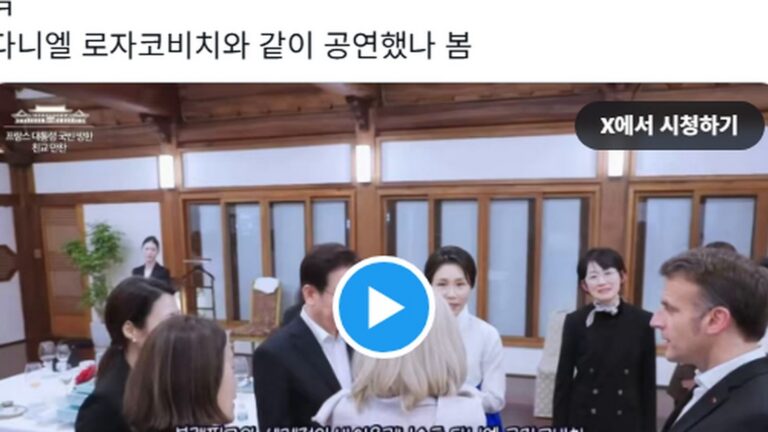
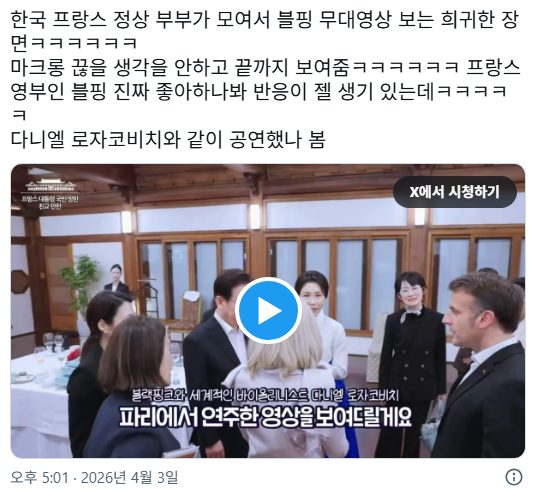
During a high-level diplomatic gathering in Paris on April 3, 2026, an unexpected moment of cultural exchange took center stage. French President Emmanuel Macron was captured on video sharing a performance of the South Korean girl group Blackpink with South Korean President Lee Jae-myung. The footage, which quickly went viral across social media platforms including X (formerly Twitter) and Korean community sites like Instiz, shows President Macron holding a mobile device with focused intensity, ensuring his counterpart caught every moment of the performance. This interaction underscores the evolving nature of modern diplomacy, where pop culture assets are no longer peripheral but central to the narrative of international relations.
The video appears to have been recorded during a private moment between the two leaders and their spouses. President Macron’s persistent enthusiasm was a point of discussion among netizens, as he seemed reluctant to stop the video until the performance concluded. Observers noted that the French First Family’s familiarity with Blackpink’s discography and stage presence has reached a level of genuine fandom that transcends typical political courtesy. This specific instance of “K-pop diplomacy” highlights how the quartet—Jisoo, Jennie, Rosé, and Lisa—has become a permanent fixture in the cultural bridge connecting Seoul and Paris.
The Brigitte Macron Connection: A Longstanding Fandom
While President Macron’s interest is evident, industry insiders point toward First Lady Brigitte Macron as the primary catalyst for the French presidency’s deep-rooted connection with Blackpink. Her presence at the group’s concerts in Paris is well-documented, dating back to their historic performances in previous years. Sources familiar with the Élysée Palace’s cultural programming indicate that the First Lady has been a vocal advocate for K-pop’s inclusion in major French charity events, most notably the ‘Le Gala des Pièces Jaunes’.
The First Lady’s reaction during the video viewing was described by attendees as the most “vibrant and animated.” Her body language suggested a profound appreciation for the group’s artistry, which has significantly aided in softening the formal edges of Franco-Korean summits. By positioning herself as a ‘BLINK’ (a member of Blackpink’s fandom), Brigitte Macron has effectively humanized the diplomatic process, creating a shared language with the younger demographic in both nations. This consistent support has elevated Blackpink from mere entertainers to unofficial cultural ambassadors who command the attention of the highest offices in Europe.
“Watching Macron refuse to turn off the video is the most relatable thing a world leader has ever done. It’s clear the First Lady has been playing Blackpink on loop in the palace. This isn’t just a polite gesture; they are actual fans.”
— @Jamstice, Social Media Commentator
Musical Collaboration: Daniel Lozakovich and the Classical Crossover
The specific performance shown to President Lee reportedly featured a collaboration with the renowned Swedish violinist Daniel Lozakovich. This choice of content is significant, as it highlights the intersection of K-pop and classical music—a genre highly respected within the French cultural establishment. Lozakovich, who has previously performed with the group, represents the high-art legitimacy that Blackpink has successfully courted over the past few years. The fusion of Paganini-inspired melodies with modern pop production aligns perfectly with the French aesthetic of blending tradition with avant-garde innovation.
By showcasing this particular collaboration, President Macron demonstrated an understanding of Blackpink’s musical depth. The performance likely included elements of ‘Shut Down,’ which famously samples La Campanella, or perhaps a newer 2026 release that continues this classical-crossover trend. This strategic choice of footage serves to validate K-pop in the eyes of traditionalists, proving that the genre possesses the technical complexity and artistic merit required to stand alongside Europe’s greatest musical exports. The presence of a world-class violinist like Lozakovich provides a sophisticated veneer that makes the group an ideal subject for state-level presentation.
Blackpink’s Role in 2026 Franco-Korean Relations
As we move through the second quarter of 2026, the geopolitical landscape between South Korea and France is increasingly defined by soft power. President Lee Jae-myung’s visit to Paris comes at a time when both nations are seeking to strengthen economic ties in technology and green energy. However, the cultural rapport established through Blackpink provides the necessary emotional scaffolding for these harder political discussions. The group’s influence acts as a lubricant for negotiations, creating an atmosphere of mutual respect and shared modern identity.
The agency representing Blackpink, YG Entertainment, has not released an official statement regarding this specific presidential interaction, but the company’s recent business strategy has clearly prioritized global prestige. With all four members successfully balancing high-profile solo careers and group activities in 2026, their collective value as a national asset for South Korea has never been higher. Government officials in Seoul have private acknowledged that the visibility provided by the group in European capitals is worth billions in equivalent advertising spend for the ‘Korea’ brand.
Digital Diplomacy: Social Media Reactions
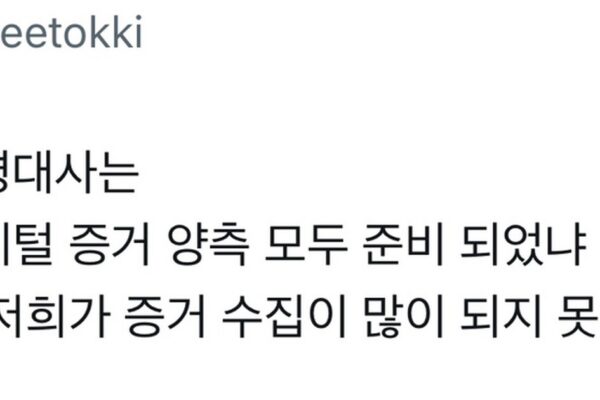
The reaction from the global fan community was instantaneous. On platforms like Instiz, Korean fans expressed a mixture of pride and amusement at the sight of the French President acting as a ‘promoter’ for a Korean artist. The narrative of “K-pop taking over the world” has transitioned from a fan-led aspiration to a documented reality in the halls of power. Many netizens pointed out that the rarity of such a scene—two heads of state ignoring formal protocols to watch a music video—speaks volumes about the gravity of Blackpink’s global reach.
International fans focused on the continuity of the relationship between the Macrons and Blackpink. Since their earlier charity gala, the French presidency has consistently used the group as a symbol of their progressive cultural outlook. This digital diplomacy bypasses traditional media channels, reaching millions of young voters directly through viral snippets. In an era where political leaders struggle to maintain relevance with Gen Z and Alpha generations, associating with icons like Blackpink is a calculated and highly effective move.
“The way Macron is holding the phone like a proud dad showing off his kids’ graduation video… but it’s actually the world’s biggest girl group. Blackpink’s impact in France is genuinely unmatched by any other foreign act.”
— User ‘K-Diplomacy-Watcher’ on Instiz
Industry Analysis: The Business of State-Level Endorsements
From a journalistic perspective, this interaction represents the pinnacle of the ‘Hallyu’ (Korean Wave) trajectory. In the early 2010s, K-pop was often viewed as a niche interest or a manufactured export. By 2026, it has achieved the status of a global standard. When a leader of a G7 nation uses a K-pop group to build rapport with another world leader, it signals that the industry has reached a level of maturity where it is indistinguishable from the national identity itself. This is not merely entertainment; it is a strategic asset utilized in the highest echelons of global governance.
The economic implications for the group’s luxury brand partnerships—including Chanel, Dior, Saint Laurent, and Celine—are also significant. These brands, all rooted in French heritage, benefit immensely from the group’s proximity to the French state. The synergy between French luxury houses, the French presidency, and South Korean pop icons creates a powerful economic triangle. This relationship ensures that Blackpink remains at the center of the global fashion and culture conversation, regardless of their release schedule or touring cycle.
Future Outlook: K-Pop as the Permanent Bridge
Looking ahead to the remainder of 2026, we can expect more instances of this high-level cultural integration. With the 2026 Korea-France Year of Mutual Exchange approaching its peak, the role of artists in diplomatic missions is likely to expand. Rumors of a special commemorative performance or a collaborative cultural project involving both governments and Blackpink members have begun to circulate in the industry, though no official confirmation has been provided by the Ministry of Culture, Sports and Tourism.
What remains clear is that the “Blackpink effect” has fundamentally altered the playbook for international visits. Future summits will likely be judged not just on the treaties signed, but on the cultural moments shared. For President Lee Jae-myung, the enthusiastic reception of Korean culture by the French leadership provides a strong foundation for his administration’s foreign policy goals in Europe. As long as the French First Family remains captivated by the group’s performances, Blackpink will continue to serve as the most effective, and perhaps the most beloved, diplomats South Korea has ever produced.
“It’s 2026 and we are still seeing Blackpink being the main event at presidential summits. Their longevity isn’t just about music; it’s about how they’ve woven themselves into the fabric of global culture. No one else is doing it at this level.”
— Verified Fan Account on X
The persistence of this cultural phenomenon suggests that the peak of K-pop’s global influence is still being defined. As President Macron and President Lee moved on to their official agenda following the video viewing, the silent consensus in the room was obvious: the language of music, specifically that of Blackpink, has become an essential tool in the modern statesman’s kit. No additional details regarding the specific contents of their subsequent discussion have been released, and representatives for the Élysée Palace declined to comment on the private exchange.