


The Short-Form Wave and the Legend of ‘Yahwacheop’
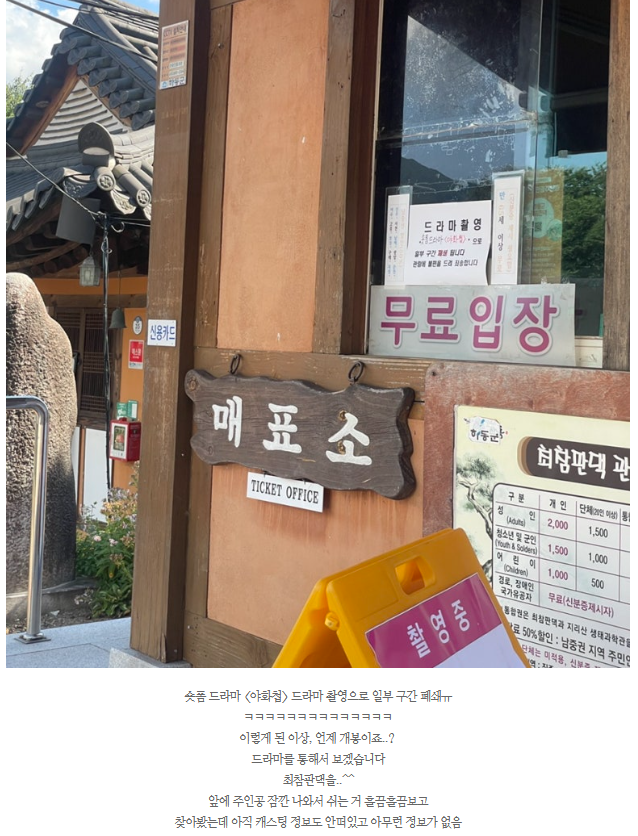
Walking through the streets of Seoul recently, you can’t escape the vertical screens. From the subway stations to the giant displays in Gangnam, the ‘snack-able’ drama has officially moved from a niche experiment to the dominant format of the K-drama industry. But even in this saturated market, the news that dropped today on community boards like TheQoo has sent shockwaves through the fandom. We are, of course, talking about the live-action adaptation of the legendary BL webtoon Painter of the Night (야화첩). With over 48,000 views in just a few hours and hundreds of comments flooding the thread, the anticipation is palpable. The headline? Filming has officially wrapped.
As a critic who has watched the BL (Boys’ Love) genre evolve from low-budget web series to high-production masterpieces like recent hits, I find the choice to adapt Byeonduck’s magnum opus into a short-form format both daring and dangerous. Painter of the Night isn’t just any webtoon; it is a visual titan that defined the ‘K-BL’ aesthetic globally. Translating that lush, moody, and often claustrophobic Joseon-era atmosphere into a 9:16 vertical frame is a challenge that would make even the most seasoned directors sweat. Yet, the production team has reportedly finished their work, leaving us to wonder if they’ve captured the lightning in a bottle or merely a pale imitation.
The Production Wrap: What the ‘TheQoo’ Buzz Tells Us
The source post, which quickly climbed to the ‘HOT’ category, was deceptively simple: “Filming for the short-form drama adaptation of the BL webtoon Painter of the Night is said to be finished.” While the original uploader kept it brief, the 458 comments beneath it tell a much more complex story. Fans are oscillating between sheer terror and ecstatic hope. This isn’t surprising given the source material’s reputation. Painter of the Night is known for its intense psychological tension and a dynamic between the leads—Baek Na-kyum and Yoon Seung-ho—that is as toxic as it is compelling. How do you condense that level of character development into two-minute episodes?
“Wait, filming is already done? I’m terrified but also I’ve been waiting for this for years. Please tell me they got the Hanbok fit right. If Seung-ho’s shoulders aren’t wide enough to carry the entire plot, I’m rioting.” — User ‘HanbokStalker’ on TheQoo.
Cinematically speaking, a filming wrap at this stage suggests a release window somewhere in the near future. The short-form format usually implies a faster post-production cycle, but for a historical piece, the stakes are higher. You can’t just slap a filter on a vertical video and call it the Joseon dynasty. The color grading needs to mimic the ink-wash feel of the original webtoon. If the production value leans too heavily into the ‘TikTok’ aesthetic, it risks stripping away the gravitas that made the original story a global phenomenon.
Vertical Cinematography: A New Visual Language for Obsession
The move to short-form isn’t just about length; it’s about the aspect ratio. In a traditional 16:9 drama, directors use wide shots to establish the environment. In a 9:16 vertical drama, the focus is almost exclusively on the actors’ faces and their immediate physical proximity. For a story about a painter (Na-kyum) and a nobleman (Seung-ho) who is obsessed with his art, this could actually be a brilliant strategic move. The vertical frame forces a sense of intimacy and confinement. It mirrors the way Seung-ho traps Na-kyum within his estate, creating a visual metaphor for the power dynamics at play.
The director’s choice to adopt this format suggests a masterclass in narrative economy. In short-form, every second must earn its place. There is no room for the filler subplots that often plague 16-episode K-dramas. We won’t see twenty minutes of side characters discussing corporate politics; instead, we get the raw, unadulterated tension of the central relationship. However, the writing falters when it tries to rush the ‘slow-burn’ elements that the webtoon spent years building. The challenge will be maintaining the psychological depth while sprinting through the plot beats.
The Casting Conundrum and the Ghost of the Original
Unpopular opinion, but I believe casting for a BL adaptation is the hardest job in the industry. You aren’t just casting actors; you are competing with the idealized versions of these characters that live in the readers’ imaginations. In the case of Painter of the Night, the ‘ghost’ of Byeonduck’s art is a heavy burden to carry. The leads need to possess a specific kind of visual chemistry that transcends dialogue. From the leaked images and the buzz surrounding the wrap, the production seems to have prioritized actors who can deliver ‘eye-acting’—a necessity in the vertical format where a micro-expression can fill the entire screen.
“Short-form feels like a weird choice for something as atmospheric as Painter of the Night. I hope they don’t lose the tension between the frames. If the chemistry isn’t explosive, the whole thing will feel like a high-budget cosplay video.” — Anonymous comment #242.
What elevates a scene in a short-form drama is the ability of the actors to command the space without the help of sweeping crane shots or expansive sets. If the leads for this adaptation can manage to convey the desperation and the burgeoning obsession through the lens of a smartphone-optimized frame, they might just redefine what we expect from the genre. But if the performances feel stiff or the chemistry feels manufactured for ‘likes,’ the 48,000 people currently watching this project will be the first to call it out. The modern Korean audience is more discerning than ever; they won’t settle for mediocre production just because it’s a popular IP.
Mise-en-scène in the Era of Snack-able Content
Let’s talk about the technical achievements required for a project like this. A masterclass in historical drama usually involves vast landscapes and intricate palace interiors. In a short-form Painter of the Night, the mise-en-scène must be condensed. We’re looking at the texture of the paper Na-kyum paints on, the way the silk of a durumagi falls, and the flickering light of a candle in a dark room. These small details become the world-building. The production value shouldn’t be judged by how many extras are in a scene, but by the quality of the immediate surroundings.
Critics often overlook the OST in short-form dramas, but in this case, it will be the glue that holds the narrative together. With episodes lasting only minutes, the ‘OST drop’ needs to be instantaneous and impactful. It has to signal the emotional shift before the actors even speak. If the music team can capture the haunting, traditional-meets-modern soundscape that the webtoon’s fans associate with the story, half the battle is won. The other half is the editing—pacing in short-form is a brutal art, requiring a rhythm that keeps viewers scrolling to the next episode without a moment’s hesitation.
“If the lighting isn’t as moody as the webtoon, I’m out. But 48k views in a few hours? Yeah, we’re all watching anyway. We’re all suckers for Seung-ho’s red eyes and Na-kyum’s tears.” — K-Drama fan on X (formerly Twitter).
The Final Verdict: Innovation or Convenience?
Is the short-form adaptation of Painter of the Night a sign of a creative renaissance or just a convenient way to monetize a popular brand with lower overhead? As a critic, I’m leaning toward a cautious ‘innovation.’ The industry needs to find new ways to tell stories, and the vertical format offers a unique intimacy that traditional television lacks. However, the risk of ‘content-ification’—where art is turned into a series of viral clips—is real. Painter of the Night deserves better than to be just another scroll-past moment.
The fact that filming is already finished suggests a confidence in the final product. Usually, when a production is in trouble, you hear whispers of reshoots or script changes. The silence followed by a clean wrap announcement is a good sign. For the 48,000 fans who clicked on that TheQoo post today, the countdown has officially begun. Whether this drama becomes a masterpiece that justifies its format or a footnote in the history of webtoon adaptations, one thing is certain: the eyes of the global BL community are fixed on this production.
In the end, what will matter most isn’t the number of views or the speed of the scroll, but whether the team behind the Painter of the Night short-form drama understood the soul of the source material. It’s a story about the transformative power of art and the destructive nature of obsession. If they’ve managed to capture even a fraction of that in their vertical frames, we’re in for something special. Rating this purely on anticipation and the technical potential of the format? I’d give it a solid 8/10 for boldness alone. Now, we wait for the first trailer to see if the visual reality matches the hype.