




The Red Carpet Redemption: More Than Just a Suit
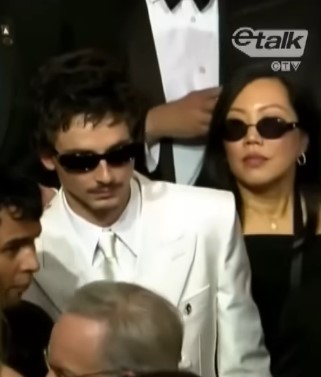
Walking onto the Oscar red carpet recently, Timothée Chalamet didn’t just bring his usual high-fashion flair; he brought a sense of calculated restoration. For those of us who track the industry’s internal gears, the visual wasn’t about the embroidery or the silhouette, but the woman standing three paces behind him. After a disastrous year defined by foot-in-mouth syndrome and a plummeting reputation among industry veterans, the ‘Prince of Cinema’ appears to have finally realized that charm is no substitute for professional gatekeeping. The sighting of Jessica Kolstad, a veteran partner at the powerhouse Relevant PR, signaled the end of Chalamet’s experimental ‘friend-managed’ era—an era that nearly cost him his status as Hollywood’s golden boy.
Cinematically speaking, the last twelve months of Chalamet’s public life played out like a poorly edited B-movie. We watched a talent who once navigated the industry with surgical precision suddenly devolve into a series of PR nightmares. The shift was palpable. One moment he was the darling of the prestige circuit, and the next, he was the subject of scathing blind items and public rebukes from legends like Steven Spielberg. The root cause? A rumored decision to ditch his long-term professional team in favor of hiring close friends—a classic trap for stars who begin to believe their own hype. This ‘inner circle’ management style resulted in a lack of media training that became painfully obvious during his now-infamous comments regarding the ‘relevance’ of ballet and opera, which many saw as a direct insult to the classical foundations of the performing arts.
“Watching Timothée last year was like watching a car crash in slow motion. You could tell there was no one in his ear saying ‘maybe don’t say that.’ Seeing him back with Relevant PR at the Oscars is the biggest relief for his fans since the Dune 2 release date was confirmed.” — @ChalametDaily, X (Twitter)
The ‘Friend PR’ Fiasco: A Lesson in Hubris
Every critic knows that the mise-en-scène of a celebrity’s public life is just as constructed as a film set. When Chalamet reportedly replaced the industry’s top-tier ‘Relevant PR’ team with a more casual, ‘friend-led’ entourage in the previous year, the narrative structure of his brand collapsed. Without the buffer of professionals like Kolstad, the actor’s raw, unfiltered opinions began to leak into the press, lacking the nuance required for someone of his stature. The ‘ballet and opera’ incident wasn’t just a slip of the tongue; it was a symptom of a larger disease: the absence of a critical voice in his immediate vicinity. Industry peers who had previously championed him began to distance themselves, viewing him as another young star who had lost touch with reality.
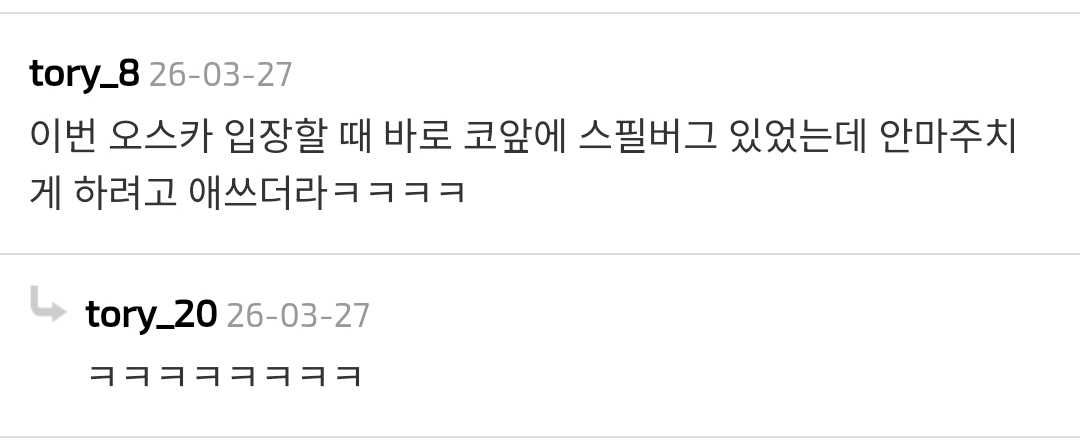
Korean netizens, particularly on communities like TheQoo, were among the first to dissect this shift with terrifying accuracy. A post detailing the ‘importance of a PR team’ garnered over 28,000 views almost instantly, with fans pointing out how his ‘vibe’ had changed from ‘mysterious artist’ to ‘uninformed celebrity.’ In the hyper-managed world of K-pop and Korean cinema, the idea of firing a top-tier management team to hire a friend is seen as professional suicide. The collective sigh of relief from the Korean fan base when photos surfaced of him back with his original team speaks volumes about the global nature of his brand. They don’t just want him to be a good actor; they want him to be a well-oiled machine.
“The difference is night and day. Last year he looked like he was struggling to handle the fame. This year at the Oscars, the ‘Professional Timothée’ is back. That ‘Relevant’ team really knows how to dress up his image, not just his body.” — User ‘DramaLover99’ on TheQoo
The Spielberg Dodge: Tactical Movement at the Oscars
What elevates a great PR agent to the level of a master strategist is their ability to control physical space. Reports from the recent Oscars floor suggest that Jessica Kolstad wasn’t just there for moral support; she was acting as a human GPS, navigating Chalamet through a minefield of potential social disasters. Specifically, she was seen meticulously coordinating his movements to ensure he didn’t cross paths with the very industry titans he had offended during his ‘villain era.’ Avoiding an awkward encounter with Steven Spielberg isn’t just about luck; it’s about timing, sightlines, and having a veteran who knows exactly which green room everyone is in at any given second.
This level of logistical precision is what you pay the big bucks for. Kolstad, who has been publicly thanked by the likes of Colin Firth during Oscar speeches, understands that a star’s career is built on relationships as much as talent. By shielding Chalamet from the consequences of his own previous remarks while he was in a vulnerable ‘rehabilitation’ phase, she allowed him to focus on looking the part of a winner once again. It was a masterclass in crisis management that didn’t require a single press release—just perfect positioning and a very sharp eye for the room’s temperature.
Why Korean Netizens are Obsessed with the Shake-up
The fascination with Chalamet’s management in South Korea isn’t accidental. The Korean entertainment industry is built on the ‘System’—a rigorous, multi-layered approach to celebrity management where the agency often takes precedence over the individual. When Chalamet veered off-script in the previous year, it felt like a glitch in the matrix to Korean observers. They saw the ‘Relevant PR’ team as the ‘Agency’ that kept him grounded. To see him return to them is viewed as a ‘return to sanity.’ The discussion threads are filled with comparisons to idol groups who leave big agencies only to see their production quality and public image falter.
Analyzing the 155 comments on the viral TheQoo post reveals a sophisticated understanding of Western PR dynamics. Users aren’t just talking about his movies; they are discussing the ‘Relevant PR’ portfolio, mentioning names like Josh O’Connor and Colin Firth. There is a deep appreciation for the ‘invisible hand’ that guides a celebrity’s career. To the Korean audience, Chalamet isn’t just an actor; he’s a luxury brand, and a brand without a proper marketing department is just a liability. The obsession with his PR team is, in many ways, an extension of the ‘stanning’ culture where the management’s competence is a point of pride for the fans.
“I knew something was off when his interviews started getting weirdly defensive. It turns out he really did fire the pros. Seeing Jessica Kolstad back by his side is like seeing a protagonist finally get the legendary weapon back before the final boss fight.” — Anonymous Commenter, Daum Cafe
The Anatomy of a Pivot: Reclaiming the Narrative
How does one move from ‘industry pariah’ back to ‘A-list darling’ in the span of a single awards season? It requires a total narrative pivot. Under the guidance of his restored team, Chalamet’s recent appearances have been marked by a noticeable shift in tone: less ‘renegade artist’ and more ‘humble craftsman.’ The sarcasm has been replaced with a carefully curated earnestness. This isn’t a lack of authenticity; it’s the professionalization of it. A good PR team doesn’t change who you are; they just edit out the parts of you that don’t sell tickets.
The writing falters when a star begins to believe that their talent makes them immune to the rules of the industry. Chalamet’s recent year was a stark reminder that even the most gifted performers are subject to the court of public opinion. The ‘Relevant’ team’s strategy for the current season seems to be a ‘silent but visible’ approach. They aren’t putting him on every talk show to apologize; they are putting him in the right rooms, with the right people, looking like the professional he was always meant to be. It’s a subtle reclamation of the narrative that proves, once and for all, that in Hollywood, your team is your armor.

The Leah Verdict: Talent is Never Enough
Unpopular opinion, but I actually enjoyed Chalamet’s messy era—purely from a critic’s standpoint. It was the first time we saw the cracks in the porcelain. However, from a career longevity perspective, it was a disaster. The ‘mise-en-scène’ of his public persona had become cluttered and chaotic. A masterclass in acting doesn’t matter if no one wants to work with you because you’ve insulted their life’s work in a random interview. Talent gets you in the door, but it’s the machinery behind you that keeps the door from slamming shut on your fingers.
Chalamet’s return to Relevant PR is a white flag. It’s an admission that the ‘friend-managed’ experiment was a failure and that he needs the veterans to survive the next decade of his career. For the fans who were worried about his trajectory, the recent Oscar appearance was the ‘all-clear’ signal. He’s back in the hands of the professionals who know how to navigate the egos of Spielberg and the demands of the global box office. As a critic, I’m glad to see the focus return to his performances rather than his PR blunders. But let this be a warning to the next generation of stars: your friends might be great for a drink after the premiere, but they shouldn’t be the ones holding the map to the red carpet.
The writing was on the wall—literally, in the form of thousands of internet comments. Whether he’s learned his lesson or is simply following orders remains to be seen, but for now, the current era of Timothée Chalamet is back in session, and the industry is much quieter for it. Rating the PR pivot? A solid 9/10. It was swift, silent, and incredibly effective.