

The Sixty-Minute Firepower Demonstration That Paralyzed Seoul
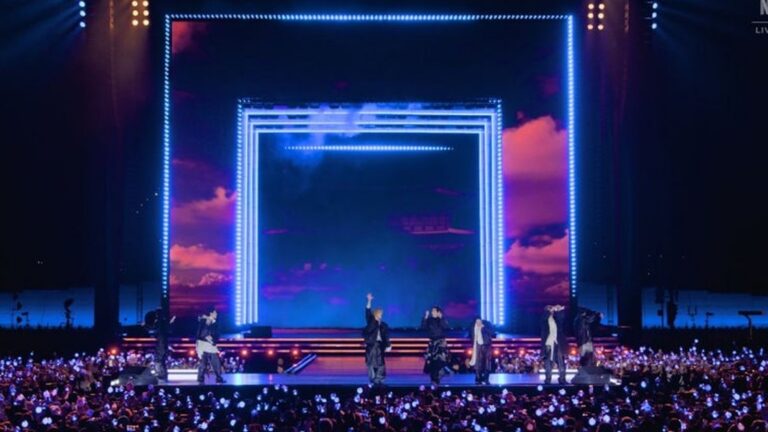
Two days have passed since BTS took over Gwanghwamun Square on March 21, 2026, yet the aftershocks of that sixty-minute performance are still being felt across every sector of Korean society. This was not merely a comeback showcase; it was a definitive statement of presence. For an hour, the historic heart of Seoul—a place usually reserved for national ceremonies and massive civic demonstrations—was transformed into a high-octane, futuristic stage that felt more like a scene from a high-budget sci-fi film than a traditional concert. According to officials familiar with the production, the scale of the lighting rigs and the pyrotechnic display was unprecedented for a public space in the Republic of Korea. The sheer audacity of the event has left critics and fans alike struggling to find the right adjectives to describe the spectacle.
Witnessing the group perform against the backdrop of the Gyeongbokgung Palace gates and the statue of Sejong the Great provided a jarring yet harmonious contrast between Korea’s storied past and its hyper-modern present. The performance didn’t just showcase music; it served as a ‘firepower demonstration’ of what K-pop has become in 2026. Every movement was calculated, every transition seamless. HYBE and the Seoul Metropolitan Government reportedly collaborated for months to ensure that the infrastructure of the city could support the massive influx of ‘ARMY’ while simultaneously broadcasting a 4K live stream to millions of viewers worldwide via Netflix. This marks the first time a comeback event of this magnitude has been handled with such logistical precision in a non-stadium setting.
“I have lived in Seoul for forty years and have seen countless rallies and festivals in Gwanghwamun, but I have never seen the space transformed like this. It felt as if the city itself was breathing with the music. BTS didn’t just perform; they occupied the center of our national identity.” — Park Min-ji, 42, Seoul resident via Weverse.
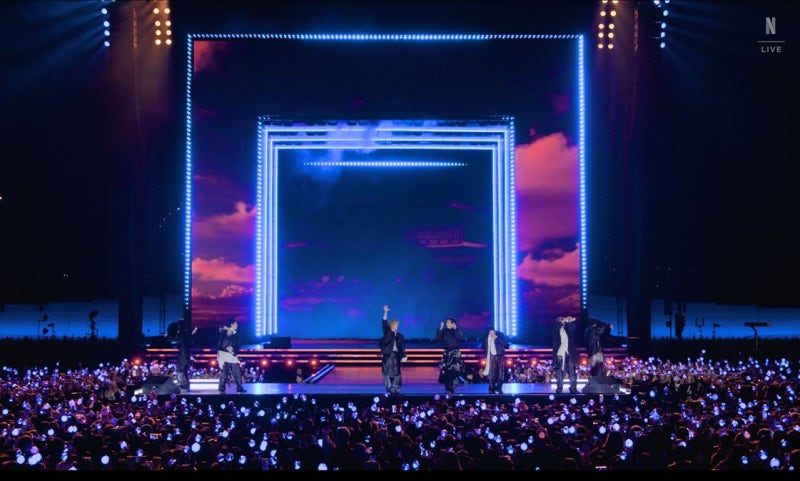
The setlist was a masterclass in narrative tension, but the highlight for many was the reimagined version of ‘Arirang’ that served as the bridge into their new title track. By blending traditional Korean instrumentation with the aggressive, bass-heavy production that has defined their 2026 sound, BTS effectively bridged the gap between generations. This wasn’t the ‘Arirang’ of the history books; it was a version built for a global era, designed to resonate in the ears of listeners in London, New York, and Tokyo just as much as those in Seoul. The boldness of the arrangement reflected the ‘youthful daring’ that columnist Song Won-seop recently highlighted in his analysis of the event. He noted that the performance showed a level of confidence that transcends mere entertainment.
A Global Broadcast: How Netflix and HYBE Redefined the ‘Live’ Experience
While the physical crowd at Gwanghwamun was estimated to be in the tens of thousands, the true impact of the March 21 concert was felt through the Netflix live stream. Industry analysts suggest that this partnership has set a new benchmark for how major K-pop labels will handle global releases moving forward. By opting for a premium streaming platform over a standard social media live, HYBE ensured a level of production quality—and data collection—that was previously unavailable. The broadcast showcased Seoul not just as a city, but as a ‘Future City,’ a neon-lit hub of innovation and cultural power. This imagery is invaluable for Korea’s tourism sector, which has been looking for a definitive ‘post-military era’ boost from the group.
Beyond the visuals, the business implications are staggering. While some remain focused on the immediate ‘petty’ questions—how much Netflix paid for the rights, how much the Seoul Mayor gained in political capital, or the exact dollar amount spent by tourists—the larger picture is far more significant. This event proved that BTS remains the most potent soft-power asset in the Korean arsenal. The synergy between the private sector (HYBE), the tech sector (Netflix), and the public sector (Seoul City) was on full display. This wasn’t just about selling an album; it was about selling a vision of Korea as the center of the modern cultural world. The ‘boldness’ of the youth, as Song Won-seop puts it, has set a high bar that other institutions are now scrambling to meet.
“The transition from the traditional Arirang melody into the heavy bass of their new title track was the moment I realized K-pop has evolved into something entirely different in 2026. This isn’t just pop music anymore; it’s a national project.” — Kim Do-heon, Music Critic on X.
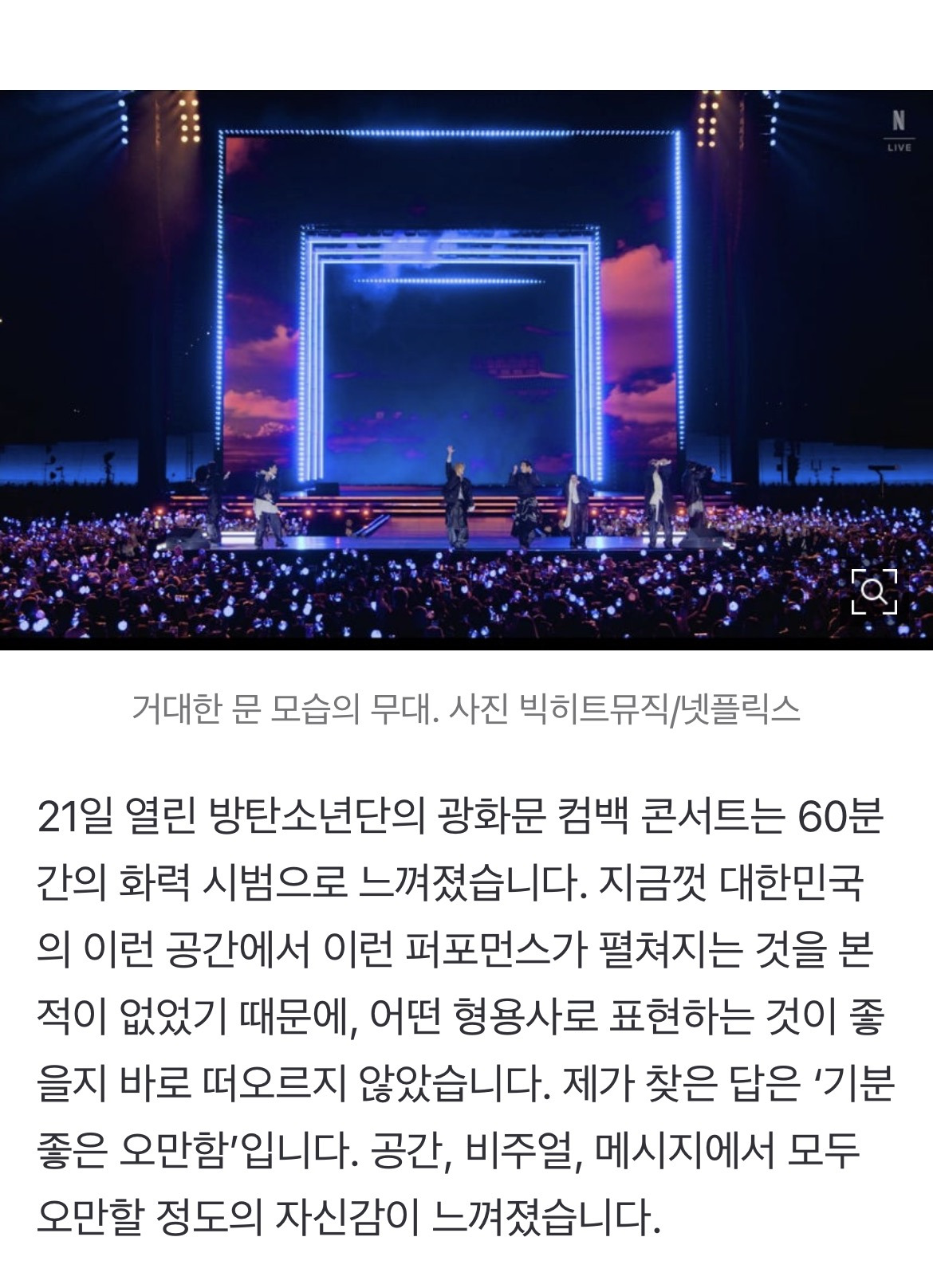
Representatives from HYBE declined to comment on the specific costs of the production, but industry insiders estimate the budget for the 60-minute show exceeded that of most full-length world tour stops. The use of advanced drone choreography and augmented reality elements that were visible to both the live audience and the home viewers added layers of complexity to the show. This level of investment suggests that HYBE is not just looking for a successful comeback, but a total re-establishment of BTS’s dominance in the global market following their return to full-group activities. The message was clear: the kings have returned, and they have reclaimed their throne in the most public way possible.
The Cultural Mandate: Matching the Boldness of the Youth
Perhaps the most poignant takeaway from the Gwanghwamun concert is the challenge it poses to the rest of Korea. The performance was so daring and so internationally focused that it has sparked a debate about whether the country’s other institutions—politics, education, and corporate business—are moving at the same speed as its cultural exports. As Song Won-seop argued, it is time to move past the simple calculation of ‘how much money was made’ and start asking how the rest of society can match the ambition shown by these seven young men. The ‘boldness’ seen on stage on March 21 should serve as a wake-up call for a society that often feels bogged down in tradition and bureaucratic caution.
In the days following the event, social media has been flooded with discussions about the ‘Gwanghwamun Standard.’ Fans are not just praising the music; they are praising the scale of the vision. There is a sense that BTS has once again expanded the boundaries of what is possible for a musical act. If a boy band can turn the most sensitive political and historical site in the country into a global futuristic stage for an hour, what is stopping a Korean tech company or a Korean political leader from showing the same level of global ambition? This is the ‘hot take’ that is currently circulating in the more intellectual corners of the fandom and the industry alike.
“Watching the Netflix stream from London, the drone shots of the palace against the neon skyscrapers made me book a flight to Korea immediately. It didn’t look like a concert; it looked like the future.” — Sarah Jenkins, International Fan on Reddit.
The concert also served as a reminder of the group’s resilience. After years of individual projects and military service, there were those who speculated that the ‘BTS phenomenon’ might have cooled. The March 21 event silenced those doubts. The energy on the ground was described by many as ‘electrifying’ and ‘overwhelming.’ The group’s ability to command a space as vast as Gwanghwamun Square without losing the intimacy of their performance is a skill that few other artists in the world possess. This marks the first time since their 2026 reunion that the full group has performed in such a high-stakes, public environment in their home country, and the results were nothing short of spectacular.
What Comes Next for BTS and the 2026 Comeback?
As we look forward to the rest of 2026, the Gwanghwamun concert serves as the starting gun for what is expected to be a massive year for the group. HYBE has already teased a world tour that will reportedly utilize many of the technical innovations seen during the Seoul show. The ‘Future City’ aesthetic is expected to be a recurring theme in their upcoming music videos and promotional materials. Furthermore, the success of the Netflix broadcast has likely opened the door for more exclusive streaming partnerships, potentially changing the way K-pop content is distributed on a global scale. The agency has confirmed that more details regarding the tour schedule will be released in the coming weeks, but for now, the focus remains on the impact of this single, historic hour.
Ultimately, the Gwanghwamun concert was about more than just music or money. It was about a nation’s pride and a group’s evolution. By standing in the center of Seoul and asking, ‘Behold, who is the center of the world?’ BTS provided an answer that was loud, clear, and impossible to ignore. They have set a new standard for what a comeback can be, and in doing so, they have challenged the rest of us to be just as bold. The ‘King’s Return’ was not just a headline; it was a lived reality for everyone who watched the sky over Gwanghwamun light up on that Saturday night. As the dust settles, one thing is certain: the conversation about the 2026 Gwanghwamun concert is only just beginning.
This article will be updated as more official data regarding the economic impact and streaming numbers becomes available from HYBE and the Seoul Metropolitan Government. No additional details regarding the rumored ‘Arirang’ remix digital release have been confirmed at this time, though sources familiar with the matter indicate a surprise drop may be imminent. For now, the world remains focused on the sixty minutes that changed the landscape of K-pop once again.