




The Tea is SCALDING: Unpacking the Latest Online Firestorm
So… my little birds have been busy, and honestly, the sheer volume of tweets and community posts flying around lately is enough to make anyone’s head spin. The Korean internet, it seems, has been embroiled in a rather peculiar, yet intensely heated, cultural debate that started as ‘Korea-bashing’ and somehow escalated into a full-blown ‘rice controversy.’ Yes, you heard that right. Rice. The very staple of life has become a battleground, and the tea is absolutely SCALDING today. 🍵
This isn’t just a fleeting trend; this is a multi-day saga that has seen netizens from various corners of the globe, particularly Southeast Asia and Korea, engaging in a relentless war of words. What started as critical commentary on Korea and its culture, allegedly originating from Southeast Asian online communities, quickly spiraled into a tit-for-tat exchange of mockery, cultural generalizations, and an unexpected culinary debate. It’s a fascinating, if sometimes bewildering, look at how quickly online discourse can devolve when national pride and cultural identity are perceived to be on the line.
The Genesis of the Storm: ‘Korea-Bashing’ Goes Viral
According to a highly trafficked post on TheQoo, which garnered over 64,000 views and 750 comments, the whole kerfuffle began with what Korean netizens are labeling a ‘Korea-bashing flow’ on Twitter. While the specifics of the initial criticisms remain somewhat vague in the viral TheQoo post itself, online whispers and circulating screenshots suggest a range of topics were fair game. Allegations of cultural appropriation, perceived arrogance in K-pop and K-drama narratives, and even criticisms regarding beauty standards and historical interpretations were reportedly part of the initial wave.
This isn’t entirely new territory; cultural exchanges and criticisms are a constant in our globalized world. However, the intensity and widespread nature of this particular trend caught the attention of Korean online communities. Suddenly, Korean Twitter feeds and forums were awash with discussions, screenshots, and increasingly defensive — and then offensive — counter-arguments. It was a classic internet snowball effect, gaining momentum with every retweet and every new comment, pushing the discourse from critical observation to outright digital skirmish.
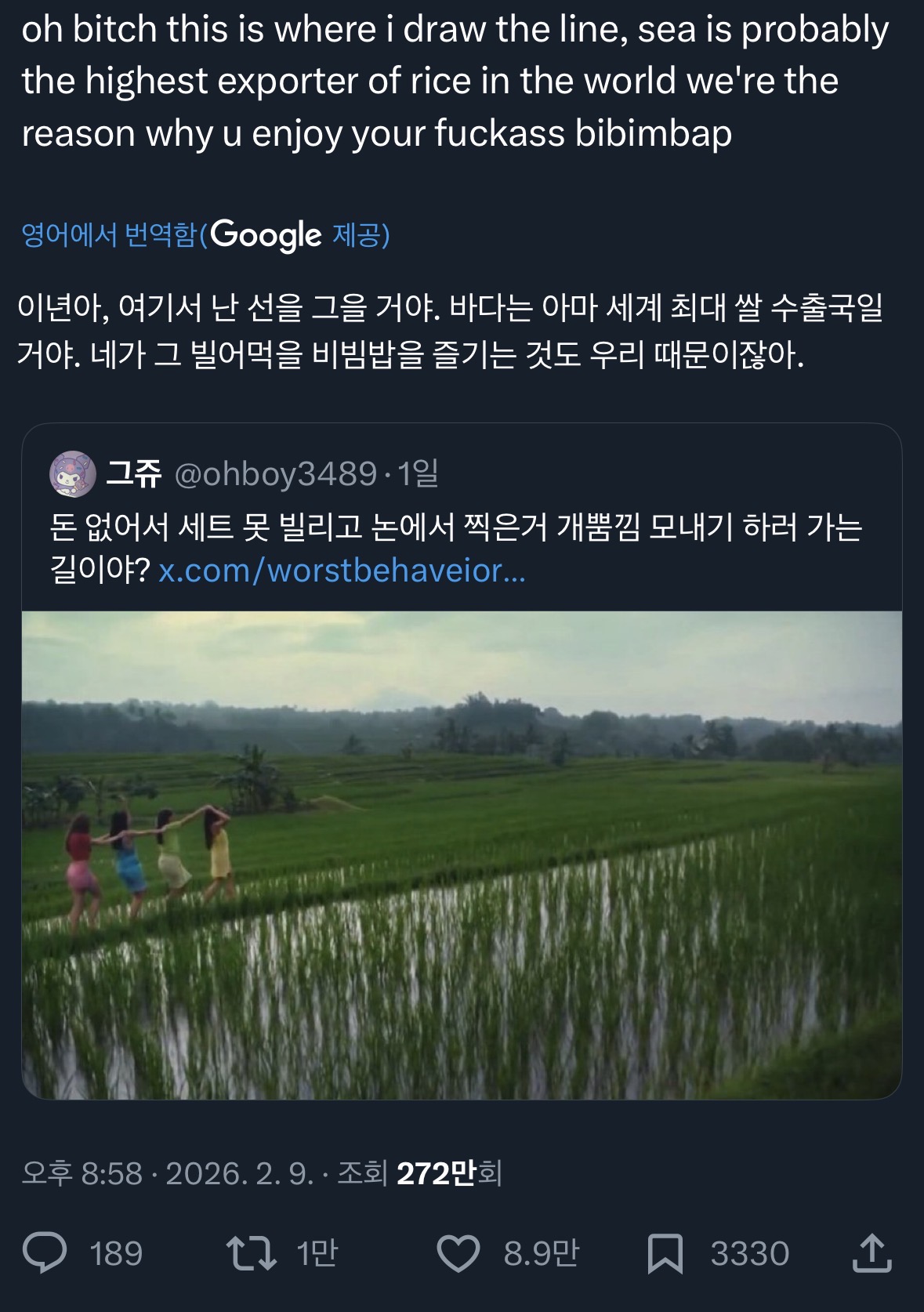
Korean Netizens Hit Back: A Spiral of Mockery and Defense
Naturally, when one’s culture is perceived to be under attack, a defense mechanism kicks in. Korean netizens, known for their passionate and sometimes fiercely nationalistic online presence, were quick to mobilize. What began as reasoned rebuttals or explanations quickly morphed into counter-criticisms and, regrettably, direct mockery of the alleged Southeast Asian origins of the ‘Korea-bashing.’ This is where things really started to get messy, as both sides reportedly began to engage in what the TheQoo post describes as ‘쌍방 개싸움’ – a mutual dogfight.
The online environment became a feedback loop of escalating tension. Each critical tweet from one side was met with an equally scathing reply from the other, often delving into stereotypes or generalizations that only served to inflame the situation further. It’s a stark reminder of how quickly cultural dialogue can transform into cultural warfare when anonymity and perceived slights fuel the flames. The comments section on TheQoo, and undoubtedly across Twitter, became a hotbed of frustration, anger, and a desperate need to ‘win’ the argument.
The Unexpected Twist: The ‘Rice’ Controversy Emerges
And then, just when you thought the online battle couldn’t get any more bizarre, the ‘rice’ controversy entered the chat. According to the viral TheQoo post, amidst the heated exchanges and mutual derision, someone dropped a truly unexpected bomb: the claim that ‘Northeast Asians wouldn’t even eat Southeast Asian rice even if given for free because it lacks stickiness.’ Now, I’m not saying names, but this particular claim sent the entire debate into overdrive, sparking a whole new level of outrage and cultural misunderstanding.
For those unfamiliar, rice is a fundamental staple across Asia, but different regions favor different varieties. Northeast Asian cuisine (Korea, Japan, parts of China) traditionally uses short-grain, sticky rice (japonica), while much of Southeast Asia, particularly Thailand and Vietnam, favors long-grain, non-sticky rice (indica). This seemingly innocuous culinary preference suddenly became a point of contention, with the claim being interpreted as a dismissive and even arrogant generalization, adding a layer of perceived cultural superiority to an already volatile argument. The comments are going INSANE over this particular point, highlighting how deeply personal and culturally significant food can be.
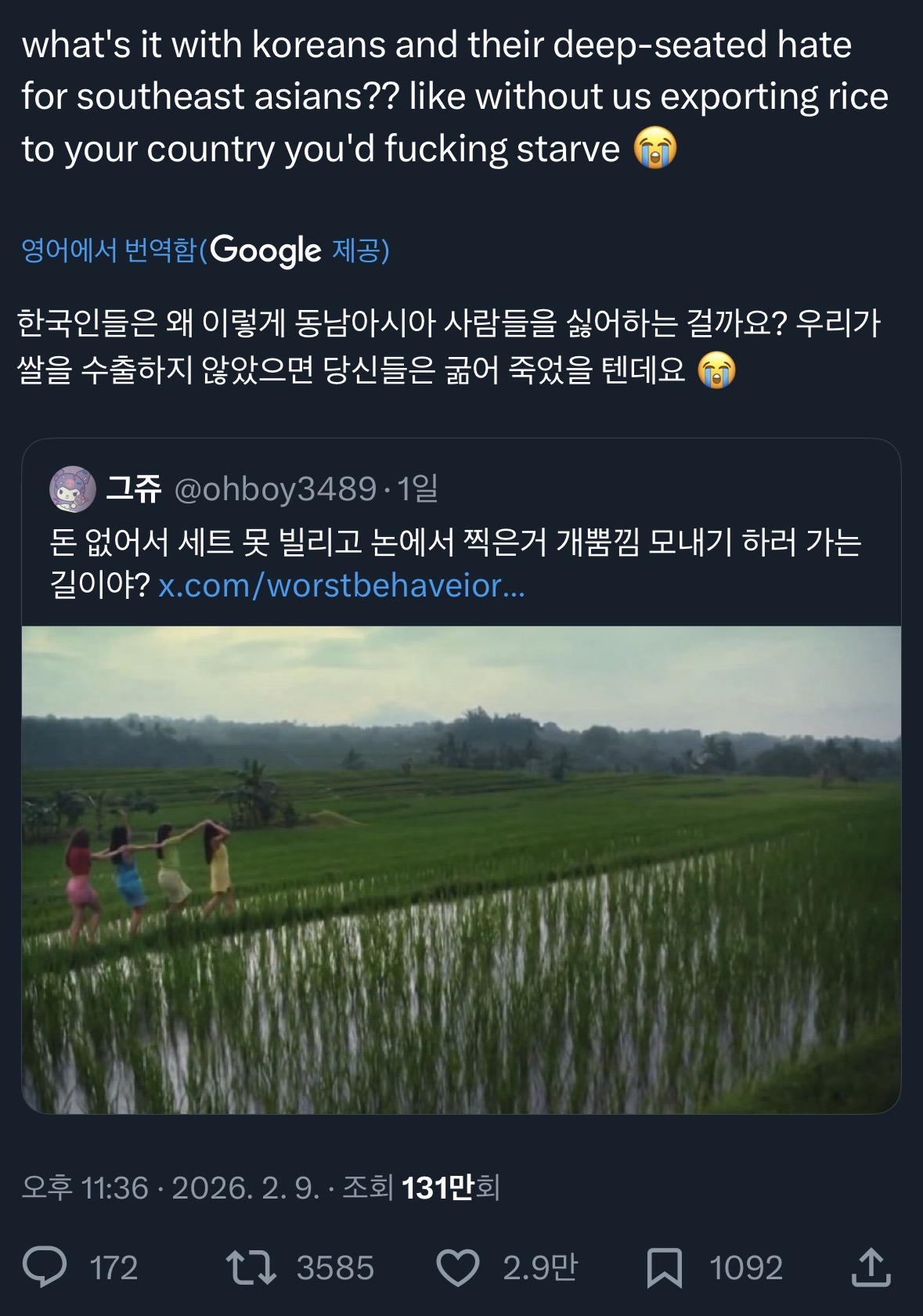
Understanding the Deeper Currents of Online Cultural Clashes
So, why did this particular ‘rice’ comment become such a flashpoint? It speaks to deeper currents of cultural identity, national pride, and perhaps even historical biases. Food is intimately tied to culture, and to dismiss a staple food of an entire region can be seen as a direct insult to its people and heritage. In an online environment already charged with accusations and counter-accusations, this became a perfect storm for further escalation.
Moreover, the controversy highlights the inherent dangers of online generalization. Reducing an entire region’s culinary preferences or cultural practices to a single, dismissive statement not only fosters misunderstanding but actively damages cross-cultural dialogue. It’s easy for anonymity to embolden individuals to make statements they might never utter in person, leading to these kinds of explosive, yet ultimately unproductive, digital conflicts. The nuances of cultural exchange are often lost in the rapid-fire, character-limited world of social media, leaving ample room for misinterpretation and offense.
The Community Pulse: Divided Opinions and Weary Observers
The comments section on TheQoo and across various Korean online communities paints a vivid picture of the divided opinions surrounding this controversy. While some netizens doubled down on the defensive, echoing sentiments about cultural differences and perceived slights, many others expressed fatigue and embarrassment over the escalating ‘dogfight.’
“Honestly, both sides are being ridiculous. Can’t we just appreciate different cultures without tearing each other down?” – A weary observer.
“I can’t believe we’re arguing about rice now. This is peak internet absurdity.” – A netizen expressing disbelief.
“They started it with the Korea-bashing, so what do they expect? Of course, Koreans will defend themselves.” – A defensive commenter.
“It’s just a few loud people on Twitter, it doesn’t represent everyone. This whole thing is getting blown out of proportion.” – A voice of reason.
These reactions show a diverse spectrum, from those who feel genuinely insulted and are ready to retaliate, to those who are simply exhausted by the never-ending cycle of online negativity. There’s also a significant portion of netizens who are attempting to de-escalate, reminding everyone that a few aggressive voices do not represent the entirety of either culture. The trending hashtags are a mix of frustration, humor, and genuine attempts to understand what went wrong.

The Bottom Line: A Lesson in Online Etiquette (or Lack Thereof)
At the end of the day, this ‘Korea-bashing’ turned ‘rice controversy’ is a microcosm of the challenges inherent in global online interactions. It highlights how easily cultural differences can be weaponized in anonymous spaces, and how quickly national pride can override respectful dialogue. While SYNC SEOUL can’t confirm the exact origins or motivations behind every tweet, what’s clear is the widespread impact this digital spat has had on online communities.
It serves as a potent reminder that while the internet connects us, it also has the potential to amplify our divisions. The tea is still brewing, and frankly, I don’t see this particular pot cooling down anytime soon. The question remains: how do we move from these heated skirmishes to more constructive cross-cultural understanding? Or are we destined to forever argue about the stickiness of rice on the internet?
Stay tuned… 👀
*This article contains unconfirmed reports and should be treated as rumor until officially confirmed. SYNC SEOUL does not make claims about the personal lives of celebrities beyond what is reported by credible sources.*
What do you think – is this just another internet squabble, or does it reflect deeper tensions? Share your thoughts (respectfully, please!).