


Beyond the Aesthetic: What Exactly is Ube?
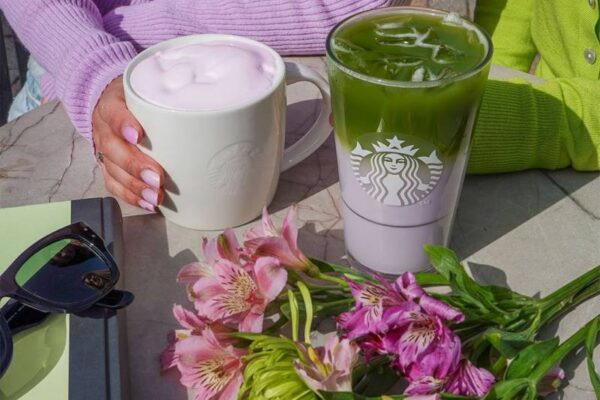
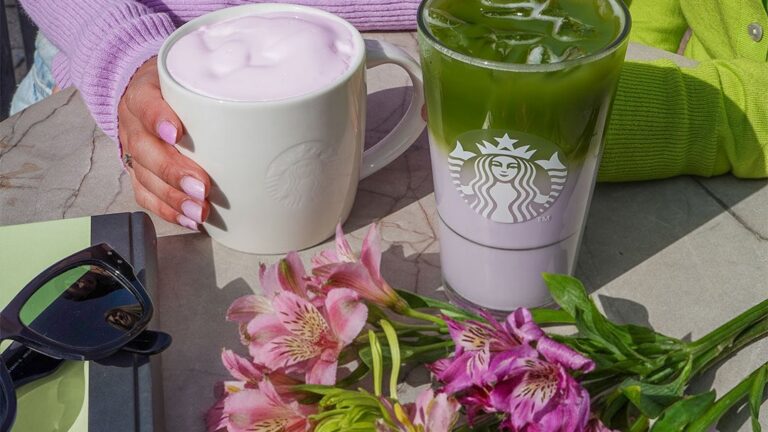
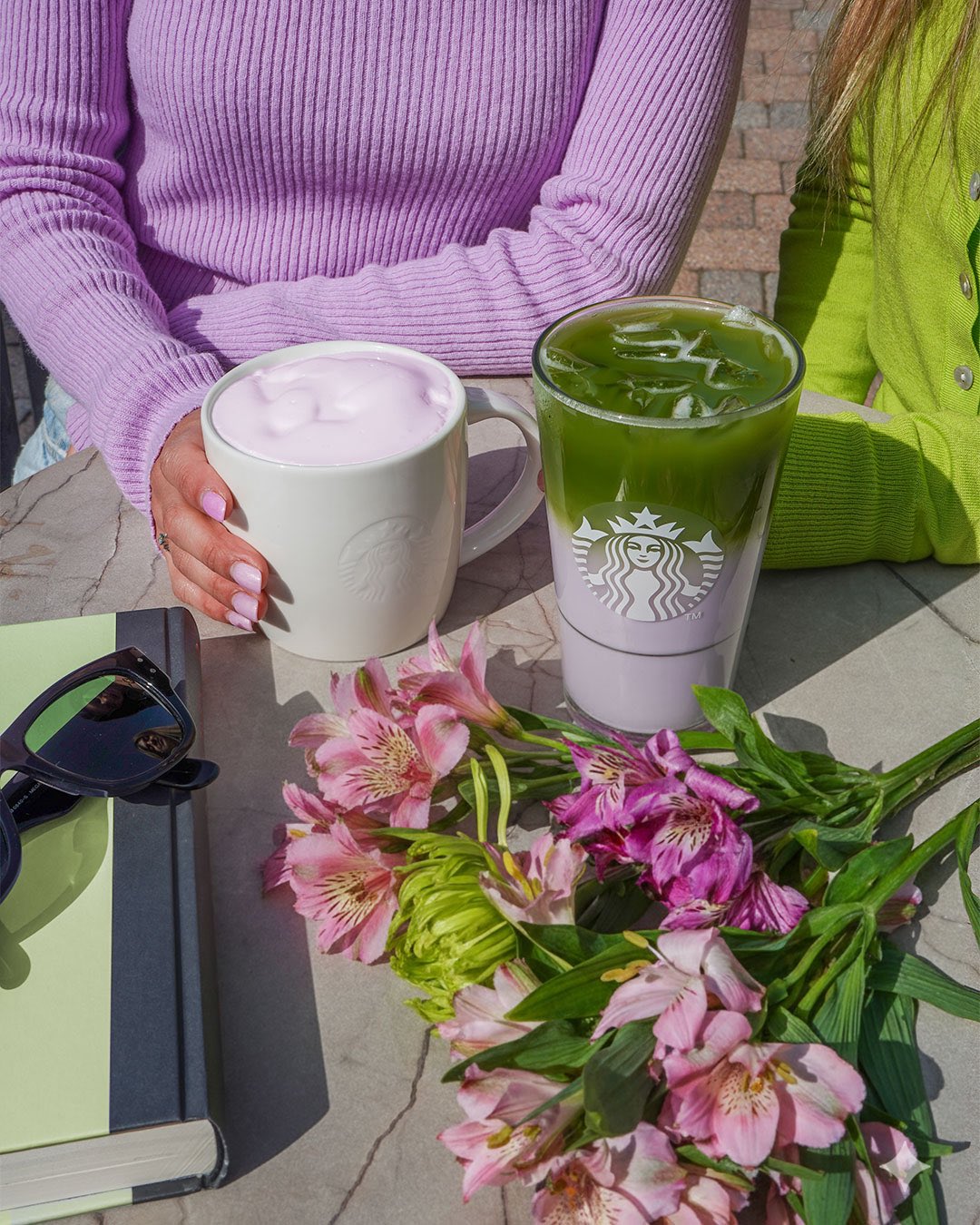
Move over Matcha. While the vibrant green tea powder has held the crown for the better part of a decade, a new chromatic contender is painting our lattes and skincare routines in shades of royal purple. I’m talking about Ube (pronounced oo-beh). If you’ve spent any time on social media lately, specifically within the K-Wellness or global foodie circles, you’ve likely seen this striking tuber. But as an ingredient specialist, I’m less interested in the ‘Instagrammability’ and more focused on the molecular structure. What is this thing, really?
Ube, or Dioscorea alata, is a perennial tuberous root vegetable originating from the Philippines. Unlike the common purple sweet potato (Ipomoea batatas), which has a drier, starchier texture, Ube is a true yam. It possesses a moisture-rich, creamy consistency and a flavor profile that many describe as a cross between nutty vanilla and creamy coconut. Historically, it’s been a staple in Filipino desserts like Halaya (a sweet jam), but in early 2026, we are seeing it transition from a regional delicacy to a global functional food. From a botanical standpoint, its deep pigment is its most valuable asset, signaling a high concentration of specific phytochemicals that our bodies—and our skin—crave.
“I honestly thought the color was artificial at first because it’s so vibrant. But after trying an Ube latte in Yeonnam-dong, I’m hooked. It’s much more mellow than Matcha and feels like a warm hug for your stomach.” — User ‘PurpleDreamer’ on TheQoo
The Anthocyanin Powerhouse: Why Your Cells Love Purple
Let’s break down the chemistry. The most significant reason Ube is gaining traction in the ‘inner-beauty’ sector is its massive load of anthocyanins. These are a type of flavonoid—a class of compounds with potent antioxidant effects. You find them in blueberries and blackberries, but the concentration in Ube is remarkably high. In my lab reviews, I’ve seen data indicating that the specific anthocyanins in Ube, primarily cyanidin and peonidin, are exceptionally stable compared to those in other fruits. This stability is crucial because it means the antioxidants actually survive the digestive process and make it into your bloodstream where they can do some work.
Antioxidants are the body’s primary defense against oxidative stress. Every day, our skin cells face a barrage of environmental aggressors—UV radiation, urban pollution, and blue light from our devices. These factors generate free radicals, which are unstable molecules that break down collagen and elastin. By neutralizing these free radicals, the anthocyanins in Ube act as a systemic shield. Research suggests that a diet rich in these pigments can significantly improve skin elasticity and reduce the appearance of fine lines over time. It’s not just about looking good in a photo; it’s about providing the building blocks for cellular resilience.
Resistant Starch and the Gut-Skin Axis
One aspect of Ube that often gets overlooked in favor of its color is its fiber content. Specifically, Ube is rich in resistant starch. Unlike simple carbohydrates that spike your blood sugar and lead to glycation (a process where sugar molecules attach to proteins, damaging collagen), resistant starch acts more like a prebiotic. It passes through the small intestine undigested and ferments in the large intestine, feeding the beneficial bacteria in your microbiome. This is where the ‘gut-skin axis’ comes into play—a concept we talk about constantly at SYNC SEOUL.
A healthy gut translates directly to a clearer complexion. When your microbiome is balanced, systemic inflammation levels drop. High inflammation is often the root cause of ‘inflammaging,’ acne flare-ups, and even eczema. By incorporating Ube into your diet, you aren’t just getting a vitamin boost; you’re fostering a gut environment that supports skin clarity from the inside out. Furthermore, the low glycemic index (GI) of the raw tuber means it provides sustained energy without the insulin spikes that can trigger sebum overproduction. It’s a win-win for anyone struggling with hormonal breakouts or sensitivity.
Navigating the ‘Ube Craze’: Fact-Checking the Health Claims
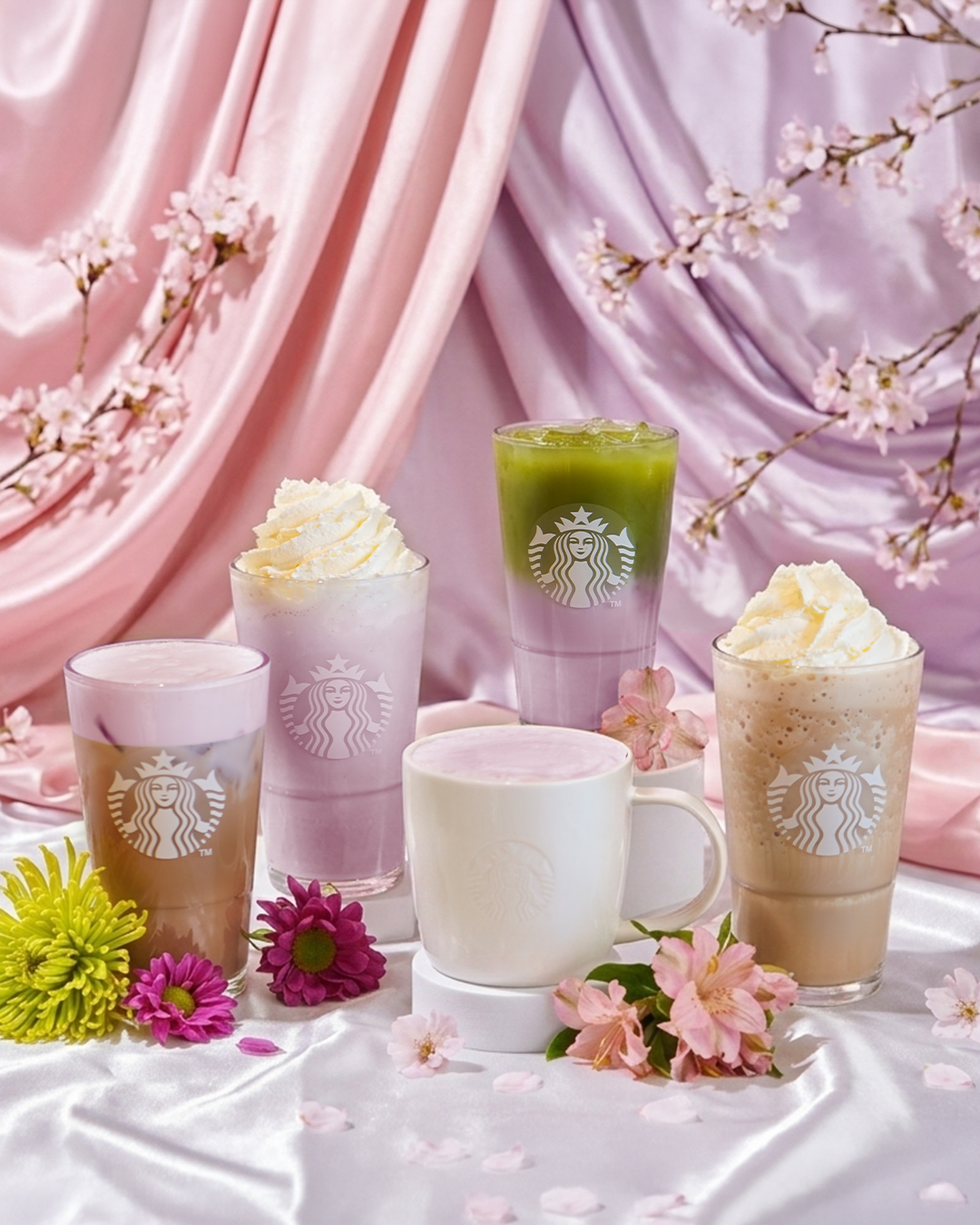
As with any trend that goes viral—this one currently sitting at over 84,000 views on popular Korean forums—we need to exercise some scientific skepticism. Not all ‘Ube’ products are created equal. If you are consuming a highly processed Ube donut or a latte loaded with refined sugar and artificial syrups, you are essentially negating the health benefits of the tuber itself. Sugar is an inflammatory agent; adding a little bit of purple yam powder doesn’t make a sugar-bomb healthy. I’ve seen several ‘Ube-flavored’ products that contain more food coloring (Allura Red and Brilliant Blue) than actual yam.
The key ingredient to look for is Ube Halaya or pure Ube puree. If the ingredient list starts with sugar and ends with ‘purple yam flavor,’ you’re missing out on the anthocyanins and fiber. For those looking to maximize the inner-beauty benefits, I recommend seeking out unsweetened Ube powders or whole tubers if you can find them at specialty markets. From a formulation standpoint, the closer the ingredient is to its natural state, the higher the bioavailability of its nutrients. Don’t let the pretty color distract you from the nutrition label.
“The trend in the US has been huge, but I’m glad it’s finally hitting the K-wellness scene. We focus so much on topical Vitamin C, but eating your antioxidants via Ube is a game changer for that ‘glass skin’ glow.” — K-Food Trend Analyst on social media
Why K-Wellness Enthusiasts are Making the Switch
Why is this happening now, in 2026? We are seeing a shift in the Korean wellness community away from ‘stimulant-based’ health (like high-caffeine Matcha) toward ‘restorative health.’ While Matcha is great for alertness, it can sometimes contribute to cortisol spikes in caffeine-sensitive individuals. Ube, being caffeine-free and rich in potassium and Vitamin C, offers a grounding alternative. Potassium is essential for maintaining fluid balance in the body, which helps reduce puffiness and under-eye bags—a common concern for our readers.
Moreover, the Vitamin C content in Ube shouldn’t be ignored. While we usually think of citrus, a single serving of Ube can provide a significant portion of your daily requirement. Vitamin C is a mandatory cofactor for collagen synthesis. Without it, your body cannot effectively repair skin tissue. By combining the anthocyanins (protection) with Vitamin C (production), Ube becomes a comprehensive ‘beauty food.’ It aligns perfectly with the K-beauty philosophy of prevention and holistic care rather than just treating symptoms on the surface.
Formulating the Perfect Ube Experience: Sera’s Tips
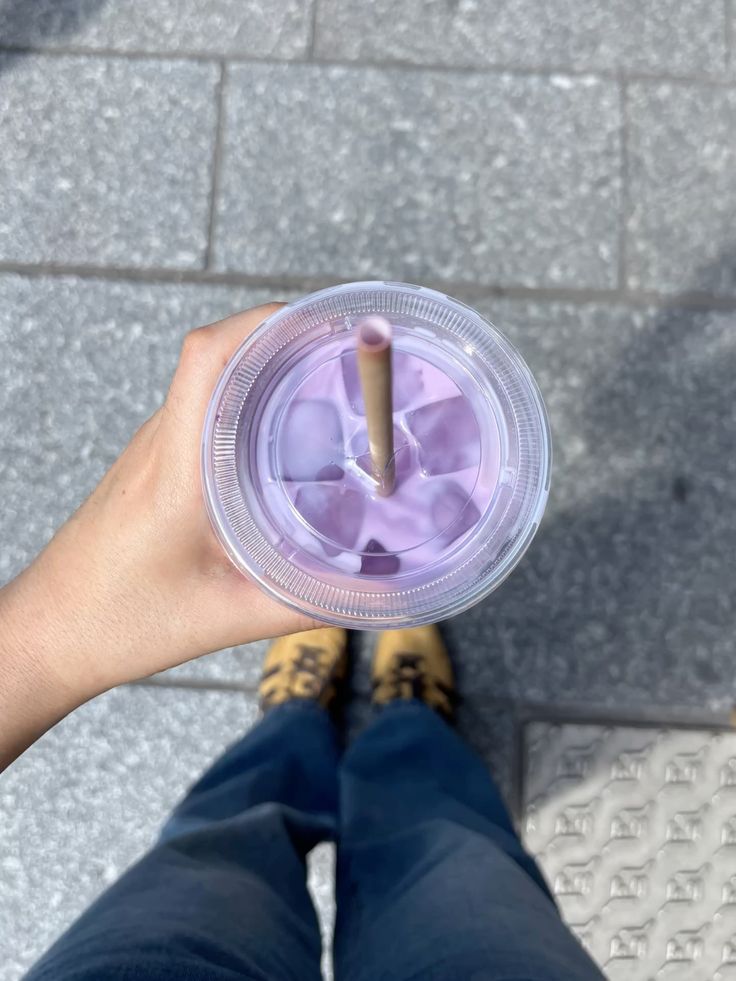
If you want to jump on the Ube train without falling into the sugar trap, here is how I suggest you do it. First, try an Ube latte with an alternative milk like oat or coconut. The fats in these milks actually help with the absorption of certain fat-soluble vitamins found in the yam. Second, look for Ube in its savory forms. In many Southeast Asian cuisines, it’s used in soups or mashed just like a potato. This preserves the fiber and minimizes the glycemic impact. I’ve even started seeing Ube extract appearing in night creams and sheet masks, though the research on topical absorption of Ube-derived anthocyanins is still in its early stages.
The science is clear on this: Ube is more than just a passing fad. It’s a nutrient-dense superfood that offers legitimate benefits for cellular health and skin integrity. As we move further into 2026, I expect to see Ube becoming a permanent fixture in the ‘Inner Beauty’ aisle of our favorite shops. It represents a beautiful intersection of cultural heritage and modern nutritional science. Just remember to check those labels—keep the yam high and the added sugar low. Your skin will thank you for the purple boost.
“I’ve replaced my afternoon coffee with an Ube latte for a week, and my digestion feels so much better. Plus, my skin looks less ‘tired’ by 4 PM. Is it the antioxidants or just the lack of caffeine? Either way, I’m staying purple!” — Comment from a health-conscious blogger
Ultimately, the rise of Ube reminds us that nature often provides the best tools for health in the most vibrant packages. Whether you’re eating it for the fiber, the Vitamin C, or the potent antioxidant protection, this purple yam is a worthy addition to any wellness-focused lifestyle. It’s functional, it’s delicious, and yes, it looks great on your feed. But at SYNC SEOUL, we know the real beauty is what’s happening at the molecular level.