



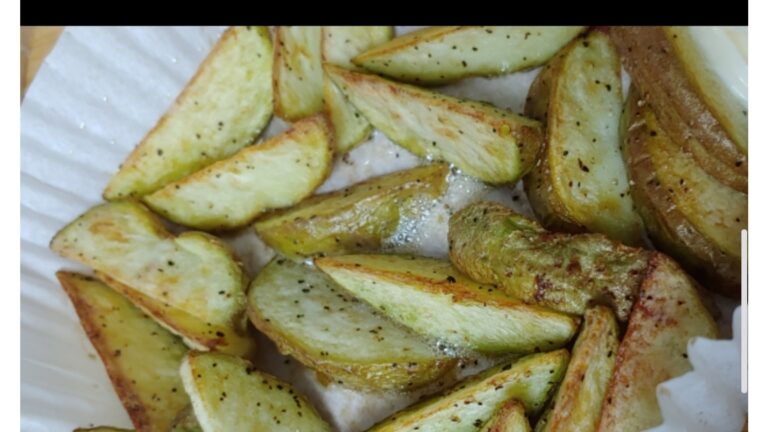
The Viral ‘Avocado’ Potato: What Happened on TheQoo?
Earlier today, March 14, 2026, the Korean internet community was set ablaze by a post on the popular forum ‘TheQoo’ that quickly racked up over 52,000 views. The thread, titled with the legendary term ‘Mandokbulchim’ (만독불침)—a martial arts trope referring to a body that is immune to ten thousand poisons—recounted a user’s harrowing experience after consuming a potato that had turned a vibrant shade of green. While the community laughed, calling the tuber a ‘disguised avocado,’ the reality of the situation was far more dangerous than a simple stomach ache. As an ingredient specialist, I felt it was my duty to step in and explain why this wasn’t just a funny ‘oops’ moment, but a serious case of glycoalkaloid poisoning.
The user, identified only as ‘User 51,’ shared a photo of a potato that looked more like a Granny Smith apple than a root vegetable. Their excuse? ‘I just really like the color green.’ While we can appreciate a consistent aesthetic, the biological reality of a green potato is a warning signal from nature that should never be ignored. According to the post, the user woke up in the middle of the night with such intense abdominal pain that it felt like every drop of moisture was being sucked out of their body. This is a classic symptom of the body attempting to purge toxins, and frankly, they were lucky the outcome wasn’t more severe. Let’s break down exactly what was happening inside that ‘invincible’ stomach from a scientific perspective.
“Is that an avocado? LOL. Your stomach must be made of steel to survive that. Please, from now on, only eat the yellow ones and stay happy!” — Anonymous TheQoo User, 2026-03-14
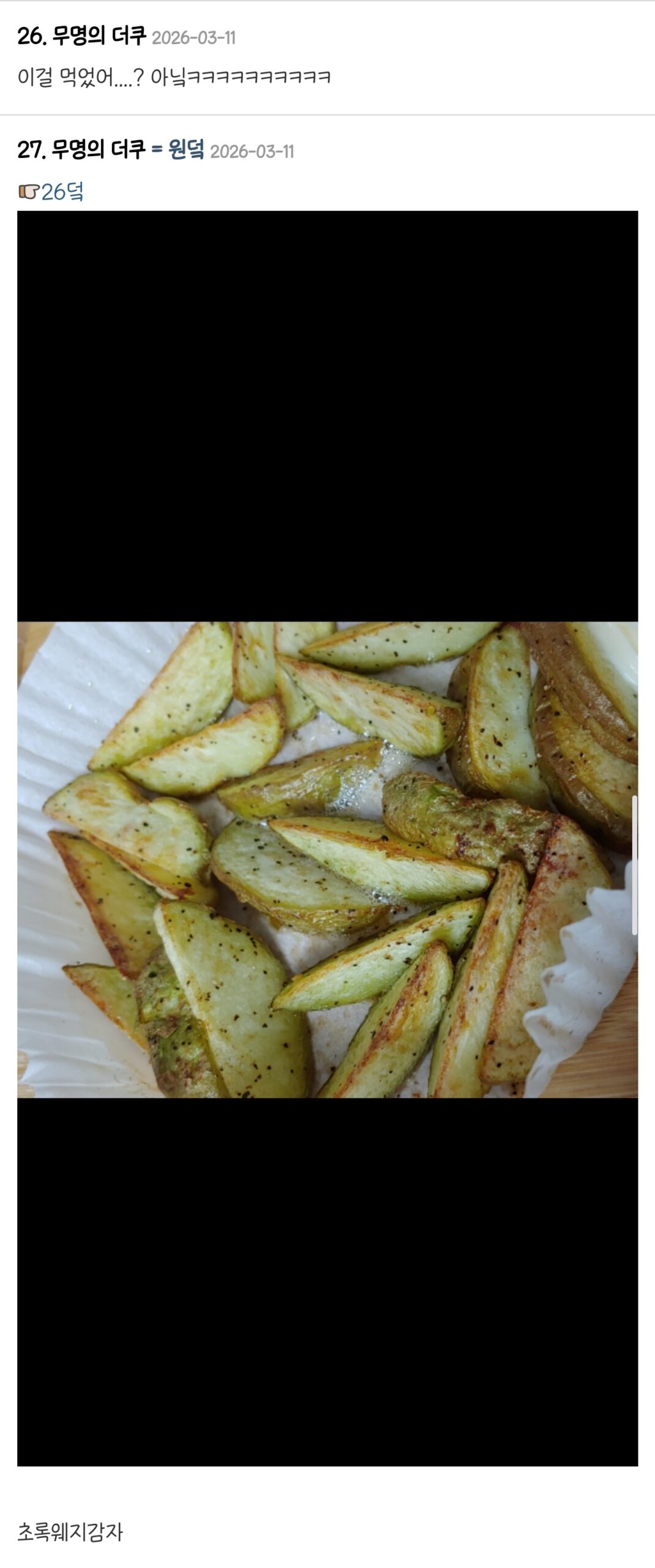
The Chemistry of the Green: Chlorophyll vs. Solanine
When a potato is exposed to light, it begins a natural biological process to protect itself. The green color you see is actually chlorophyll. On its own, chlorophyll is harmless—it’s the same pigment that makes spinach and kale healthy. However, in the world of tubers, green is a proxy for something much more sinister. Light exposure triggers the simultaneous production of chlorophyll and a group of toxic compounds called glycoalkaloids, the most prominent being solanine and chaconine. While the chlorophyll makes the potato look green, the solanine makes it toxic.
Research published in the *Journal of Agricultural and Food Chemistry* has consistently shown that light exposure at the retail level—exactly like the sun-drenched vegetable stall mentioned in the viral post—is the primary driver for rapid glycoalkaloid synthesis. Potatoes are modified stems (tubers) meant to grow underground in total darkness. When they hit the light, they ‘think’ they are becoming a plant that needs to defend itself against insects and fungi. The solanine acts as a natural pesticide. From a formulation standpoint, think of it as a defense serum that is incredibly effective at killing cells, which is great for the potato but disastrous for your digestive lining.
Why Solanine is a ‘Natural Pesticide’
Solanine works by inhibiting an enzyme called acetylcholinesterase. For those of you who aren’t biology nerds, this enzyme is crucial for breaking down neurotransmitters that allow your nerves to communicate with your muscles. When solanine enters your system, it blocks this process, leading to a ‘short circuit’ in your nervous system. This is why symptoms often include not just vomiting and diarrhea, but also headaches, dizziness, and in extreme cases, neurological disruptions. The user on TheQoo mentioned feeling their ‘eyes pop open’ from the pain—that’s the nervous system sounding a five-alarm fire.
A common misconception is that you can simply cook the poison out. Here is what the research says: solanine is incredibly heat-stable. Most cooking methods, including boiling, baking, and even frying at high temperatures, do not significantly reduce the glycoalkaloid content. While deep-frying at 170°C (338°F) can lower levels slightly, it won’t make a heavily green potato safe to eat. The user mentioned the potato was only a day old from the shop, but as I often say in the lab, the age doesn’t matter as much as the storage conditions. If that vegetable stall was catching the 2026 spring sun all day, those potatoes were essentially becoming little poison bombs before they even hit the shopping basket.
“I didn’t know about potato toxicity… I just liked the color green. I woke up at 3 AM feeling like my soul was leaving my body through my stomach. Don’t be like me, watch out for green potatoes!” — User 51 (The Original Poster), 2026-03-14

The Physiological Toll: What Solanine Does to Your Cells
Beyond the nervous system, solanine is a potent cell membrane disruptor. It interacts with the cholesterol in your cell membranes, essentially punching holes in them. This is why the user felt like all the ‘moisture was being sucked out’ of their body. When the lining of your intestines is being attacked at a cellular level, your body initiates a massive inflammatory response, flooding the area with water to flush the toxin out as quickly as possible. This leads to the severe dehydration and cramping described in the viral post. It’s a violent, but necessary, survival mechanism.
Studies show that the toxic dose for humans is relatively low. Symptoms can appear after consuming as little as 2mg of glycoalkaloids per kilogram of body weight. For a standard potato that has turned green, the concentration can easily exceed 200mg/kg. If you’re eating a whole ‘avocado-colored’ potato, you are likely pushing your body to its absolute limit of detoxification. The ‘Mandokbulchim’ nickname given by the commenters is funny, but biologically speaking, the user’s liver and kidneys were likely working overtime to process a chemical that is designed to be a lethal deterrent.
Prevention and Proper Storage: The Science of Darkness
So, how do we prevent our kitchen staples from turning into health hazards? The key is controlling the environment. Since we know that light (specifically blue and UV light) is the catalyst for solanine production, storage is everything. Potatoes should be kept in a cool, dark, and well-ventilated space. Many people make the mistake of keeping them in clear plastic bags or on the countertop because it looks ‘rustic.’ In reality, you are better off using a brown paper bag or a breathable burlap sack inside a dark pantry.
Another pro-tip from the lab: keep your potatoes away from onions. Onions produce ethylene gas, which can speed up the sprouting process in potatoes. While sprouts (the ‘eyes’) contain the highest concentration of solanine, the presence of sprouts often indicates that the rest of the tuber is also increasing its glycoalkaloid levels. If you see a small green patch, you can technically cut it off—provided you remove at least a centimeter of the underlying flesh. However, if the potato looks like the one in the viral photo, there is no saving it. The risk-to-reward ratio is simply not in your favor.
“This is the most terrifying ‘mukbang’ I’ve ever seen. The fact that they thought it was an avocado is peak 2026 comedy, but I’m glad they’re alive to tell the tale.” — TheQoo Commenter #381, 2026-03-14
Sera’s Verdict: When to Toss and When to Trim
Let’s be clear: food safety is the foundation of inner beauty. You can use all the niacinamide and snail mucin you want, but if you’re taxing your system with avoidable toxins, your skin and energy levels will show it. The ‘Invincible Stomach’ story is a perfect example of why we need better scientific literacy regarding the food we eat every day. It’s easy to get caught up in the aesthetics of a ‘green’ lifestyle, but in the case of potatoes, green is the color of danger, not health.
My recommendation? If it’s green, let it go. If it’s sprouted, be aggressive with your knife or toss it. And most importantly, be mindful of where you buy your produce. Avoid shops that display their root vegetables in direct sunlight. The user’s experience was a lucky escape, but solanine poisoning can lead to much more than a bad night—it can cause long-term digestive sensitivity and, in extreme cases, respiratory failure. Stay safe, stay informed, and let’s keep the green for our salads and our skincare, not our starch.