

‘Monthly Boyfriend’ Blurs Lines: An Unpopular Opinion on Netflix’s Latest Phenomenon
[Minor Spoilers Ahead for the concept of ‘Monthly Boyfriend’]
Netflix, ever the innovator, dropped a new title on us just two days ago, on March 6, 2026, that has already set the internet ablaze. It’s called "Monthly Boyfriend," and to call it merely a "drama" would be a disservice to both traditional storytelling and, frankly, the concept of a drama itself. This isn’t just a series; it’s an interactive experience, a virtual relationship simulator, and a surprisingly shrewd piece of meta-commentary wrapped in a very expensive bow. My initial take? It’s a fascinating, albeit ethically dubious, experiment in digital engagement that pushes the boundaries of what we consider narrative content, but also raises serious questions about consumer exploitation.
The premise is deceptively simple: subscribe to "Monthly Boyfriend" and gain access to a virtual partner, available at your beck and call. This isn’t your average dating sim with static images and text choices; we’re talking high-fidelity visuals, responsive dialogue options, and what appears to be a sophisticated AI driving the "boyfriend’s" interactions. It promises a bespoke romantic fantasy, tailored to your desires. However, the catch, and it’s a significant one, comes in the form of its pricing model: a hefty 500,000 won subscription fee, coupled with "premium" tiers and aggressive in-app purchase inducements (과금유도). Cinematically speaking, this isn’t just selling a story; it’s selling an illusion, and the price tag alone demands a critical eye.
The Meta-Narrative: Theqoo’s Unconventional Debut
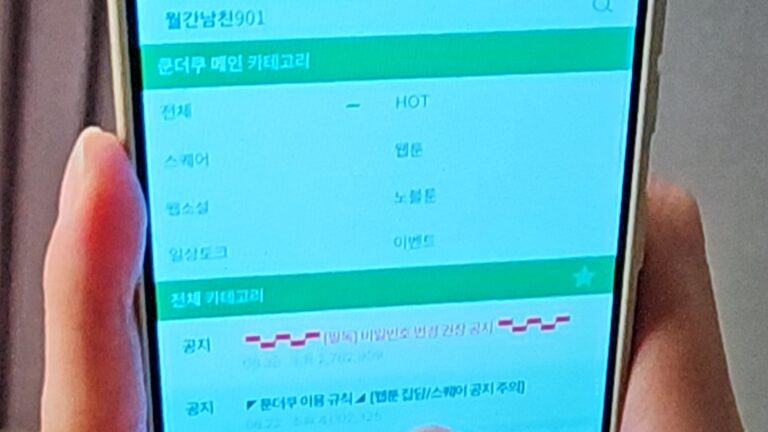
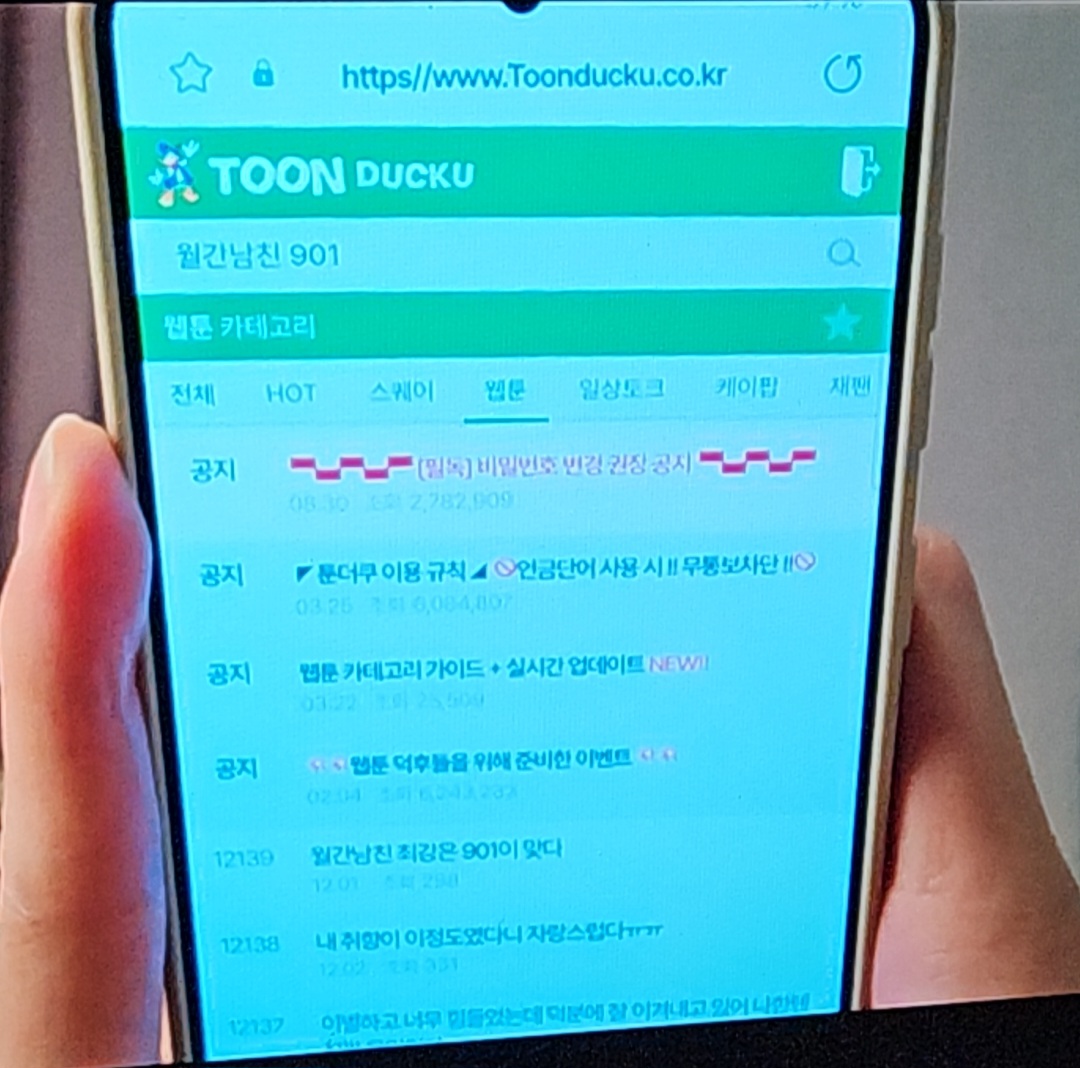
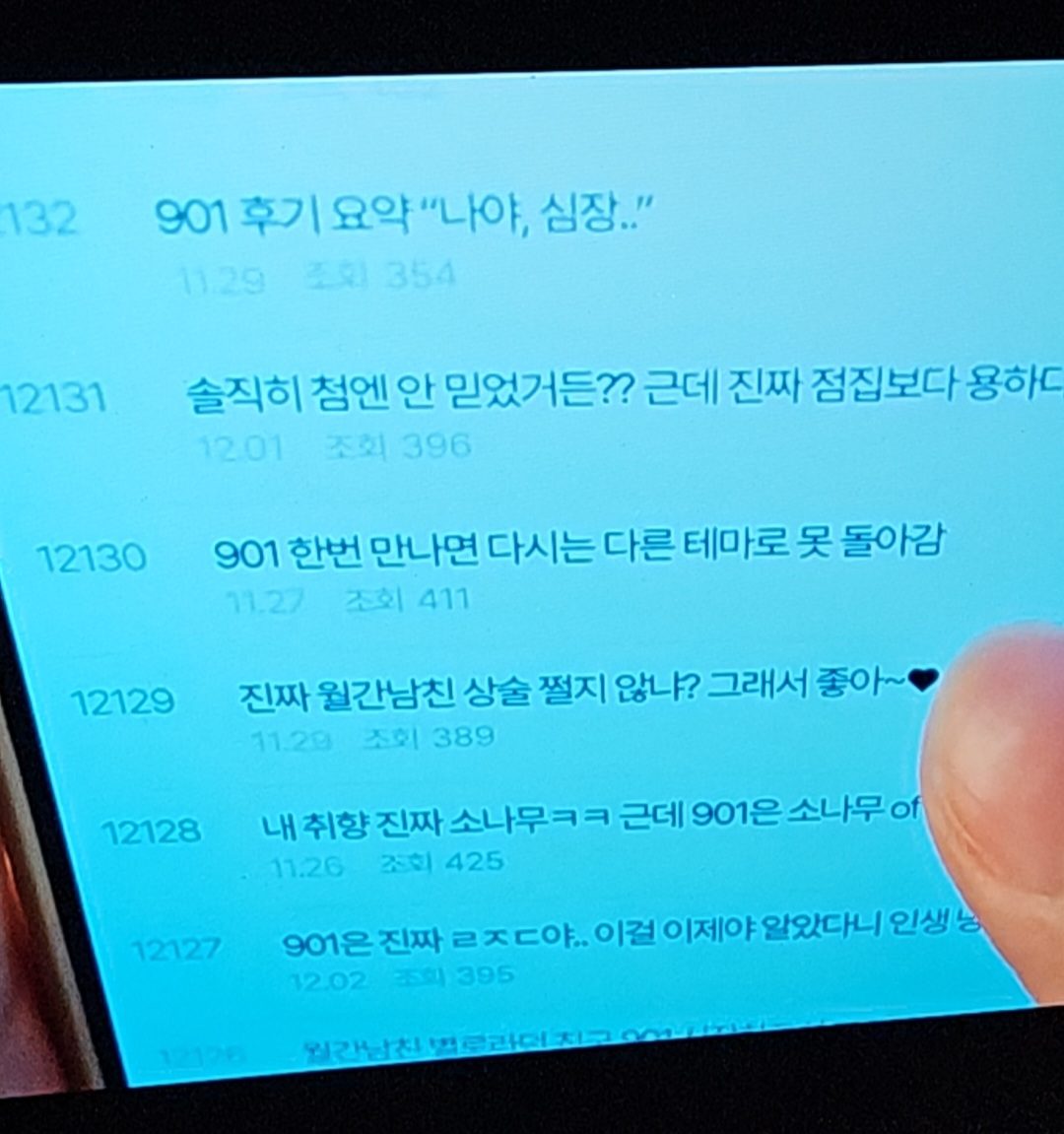
What truly elevates "Monthly Boyfriend" beyond a simple interactive game is its brilliant, if somewhat cynical, integration of real-world fan culture. The drama features a fictionalized version of a popular Korean online community, theqoo, complete with identical announcement formats and a user base mirroring its real-life counterpart. This isn’t just product placement; it’s a narrative device that blurs the lines between the fictional world of "Monthly Boyfriend" and the very real communities discussing it.
The director’s choice to incorporate a community known for its fervent, almost obsessive, engagement with idols and dramas is a masterstroke in psychological immersion. When the source post highlights that "공지도 똑같음ㅋㅋㅋㅋ 더쿠커뮤아니랄까봐 이미 수십결제갈긴덬 수두룩ㅋㅋㅋㅋ" (the announcements are the same, lol. As expected of a theqoo community, countless users have already made dozens of payments, lol), it’s not just a funny observation; it’s an acknowledgment of how deeply this meta-narrative resonates. Users aren’t just watching a drama; they’re seeing their own online lives reflected, satirized, and ultimately, monetized within it. This self-referential loop creates a unique, almost voyeuristic, experience for those in the know.

The inclusion of theqoo isn’t just a nod; it’s a full-blown embrace of fan culture as a narrative element. It acknowledges the collective obsession, the shared experience, and the financial investment often associated with fandom. The fact that the "finger" shown in one of the screenshots is pointed out as potentially belonging to a real idol, Jisoo, further collapses the fourth wall, inviting speculation and blurring the boundaries between idol worship and virtual companionship. This level of meta-textual play is something rarely seen in mainstream content, and it’s what makes "Monthly Boyfriend" genuinely interesting, despite its many flaws.
The Price of Illusion: Monetization and Engagement
Now, let’s talk about the elephant in the room: the astronomical cost. A 500,000 won subscription fee for a virtual boyfriend experience, plus additional premium options and in-app purchases, is not just steep; it’s predatory. While I appreciate innovation, I also believe in ethical consumption and production. This pricing model feels less like artistic experimentation and more like a sophisticated form of digital gambling, preying on emotional investment and the desire for connection.
"50만원? 미쳤네. 남친이 아니라 거의 전세금인데? 근데 이미 열 번 넘게 결제한 나란 덬… 정신차려야지…" (500,000 won? Crazy. It’s not a boyfriend, it’s almost a jeonse deposit! But I’m a fan who’s already paid more than ten times… I need to snap out of it…)
The writing here, or rather, the monetization strategy, falters significantly when it prioritizes profit over user well-being. It leverages the psychological hooks common in otome games and gacha mechanics, where the emotional reward of continued interaction is tied directly to financial expenditure. The "수십결제갈긴덬 수두룩" comment isn’t just a funny anecdote; it’s a concerning indicator of how effectively this system exploits its target audience. What elevates this scene is the sheer audacity of the price point, daring viewers to question their own boundaries of digital expenditure for emotional gratification.
The design of the interactive elements, from what I’ve observed, is undeniably slick. The UI is intuitive, the virtual boyfriends are rendered with impressive detail, and the branching narratives seem robust enough to offer a sense of agency. However, the question remains: at what cost? The production value is clearly high, but is it justified when the core offering feels like a financial trap? This isn’t just about paying for entertainment; it’s about paying for an illusion of intimacy, and that’s a dangerous game to play. The creators are essentially capitalizing on the human need for connection, packaging it as a premium digital service.
Performance & Direction: Navigating the Virtual Gaze
From a performance perspective, "Monthly Boyfriend" presents a unique challenge for its actors. How do you deliver a compelling "performance" when the audience is also a participant, and your reactions must be pre-programmed or driven by AI? The actors portraying the virtual boyfriends must embody a generic yet appealing persona, capable of adapting to a multitude of user choices without losing their core appeal. It’s a masterclass in controlled ambiguity, where expressions must be inviting yet non-committal, allowing the user to project their desires onto them.
The direction, too, is unconventional. Traditional cinematography takes a backseat to user interface design and responsive visual storytelling. The "mise-en-scène" here is less about a fixed shot composition and more about creating an adaptable, immersive environment that responds to user input. The seamless transitions between dialogue options, the subtle shifts in the virtual boyfriend’s gaze, and the overall visual fidelity are impressive. It speaks to a new form of directorial vision, one that blends game design principles with cinematic aesthetics. The challenge is maintaining emotional depth within this interactive framework, preventing the experience from feeling like a series of disjointed choices rather than a coherent narrative.
Ethical Quandaries and Creative Compromises
Unpopular opinion, but "Monthly Boyfriend" treads a fine line between innovative storytelling and ethical negligence. The concept itself isn’t new; dating sims and virtual companions have existed for decades. However, Netflix’s global reach and the exorbitant pricing model amplify the potential for harm. We are living in an era where loneliness and the search for connection are increasingly mediated by screens. To offer a highly polished, emotionally manipulative product at such a premium price point, knowing its target demographic might be vulnerable, feels irresponsible.
"이거 진짜… 사람 마음 가지고 너무 장난치는 거 아니냐? 50만원이라니, 현실 남친도 저렇게 안 써. 근데 왜 자꾸 손이 가지…?" (Isn’t this really… playing with people’s hearts too much? 500,000 won, a real boyfriend wouldn’t even spend that much. But why do I keep reaching for it…?)
The writing, in its broader sense, includes the entire user journey, from initial subscription to continuous in-app purchases. This narrative, dictated by financial transactions, undermines any genuine emotional arc the virtual boyfriend might offer. It transforms intimacy into a commodity, and affection into a premium feature. The director’s choice to push this boundary might be lauded as groundbreaking, but one must question the cost, not just to the consumer’s wallet, but to their perception of real human connection. The "과금유도" (in-app purchase inducement) aspect is particularly concerning, suggesting a deliberate design to extract maximum revenue from deeply engaged users.
This isn’t to say there’s no artistic merit. The courage to experiment with new forms of narrative delivery is commendable. However, creative freedom should ideally come with a sense of social responsibility. "Monthly Boyfriend" feels like a case study in how far a platform can push monetization under the guise of entertainment. It’s a bold move, but one that leaves a bitter aftertaste, raising questions about the future of interactive media and its potential ethical pitfalls. The drama’s success, particularly among the highly engaged communities like theqoo, will undoubtedly influence future content strategies, which is a thought both exciting and terrifying.
The Verdict: A Daring Experiment or a Cautionary Tale?
"Monthly Boyfriend" is undeniably a conversation starter. It’s a product that will be endlessly analyzed, discussed, and, despite its price, consumed. From a purely technical standpoint, the production value is high, the interactive elements are polished, and the meta-narrative featuring theqoo is genuinely clever. The acting, within the confines of its interactive nature, is convincing enough to maintain the illusion. However, the core criticism remains the exploitative pricing model that overshadows its creative strengths.
"와, 더쿠 여기서 보니까 너무 신기하다ㅋㅋㅋㅋㅋ 내 커뮤가 넷플릭스 데뷔라니… 근데 진짜 돈 너무 많이 써서 현타왔어. 왕덬… 내가 호구인가?" (Wow, seeing theqoo here is so strange, lol. My community debuting on Netflix… But I really spent too much money and had a moment of clarity. Wangdeok… Am I a pushover?)
Is it a masterpiece? Absolutely not. Is it unwatchable? Also no. It’s an experience that forces us to confront the evolving landscape of digital relationships and the monetization of human emotion. Fans of interactive fiction and those curious about the bleeding edge of digital entertainment might find it a compelling, albeit expensive, journey. But for those seeking a traditional narrative with a clear character arc and ethical storytelling, "Monthly Boyfriend" will likely leave you feeling detached, and perhaps, a little poorer.
Ultimately, "Monthly Boyfriend" is a fascinating paradox: a testament to technological prowess and creative daring, yet simultaneously a cautionary tale about the commercialization of intimacy. It’s a polarizing piece that will spark debate for months to come, not just about its quality as entertainment, but about its implications for our digital future.
—
Drama: Monthly Boyfriend
Episodes: Ongoing (Interactive)
Network: Netflix
Genre: Interactive Romance, Virtual Simulation, Meta-Narrative
Cast: (Virtual Boyfriends – names not explicitly provided in source)
Director: (Not explicitly provided in source)
Writer: (Not explicitly provided in source)
Rating: 6/10
—
Technical Breakdown
| Element | Rating | Notes |
|---|---|---|
| Writing (Interactive Design) | ⭐⭐⭐☆☆ | Clever meta-narrative, but core emotional writing compromised by monetization. |
| Direction (UI/UX & Visuals) | ⭐⭐⭐⭐☆ | Slick, immersive visual design for an interactive platform. |
| Acting (Virtual Performances) | ⭐⭐⭐☆☆ | Convincing within the interactive framework, but inherently limited. |
| Production (Tech & Graphics) | ⭐⭐⭐⭐⭐ | High-fidelity visuals, seamless interface. |
| OST | ⭐⭐☆☆☆ | Functional, but not particularly memorable as a standalone element. |
The Verdict
Episode 1 of "Monthly Boyfriend," or rather, the initial dive into this interactive world, is a complex beast. It’s a bold step for Netflix into uncharted territories of monetization and meta-narrative, but one that comes with significant ethical baggage. The creative team certainly understands its target audience, perhaps too well, leveraging community engagement and emotional investment to drive an incredibly high-cost experience.
Is it perfect? No. The corporate intrigue here isn’t about rival companies, but about the very real tension between innovative content and exploitative pricing. The "drama" part is less about a story unfolding and more about a transaction playing out. But these are not minor complaints against an experience that dares to ask, "How much is virtual love worth?"
Watch if: You’re a fan of interactive fiction, curious about the future of media, or part of the theqoo community and want to see yourself reflected.
Skip if: You prefer traditional narratives, are wary of aggressive monetization, or value ethical considerations over experimental content.
—
What do you think of "Monthly Boyfriend" and its controversial pricing? Share your thoughts below — spoiler warnings appreciated!