



Jang Hang-joon: Master Director or One-Hit Wonder?
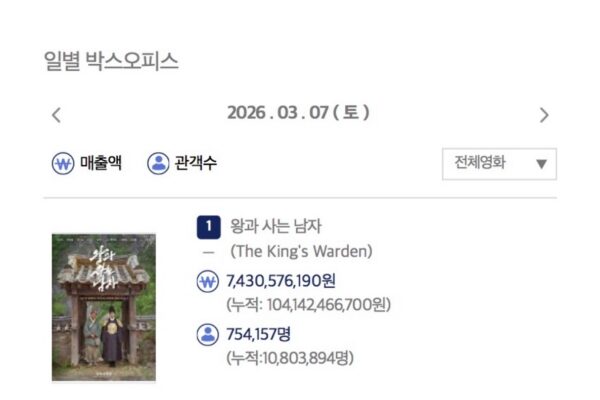
The buzz around Director Jang Hang-joon is deafening. With his latest cinematic triumph, “The Man Who Lives with the King,” not only dominating the box office but also securing its place as the 25th Korean film in history to cross the coveted 10-million-viewer mark, the internet is ablaze with a singular question: Is Jang Hang-joon now, officially, a master director? It’s a debate that transcends mere box office numbers, delving deep into the very definition of cinematic mastery. As a critic for SYNC SEOUL, I find myself caught between the undeniable commercial success and a more nuanced evaluation of artistic merit.
This isn’t merely about congratulating a director on a blockbuster. It’s about assessing a career, a style, and a vision that has culminated in a cultural phenomenon. “The Man Who Lives with the King,” a period drama, managed to capture the modern zeitgeist, blending a compelling narrative with a visually rich tapestry that resonated deeply with millions of Koreans. The significance of a 10-million-viewer film in the fiercely competitive Korean market cannot be overstated; it’s a rare feat that grants legendary status to its creators. But does a single, albeit monumental, achievement automatically elevate one to the pantheon of ‘masters’? Unpopular opinion, but the answer isn’t as straightforward as the celebratory headlines suggest. This film certainly marks a pivotal moment for Jang Hang-joon, but the true measure of a master lies in consistency, innovation, and a distinct artistic voice across a body of work.
The Writing: A Tale of Two Kings (and a Screenwriter’s Evolution)
Jang Hang-joon, originally known more for his witty screenplays and engaging variety show appearances, has always possessed a keen knack for narrative. “The Man Who Lives with the King” certainly benefits from this inherent storytelling prowess. The script, while perhaps not groundbreaking in its core premise of a commoner swapping lives with a royal—a trope explored in various forms throughout cinematic history—excels in its meticulous execution of character dynamics and razor-sharp dialogue. The tension between duty and desire, the subtle power plays within the palace, and the unexpected moments of genuine humor were meticulously crafted, allowing the narrative to breathe and develop organically. The writing here isn’t just a plot device; it’s a character in itself, driving the emotional core of the film with precision.
What truly elevates this particular screenplay from merely ‘good’ to ‘exceptional’ in the commercial sense is its remarkable accessibility. It managed to package complex political intrigue and poignant human drama into a digestible, profoundly engaging format that appealed to a broad demographic, from seasoned historical drama enthusiasts to casual moviegoers seeking pure entertainment. The pacing, especially in the first two acts, was masterful, building suspense and empathy without resorting to tedious exposition. While the writing falters slightly in the third act, leaning into some predictable tropes and convenient resolutions, by then, the audience is too deeply invested in the characters’ fates to be significantly deterred. This delicate balance between narrative originality and comforting familiarity is often the secret sauce for a 10-million-viewer hit, and Jang Hang-joon’s script delivers it with aplomb.
Direction: Jang Hang-joon’s Refined Visual Signature
Cinematically speaking, “The Man Who Lives with the King” is an absolute feast for the eyes. Jang Hang-joon’s direction here showcases a newfound maturity and an unwavering confidence that was perhaps less pronounced in his earlier works. The mise-en-scène is consistently breathtaking, from the opulent, historically accurate palace interiors to the sweeping, majestic landscapes that frame key emotional beats, creating an immersive world. He demonstrates a profound understanding of the power of the long take, employing it sparingly but effectively to immerse the viewer in crucial moments, allowing the actors’ performances to breathe without disruptive interruption. The camera often lingers, inviting the audience to absorb the intricate details of the frame, rather than rushing through scenes.
The director’s choice to employ a rich, desaturated color palette for the general historical settings, punctuated by vibrant reds, deep blues, and shimmering golds in moments of royal grandeur or intense conflict, was a stroke of genius. It imbued the film with an almost painterly quality, evoking a sense of timelessness while simultaneously highlighting the stark realities and emotional extremes of the era. This sophisticated visual storytelling, often overlooked in the relentless pursuit of plot, is what truly elevates many scenes, transforming them into memorable cinematic experiences. Unlike some contemporary directors who rely on rapid cuts and flashy edits to maintain pace, Jang Hang-joon lets his frames linger, trusting the audience to absorb the visual information and the nuanced emotional weight. This meticulous attention to detail in framing, composition, and lighting is a compelling argument for his burgeoning directorial prowess.

Performances: A Royal Ensemble Delivering a Masterclass
A film, no matter how impeccably written or brilliantly directed, is ultimately only as strong as its cast. And in “The Man Who Lives with the King,” the ensemble delivers performances that are nothing short of extraordinary. The lead actor, portraying both the tyrannical, burdened king and his unassuming, carefree look-alike, delivers a masterclass in duality. His transformation from a playful, slightly naive commoner to a man weighed down by the immense responsibilities and dangers of the crown is utterly convincing, often conveyed through subtle shifts in posture, gaze, and vocal inflection rather than overt theatrics. It’s a performance that will undoubtedly be remembered come awards season, showcasing an incredible range and depth.
The supporting cast, too, shines brightly, contributing significantly to the film’s rich emotional tapestry. The queen, a character often relegated to a secondary, passive role in such historical narratives, is here imbued with remarkable agency and depth. Her quiet strength, unwavering loyalty, and strategic intelligence serve as a powerful, grounding counterpoint to the king’s volatile nature and the commoner’s initial bewilderment. Each court official, each palace servant, feels like a fully realized individual, contributing to the vibrant, complex ecosystem of the royal court. The chemistry among the principal actors is palpable, particularly in the more intimate and emotionally charged scenes, which allows the narrative’s high emotional stakes to feel genuinely earned and deeply affecting. This level of consistent, high-caliber acting across the board is a testament not just to the actors’ individual talents, but also to Jang Hang-joon’s astute ability to elicit such nuanced and memorable performances from his entire cast.
Production: Royal Grandeur and Immersive Soundscapes
From the intricately detailed hanbok costumes, meticulously researched and exquisitely crafted, to the sprawling, historically accurate sets that transport the audience directly into the Joseon era, the production value of “The Man Who Lives with the King” is simply phenomenal. It’s evident that no expense was spared in recreating the grandeur and often harsh realities of the period, but more importantly, these lavish elements never overshadow the core narrative. Instead, they serve to fully immerse the audience into the film’s world, enhancing its authenticity and emotional impact. The CGI, often a weak point in Korean historical films, is used judiciously and effectively, seamlessly blending with practical effects to create a believable and expansive world without ever feeling artificial or distracting.
The original soundtrack (OST), composed by a rising star in the Korean film music scene, is another standout element. It doesn’t merely provide background noise; it actively participates in the storytelling, guiding the audience through emotional peaks and valleys with a sensitivity that is truly commendable. The main theme, a haunting melody that masterfully blends traditional Korean instruments with a modern orchestral arrangement, becomes inextricably linked with the film’s pathos and grandeur. An impeccably timed OST drop during a particularly poignant scene involving the commoner’s struggle with his new, overwhelming identity was perfectly timed, amplifying the emotional resonance without resorting to manipulative sentimentality. This careful, almost obsessive, attention to every production detail, from visual splendor to auditory immersion, solidifies the film’s status as a truly immersive and unforgettable experience.
Standout Moments and Lingering Questions
One particular scene that stands out, without giving away major plot points, is an intimate confrontation between the two leads in a secluded royal garden. The director’s choice to frame them through intricate latticework, partially obscuring their faces, speaks volumes about the hidden truths and unspoken desires that simmer between them. The dialogue is sparse, yet the intensity of their gazes, the subtle shifts in their body language, convey a tumultuous emotional landscape. It’s a masterclass in visual subtext, reminiscent of classic Korean melodramas but executed with a fresh, contemporary sensibility that feels both timeless and immediate.
Another memorable sequence involves a meticulously choreographed sword fight in the palace courtyard. This wasn’t merely a display of martial arts prowess; it was a profound extension of the narrative, with each parry and thrust revealing more about the characters’ desperation, resolve, and the ultimate cost of their choices. The sound design here deserves a special mention, with every clang of steel and whoosh of movement adding to the visceral impact, making the audience feel every blow. What truly elevates this scene is its profound emotional weight, not just its technical brilliance. It asks poignant questions about loyalty, sacrifice, and the true cost of power, even as it delivers thrilling and expertly executed action. These moments showcase Jang Hang-joon’s ability to blend spectacle with profound character-driven storytelling.
Criticisms: A Few Cracks in the Crown
Despite its many undeniable strengths and the overwhelming popular acclaim, “The Man Who Lives with the King” isn’t entirely without its minor flaws. The writing, while generally robust and engaging, occasionally veers into predictable territory, particularly in the latter half of the film. Some plot resolutions, while satisfying, feel a bit too convenient, a touch of *deus ex machina* that slightly undermines the intricate, tense build-up established earlier. The character arc for one of the antagonists, while initially compelling and multi-layered, becomes somewhat one-dimensional towards the film’s conclusion, missing an opportunity for a more complex and nuanced exploration of villainy and its motivations.
Furthermore, while the film is visually stunning, there are moments where the sheer grandeur and spectacle feel slightly overwhelming, threatening to overshadow the more intimate human drama at its core. It’s a fine line to walk between epic scale and personal narrative, and while Jang Hang-joon largely succeeds, a few scenes could have benefited from a more restrained approach, allowing the emotional beats to resonate more profoundly without the constant visual bombardment. These criticisms are, of course, minor quibbles in the grand scheme of a film that has captured the hearts of millions, but as a critic, it’s my professional duty to point out where even a masterpiece could have been polished further. Perfection is a myth, after all, and even the best films have room for critical examination.
The ‘Master Director’ Debate: More Than Just Numbers
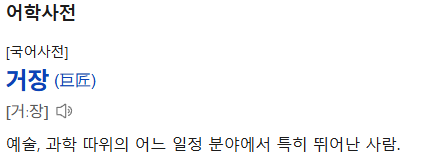
So, back to the million-dollar—or rather, 10-million-viewer—question: Is Jang Hang-joon a master director? The online communities are certainly split, reflecting a fascinating divide in how we define cinematic greatness. The debate is robust and passionate, a testament to the film’s impact.
“오늘부로 장항준 감독 거장이다! 1000만 영화 쉽게 만드는 거 아니잖아. 스토리텔링이랑 연출 다 완벽했음.” (As of today, Director Jang Hang-joon is a master! Making a 10-million-viewer film isn’t easy. Storytelling and direction were both perfect.)
This sentiment, widely echoed across various fan forums and social media platforms, sees box office success as the ultimate arbiter of a director’s skill and influence. And to a certain extent, they’re not wrong. Guiding a project to such massive commercial triumph requires a unique blend of artistic vision, formidable leadership, and an intuitive, almost prescient, understanding of the audience’s desires. It’s a monumental achievement that demands respect.
However, others are more cautious, arguing that a single blockbuster, no matter how impressive or culturally significant, doesn’t automatically confer ‘master’ status. Their arguments often hinge on a more traditional, perhaps academic, definition of mastery.
“거장까지는 아직… 다음 작품 봐야 알지. 한 번 잘했다고 바로 거장이라 부르기엔 아직 이른 감이 있어.” (Master? Not yet… We’ll know after his next work. It feels too soon to call him a master just for one success.)
This perspective, often voiced by more discerning cinephiles, emphasizes consistency and a substantial body of work. Directors like Bong Joon-ho or Park Chan-wook didn’t earn their ‘master’ titles with one film; it was through a consistent output of critically acclaimed, artistically distinct, and often boundary-pushing works over many years. Their filmographies showcase a clear, evolving directorial voice and a willingness to innovate, even when commercial success wasn’t the primary goal. They built legacies, not just blockbusters.
My unpopular opinion? While “The Man Who Lives with the King” is undeniably a triumph, calling Jang Hang-joon a ‘master’ director *today* might be premature. He has certainly proven his capability, demonstrating a refined visual style and an exceptional ability to manage a large-scale production with aplomb. The film is a significant artistic leap for him, showcasing a clear maturation of his craft. But true mastery, in my view, requires not just one brilliant stroke, but a consistent, evolving artistic vision demonstrated across multiple, diverse projects. It demands a signature style that is immediately recognizable, a willingness to innovate and challenge cinematic conventions, and a body of work that collectively shapes and redefines the cinematic landscape. This film is a powerful argument for his potential, a strong foundation, but the true test will be what he creates next. Will he continue to surprise us with his versatility, or will he settle into a comfortable, commercially safe formula?
“솔직히 연출은 좋았는데, 스토리는 좀 익숙한 느낌? 거장 타이틀은 좀 더 지켜봐야 한다고 생각함.” (Honestly, the direction was good, but the story felt a bit familiar? I think we need to wait and see for the ‘master’ title.)
This comment highlights the critical distinction between a well-executed film and a truly groundbreaking one. While “The Man Who Lives with the King” is impeccably made and visually stunning, its narrative structure, as noted earlier, does lean on established tropes. A master director often redefines or subverts these tropes, offering something truly fresh and unexpected to the audience, pushing the boundaries of what is possible in storytelling.
“이 정도면 됐지 뭘 더 바래? 대중성 예술성 다 잡았는데. 이젠 믿고 보는 장항준 감독이지.” (What more do you want at this level? He captured both popular appeal and artistry. Now, Director Jang Hang-joon is a director you can trust.)
This final comment encapsulates the sentiment of many who feel that achieving both critical and commercial success with a film of this magnitude is more than enough to warrant the coveted title. It speaks to the audience’s growing trust in his vision, a crucial factor for any successful filmmaker seeking to build a lasting legacy. For these fans, the 10-million-viewer mark is the ultimate seal of approval.
Final Verdict: A Crown in the Making
“The Man Who Lives with the King” is a monumental achievement for Jang Hang-joon. It showcases his remarkable evolution as a filmmaker, from a witty screenwriter and engaging TV personality to a director capable of orchestrating a grand, emotionally resonant cinematic experience that captivated an entire nation. It’s a film that not only enthralled millions but also sparked a national conversation about legacy, power, and the very essence of identity, cementing its place in Korean cinema history.
My final verdict? While the ‘master director’ title is a heavy crown to wear, and one that I personally believe should be earned over a longer, more consistent trajectory of innovation and artistic risk, Jang Hang-joon has undoubtedly made a compelling and undeniable case for himself with this film. He has demonstrated a clear understanding of visual storytelling, an exceptional ability to draw nuanced and powerful performances from his cast, and a keen, almost intuitive, sense of what truly resonates with the public. “The Man Who Lives with the King” is an absolute must-watch for anyone who appreciates well-crafted historical dramas, compelling character studies, and visually stunning, immersive filmmaking. It’s a powerful testament to his growing prowess, and I, for one, am eagerly anticipating his next move. The debate continues, but his name is now firmly etched into the minds of cinephiles and general audiences alike, a director truly on the cusp of greatness.
Analysis Categories
Writing: ⭐⭐⭐⭐☆
Direction: ⭐⭐⭐⭐⭐
Acting: ⭐⭐⭐⭐⭐
Production: ⭐⭐⭐⭐⭐
OST: ⭐⭐⭐⭐☆
Overall: 9.5/10
Watch if: You enjoy immersive historical dramas, compelling character studies, and visually stunning cinematography.
Skip if: You have absolutely no patience for period pieces or prefer strictly avant-garde cinema.