


Han Ji-min’s New Drama: Dated Trope or Nostalgic Charm?
The K-drama landscape in 2026 is a vibrant, ever-shifting tapestry, constantly pushing boundaries and redefining genres. So, when a new series featuring a beloved actress like Han Ji-min hits the airwaves, expectations are naturally high. However, JTBC’s latest offering, tentatively titled ‘Efficient Meeting of Unmarried Men and Women’ (미혼남녀의 효율적 만남), has sparked a rather pointed debate online, particularly on platforms like TheQoo. The central contention? Many K-netizens are quick to label its premise as ‘old-fashioned,’ a sentiment that warrants a deeper critical dive from SYNC SEOUL’s perspective.
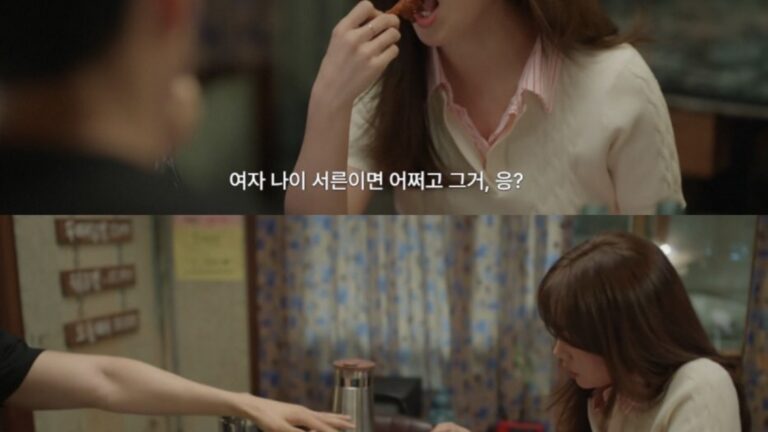
The drama’s core concept, as widely circulated and summarized in a viral TheQoo post that garnered over 65,000 views, centers on a female protagonist ‘over 30 and single, who is sad about it and actively tries to find love.’ On the surface, this might sound like a familiar romantic comedy setup, a ‘healing drama’ for those navigating the pressures of singlehood in Korean society. Yet, the immediate and widespread reaction suggests a disconnect between this narrative approach and what contemporary audiences expect from their K-dramas. Is this a case of a classic trope being misunderstood, or is the writing truly out of step with the times?
The ‘Old-Fashioned’ Label: A Deeper Look at Audience Expectations
The swiftness with which the ‘old-fashioned’ label was applied to ‘Efficient Meeting of Unmarried Men and Women’ isn’t merely dismissive; it reflects a significant evolution in K-drama consumption patterns and audience sensibilities. For years, the ‘single woman over 30’ narrative was a staple, often framed around societal pressure to marry and the protagonist’s journey to ‘find her match.’ Think classics like ‘My Name Is Kim Sam-soon’ or even ‘I Need Romance.’ These dramas were groundbreaking in their time, validating the experiences of women who didn’t fit traditional timelines.
However, the 2020s have ushered in a new era. We’ve seen a proliferation of K-dramas where female leads are defined by their careers, their friendships, their personal growth, or even their supernatural abilities, with romance often serving as a secondary plotline rather than the primary driver. ‘Extraordinary Attorney Woo’ showcased a neurodivergent lawyer’s professional triumphs; ‘The Glory’ depicted a woman’s relentless pursuit of justice; ‘Queen of Tears,’ while a romance, gave its female lead immense power and agency within her corporate empire. The expectation has shifted: audiences now demand depth beyond just a quest for a partner, especially when the lead is already a successful, independent woman. The idea that a woman’s primary source of sadness or effort stems from her single status, rather than a more complex internal or external conflict, feels, to many, like a narrative from a bygone era.
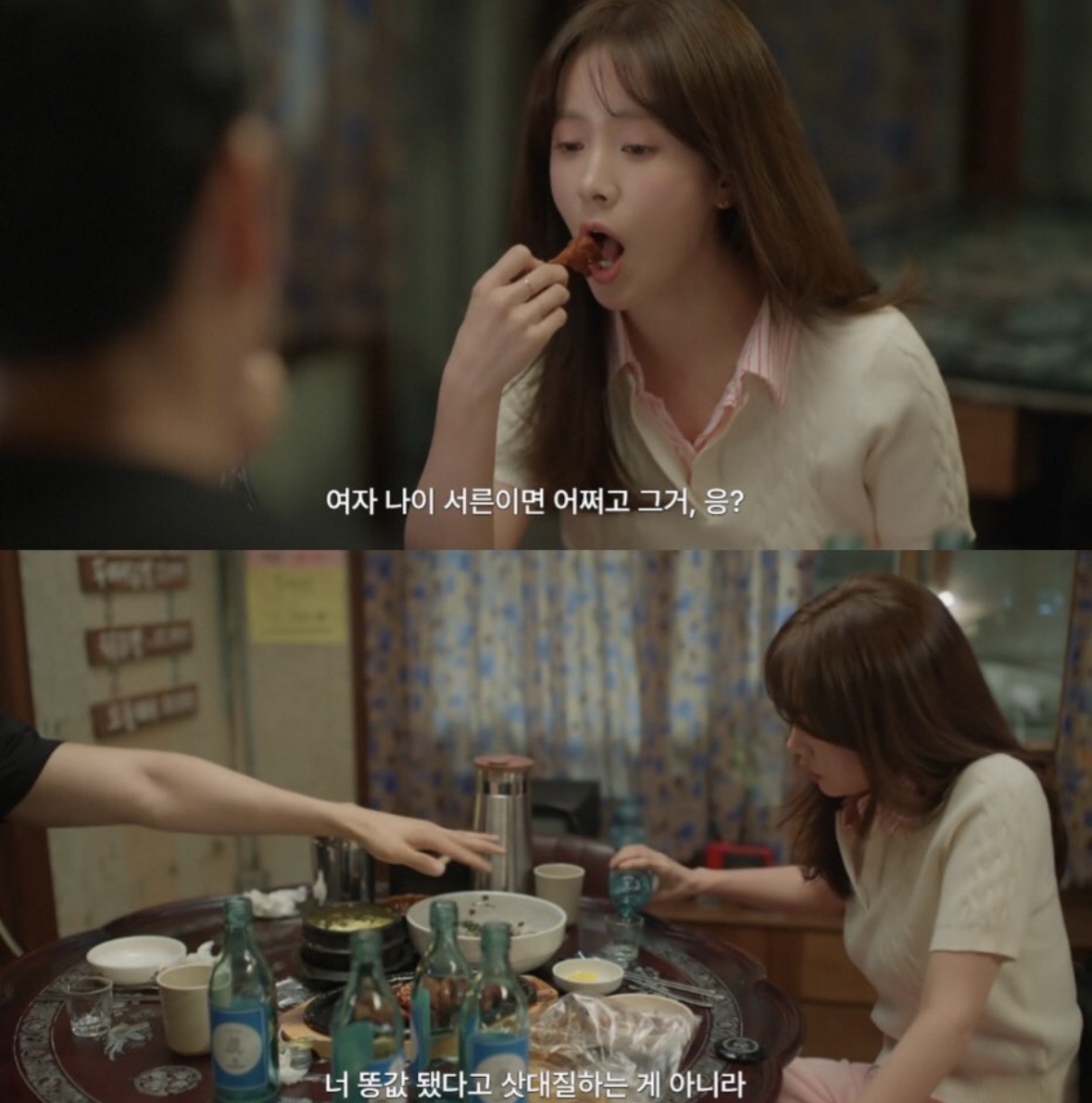
“Honestly, a lead character whose sole purpose seems to be ‘finding a man because she’s over 30 and single’ feels so 2000s. We’ve moved past this, haven’t we? I just want to see her crush her career or have epic adventures, not just date.” – K-Netizen from TheQoo
Han Ji-min’s Portrayal: Elevating or Entrenching the Trope?
Han Ji-min is an actress of considerable talent and versatility, known for her ability to infuse characters with warmth, vulnerability, and quiet strength. From her heart-wrenching performance in ‘One Spring Night’ to her compelling roles in ‘Our Blues’ and ‘Yonder,’ she consistently delivers nuanced portrayals. The critical question, then, is how she navigates this potentially ‘dated’ material in ‘Efficient Meeting of Unmarried Men and Women.’ Does her performance manage to inject modern sensibilities into a classic trope, or does it inadvertently highlight the script’s perceived anachronisms?
Early impressions suggest that Han Ji-min is doing her best to elevate the character beyond a caricature of the ‘desperate single.’ Her acting choices often lean into the internal conflict and the quiet dignity of her character, rather than resorting to overly broad comedic strokes often associated with such roles in older rom-coms. Cinematically speaking, the director’s choice to often frame her in moments of introspection, rather than constant, frantic activity, hints at an attempt to portray her journey as one of self-discovery intertwined with the search for companionship, rather than just a superficial hunt for a spouse. However, even the most brilliant performance can struggle against a script that fundamentally misunderstands its audience’s current expectations.
Direction and Writing: A Mismatch with Modern Storytelling?
The director and writer of ‘Efficient Meeting of Unmarried Men and Women’ bear the primary responsibility for the narrative’s perceived tone. If the writing falters when it comes to crafting a compelling, contemporary female lead, then even the most skilled direction might struggle to salvage it. What elevates a modern romance isn’t just the chemistry between leads, but the depth of their individual worlds, the challenges they face beyond their relationship status, and the agency they exhibit in their own lives.
A true masterclass in contemporary romantic storytelling would take the premise of a single woman over 30 seeking love and imbue it with fresh perspectives. Perhaps she’s challenging societal norms, exploring new forms of relationships, or finding profound self-worth independent of a partner, with romance as a delightful bonus. If the drama, however, frames her single status as a deficiency to be ‘fixed,’ and her ‘effort’ primarily involves clumsy dating scenarios without significant character development or exploration of her inner world, then the criticisms of being ‘old-fashioned’ are entirely valid. The mise-en-scène here needs to reflect a modern woman’s vibrant life, not a pity party for her marital status.
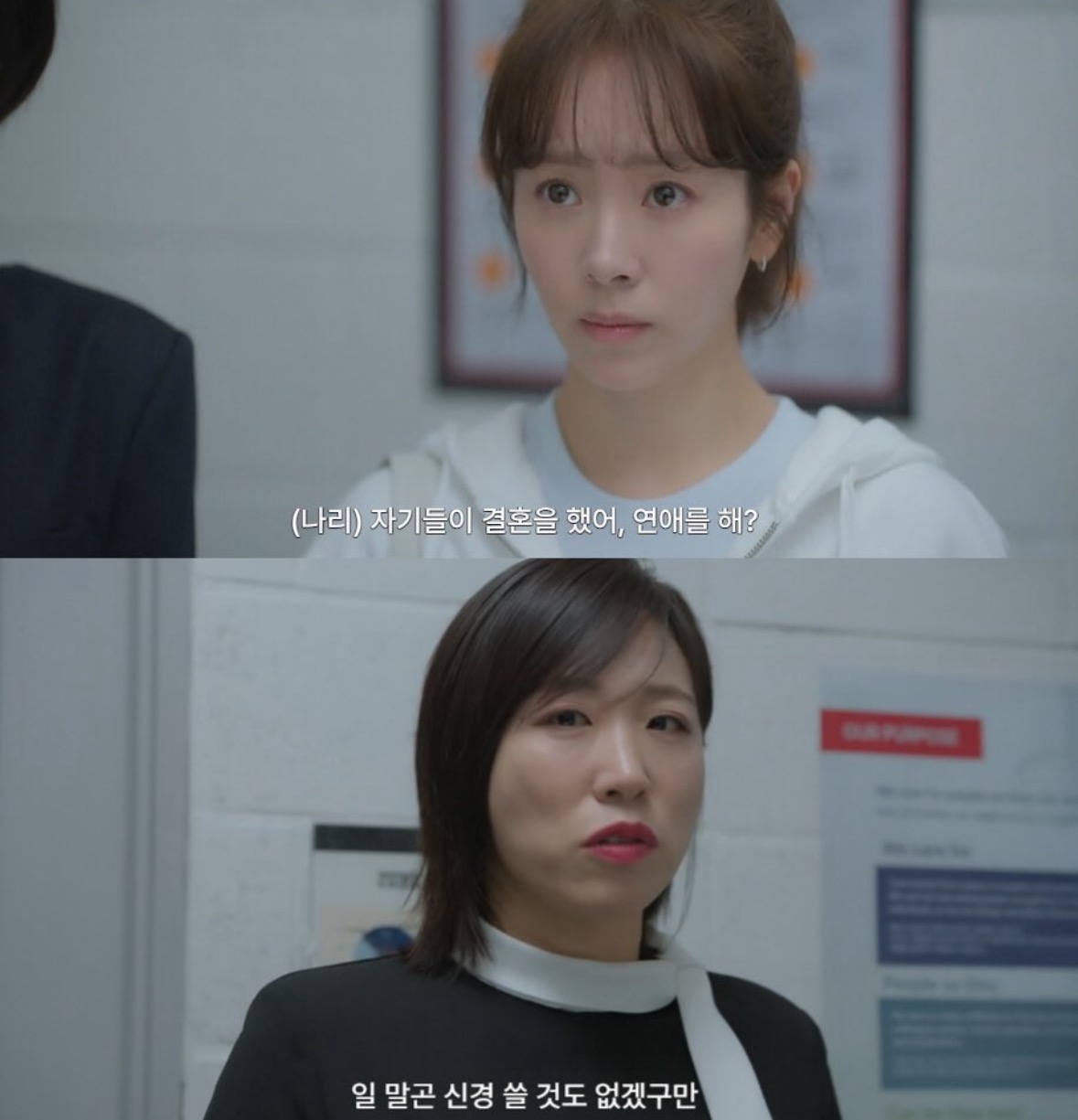
“It’s not just that she’s 30 and single, it’s *how* they portray her ‘effort.’ If it’s desperate and clumsy, then yeah, it’s dated. But if it’s empowering, like she’s confidently taking control of her romantic life, then it could be fresh. We need to see the execution.” – SYNC SEOUL Reader Comment
Online Discourse: The Generational Divide and Nostalgia Factor
The online discourse surrounding ‘Efficient Meeting of Unmarried Men and Women’ also highlights a potential generational divide in K-drama viewership. Younger audiences, who grew up with the global explosion of K-content and its increasingly diverse narratives, might find the premise genuinely archaic. They’ve been exposed to shows that push social boundaries, explore complex psychological landscapes, and celebrate non-traditional lifestyles. For them, a drama focused solely on the ‘sadness’ of being single past 30 might feel less like relatable storytelling and more like a relic.
Conversely, some viewers, particularly those who grew up with the golden age of early 2000s K-dramas, might find a comforting familiarity in such a premise. This could be viewed as a ‘healing drama’ in the traditional sense, a lighthearted escape that doesn’t demand intense emotional labor or grapple with heavy societal issues. For them, the ‘old-fashioned’ label might simply translate to ‘nostalgic’ or ‘comforting.’ This isn’t to say one perspective is inherently correct, but it underscores the challenge K-drama creators face in catering to a global and increasingly diverse audience with varied expectations.
“Maybe it’s old-fashioned, but sometimes you just want a straightforward romance without all the dark twists or corporate espionage. Han Ji-min is charming, I’ll watch for her. It’s a drama, not a documentary on modern feminism.” – K-Netizen from an online community
The Verdict: A Mixed Bag of Intentions and Execution
So, where does ‘Efficient Meeting of Unmarried Men and Women’ ultimately land? Unpopular opinion, but I believe the initial ‘old-fashioned’ reactions, while understandable, might be a tad premature without seeing the full arc. However, the sheer volume and speed of the criticism certainly signals that the drama’s premise, as initially presented, struck a dissonant chord with a significant portion of the audience. The writing appears to lean into a trope that many viewers believe K-dramas have, and should have, evolved beyond. The director’s choice to cast an actress of Han Ji-min’s caliber suggests an ambition to elevate the material, but the core premise itself remains a hurdle.
The drama’s success will ultimately hinge on its execution. If it manages to subvert expectations, offering a nuanced portrayal of a woman’s journey that transcends the simple ‘find a man’ narrative, then it could yet become a sleeper hit. If it merely rehashes tired clichés, then it risks being relegated to the ‘average, forgettable’ pile. The production value looks solid, as expected from JTBC, and the OST will undoubtedly feature some emotive tracks, but these elements alone cannot compensate for a story that feels out of sync with 2026’s K-drama zeitgeist. It’s a gamble, and one that highlights the ever-present tension between comfortingly familiar tropes and the urgent demand for fresh, progressive storytelling.
Technical Breakdown
| Element | Rating | Notes |
|---|---|---|
| Writing | ⭐⭐☆☆☆ | Premise feels dated, execution needs to be exceptional to compensate |
| Direction | ⭐⭐⭐☆☆ | Competent, but not yet groundbreaking in its visual storytelling |
| Acting | ⭐⭐⭐⭐☆ | Han Ji-min delivers, but can she carry the entire premise? |
| Production | ⭐⭐⭐☆☆ | Standard JTBC quality, nothing overtly spectacular yet |
| OST | ⭐⭐⭐☆☆ | Effective, but no standout ‘OST drop’ moments yet |
Final Verdict
While Han Ji-min delivers a commendable performance, ‘Efficient Meeting of Unmarried Men and Women’ currently hovers around a **6/10**. It’s decent, for fans of the genre who might crave a dose of nostalgia, or for those who appreciate Han Ji-min’s acting regardless of the script. However, it struggles to justify its premise in an era of more complex and empowering female narratives. It’s not a waste of time, but it certainly isn’t pushing any envelopes. Watch if you’re craving a straightforward, no-frills romantic comedy and don’t mind a familiar narrative structure. Skip if you’re looking for innovative storytelling or a drama that challenges traditional gender roles.
What are your thoughts on ‘old-fashioned’ K-drama tropes making a comeback? Let us know in the comments below!