

Is This Really a 2026 K-Drama? Viral Dialogue Sparks Debate on Outdated Tropes and Modern Storytelling
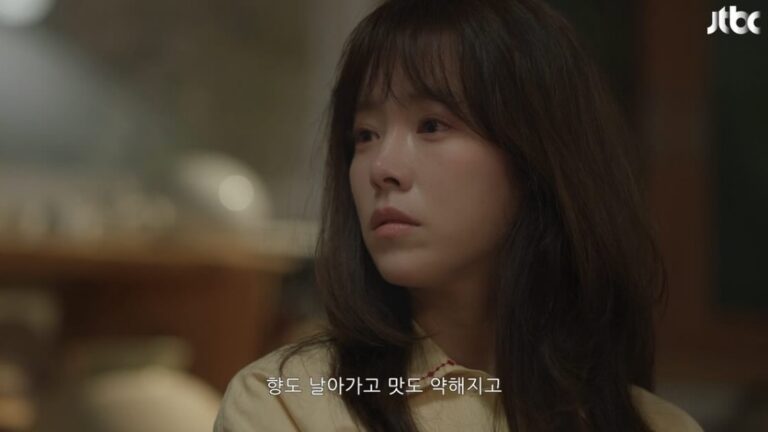
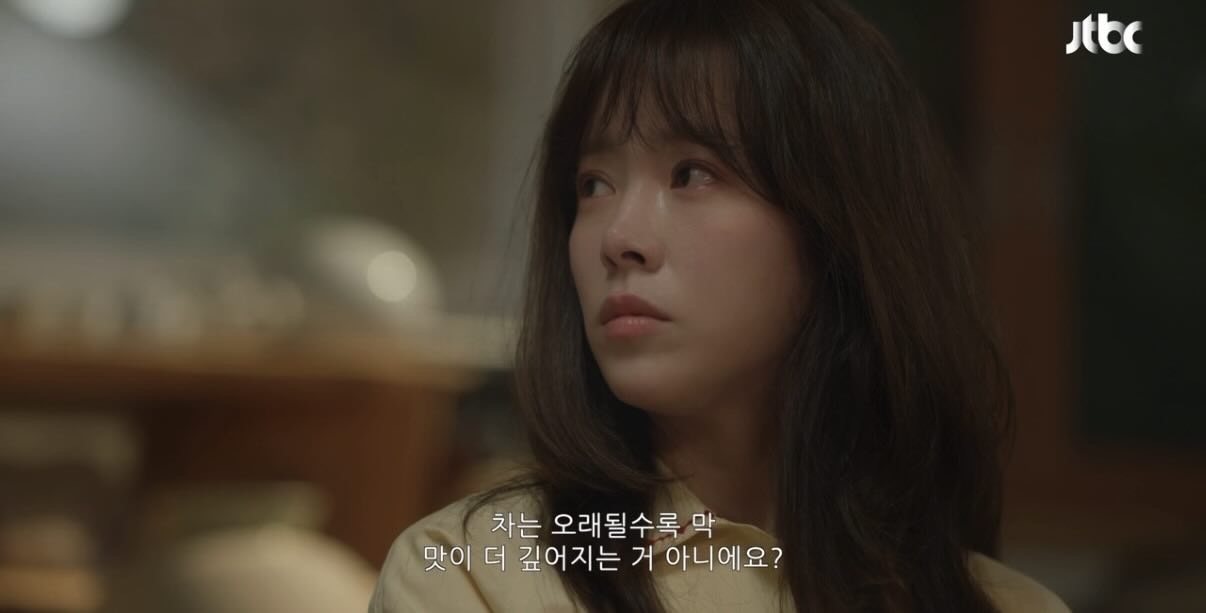
A recent K-drama, whose exact title remains elusive but whose controversial dialogue has certainly not, has ignited a fiery debate across online communities, particularly on platforms like TheQoo. The question echoing through comment sections isn’t about plot twists or stellar performances, but a more fundamental one: "Is this really a 2026 drama?" This isn’t a casual query; it’s a pointed critique aimed squarely at a piece of dialogue involving a 34-year-old female lead, which many viewers argue feels jarringly anachronistic.
As a critic for SYNC SEOUL, I find such discussions fascinating. They expose the evolving expectations of an increasingly sophisticated audience and challenge creators to move beyond comfortable, perhaps even lazy, narrative shortcuts. This particular viral moment, garnering over 59,000 views and nearly 700 comments on a single post on TheQoo, isn’t just a fleeting internet sensation; it’s a critical barometer for the state of K-drama writing in 2026, and a stark reminder that even high production values can’t always mask a script’s shortcomings.
The Premise: A 34-Year-Old Lead in a Modern Landscape
While the specific drama details are deliberately kept vague in the viral post, the core issue revolves around a dialogue exchange featuring a female protagonist in her mid-thirties. In an era where K-dramas are increasingly showcasing diverse female narratives—from career-driven powerhouses to women navigating complex personal lives—the context of this particular line suggests a regression. It brings into sharp focus the tension between traditional romance tropes and the demand for more contemporary, empowering portrayals of women.
The drama, by all accounts, appears to be a mainstream production, likely airing on a major network or a global streaming platform, given the sheer volume of discussion it has generated. This isn’t an obscure indie project; this is a drama with significant reach, making the perceived misstep in its writing all the more glaring. The audience, now global and highly vocal, expects narratives that reflect their lived realities, or at least offer aspirational stories free from reductive stereotypes. The director’s choice to greenlight such a line, or the writer’s decision to include it, speaks volumes about the creative team’s understanding of their 2026 viewership.
The Viral Dialogue & Online Stir: A Collective Sigh of Exasperation
The dialogue in question, though not quoted directly in the viral post, is implied to be a line that positions the 34-year-old female lead in a way that feels subordinate or overly reliant on a male counterpart, or perhaps frames her age as a "problem" needing a "solution." It’s the kind of line that would have felt at home in a drama from the early 2010s, if not earlier, where female characters, especially those past their twenties, were often defined by their marital status or lack thereof. The sheer volume of engagement—59,303 views and 686 comments on TheQoo alone—underscores a collective sigh of exasperation.
This isn’t just a handful of disgruntled viewers. The comments section is a torrent of opinions, ranging from genuine disappointment to outright mockery. Many express a sense of betrayal, having hoped that 2026 K-dramas would have moved past such narrative crutches. It’s a reminder that audiences are not passive recipients of content; they are active participants, armed with critical faculties and a keen memory of what has come before. The consensus seems to be that this particular line isn’t just bad writing; it’s outdated writing, a narrative misstep that pulls viewers out of the story’s immersion and into a meta-critique.
"Seriously, I paused and checked the air date. Did I accidentally stumble upon a drama from 2006? The writing feels like it’s from a completely different era." – TheQoo User ‘DramaLover99’
"I thought we were past the ‘noona needs saving’ trope, especially for a character who’s supposed to be an adult. Her age should imply maturity, not a ticking clock for outdated romance plots." – TheQoo User ‘CritiqueQueen’
The 34-Year-Old Female Lead: A Double-Edged Sword?
The decision to cast a 34-year-old female lead should, in theory, be a progressive one. K-dramas have made significant strides in featuring women beyond the typical early-to-mid-twenties demographic, offering richer, more complex characters. Think of dramas like "Search: WWW" (2019) or "Thirty-Nine" (2022), which celebrated women navigating careers, friendships, and romance in their thirties and forties with agency and depth. The choice of a 34-year-old protagonist sets an expectation for a mature, nuanced narrative, allowing for deeper exploration of adult relationships and life challenges.
However, if the viral dialogue is any indication, this progressive casting choice might be undermined by regressive writing. What elevates a character of this age is not just their presence, but how they are written—do they drive their own story, make independent choices, and challenge societal norms, or do they merely exist to be ‘fixed’ or defined by external factors, particularly romantic ones? The true measure of progress isn’t just who gets the lead role, but what they say and do within that role. The mise-en-scène can be pristine, the acting superb, but if the character’s voice is reductive, the entire effort feels wasted.
When Writing Falters: A Critique of Trope Reliance
The writing falters significantly when it leans on tropes that no longer resonate with a contemporary audience. This isn’t about being ‘woke’ or ‘politically correct’; it’s about basic storytelling hygiene. A well-developed character, especially one in their mid-thirties, should have motivations and internal conflicts that extend beyond simplistic, often gendered, expectations. If the dialogue reduces her to a stereotype, it’s a profound failure of character development and narrative imagination.
My unpopular opinion here is that this kind of dialogue isn’t just a slip-up; it’s often a symptom of a deeper issue: a lack of confidence in the female lead’s intrinsic worth or an inability to craft compelling external conflicts. When writers resort to making a character’s age a primary source of her romantic ‘desperation’ or ‘incompleteness,’ it’s a shortcut that cheapens the entire premise. It’s a missed opportunity to explore the complexities of modern womanhood, instead opting for exposition that feels more like an apology for her existence than a celebration.
"It’s frustrating because the actress is amazing, and the cinematography is gorgeous, but then a line like that comes out, and I just groan. It pulls you right out of the immersion." – TheQoo User ‘FilmBuff_K’
"This isn’t just about ‘sensitive’ viewers. This is about basic character respect. You build up a strong female character only to make her say something so… basic. It’s insulting to her and the audience." – TheQoo User ‘NoMoreTropes’
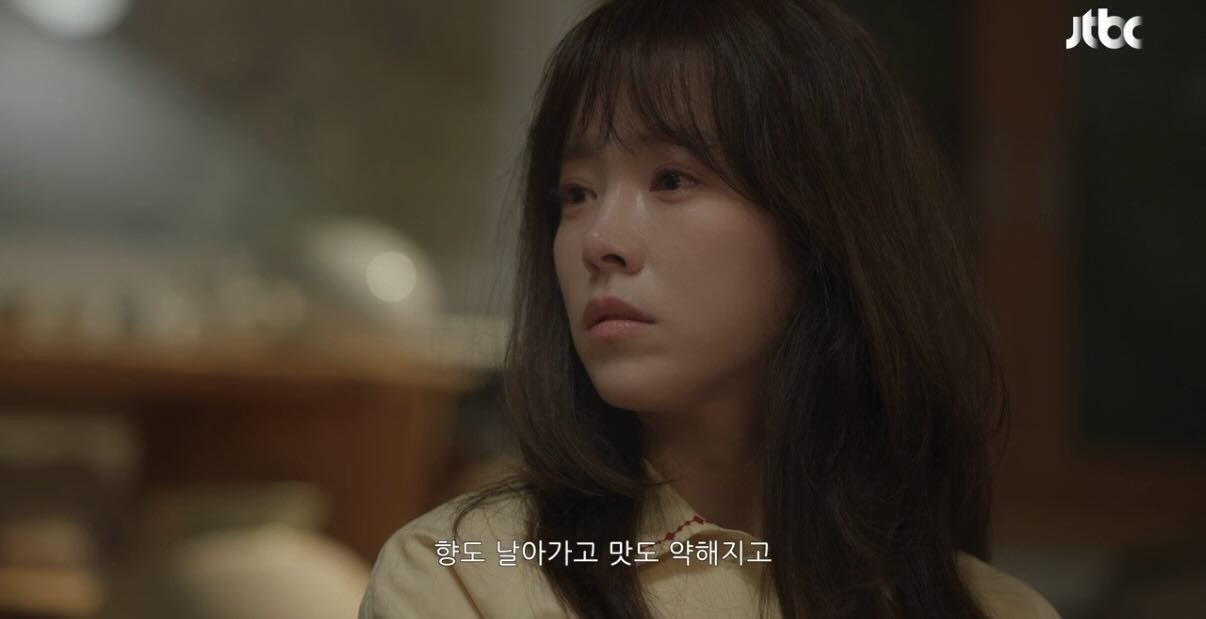
Cinematically Speaking: Does Direction Salvage the Script?
Cinematically speaking, even brilliant direction and stunning visuals can struggle to fully compensate for a fundamentally flawed script. A director’s choice to use breathtaking mise-en-scène or intricate shot composition can certainly elevate a scene, lending gravitas or beauty where the dialogue might be lacking. We’ve seen masterclasses in visual storytelling where unspoken emotions carry more weight than any line could, where the framing and color grading tell a richer story than the words themselves.
However, there are limits. If a piece of dialogue is so jarringly out of place, so anachronistic in its implications, it creates a cognitive dissonance that even the most artful framing or evocative color grading cannot fully overcome. The director can only work with the material provided. While a talented director might try to soften the blow or contextualize such a line through performance cues or visual subtext, the core problem remains embedded in the writing. The actors, too, are left with the unenviable task of delivering lines that might contradict the very essence of their characters, forcing them to perform a delicate balancing act between conviction and absurdity.
The Shifting Landscape of K-Drama Storytelling
The fierce reaction to this dialogue isn’t an isolated incident; it reflects a broader trend in K-drama consumption. Global audiences, exposed to a wider array of narratives from around the world, are increasingly demanding more sophisticated, inclusive, and realistic storytelling. They are less tolerant of clichés and more attuned to subtle nuances in character development and thematic exploration. The success of dramas like "Vincenzo" (2021) or "Extraordinary Attorney Woo" (2022), which pushed genre boundaries and offered fresh perspectives, demonstrates this appetite for innovation.
This isn’t to say all traditional tropes are inherently bad. Some are comforting, familiar, and can be executed with charm. But there’s a fine line between a beloved trope and a lazy crutch. The director’s and writer’s challenge in 2026 is to understand this distinction. It’s about evolving with your audience, not clinging to formulas that have long since passed their expiration date. The expectation is no longer just for high production values, but for intelligent, thoughtful narratives that respect both the characters and the viewers, delivering a cohesive and believable world.
Final Verdict: A Call for Nuance in 2026
This viral dialogue, while a small fragment of a larger drama, serves as a powerful microcosm of the ongoing struggle within K-drama production. It highlights the tension between commercial imperatives and artistic integrity, between appealing to a broad demographic and crafting genuinely progressive narratives. My overall verdict on this aspect of the drama, based solely on the community’s reaction to this dialogue, is that the writing here deserves a critical ⭐⭐☆☆☆. It’s a significant misstep that undermines what might otherwise be a well-produced series, creating a jarring note in an otherwise harmonious production.
What elevates this discussion is the audience’s willingness to engage critically. They’re not just consuming; they’re analyzing, comparing, and demanding better. This is a healthy sign for the industry. While I haven’t seen the full drama, this specific moment is a clear indication that the writing falters when it relies on outdated characterizations. It’s a stark reminder that even in 2026, some K-dramas are still grappling with how to portray women, especially those in their thirties, with the nuance and respect they deserve, often falling back on convenient but ultimately unsatisfying narrative shortcuts.
Ultimately, the "Is this really a 2026 drama?" question isn’t just rhetorical. It’s a call to action for writers and producers. It implores them to scrutinize every line, every character choice, and every narrative beat to ensure it aligns with the contemporary sensibilities of their vast and discerning audience. The days of relying on simplistic, often sexist, tropes for easy conflict or character motivation are, or at least should be, behind us. The evolution of K-drama demands a commensurate evolution in its narrative foundations.
The industry has proven it can deliver masterpieces that are both commercially successful and critically acclaimed. Let’s hope this viral moment serves as a potent reminder that true artistry lies not just in stunning visuals or charismatic leads, but in a script that is as forward-thinking and sophisticated as its audience. The power of a single line of dialogue to derail an entire drama’s reception is a lesson worth learning, and one that I hope will inform future productions as K-dramas continue to expand their global footprint.