
The Digital Guillotine: When Viral Success Meets Platform Panic
Walking through the digital corridors of the Korean creative industry recently feels a bit like navigating a minefield of shifting sensibilities. Just this morning, a thread on the community hub TheQoo exploded, racking up over 34,158 views and 202 frantic comments in a matter of hours. The subject? A webtoon that was allegedly performing with stellar metrics until it was abruptly scrubbed from its hosting platform. The reason cited—though never officially articulated in a press release—was that the content’s ‘intensity’ or ‘suwi’ (level of explicitness) had crossed an invisible line that the platform’s legal team wasn’t prepared to defend. As a critic who has spent years dissecting the intersection of visual narrative and societal gatekeeping, I find this specific instance of ‘serialization suspension’ to be a fascinating, albeit frustrating, case study in how we define artistic merit versus commercial risk in the current era.
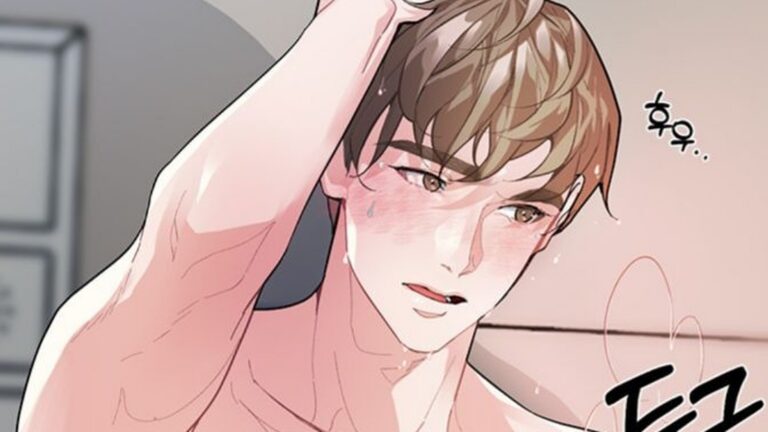
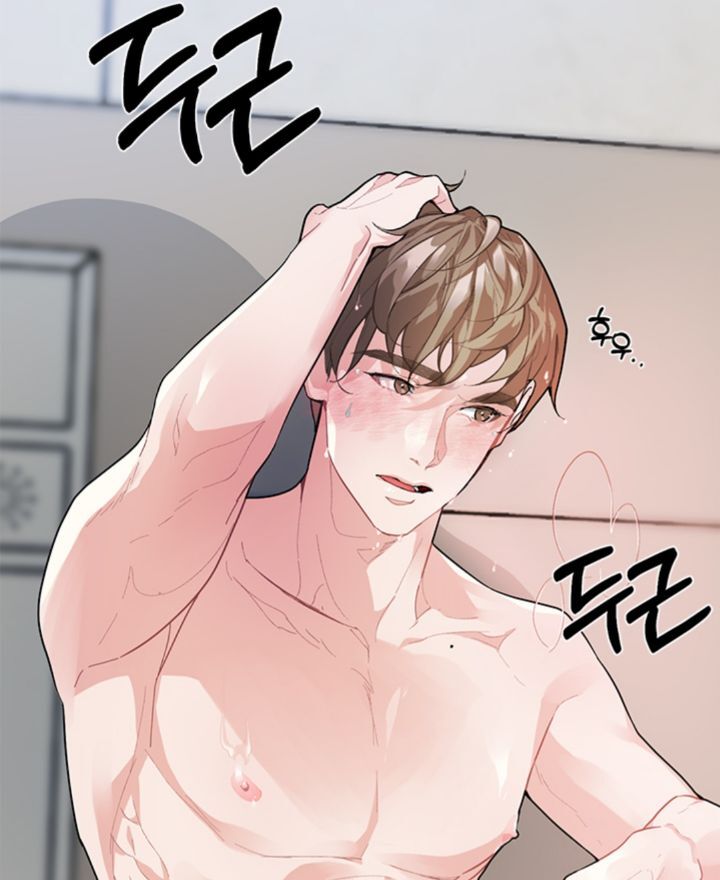
Cinematically speaking, the panels that have been circulating as ‘evidence’ of the series’ supposed transgressions are actually masterclasses in mood and lighting. This isn’t just cheap titillation; the artist utilized a sophisticated palette of deep shadows and high-contrast highlights that reminded me of Park Chan-wook’s later works. There is a deliberate weight to every frame, a sense of impending doom that elevates the physical intimacy into something much more psychological. However, in the hyper-sanitized environment of major platforms, ‘sophisticated’ often gets mistaken for ‘dangerous’ when the subject matter touches on adult themes. The platform’s choice to pull the plug mid-arc suggests a terrifying lack of confidence in their own age-verification systems, opting instead for the total erasure of a work that was clearly resonating with a massive audience.
“I was literally reading the latest chapter when the ‘not found’ page popped up. This is legendary behavior from the platform—not in a good way. If it’s 19+, let it be 19+. Why are we treating grown adults like children today? The art was top-tier, and now it’s just… gone?” — User ‘K-WebtoonFanatic’ on TheQoo
The Mise-en-Scène of Controversy: Analyzing the Aesthetic
What strikes me as particularly egregious is the hypocrisy of the ‘standard’ being applied here. If we look at the current K-Drama landscape on global streaming giants like Netflix or Disney+, we see far more graphic portrayals of violence and psychological trauma than what was depicted in these suspended panels. Yet, because the medium is ‘webtoon’—a format still fighting for its seat at the table of ‘High Art’—it is subjected to a level of scrutiny that borders on the Victorian. The artist’s use of space within the vertical scroll format was revolutionary; they understood that the negative space between panels could build tension better than any dialogue bubble ever could. By pulling the series, the platform hasn’t just protected ‘public morals’; they’ve effectively silenced a voice that was pushing the medium’s visual language forward.
Start looking at the color grading in the leaked snippets, and you’ll see a story being told through temperature. The cold, sterile blues of the character’s public life clashing with the sweltering, saturated reds of their private moments—this is visual storytelling 101, executed with the precision of a veteran cinematographer. Unpopular opinion, but I believe the real reason for the suspension wasn’t the ‘heat’ of the scenes, but the uncomfortable truths the narrative was digging up about power dynamics. When a webtoon gets ‘too real,’ platforms get nervous. They want the ‘healing drama’ vibe or the ‘level-up’ fantasy, not the gritty, sweat-soaked reality of human obsession. The writing falters only if you expect a fairy tale; if you expect a mirror, it’s a masterpiece.
The Platform Paradox: Why the Present Feels Like the Past
Despite our advancements in AI-driven content moderation and sophisticated age-gating, the industry seems to be regressing into a state of collective anxiety. We are currently in an era where a series can be ‘too successful’ for its own good. When a niche title with a high rating stays niche, platforms look the other way. But as soon as it hits the 30k-view threshold on a community board like TheQoo, it attracts the eyes of the ‘moral committees.’ The sudden disappearance of this series is a classic example of corporate risk-aversion. Instead of standing by the creator and defending the work’s 19+ rating, the platform folded at the first sign of a potential ‘report’ or ‘complaint’ from a vocal minority. It’s a cowardly move that sets a dangerous precedent for every other creator currently working on ‘mature’ content.
“Honestly, the level wasn’t even that high compared to some of the stuff on Lezhin or Toptoon. Why did this one get targeted? Is it because it started trending on the main pages? It feels like they’re punishing the artist for being popular. The hypocrisy is real.” — User ‘DramaLover99’

From Scroll to Screen: The Lost Potential for a K-Drama
Every time a high-quality webtoon is axed, I can’t help but think about the missed opportunity for a live-action adaptation. In the current market, where production companies are scrambling for ‘proven IP,’ this series was a goldmine. The character arcs were already perfectly mapped out for a 12-episode limited series. I could already see an actor like Lee Do-hyun or Han So-hee bringing these complex, tortured roles to life. The ‘behind-the-scenes’ tragedy here is that once a work is flagged and pulled for ‘rating issues,’ it becomes radioactive to mainstream production houses. No network wants to touch a property that has been ‘canceled’ by its own platform, regardless of how brilliant the cinematography or character development was.
Reflecting on the director’s choice—or in this case, the artist’s choice—to lean into the intensity, I find it brave. In a sea of ‘cookie-cutter’ romances and repetitive ‘isekai’ tropes, we finally had something that felt visceral. The way the artist framed the protagonist’s descent into obsession was nothing short of brilliant. It utilized the ‘long take’ equivalent of webtoon scrolling, where a single action is stretched across several screens to build an unbearable sense of intimacy. This is the kind of craftsmanship we should be celebrating, not burying under a ‘service discontinued’ banner. The fact that 202 people felt compelled to comment on its disappearance proves that there is a hunger for this kind of storytelling, even if the suits in the boardroom are too scared to provide it.
The Final Verdict: A Masterclass in Misunderstood Art
What elevates this drama beyond a simple ‘censorship’ story is the sheer quality of the work being lost. This isn’t just about ‘suwi’; it’s about the erosion of the creator’s right to finish their story. The writing doesn’t falter—it challenges. The direction doesn’t pander—it provokes. As a critic, I’ve seen countless series that deserved to be canceled for lazy writing or poor production value, yet they continue to clutter our feeds because they are ‘safe.’ To see a work of genuine technical achievement get the axe because it made people ‘feel too much’ is the ultimate irony of the digital age. We claim to want ‘edgy’ and ‘boundary-pushing’ content, but as soon as we get it, we call the authorities.
“I’ve been following this artist since their debut, and this was their best work yet. The way they handle lighting is better than most K-Dramas these days. To stop it right before the climax is just cruel to the fans and the creator. I hope they move to a platform that actually respects art.” — User ‘ArtCritic_Seoul’
Ultimately, the suspension of this viral webtoon is a symptom of a larger malaise in the Korean entertainment industry. We are terrified of the very thing that makes our content global: its emotional intensity. Whether it’s a drama, a film, or a webtoon, the ‘K-factor’ has always been about the raw, unfiltered exploration of human desire and despair. By sanitizing our platforms, we are effectively lobotomizing our creative output. My final verdict? This series was a 9/10 masterpiece in the making, and its removal is a 1/10 failure of platform management. For those who managed to save the screenshots, hold onto them—they are artifacts of a creative battle that, for now, the censors have won.
Who is this for? It’s for the viewers who aren’t afraid of the dark. It’s for the readers who want to be challenged, not just entertained. If you’re looking for a ‘healing’ story where everyone gets a happy ending and the lighting is always bright, look elsewhere. But if you appreciate the mise-en-scène of a well-told tragedy, the loss of this series should bother you. We need to demand better from our platforms, or we’ll find ourselves in a future where every story looks, feels, and tastes like cardboard. The director’s choice to push boundaries should be met with a standing ovation, not a digital execution. Until we learn to separate ‘intensity’ from ‘immorality,’ we will continue to lose our most promising voices to the void of the ‘not found’ page.