

From Box Office Sensation to Cultural Catalyst: ‘The Man Who Lives with the King’ Breaks Records and Boosts Local Heritage
Unpopular opinion, but I think the true measure of a film’s impact often lies beyond its box office receipts, extending into the cultural zeitgeist it creates. And if there’s one film that epitomizes this phenomenon right now, it’s Director Jang Hang-jun’s historical drama, ‘The Man Who Lives with the King’ (왕과 사는 남자). Surpassing a staggering 9 million admissions and eyeing the coveted 10-million mark, this isn’t just a commercial triumph; it’s a masterclass in how cinema can breathe new life into history, galvanize local communities, and even inspire a pilgrimage to a small town in Gangwon Province. As a critic, I’m always looking for narratives that transcend the screen, and this film is doing just that, transforming a historical tragedy into a vibrant cultural event in Yeongwol.
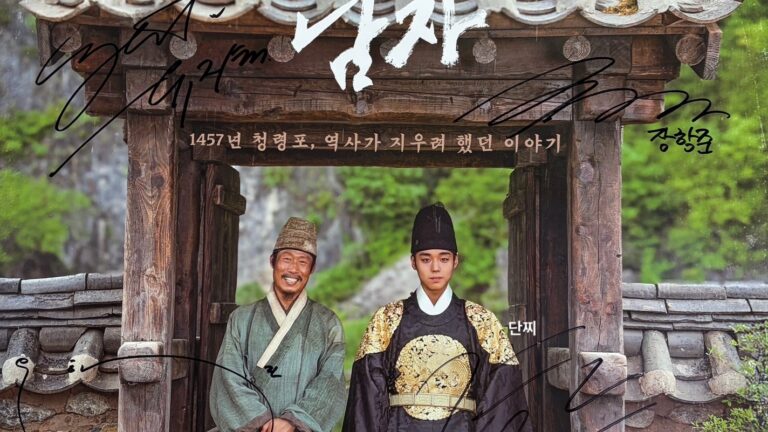
The film’s premise itself is steeped in the poignant history of King Danjong, the sixth monarch of the Joseon Dynasty, who was tragically dethroned and exiled to Yeongwol. It’s a narrative that many Koreans know from textbooks, but Jang Hang-jun has managed to infuse it with an emotional resonance that feels incredibly fresh and immediate. The story centers on the unwavering loyalty of Eom Heung-do, a local official who, against all odds and the immense political pressure of the time, faithfully guards Danjong’s remains after his death. This isn’t just a tale of royal intrigue; it’s a profound exploration of humanity, duty, and sacrifice, themes that, when handled with sensitivity and skill, possess universal appeal. The film’s success isn’t merely about star power; it’s about connecting deeply with a shared historical consciousness.
A Deep Dive into the Film’s Craft and Emotional Resonance
The writing in ‘The Man Who Lives with the King’ deftly navigates the treacherous waters of historical accuracy versus dramatic license. It avoids the dry, expository dialogue that often plagues saeguk dramas, instead opting for a narrative that builds its emotional stakes through character interactions and visual storytelling. The screenplay, while rooted in historical facts, focuses intently on the human element, making the ancient figures of Danjong and Eom Heung-do relatable to a contemporary audience. This careful balance ensures that even those unfamiliar with the intricate details of Joseon history can grasp the gravity of the situation and invest emotionally in the characters’ fates. The pacing, too, is commendable, allowing moments of quiet reflection to land with impact amidst the political turmoil.
Cinematically speaking, Director Jang Hang-jun’s vision for this historical epic is nothing short of breathtaking. The mise-en-scène here is meticulously crafted, from the period-accurate costumes and sets to the evocative natural landscapes of Yeongwol. The director’s choice to emphasize the stark beauty and isolation of Yeongwol serves as a powerful visual metaphor for Danjong’s tragic exile, grounding the historical drama in a tangible sense of place. The color grading is often subdued, reflecting the somber tone of the narrative, yet moments of warmth and human connection pierce through, creating a visual rhythm that mirrors the emotional journey of the characters. It’s a testament to the production team’s commitment to authenticity and aesthetic quality.
Stellar Performances That Elevate the Narrative
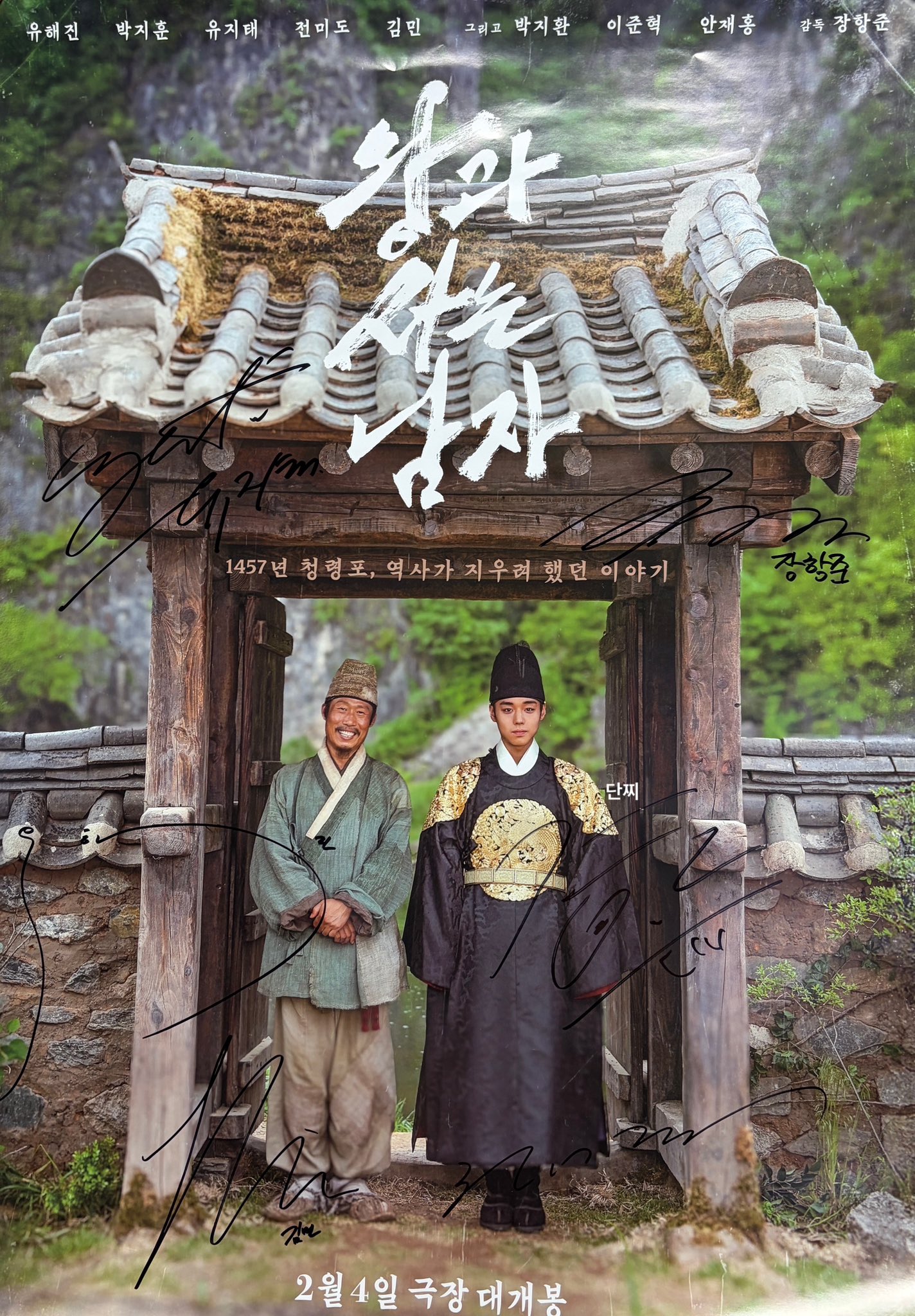
Of course, a film of this caliber wouldn’t achieve such profound impact without a cast capable of bringing these complex historical figures to life. Park Ji-hoon, taking on the challenging role of King Danjong, delivers a truly nuanced performance. He captures the youthful vulnerability of the deposed monarch, his quiet dignity in the face of immense suffering, and the tragic weight of his fate. It’s a portrayal that transcends mere historical depiction, offering a deeply empathetic look at a boy king thrust into an impossible situation. His subtle expressions and controlled emotional outbursts are what truly elevate this character beyond a historical footnote into a figure of profound pathos.
Equally compelling is Yoo Hae-jin as Eom Heung-do, the loyal official. Yoo Hae-jin, known for his incredible range, brings a grounded gravitas and a quiet strength to the role. His performance is a masterclass in understated devotion, conveying the immense moral courage required to defy powerful political forces for the sake of a deposed king. The chemistry between Park Ji-hoon and Yoo Hae-jin is palpable, forming the emotional core of the film and making their bond feel incredibly authentic and moving. And let’s not forget Yoo Ji-tae as the formidable Han Myeong-hoe, whose chilling portrayal of ambition and political ruthlessness provides a stark contrast to the film’s central theme of loyalty. His presence adds a layer of tension and menace that is crucial to the narrative’s dramatic arc.
“Seriously, Park Ji-hoon’s eyes in that one scene with Eom Heung-do… I felt Danjong’s despair right through the screen. A true revelation of his acting depth. Yoo Hae-jin was just perfect as the rock.” – @KfilmLover22 on X
From Silver Screen to Local Festival: Yeongwol’s Cultural Renaissance
What truly elevates ‘The Man Who Lives with the King’ beyond mere entertainment is its capacity to ignite a genuine interest in the historical context it portrays. The film’s success has not only brought the tragic story of King Danjong and the unwavering loyalty of Eom Heung-do back into the national consciousness but has also shone a bright spotlight on Yeongwol, the very location where these historical events unfolded. This isn’t just a fleeting trend; it’s a powerful demonstration of how cinematic narratives can serve as potent cultural catalysts, prompting audiences to explore the real-world stories and places that inspired them. It’s a significant moment for cultural preservation, demonstrating that history can be engaging and relevant when presented through a compelling artistic lens.
The direct impact of this cinematic success is most evident in the burgeoning excitement surrounding the upcoming 59th Danjong Cultural Festival in Yeongwol this April. The Yeongwol Cultural Tourism Foundation has confirmed that the film’s nationwide box office storm is translating directly into unprecedented interest in the local heritage festival. This isn’t just about increased tourism; it’s about a renewed sense of pride and recognition for Yeongwol’s unique historical significance. The film has provided a vibrant, contemporary entry point for people, especially younger generations, to engage with a piece of history that might otherwise have remained confined to academic texts. This is a societal moment, reminding us of the enduring power of a well-told historical narrative to impact communities.
“Before this movie, Danjong was just a name from textbooks, a tragic figure. Now I actually feel his story, and I’m so curious about Yeongwol. Amazing how film can do that, it’s like a living history lesson.” – @HistoryBuff_KR on Instagram
The Stars Align for Local Heritage: Director and Cast Support
The commitment of the film’s creative team to Yeongwol and its heritage is truly commendable. Director Jang Hang-jun, a name synonymous with sharp storytelling and engaging narratives, has personally confirmed his attendance at the Danjong Cultural Festival on April 24th. This is significant, as he reportedly adjusted his schedule, even forgoing an overlapping overseas film festival, to be present. His participation includes a special lecture at the Cultural Arts Center, titled ‘A Creator’s Perspective on History’s Story, Danjong’s Story’ (창작자의 시선으로 바라보는 역사의 이야기, 단종의 이야기). This initiative not only adds prestige to the festival but also provides a unique opportunity for attendees to gain insights into the creative process behind bringing such a historical narrative to the big screen. It speaks volumes about his genuine investment in the story and its origins.
The dedication extends to the film’s lead actors, further solidifying the synergy between the blockbuster and the local cultural event. Park Ji-hoon, who portrayed King Danjong with such poignant depth, has pledged to personally produce a promotional video for the Danjong Cultural Festival, expressing his gratitude and affection for Yeongwol. This kind of thoughtful, direct engagement from a lead actor is incredibly impactful, adding an authentic star endorsement that resonates deeply with fans. Furthermore, there are ongoing discussions with other key actors, including Yoo Hae-jin (Eom Heung-do) and Yoo Ji-tae (Han Myeong-hoe), about delivering congratulatory messages or even making direct appearances at the festival, contingent on their overseas film festival schedules. Their potential attendance, despite busy schedules, underscores the collective pride in this project and its wider cultural implications.
“Jang Hang-jun giving a lecture at Yeongwol? That’s commitment! He really loves the story and the place. I’m definitely planning a trip down there in April, it’s a chance to hear from the director himself.” – @MovieFanaticSeoul on Naver Cafe
The Lasting Legacy: Cinema as a Bridge to the Past
The Yeongwol County government is wisely capitalizing on this unprecedented national attention, actively promoting the region through the lens of the film’s success. They anticipate a significant influx of tourists for the 59th Danjong Cultural Festival, which runs from April 25th to 26th, and are making extensive preparations to ensure a memorable experience for all visitors. This strategic leveraging of a cultural product to boost regional tourism and cultural awareness is an exemplary model for other local governments facing similar challenges.
Ultimately, ‘The Man Who Lives with the King’ isn’t just a historical drama; it’s a cultural phenomenon that has successfully bridged the gap between a poignant historical event and contemporary audiences. It’s a testament to the power of compelling storytelling, brilliant direction, and stellar performances to not only entertain but also to educate, inspire, and mobilize. The film’s journey from a box office sensation to a catalyst for the Yeongwol Danjong Cultural Festival serves as a powerful reminder that cinema, at its best, is more than just a fleeting diversion; it’s a living, breathing connection to our past, capable of revitalizing heritage and fostering a deeper appreciation for the stories that shape us. It’s a healing drama for the soul of a historical town, and a masterclass in cultural impact.