


The Provocation: Why A-Listers Are ‘Scraped Clean’
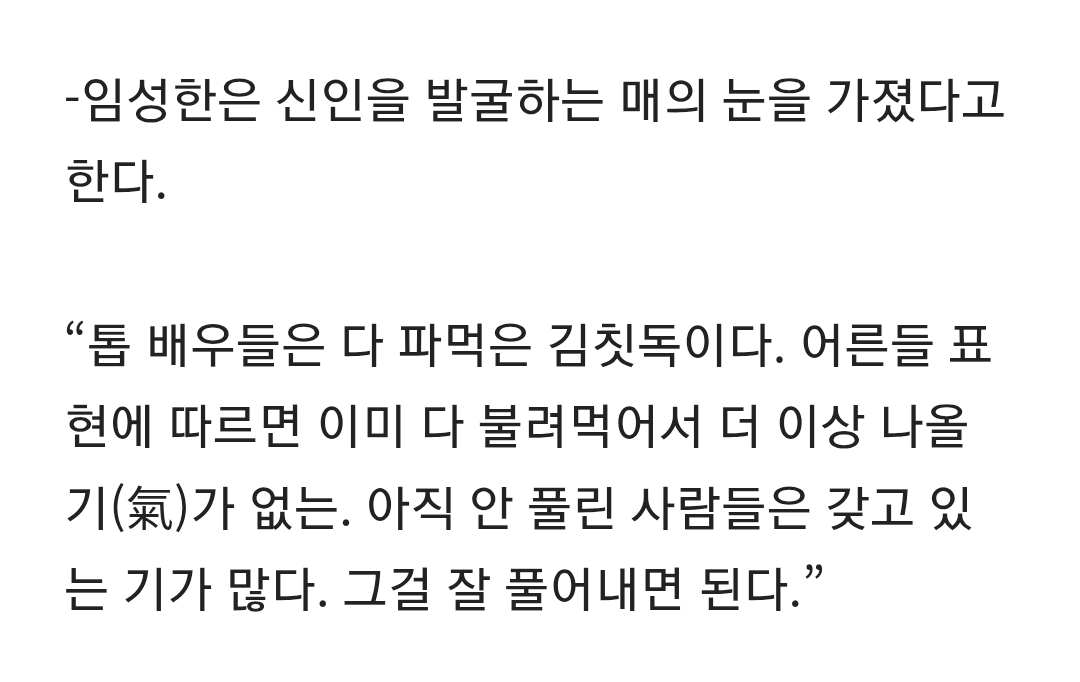
In the high-stakes world of K-drama production, where a single casting choice can determine whether a project receives a multi-million dollar greenlight from Netflix or Disney+, writer Im Seong-han remains the industry’s most fascinating anomaly. A recent interview circulating on platforms like theqoo has reignited the firestorm surrounding her unconventional philosophy. When asked why she consistently avoids top-tier stars, her answer was characteristically blunt: ‘Top actors are like kimchi jars that have already been scraped clean.’ It is a metaphor that is as biting as it is brilliant, suggesting that by the time an actor reaches the ‘A-list’ status, the audience has already consumed every ounce of mystery and novelty they had to offer.
Cinematically speaking, this ’empty jar’ theory touches on the concept of visual saturation. When we see a Hallyu superstar on screen today, we aren’t just seeing the character; we are seeing the baggage of twenty previous roles, a dozen high-end luxury brand endorsements, and a curated Instagram persona. Im Seong-han argues that this familiarity breeds a certain kind of narrative resistance. The viewer’s brain is too busy reconciling the actor’s public image with the character’s plight. By casting rookies, she effectively provides a blank canvas—a fresh jar of kimchi, if you will—where the audience has no choice but to believe the fiction. It’s a bold stance in an era where ‘star power’ is often used as a crutch for lazy writing.
“Honestly, I get it. When I see the same three male leads rotating through every ‘healing’ drama on my feed, I start to lose interest. Im Seong-han’s shows are weird, but at least the faces feel like the people they’re supposed to be playing.” — User ‘DramaGeek99’ on theqoo
The ‘Blank Slate’ Strategy: Architecture of the Uncanny
The brilliance of Im Seong-han’s work—whether you love it or find it utterly unhinged—lies in its specific mise-en-scène. Her dramas often inhabit a world that feels slightly adjacent to reality, a sort of ‘uncanny valley’ of Seoul high society. To populate this world, she needs actors who are willing to submit entirely to her idiosyncratic dialogue and pacing. Top stars, who often have a ‘brand’ to protect and a specific acting style that has won them awards, are notoriously difficult to mold. They bring their own gravity to a set, which can disrupt the delicate, often surreal atmosphere Im Seong-han meticulously builds.
Consider the technical requirements of her scripts. Her characters often engage in long, staccato monologues about everything from the health benefits of cold water to the spiritual implications of a specific hairstyle. A veteran actor might try to ‘normalize’ these lines, adding nuance or emotional grounding that actually works against the writer’s intent. A rookie, however, treats the script as gospel. They deliver the lines with a peculiar, almost theatrical stiffness that has become a hallmark of the ‘Im Seong-han Style.’ This isn’t ‘bad’ acting in the traditional sense; it’s a specific performance art that requires the absence of ego—something rarely found in the ‘kimchi jars’ of the elite.
The Economics of the Unknown
Beyond the artistic justification, there is a cold, hard economic reality to the ‘Empty Jar’ philosophy that many critics overlook. In the current market, the cost of casting a top-five Hallyu actor has reached astronomical levels, often consuming upwards of 40-50% of a series’ total production budget. When a production spends that much on a face, they inevitably cut corners elsewhere—cinematography, set design, and post-production often suffer. Im Seong-han flips this script. By casting unknowns, she reallocates that ‘star tax’ back into the production value. This is why, despite their often bizarre plots, her dramas like Durian’s Affair or her more recent projects boast some of the most opulent and technically precise set designs in the industry.
This redistribution of wealth also creates a unique power dynamic on set. In a typical ‘Big Star’ production, the lead actor often holds more sway than the director. In an Im Seong-han production, the writer is the undisputed sun around which all planets revolve. This total control allows for a level of narrative risk-taking that is virtually extinct in mainstream K-dramas. Who else would dare to kill off a main character via a spontaneous laugh-induced heart attack or introduce literal ghosts into a corporate melodrama? You can’t do that with an A-lister whose contract likely includes a ‘hero clause’ protecting their image. The rookies are there for the ride, and that desperation for a breakthrough translates into a raw, unpredictable energy on screen.
“People call her crazy, but look at how many stars she’s actually made. Sung Hoon, Im Soo-hyang, Lee Tae-gon—they were all ’empty jars’ once. She fills them up and then the rest of the industry eats the kimchi for years.” — Comment from a viral post on Nate Pann
The Audience’s Paradox: Hate-Watching and High Ratings
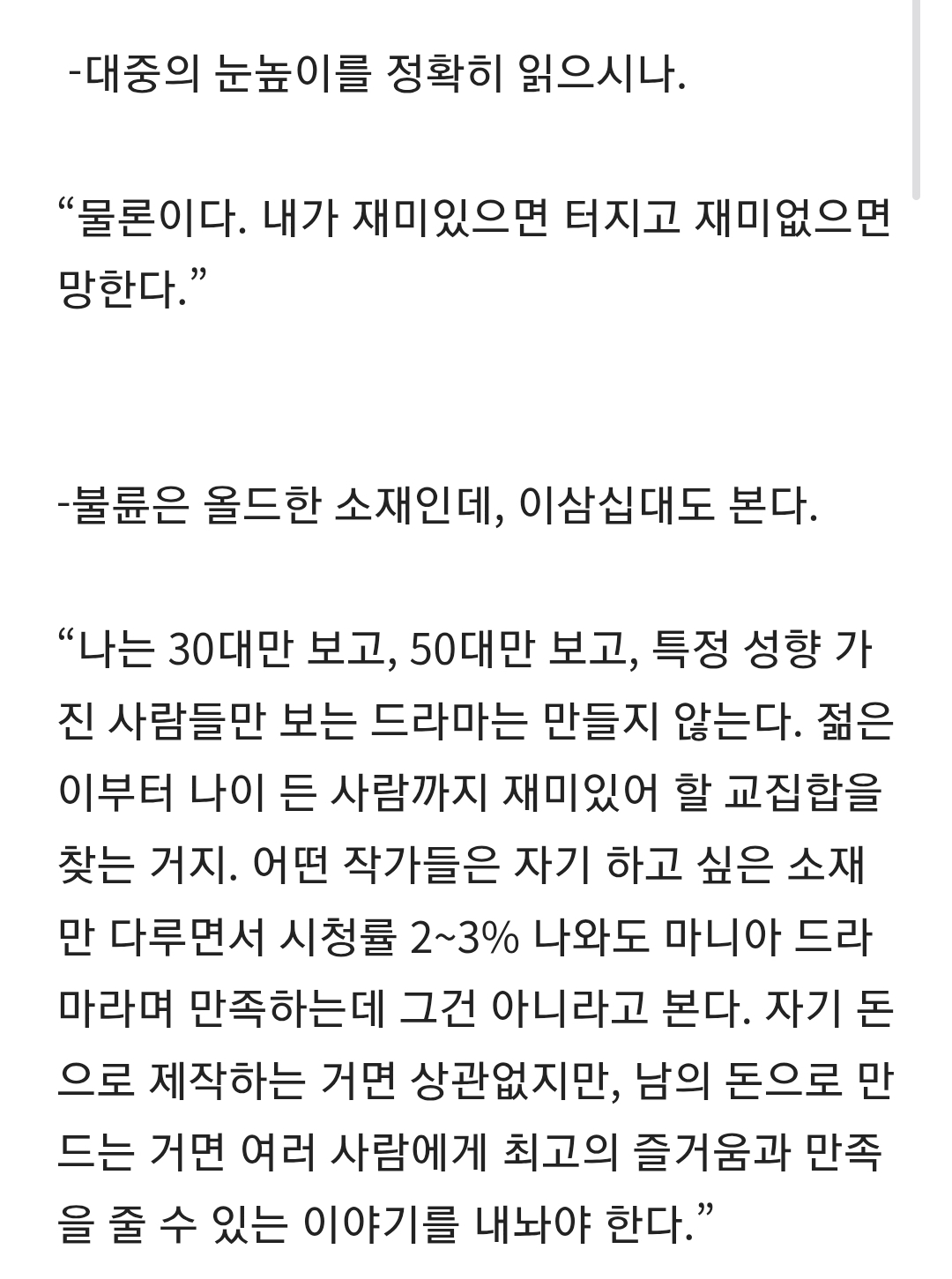
The most fascinating aspect of the ‘Empty Jar’ debate is the audience’s reaction. On social media platforms like X (formerly Twitter) and various K-communities, the announcement of a new Im Seong-han project is usually met with a mix of mockery and genuine dread. And yet, the ratings consistently defy logic. There is a psychological phenomenon at play here: the ‘freshness’ of the cast creates a low-stakes entry point for the viewer. Without the pressure of supporting a beloved star, the audience feels free to criticize, laugh at, and eventually become obsessed with the unfolding chaos.
Unpopular opinion, but I believe the industry needs more of this ‘scraped jar’ mentality. We are currently witnessing a period of ‘Star Fatigue.’ The same five actors are being shuffled between Netflix, Disney+, and tvN like a deck of cards. While their performances are technically proficient, the sense of discovery is gone. When I watch an Im Seong-han drama, I am constantly asking, ‘Who is that?’ and ‘Why are they doing that?’ That level of engagement is increasingly rare. The director’s choice to prioritize the ‘new’ over the ‘proven’ is a direct challenge to the commercial homogenization of modern K-content.
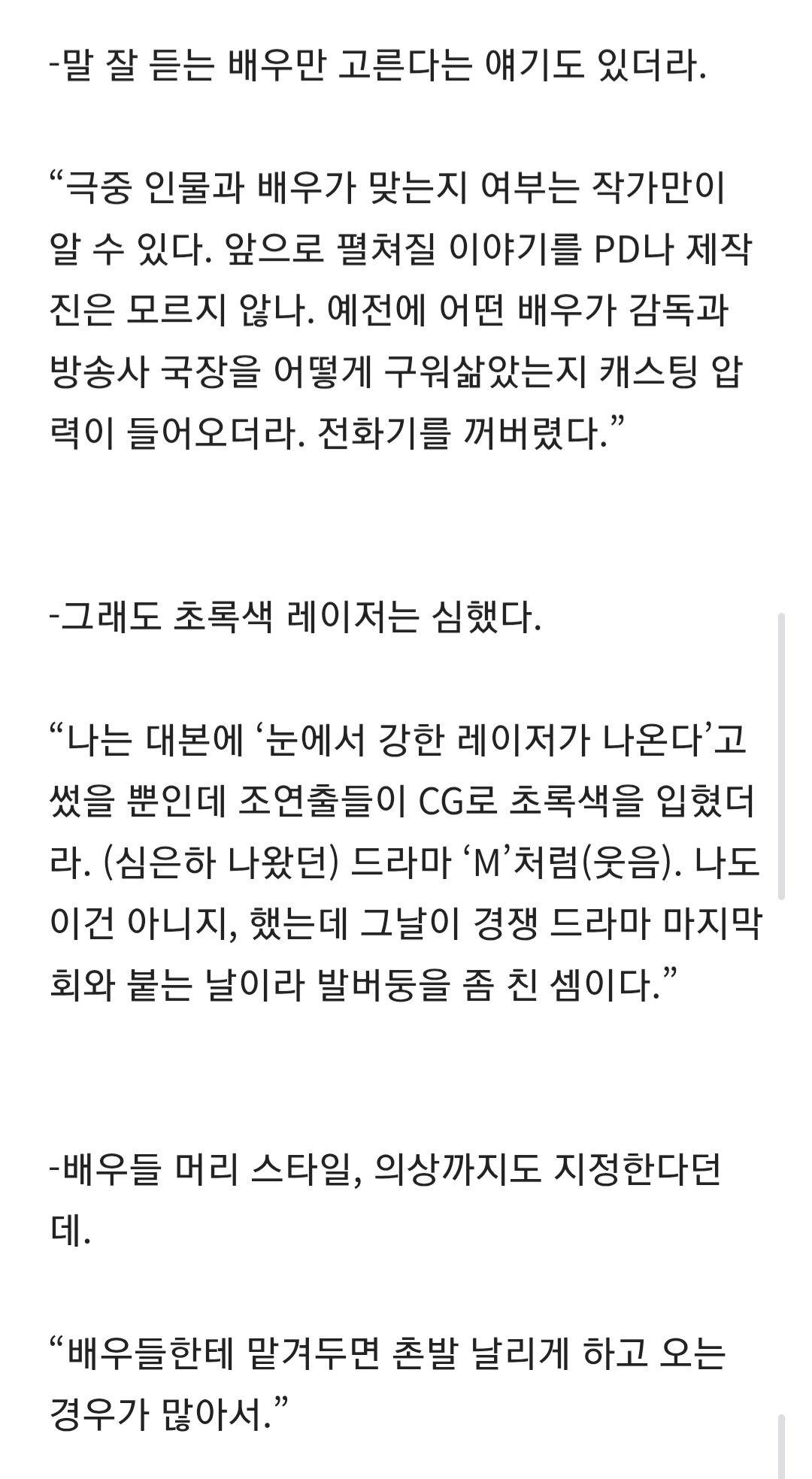
Technical Breakdown: The Mise-en-Scène of the Unknown
If we look at the cinematography of her recent work, the camera treats these rookie actors differently than a director would treat a superstar. In a ‘Star Vehicle,’ the camera is subservient to the actor’s best angles, often utilizing soft lighting and romantic close-ups to maintain the ‘CF’ (commercial) look. In contrast, Im Seong-han’s directors often use wide, clinical shots that emphasize the actor’s placement within the set—the mise-en-scène. The characters are frequently framed as small, isolated figures within massive, gilded rooms, reinforcing the theme that they are merely pawns in a much larger, weirder game.
The OST drops also function differently. Instead of relying on a chart-topping ballad by a famous idol to signal an emotional beat, her shows often use jarring, classical, or operatic scores that heightens the sense of melodrama. This technical cohesion is only possible because the actors don’t have a competing ‘brand’ that needs to be serviced. The music, the lighting, and the ’empty jar’ actors all work in service of the writer’s singular, albeit chaotic, vision. It is a masterclass in auteur-driven television, even if that auteur happens to be obsessed with the spiritual properties of premium beef.
“I stopped watching ‘standard’ rom-coms because I could predict the ending by looking at the cast list. With Im Seong-han, I don’t even know if the lead will be alive by Episode 10. That’s the power of casting people you’ve never seen before.” — Anonymous user on FM Korea
Final Verdict: The Necessity of New Fermentation
Is Im Seong-han’s assessment of top actors fair? Probably not. There are plenty of A-listers who continue to reinvent themselves and bring deep nuance to their roles. However, her ‘Empty Jar’ philosophy serves as a necessary corrective to an industry that has become overly reliant on the same small pool of talent. By refusing to play the ‘Star Casting’ game, she forces the audience—and the industry—to focus on the narrative itself, however bizarre it may be. She proves that a drama can be a massive hit without a single household name, provided it has a distinct voice and the courage to be weird.
As a critic, I find her approach refreshing. In the sea of polished, predictable, and ‘safe’ content that dominates the current landscape, her dramas stand out like a thumb that isn’t just sore, but actively glowing. Whether you consider her a genius or a hack, you cannot deny that she understands the fundamental truth of entertainment: we are always, on some level, searching for something we haven’t seen before. And you won’t find that at the bottom of a jar that’s already been scraped clean. If the price of original storytelling is a few ‘stiff’ performances and a plot involving a possessed dog, then perhaps it’s a price worth paying.
The Critic’s Scorecard
Writing: ⭐⭐⭐ (Chaotic, but undeniably original)
Direction: ⭐⭐⭐⭐ (Technically superior to most mid-budget shows)
Acting: ⭐⭐ (Intentionally ‘blank’, which is a choice)
Production Value: ⭐⭐⭐⭐⭐ (Where the star-salary savings go)
Overall Rating: 7.5/10
Watch recommendation: For those suffering from ‘Star Fatigue’ and looking for a drama that feels like a fever dream directed by someone who hates the status quo. Skip if: You require logical character motivations or ‘naturalistic’ acting to enjoy a story.