



K-Beauty Brands Under Fire: Cultural Missteps Spark Outrage
Okay, real talk, K-Beauty fam. Lately, it feels like we’ve been scratching our heads a lot, looking at some of the choices our beloved brands are making. It’s not about a new formula that didn’t work for me, or a shade that wasn’t quite right. This time, it’s about something much deeper: cultural insensitivity, and frankly, some baffling marketing decisions that have left a bitter taste in many Korean consumers’ mouths. As someone who lives and breathes K-Beauty, and genuinely wants to see it thrive globally while staying true to its roots, these recent controversies have been particularly disheartening.
The online buzz has been palpable, with discussions exploding on platforms like TheQoo, where a post detailing these issues garnered over 70,000 views and nearly a thousand comments. It’s clear that this isn’t just a niche concern; it’s a widespread sentiment among those who champion Korean beauty. We love our brands, we support their innovation, but when fundamental cultural respect seems to be overlooked, it’s a big problem. Let’s dive into what happened and why it matters so much.
What Exactly Happened? A Quick Rundown of the Controversies
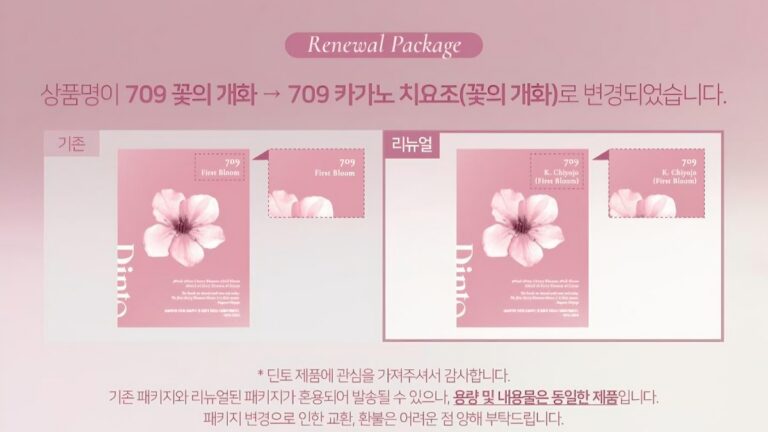
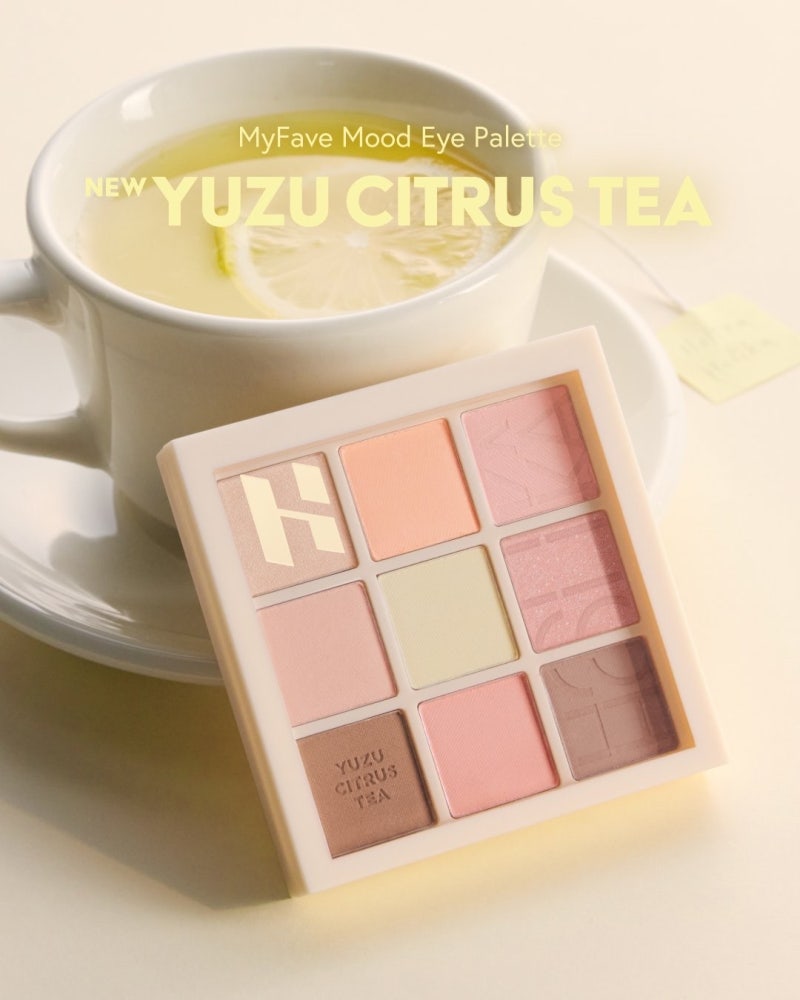
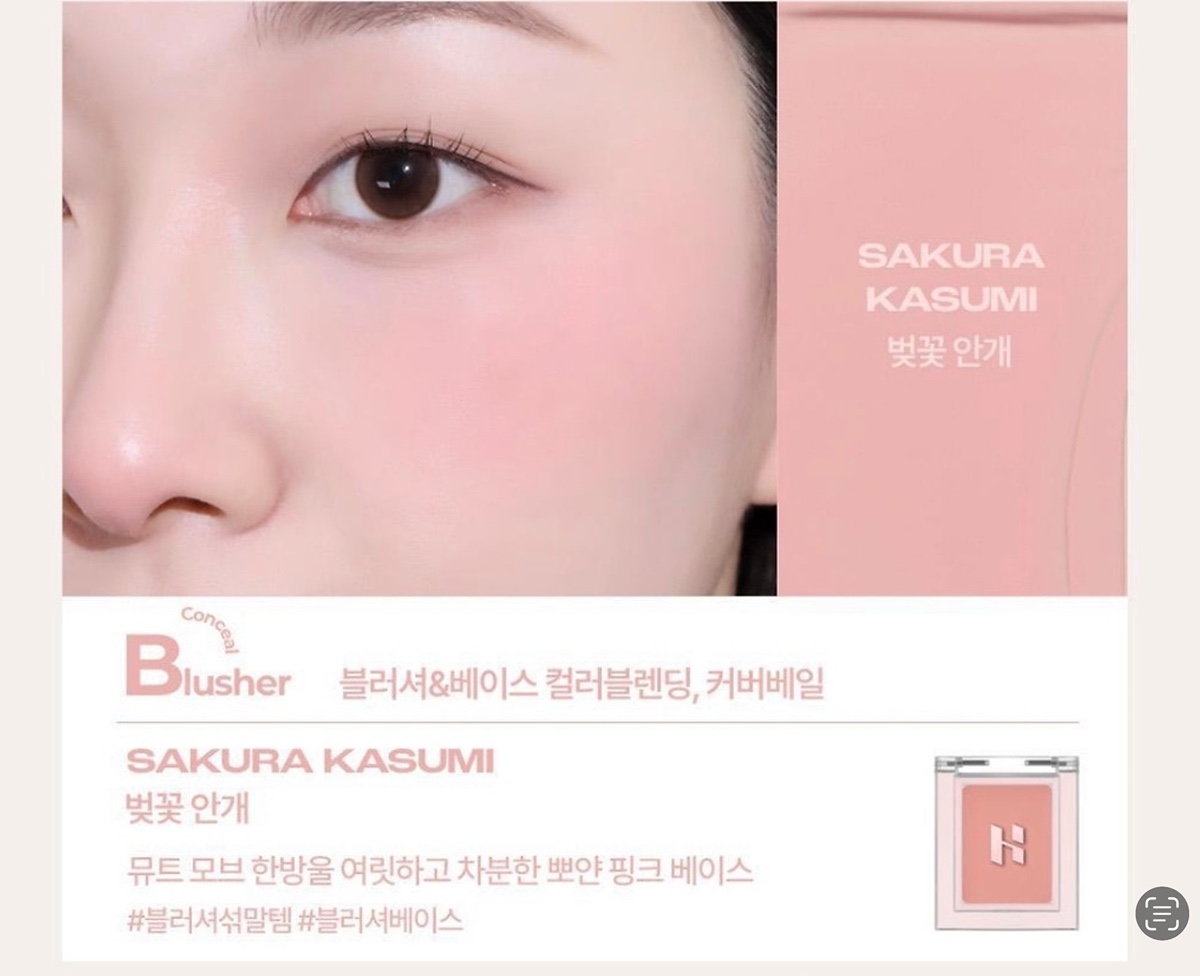
Let me break this down for you. First, we had Dinto, a brand many of us adore for its elegant aesthetics and quality products. But then, they decided to change some of their existing product names to Japanese. Not just for a global market, but seemingly as a primary identifier. Then, Holika Holika followed suit, launching a new line with distinctly Japanese-sounding names. Now, you might be thinking, ‘What’s the big deal? Japanese is a beautiful language!’ And yes, it is. But for Korean consumers, especially given our shared history, it’s not just about aesthetics. It touches a raw nerve, sparking memories of a time when our own language and culture were actively suppressed.
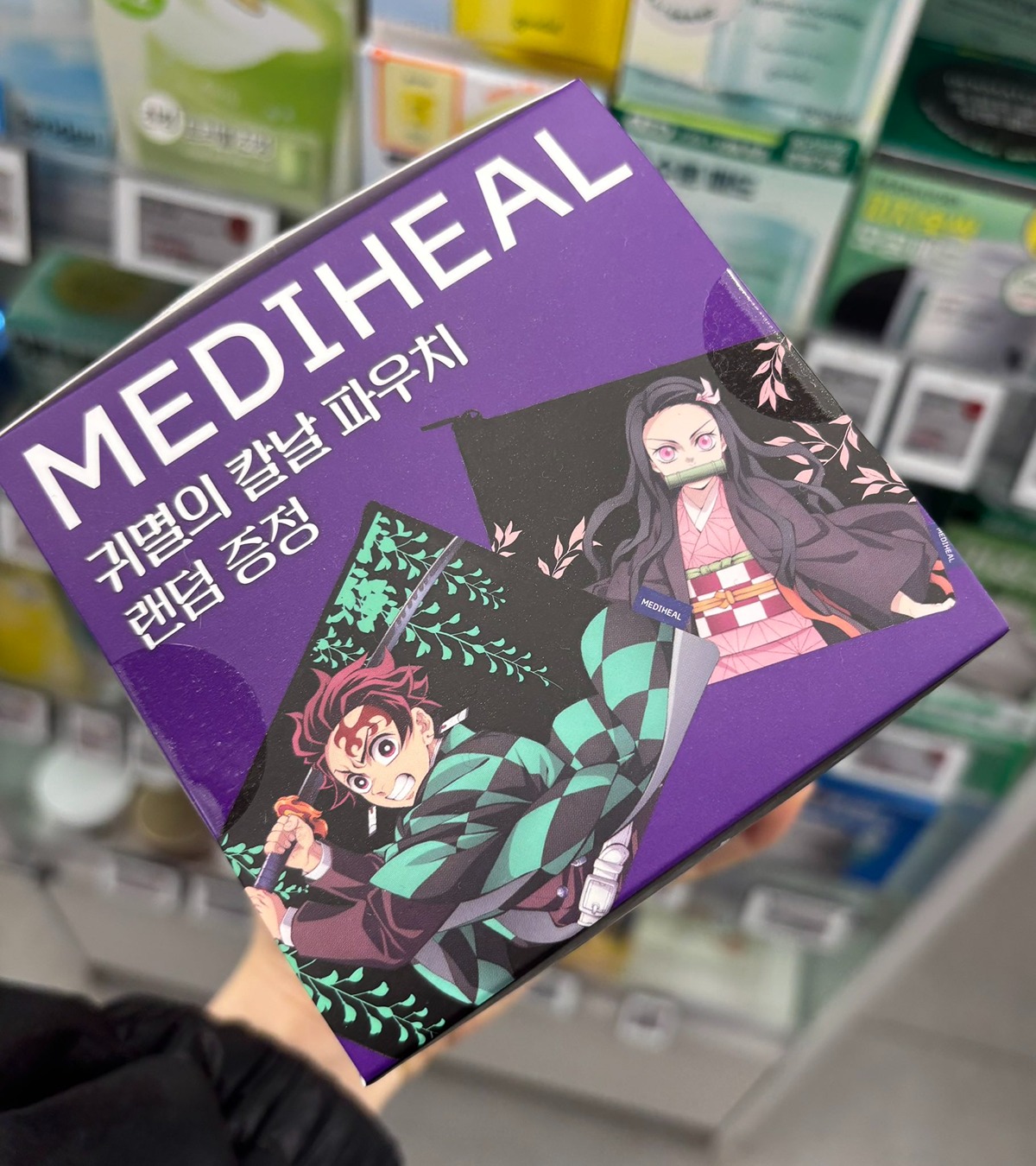
But the incident that really set the internet ablaze, and frankly, broke my heart a little, involved Mediheal. A brand synonymous with reliable, effective sheet masks – a K-Beauty staple! On March 1st, Samiljeol, our Independence Movement Day, a day of profound national significance commemorating our resistance against Japanese colonial rule, Mediheal released a collaboration. And the character featured in this collaboration? Was depicted wearing a kimono. *Chef’s kiss*… but not in a good way. It was a complete misstep, a tone-deaf decision that felt like a slap in the face to many, especially on a day meant to honor our national identity and independence.
The timing of the Mediheal incident, in particular, demonstrates a shocking lack of awareness. Samiljeol is not just another public holiday; it’s a solemn reminder of our fight for sovereignty and the sacrifices made to preserve our language and culture. To feature imagery so strongly associated with Japan, and specifically a traditional Japanese garment like the kimono, on *that* day, felt like a profound disrespect. It raised questions about the brand’s internal cultural literacy and their understanding of the very market that helped them become a global success.
Why This Hits Different: The Weight of History
To truly understand why these seemingly small marketing decisions caused such a huge uproar, we need to talk history. Korea’s past with Japan, particularly during the colonial period from 1910 to 1945, is complex and still very painful. During this time, our language was suppressed, our culture was undermined, and Koreans were even forced to change their names to Japanese ones. The very fabric of Korean identity was under attack. So, when a K-Beauty brand, a symbol of our modern cultural soft power, starts using Japanese names or imagery carelessly, it’s not just a stylistic choice. It feels like a dismissal of that painful past and a betrayal of national identity.
K-Beauty isn’t just about skincare and makeup anymore; it’s a massive cultural export, a point of national pride. It represents innovation, quality, and a unique Korean identity that has captivated the world. For many, seeing these brands, which are often at the forefront of representing Korea globally, make such culturally insensitive blunders feels like a deep disappointment. It makes you wonder if they truly understand the market they operate in, or the consumers they claim to cherish. It’s a reminder that while global appeal is important, it should never come at the expense of respecting the historical context and emotional landscape of your home country.
“아니, 굳이굳이 일본어로 바꿔야 하는 이유가 뭐야? 한국 브랜드인데 한국말 쓰는 게 그렇게 어려워?”
(Why do they *have* to change it to Japanese? It’s a Korean brand, is it so hard to use Korean?)
This sentiment, echoed by countless comments online, perfectly encapsulates the frustration. It’s not about rejecting Japanese culture entirely; it’s about a Korean brand, built on Korean innovation, seemingly prioritizing another culture’s aesthetic over its own heritage, especially when that heritage carries such a heavy historical burden. It suggests a disconnect between the brand’s marketing team and the deep-seated emotions of their loyal customer base.
The Global vs. Local Dilemma: A Balancing Act
Now, I’m trying to see this from the brands’ perspective. Maybe they thought it would appeal to a broader international audience, perhaps specifically the Japanese market, or maybe they just liked the sound of it. Global expansion is a huge goal for many K-Beauty brands, and reaching new markets is crucial for growth. After all, K-Beauty has taken the world by storm, and continuing that momentum requires strategic thinking. But here’s the thing: you can expand globally without alienating your core domestic audience. You can be internationally minded without being culturally tone-deaf.
True global appeal comes from embracing your unique identity, not diluting it or adopting another’s without context. K-Beauty’s success is rooted in its Korean origins, its innovative spirit, and its unique approach to skincare. To sacrifice that for what seems like a superficial attempt at ‘globalization’ is a miscalculation. It sends a message that they prioritize external markets over the sentiments of their loyal Korean customers. It’s like trying to appeal to everyone by being everything, and in doing so, losing the very essence that made you special in the first place.
The irony is that K-Beauty’s strength has always been its distinctiveness. Consumers worldwide are drawn to it precisely because it’s *Korean*. The intricate routines, the focus on natural ingredients, the rapid innovation – these are all hallmarks of its identity. When brands start to blur these lines without careful consideration, they risk losing what makes them unique and, more importantly, losing the trust of the consumers who initially put them on the global map. It’s a delicate balancing act, and these recent events show just how easily that balance can be disrupted.
The Ripple Effect: Trust, Loyalty, and Boycotts
When incidents like these happen, the ripple effect is immediate and far-reaching. Social media becomes a wildfire of criticism, and online communities like TheQoo, where this post garnered over 70,000 views and nearly a thousand comments, become hubs of collective disappointment. Consumers feel betrayed. Trust, which takes years to build, can be shattered in a single ill-conceived marketing campaign. For many, the immediate response is a boycott, a powerful statement that their cultural values are not for sale and that they expect more from the brands they support.
This isn’t just about a one-off mistake; it’s about a brand’s ethos. If a brand demonstrates such a lack of awareness, it makes you question their sincerity in other areas too. As a curator, I always stress that K-Beauty is about more than just ingredients; it’s about the experience, the innovation, and the story behind the product. When that story becomes tainted by cultural insensitivity, it affects my ability to recommend it wholeheartedly, and it certainly affects consumers’ willingness to open their wallets. It’s a stark reminder that in today’s hyper-connected world, brands are under constant scrutiny, and their actions resonate far beyond a single ad campaign.
“삼일절에 기모노라니… 진짜 제정신인가? 이제 메디힐 안 살 거야.”
(Kimono on Samiljeol… are they seriously out of their minds? I’m not buying Mediheal anymore.)
The emotional weight behind comments like these cannot be overstated. It’s a visceral reaction to what feels like a disregard for national memory and pride. For a brand to recover from such a significant breach of trust requires more than just a perfunctory apology; it demands genuine introspection, a commitment to understanding, and visible changes in their approach. Without this, the damage to brand loyalty can be long-lasting, potentially impacting not just current sales but future growth and reputation.
A Call for Cultural Sensitivity and Responsible Marketing
So, what’s the takeaway here? For K-Beauty brands, it’s a loud and clear message: cultural sensitivity is not optional; it’s fundamental. Before launching a new product line, before changing a name, before collaborating with *any* character, especially around significant national holidays, brands *must* do their homework. This means consulting with local teams, hiring cultural advisors, and having a deep understanding of the historical and social context of their primary market. It’s about more than just avoiding offense; it’s about showing genuine respect and building authentic connections with your consumers.
As consumers, we also have a role to play. Our voices, especially when united, are powerful. We can choose to support brands that demonstrate genuine understanding and respect, and we can choose to turn away from those that don’t. As your trusted K-Beauty unnie, I’m here to not only guide you to the best products but also to champion responsible brand behavior. We deserve brands that reflect our values and celebrate our heritage, not inadvertently disrespect it. It’s a collective effort to ensure that the K-Beauty industry grows in a way that is both innovative and culturally conscious.
“K-뷰티가 세계적으로 잘 나가는 건 좋은데, 정체성을 잃지 말아야지. 너무 아쉽다.”
(It’s good that K-Beauty is doing well globally, but they shouldn’t lose their identity. It’s so disappointing.)
This comment encapsulates the nuanced feelings of many Korean consumers. There’s immense pride in K-Beauty’s global success, but that pride is intrinsically linked to its Korean identity. The fear is that in the pursuit of a broader market, brands might dilute or even erase the very essence that made them successful and beloved in the first place. It’s a plea for brands to remember their roots and to carry their heritage with pride and sensitivity, rather than treating it as something to be overlooked or altered for convenience.
Moving Forward: Learning from Mistakes
It’s easy to get frustrated, but I also believe in second chances and the power of learning. These incidents, while disheartening, can serve as crucial wake-up calls for the entire K-Beauty industry. It’s an opportunity for brands to re-evaluate their marketing strategies, to invest more in cultural education for their teams, and to truly listen to their consumers. The K-Beauty landscape is dynamic, and adapting isn’t just about new ingredients or trending formulations; it’s about evolving with cultural awareness and a deeper understanding of the diverse global and local communities they serve.
Ultimately, K-Beauty’s strength lies in its authenticity and its connection to Korean culture. Let’s hope these recent missteps pave the way for a more thoughtful, respectful, and genuinely global K-Beauty future, where success isn’t just measured in sales, but in the trust and pride of its consumers. Brands have a responsibility to uphold the values of their origin, especially when that origin carries such significant historical weight. Trust me on this one, our K-Beauty community deserves nothing less. We’ll keep watching, and we’ll keep speaking up, because the heart of K-Beauty beats strongest when it respects its own heritage.
The path forward for these brands, and indeed for the entire K-Beauty industry, must involve a renewed commitment to cultural education and consumer engagement. It’s about building bridges, not burning them. By actively listening, learning from mistakes, and demonstrating genuine respect for the historical and cultural landscape, K-Beauty brands can not only regain trust but also solidify their position as truly global, yet authentically Korean, pioneers in the beauty world. It’s a challenge, but one that is essential for sustainable and meaningful growth.