

The Visual Continuity of Power: Beyond the Dragon Robe
Walking through the hallowed halls of Gyeongbokgung or binge-watching the latest high-budget Sageuk on Netflix, we often find ourselves lost in the aesthetic grandeur of the Joseon Dynasty. We see the silk gonryongpo (dragon robes), the intricate jade ornaments, and the stoic expressions of actors like Kim Soo-hyun or Yoo Ah-in. But a fascinating post recently went viral on the community site Instiz, racking up over 24,208 views and sparking an intense debate about the ‘scary’ persistence of the Joseon royal bloodline’s physical traits. Cinematically speaking, we often talk about ‘star quality’ or ‘screen presence,’ but looking at the historical records of the Lee clan of Jeonju, it seems nature had its own casting director long before the first camera ever rolled in Korea.
The post, titled ‘The Joseon Royal Bloodline is Truly Scary,’ highlights a lineage that stretches from the founder, Taejo Lee Seong-gye, down through the most notorious and influential figures of the era: Taejong, Sejo, Yeonsangun, and eventually the 19th-century powerhouse, Heungseon Daewongun. What’s striking isn’t just the political weight these names carry, but the uncanny facial similarities that persist across centuries. As a critic, I’ve spent years analyzing how mise-en-scène is used to convey authority, but here, the mise-en-scène is written in the DNA itself. The sharp, slightly slanted eyes, the prominent brow ridges, and a specific, heavy-set jawline appear like a recurring motif in a masterfully directed series.
“I always thought the portraits were just stylized, but seeing them lined up like this is chilling. It’s like the same person is being reborn every few generations to reclaim the throne. No wonder the ‘royal face’ was such a big deal in historical records.” — User history_buff_99 on Instiz
From Taejo to Yeonsangun: A Lineage of Intensity
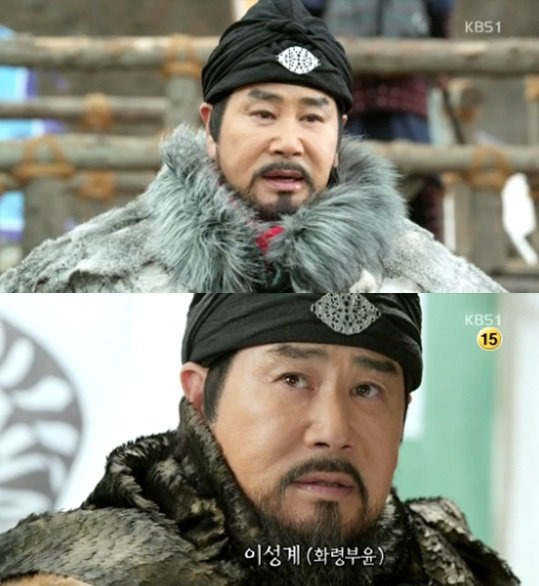
To understand why this is trending in March 2026, we have to look at the specific ‘look’ of the early Joseon kings. Taejo Lee Seong-gye was a warrior, and his portrait reflects a man of grit. His son, Taejong Lee Bang-won—the man who arguably did the most ‘heavy lifting’ to solidify the throne—carried that same intensity. When we see this lineage move toward Sejo (Lee Yu), the grandson of Taejong, the features become even more pronounced. This isn’t just about family resemblance; it’s about a visual language of dominance. In film studies, we call this physiognomy—the practice of assessing a person’s character from their outer appearance. In the context of Joseon, the ‘strong genes’ weren’t just a biological fact; they were a political statement.
Unpopular opinion, but I believe our modern Sageuks have softened these figures too much. We often cast actors with delicate, ‘flower boy’ features to play these rugged historical titans. However, when you look at the actual Eojin (royal portraits), there is a certain ‘roughness’ and a piercing quality to the gaze that is genuinely intimidating. The Instiz post points out that Yeonsangun, the great-grandson of Sejo, inherited these exact traits. Despite his reputation as a tyrant, his visual connection to his ancestors served as a constant reminder of his legitimacy. The ‘scary’ part that netizens are referencing is how these features don’t fade; they hibernate and then reappear with a vengeance.
The Sejo Effect: Casting the ‘Usurper’ Aesthetic
Sejo remains one of the most complex figures in Korean history. The man who took the throne from his young nephew, Danjong, is often portrayed in dramas as a brooding, Machiavellian figure. Think back to Lee Jung-jae’s iconic entrance in the film The Face Reader. While that was a fictionalized portrayal, the real Sejo’s features—captured in surviving sketches and descriptions—align perfectly with this viral ‘strong gene’ theory. The heavy eyelids and the downward turn of the lips create an aura of unshakeable will. When directors look for an actor to play Sejo, they aren’t just looking for talent; they are looking for that specific architectural structure of the face that suggests a person capable of upending an entire social order.
The writing in our current 2026 dramas often falters when it tries to humanize these figures through dialogue alone. What the Instiz post reminds us is that the visual presence of the Joseon royals did half the work for them. If you walked into a room and saw a man who looked exactly like the legendary Taejong Lee Bang-won, you wouldn’t need a speech to understand his authority. The ‘strong genes’ acted as a living seal of approval. This biological continuity is something that modern casting directors are increasingly trying to replicate, moving away from purely ‘pretty’ actors toward those who possess the ‘Joseon bone structure’—a trend I’ve noticed in the latest spring 2026 production lineups.
“If you look at the eyes of Heungseon Daewongun and then back at the early portraits, it’s the exact same ‘tiger gaze.’ Fifteen generations later and the DNA is still screaming. This is why I love Korean history; the drama is literally in the blood.” — Comment from SageukLover2026
Mirroring History: When Casting Directors Get It Right
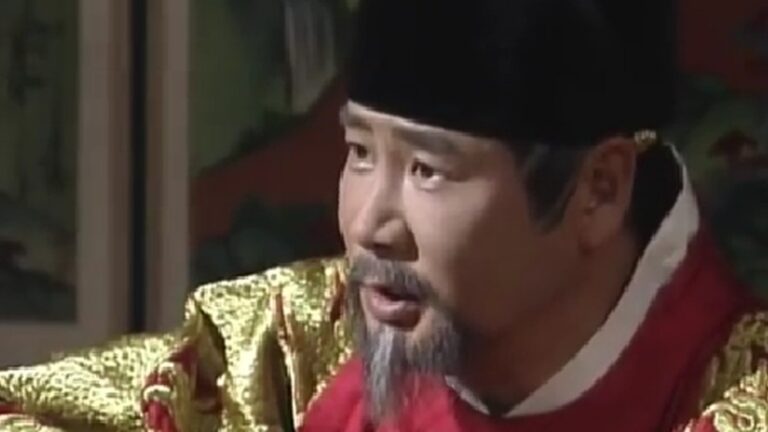
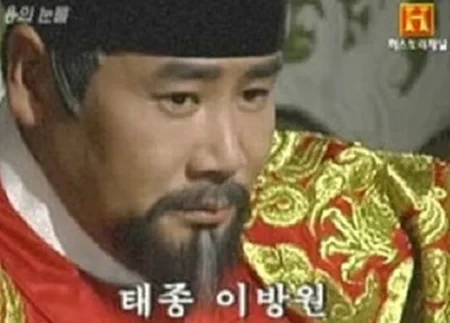
As a critic, I often find myself frustrated by ‘lazy’ casting that ignores historical verisimilitude in favor of popularity. However, every once in a while, a production gets it right. They find an actor who captures that ‘royal DNA’ mentioned in the viral post. It’s not just about looking like a specific portrait; it’s about capturing the essence of the Jeonju Lee clan’s physiognomy. This includes the high cheekbones and the very specific way the bridge of the nose connects to the brow. When an actor possesses these traits, the performance is elevated from mere acting to a form of historical haunting.
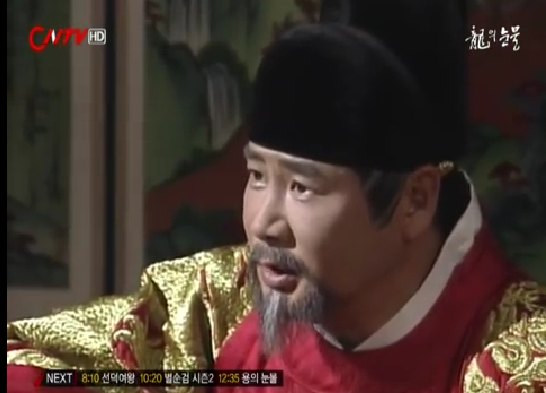
What elevates a scene in a Sageuk is when the actor’s face tells a story before they even speak. The ‘strong genes’ of the Joseon royals were characterized by a certain ‘weight.’ Even in the portraits of the later kings, who were often politically weaker, that facial structure remained a vestige of their ancestors’ power. The Instiz community’s obsession with this topic shows that the Korean public has a deep, almost instinctual recognition of these features. We are trained by our history and our media to recognize the ‘face of a king,’ and when we see it mirrored in the 15th-generation descendants, it triggers a sense of awe—and, as the post says, a little bit of fear.
The 15-Generation Jump: Heungseon Daewongun’s Familiar Face
Perhaps the most shocking part of the viral analysis is the comparison between the early Joseon kings and Heungseon Daewongun, the father of King Gojong. Separated by roughly 15 generations from Sejo, the resemblance is nothing short of miraculous. Daewongun was a man who lived through one of the most turbulent periods of Korean history, and his face—captured in both portraits and early photography—is a testament to the resilience of the Lee bloodline. He has the same piercing, slightly asymmetrical gaze and the firm, wide mouth that characterized his ancestors five centuries prior.
This isn’t just a coincidence; it’s a masterclass in genetic persistence. For K-drama fans, this provides a fascinating lens through which to view 19th-century set dramas. When we see a character like Daewongun, we aren’t just seeing a regent; we are seeing the ghost of the early Joseon founders. This visual link provides a narrative bridge that writers often struggle to create. It suggests that despite the decline of the dynasty, the ‘spirit’—or at least the physical manifestation of it—remained intact until the very end. The technical achievements of Joseon-era portrait artists (who were forbidden from flattering their subjects) allow us to see this 2026 viral moment as a bridge between art, science, and history.
“I checked my own family photo album after seeing this and I don’t even look like my dad, yet these kings managed to keep the same face for 500 years. The Joseon royal family was built different.” — User Genetics_Goosebumps
Why These ‘Scary’ Genes Keep Us Hooked on Sageuks
Why does this matter for us today, in 2026? It matters because our fascination with ‘royal blood’ hasn’t disappeared; it has simply shifted into the realm of entertainment. We watch Sageuks because we want to believe in the extraordinary—in people who were ‘born’ to lead, for better or worse. The ‘scary’ nature of these genes confirms a fundamental human curiosity about destiny and heritage. When a post like this goes viral, it reinforces the ‘mythos’ of the Joseon Dynasty, making it feel less like a dry history lesson and more like a living, breathing epic.
The director’s choice to focus on specific facial archetypes in modern dramas is a direct response to this public fascination. We are currently seeing a shift in Sageuk production where ‘historical accuracy’ is moving beyond just costumes and sets into the realm of ‘vibe’ and ‘aura.’ By understanding the physical reality of the people they are portraying, actors can tap into a deeper level of performance. It’s not just about the lines; it’s about the look. The ‘strong genes’ of the Joseon royals are a gift to storytellers, providing a built-in sense of continuity and drama that few other historical lineages can match.
Ultimately, the Instiz post serves as a reminder that history is written on the body as much as it is written in books. Whether it’s the ‘villainous’ intensity of Yeonsangun or the ‘regent’s’ fire in Daewongun, these faces are the mise-en-scène of Korean identity. As a critic, I find this intersection of genetics and pop culture to be the most compelling narrative of the year. It challenges us to look closer at the faces on our screens and the faces in our history books, finding the threads that connect us across centuries. The next time you sit down to watch a Joseon-era drama, pay attention to the eyes. You might just see a 500-year-old ghost looking back at you.