

Netflix Korea’s Top 10 Sparks Outrage: Cultural Appropriation or Coincidence?
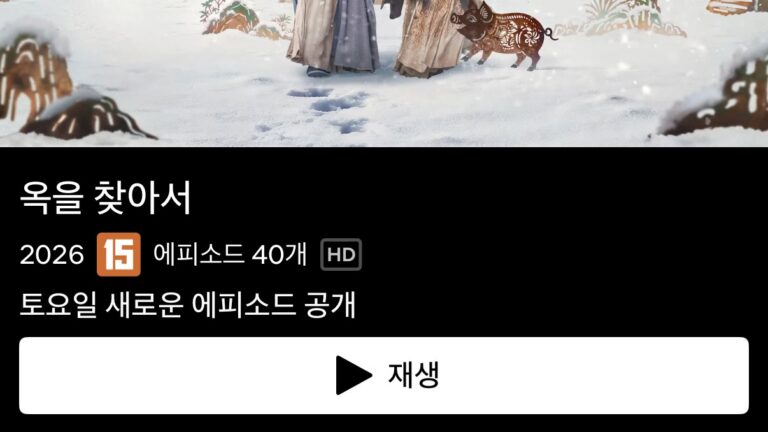
It’s an uncomfortable truth that sometimes, what’s trending isn’t what’s good, or even what’s ethically sound. Recently, a Chinese drama titled ‘옥을 찾아서’ (Searching for Jade, Chinese title: 祝玉) soared to an alarming #6 spot on Netflix Korea’s Top 10. On the surface, it might seem like just another foreign drama finding an audience, but a deeper look reveals a contentious issue that has ignited fierce debate across Korean online communities, particularly on platforms like TheQoo. The question isn’t about narrative quality or acting prowess here; it’s about cultural integrity.
Unpopular opinion, perhaps, but the mere presence of this drama, given the allegations surrounding its costume and set design, demands a critical lens. This isn’t merely a casual viewing recommendation; it’s a call for awareness. When a piece of media from a neighboring country, historically implicated in cultural appropriation, climbs the ranks on a major streaming platform within Korea, it ceases to be just entertainment. It becomes a cultural statement, and one that many Koreans find deeply problematic.
The Shadow of Dongbeo Gongjeong: A Lingering Threat
To understand the depth of the outrage, one must first grasp the concept of ‘Dongbeo Gongjeong’ (동북공정), or the Northeast Project of China. This is not a new controversy; it’s a historical and cultural flashpoint that has simmered for decades. Officially, it was a research project by the Chinese Academy of Social Sciences, launched in 2002, ostensibly to study the history and geography of China’s northeastern border regions. However, from a Korean perspective, it’s seen as a systematic attempt to appropriate elements of Korean history and culture, particularly that of the ancient Goguryeo kingdom, into Chinese narratives.
The implications are profound. If successful, such efforts could undermine the historical foundations of Korean identity, claiming everything from traditional attire to historical figures as Chinese in origin. This isn’t just academic; it manifests in popular culture, from historical dramas to animated series, where Korean cultural elements are frequently depicted as Chinese. Therefore, when a drama like ‘옥을 찾아서’ appears, featuring elements strikingly similar to Korean traditions, it immediately triggers alarm bells, especially for a populace acutely aware of these historical sensitivities.
Visual Evidence: The Dongjeong Controversy
The most immediate and glaring point of contention, and what initially set TheQoo’s China room ‘불타는중’ (ablaze), is the prominent display of ‘dongjeong’ (동정) on the collars of the main characters’ clothing. For those unfamiliar, the dongjeong is a crisp, white, detachable collar piece traditionally sewn onto the neckline of a ‘hanbok’ (한복), Korea’s national costume. It’s a subtle but distinct feature, a hallmark of Korean traditional dress, symbolizing purity and grace.
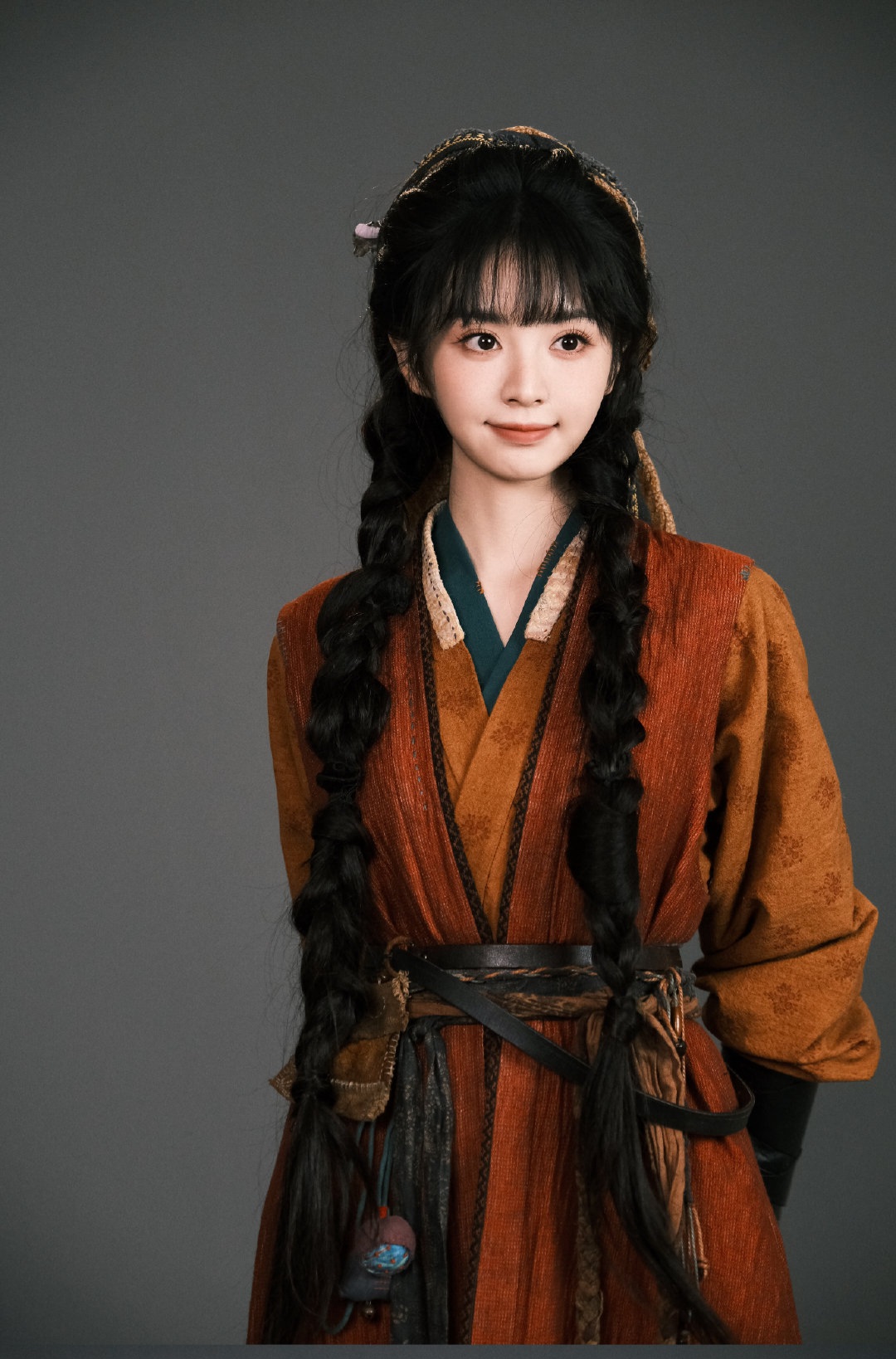
Cinematically speaking, the director’s choice to feature this element so prominently on both the male and female leads in ‘옥을 찾아서’ is either an act of brazen cultural appropriation or an astonishing oversight. As seen in the promotional stills and actual drama scenes, the white dongjeong is unmistakably present. It’s not a mere stylistic similarity; it’s a direct visual echo of a core element of hanbok. The mise-en-scène here is not just telling a story; it’s inadvertently, or perhaps intentionally, rewriting a cultural narrative.
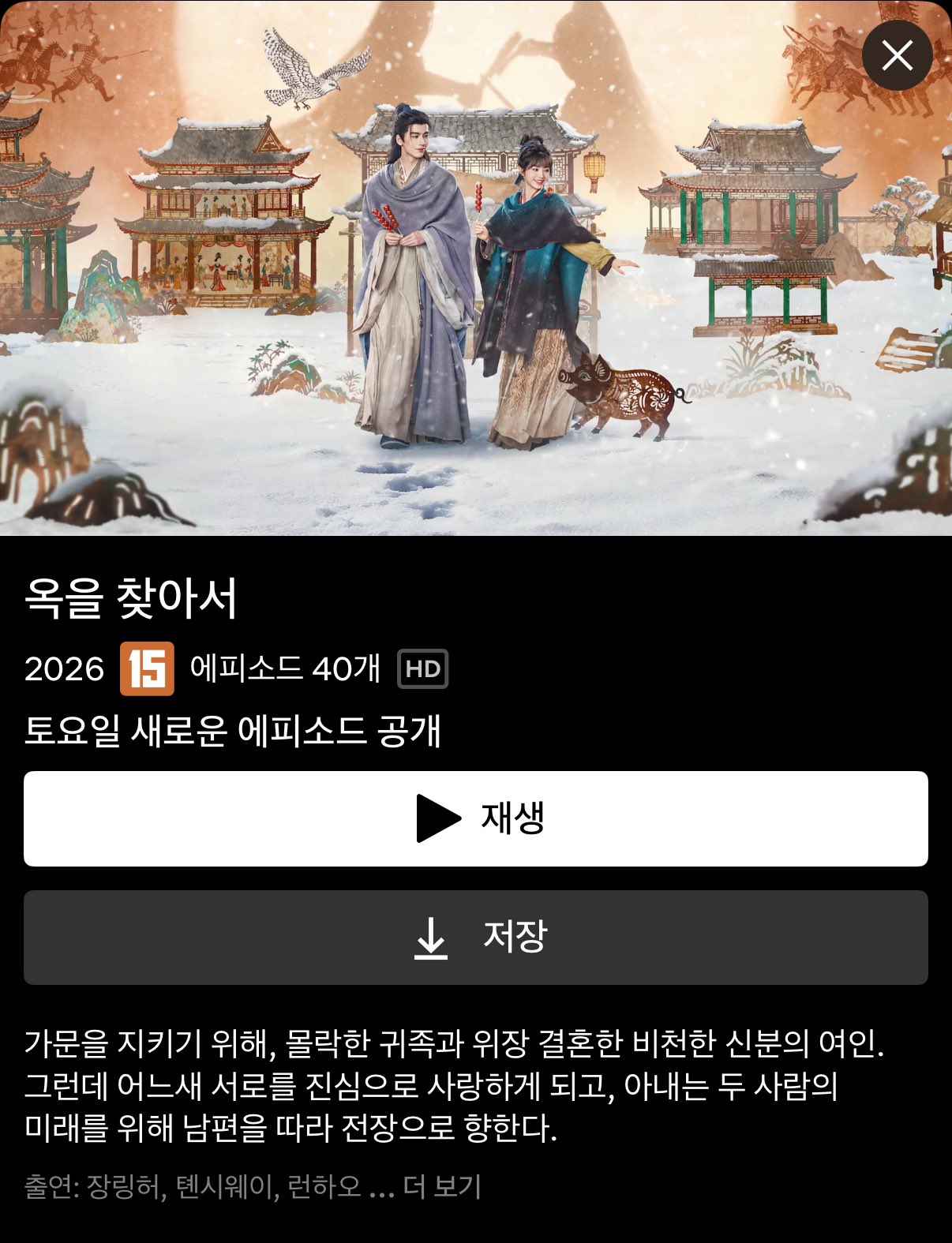
What elevates this scene from a simple costume choice to a point of intense scrutiny is the historical context. Chinese traditional attire, while rich and diverse, does not typically feature the dongjeong in this manner. Its appearance here, particularly given the Dongbeo Gongjeong backdrop, is not easily dismissed as a creative interpretation. It feels more like a deliberate attempt to blur cultural lines, to assimilate a distinctly Korean aesthetic into a Chinese historical setting. This is where the term ‘cultural appropriation’ truly finds its footing.
Beyond the Collar: Manggeon and Haedongcheong
The dongjeong, while striking, is not an isolated incident. Eagle-eyed netizens have pointed out other elements that further fuel the appropriation claims. The ‘manggeon’ (망건), a traditional Korean headband worn by men to keep their hair neatly tied back, also appears to feature in the drama. Again, this is a specific item deeply rooted in Korean male scholarly and aristocratic attire, a visual signature of Korean historical dramas.
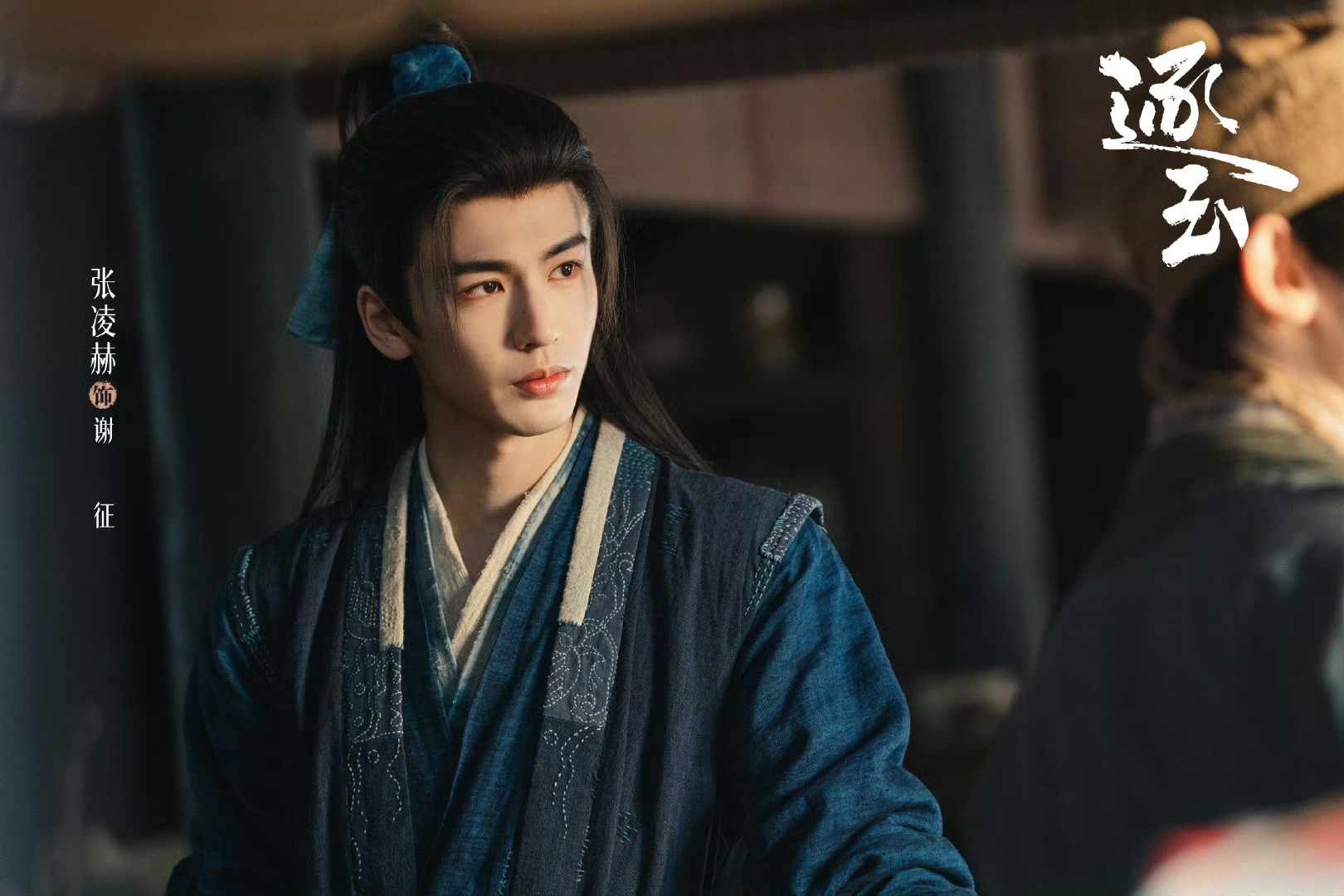
Furthermore, allegations of the inclusion of ‘Haedongcheong’ (해동청) have surfaced. Haedongcheong refers to the falcons from the eastern regions of Korea, specifically Goryeo, renowned for their hunting prowess. These falcons were highly prized and often presented as tribute or used in royal hunts during the Goryeo dynasty. Their appearance in a Chinese historical drama, especially without proper historical context or attribution, feels like another subtle yet significant attempt to absorb Korean cultural symbols into a Chinese narrative. It’s a pattern, not an accident.
These aren’t just minor details; they are cultural markers. The cumulative effect of these alleged appropriations creates a narrative that, for Korean viewers, is deeply unsettling. It’s a passive form of cultural erasure, subtly shifting the origin story of these cherished symbols. The director’s choice to incorporate these elements, whether through ignorance or intent, speaks volumes about the production’s approach to historical accuracy and cultural sensitivity.
Netflix’s Complicity and Platform Responsibility
Here’s where my critique turns sharply towards Netflix. As a global platform, Netflix has an immense responsibility to curate content that respects cultural boundaries and historical truths. To have a drama featuring such contentious elements not only available but actually *trending* at #6 on Netflix Korea is, frankly, astounding. It suggests either a severe lack of cultural vetting or a troubling indifference to the sensitivities of its local audience.
“Honestly, how can Netflix allow this? They promote Korean content globally, but then let Chinese dramas that appropriate our culture rank high in Korea? It’s hypocritical and deeply frustrating. Do they not care about the context?” – TheQoo User @CultureWatch
One might argue that Netflix is merely a distributor, not a censor. However, in an era where streaming platforms wield immense influence over cultural discourse, a passive stance is no longer acceptable. Their algorithms, their marketing, and their content acquisition strategies all contribute to what audiences consume and, by extension, what cultural narratives gain prominence. The writing falters not just in the drama itself, but in Netflix’s apparent lack of a robust ethical framework for content from regions with known cultural disputes.
This isn’t about blocking content from a specific country; it’s about ensuring content doesn’t actively harm or disrespect another culture. The platform’s commitment to Korean dramas and films has been a masterclass in global content strategy, but that success is undermined when they simultaneously enable what many perceive as cultural theft right on their home turf. It’s a glaring inconsistency that needs addressing.
The Outcry from Korean Netizens
The reaction from Korean netizens has been swift and emphatic. The Qoo’s China room, a popular online forum for discussing Chinese media, has been ablaze with discussions, screenshots, and detailed analyses of the alleged appropriations. These aren’t just angry rants; they are often accompanied by historical references and comparisons to authentic Korean cultural artifacts, underscoring the depth of knowledge and passion within the community.
“It’s not just the dongjeong. Look at the general silhouette of the clothes, and even the hair accessories. It all feels ‘off’ and too close to our traditional styles without being our own. This isn’t inspiration; it’s taking.” – TheQoo User @HanbokLover
The collective sentiment is one of frustration and a sense of betrayal. Many feel that despite constant vigilance and repeated calls for respect, these issues persist. The fact that the drama achieved a high ranking on Netflix Korea only amplifies these feelings, making it seem as though their concerns are being ignored by a platform they have enthusiastically embraced for its Korean content.
“Every time this happens, it’s exhausting. We have to keep fighting for our culture against these blatant attempts. And for Netflix to put it on Top 10? It’s like they’re endorsing it.” – TheQoo User @ExhaustedFan
These reactions are not born of xenophobia but of a genuine desire to protect and preserve their cultural heritage. When historical and cultural elements that are uniquely Korean are presented as something else, it creates a distorted reality that can have long-term implications for how cultures are perceived globally. This is what drives the passion behind the online outcry.
A Critic’s Final Verdict: More Than Just a Drama
To be clear, my critique here is not about the artistic merit of ‘옥을 찾아서’ as a piece of fictional entertainment. I haven’t watched it, nor do I intend to, because the foundational issue transcends plot and performance. This is about the ethics of production, the responsibility of platforms, and the integrity of cultural representation. The alleged instances of cultural appropriation are too numerous and too specific to be dismissed as mere coincidence or creative license.
For a drama to intentionally or unintentionally blur the lines of cultural origin, particularly given the sensitive history of Dongbeo Gongjeong, is a disservice. For it to then climb the ranks on a major international streaming platform within Korea itself is, frankly, an insult. It normalizes a problematic narrative and puts the onus on the local audience to constantly defend their heritage.
Overall: 2/10 (for problematic cultural representation)
My rating here reflects not the drama’s quality, but its problematic cultural implications. A piece of media that actively disrespects or appropriates another culture, especially one with a history of such disputes, cannot be given a pass, regardless of its entertainment value.
Watch if: You are completely unaware of the Dongbeo Gongjeong controversy and wish to see the visual evidence firsthand, or if you are interested in how cultural appropriation manifests in contemporary media. Exercise extreme caution and critical viewing.
Skip if: You are a Korean viewer, or anyone who believes in respecting cultural authenticity and is sensitive to issues of cultural appropriation. There are countless genuinely original and culturally respectful dramas on Netflix that deserve your attention instead.
The conversation around ‘옥을 찾아서’ serves as a stark reminder that in the globalized world of streaming, cultural literacy and ethical production practices are more vital than ever. It’s time for platforms like Netflix to step up and ensure that the content they promote doesn’t inadvertently perpetuate historical inaccuracies or cultural disrespect.
