



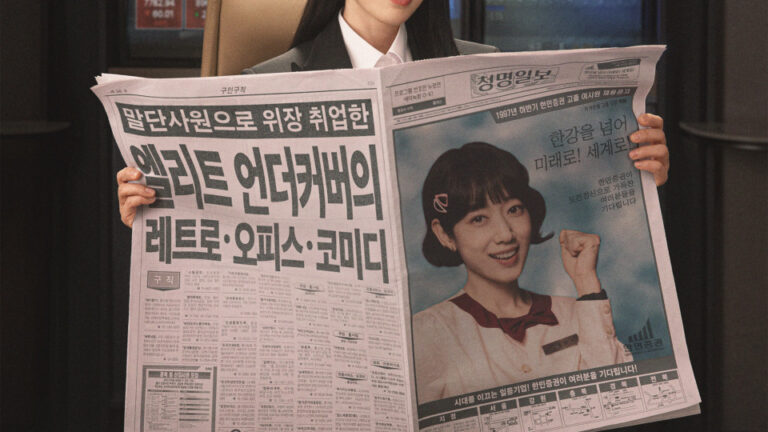
‘Undercover Miss Hong’ Finale: A Blueprint for Empowering K-Drama
[SPOILER WARNING: This review discusses the series finale and overall plot points of ‘Undercover Miss Hong’]
It’s rare for a K-drama to maintain its narrative integrity and emotional resonance from its electrifying premiere to its final, satisfying bow. Yet, Undercover Miss Hong, which just concluded its 16-episode run on JTBC, has achieved precisely that. The online community is abuzz with praise, using the coveted term ‘용두용미’ (yongduyongi) – literally ‘dragon’s head, dragon’s tail’ – to describe its flawless beginning and end. This isn’t merely hyperbolic fan sentiment; cinematically speaking, this drama delivered a masterclass in consistent storytelling and, more importantly, sculpted a formidable female protagonist that challenges the very conventions of the genre.
At its core, Undercover Miss Hong plunged viewers into the high-stakes world of Hong Ji-na, an ordinary office worker thrust into an extraordinary double life as an undercover agent. Tasked with infiltrating a shadowy corporate empire, Ji-na navigates treacherous corporate politics, dangerous espionage, and deeply personal betrayals. The drama brilliantly blended elements of spy thrillers, corporate intrigue, and a nuanced exploration of identity, eschewing predictable romance arcs for a relentless focus on its lead’s journey of self-discovery and empowerment. It aired on JTBC and quickly garnered a loyal following, culminating in a finale that left little to be desired.
The Art of the ‘Yongduyongi’ Ending: Writing & Pacing
What truly sets Undercover Miss Hong apart is its exceptional writing, particularly how writer Kim Min-seo structured its overarching narrative. Kim crafted a plot that was taut, intelligent, and remarkably free of the mid-series slump that often plagues 16-episode dramas. Each episode served a clear purpose, moving the story forward with deliberate momentum, building tension without resorting to cheap cliffhangers. The dialogue, sharp and purposeful, never wasted a word, ensuring that even seemingly casual conversations carried weight for character development or plot progression. It was a refreshing departure from dramas that rely on convoluted misunderstandings or repetitive plot devices to stretch out their runtimes.
The character arc of Hong Ji-na, from a seemingly meek individual to a formidable force, was meticulously plotted. Her transformation felt organic, earned through genuine struggle and sacrifice, rather than simply being handed to her. The writing refused to fall into the trap of making her a superhuman spy from day one; instead, we witnessed her learning, adapting, and making difficult choices, which made her eventual triumphs all the more impactful. The supporting characters, too, were given depth, avoiding the two-dimensional archetypes often seen in thrillers. Even the antagonists possessed motivations that, while villainous, were understandable within the context of the drama’s world, elevating the conflict beyond simple good versus evil.
The finale, in particular, was a masterclass in narrative resolution. It meticulously tied up every single plot thread, from the corporate conspiracy to the personal vendettas, without feeling rushed or contrived. This kind of comprehensive closure is a rare feat in K-dramas, where open endings or ambiguous resolutions often leave viewers frustrated. The emotional beats landed perfectly, providing catharsis for characters and audience alike. The fact that the drama’s online community exploded with positive reactions, with over 42,000 views and 450 comments on a single TheQoo forum post discussing the ending, speaks volumes about its success in delivering a truly satisfying conclusion.
“Finally, a female lead who isn’t just a damsel in distress or a revenge-driven cliché. Miss Hong felt so real, so flawed, but so incredibly strong. That scene where she confronted the chairman alone, no backup, pure 🔥. My heart was pounding! 진짜 사이다!” — User ‘DramaLover77’ on TheQoo
Direction & Cinematography: A Visual Feast
What elevates Undercover Miss Hong beyond a well-written script is its stunning visual execution. The director’s choice to employ a darker, grittier aesthetic for the undercover operations, contrasted with the brighter, almost sterile look of the corporate offices, immediately established the duality of Ji-na’s world. Cinematically speaking, the use of color grading was incredibly effective in conveying mood and tension. The action sequences, often a weak point in dramas not explicitly focused on the genre, were choreographed with precision and shot with a dynamic energy that rivaled big-screen productions. There was a particular long take during a chase scene in Episode 8 that genuinely took my breath away, showcasing a directorial ambition often absent from television.
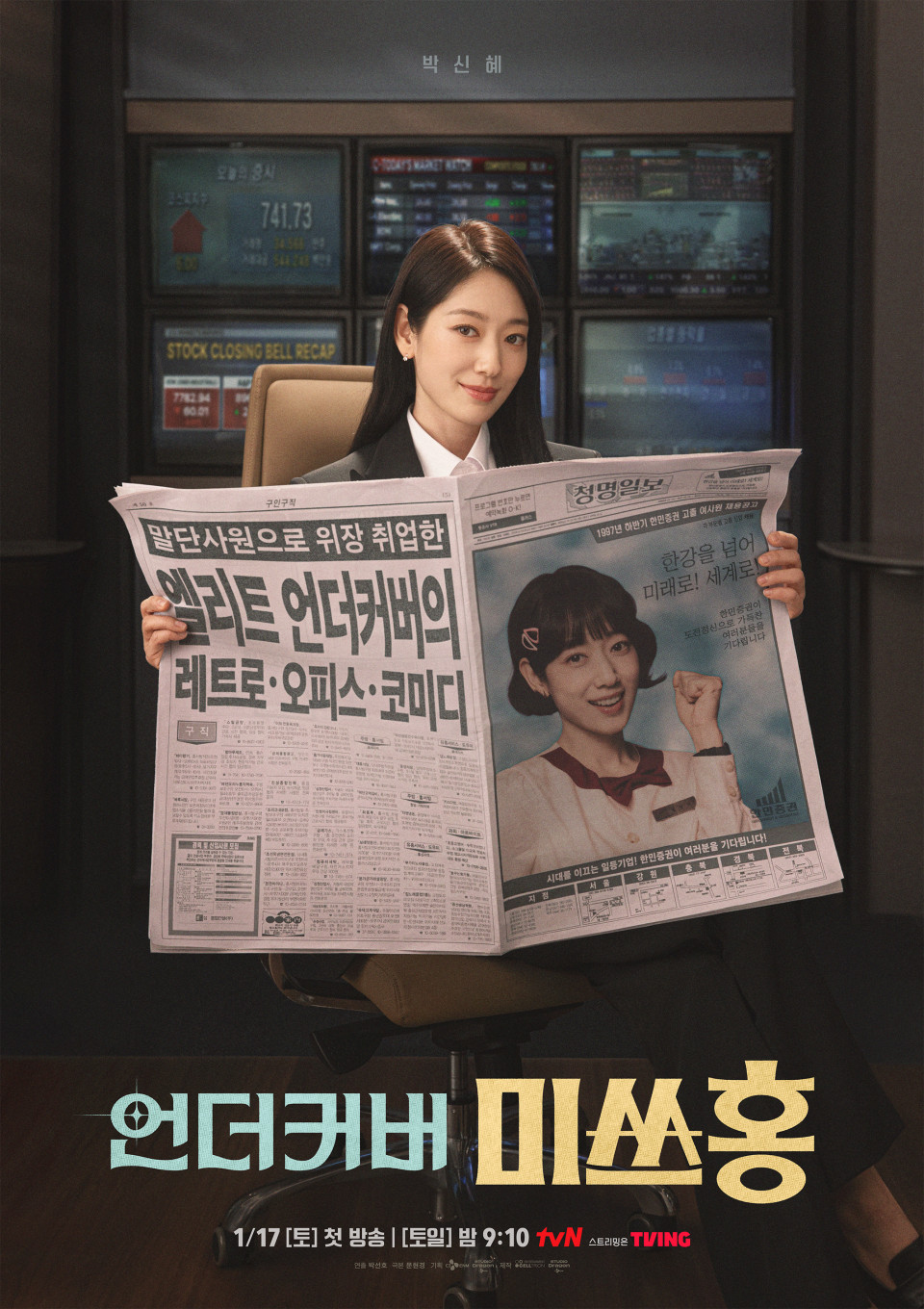
The mise-en-scène throughout the series was consistently thoughtful. Every frame felt intentionally composed, from the cluttered, lived-in feel of Ji-na’s original apartment to the sleek, intimidating grandeur of the antagonist’s headquarters. The camera work was never intrusive, always serving the story and enhancing the emotional impact. Close-ups were used sparingly but effectively, drawing attention to the subtle nuances of an actor’s performance, while wide shots often emphasized the isolation or vulnerability of characters within their environments. This level of visual storytelling demonstrates a deep understanding of film language, transforming what could have been a standard thriller into a truly immersive experience.
Even the seemingly mundane moments were imbued with visual interest. A quiet conversation in a dimly lit cafe, for instance, wasn’t just two people talking; the framing, the depth of field, and the subtle play of shadows created an atmosphere of secrecy and foreboding. The director managed to maintain a consistent visual style across all 16 episodes, a testament to a clear artistic vision. This consistency ensured that the audience remained fully immersed in Ji-na’s world, making her triumphs and setbacks feel all the more real. It’s this kind of meticulous attention to detail that separates a good drama from a truly great one.
“The cinematography in this show was insane. Every single action sequence felt like a movie. The way they shot her final confrontation in the abandoned warehouse with the rain – cinematic masterpiece. Director-nim needs an award.” — ‘FilmBuff_Seoul’ on Twitter
Performances: The Ensemble’s Unwavering Delivery
A drama of this caliber demands exceptional performances, and Undercover Miss Hong delivered on all fronts. Lee Ji-eun as Hong Ji-na was nothing short of brilliant. Her portrayal of a character undergoing such a profound transformation was nuanced and believable. She seamlessly transitioned from vulnerability to steely resolve, commanding the screen with her presence. Her ability to convey complex emotions with just a subtle shift in expression or a flicker in her eyes was truly captivating. This wasn’t a performance that relied on grand gestures but on internal strength, making Ji-na an incredibly relatable and inspiring figure.
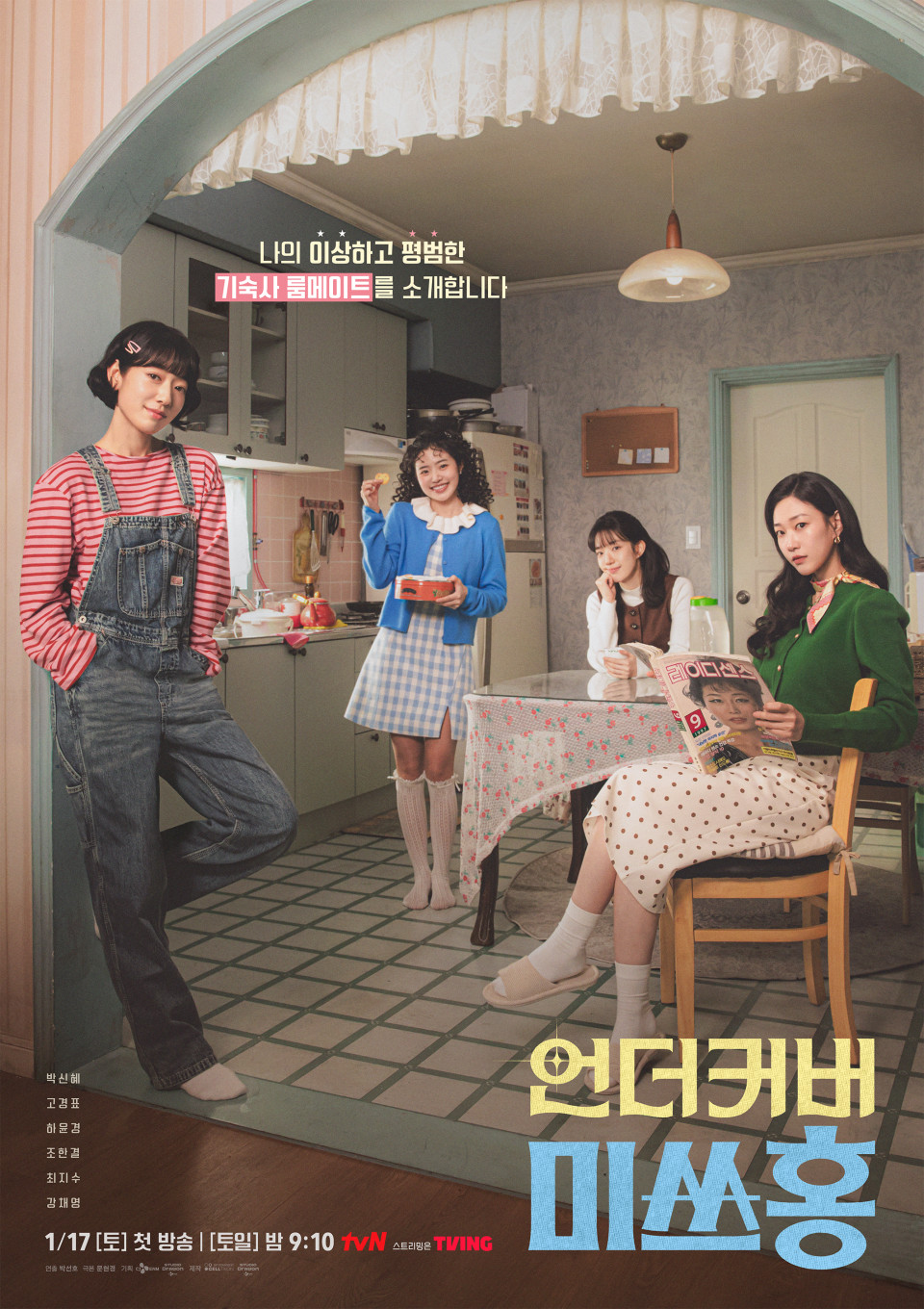
The supporting cast also deserves immense praise. Seo Joon-ho as her reluctant ally brought a compelling blend of cynicism and unexpected loyalty, creating a dynamic chemistry that evolved beautifully over the course of the series. Their interactions were never forced, developing from cautious suspicion to genuine camaraderie, and ultimately, a profound mutual respect that transcended typical romantic tropes. The antagonists, particularly Kang Dong-min, were equally compelling, portraying their characters with a chilling menace that felt authentic rather than cartoonish. Their performances provided the necessary gravitas to the high-stakes narrative, ensuring that the threats Ji-na faced felt truly perilous.
What truly stood out was the ensemble’s ability to maintain a consistent level of intensity and emotional depth across all 16 episodes. There were no weak links, no moments where an actor’s performance pulled me out of the story. Each cast member understood their role within the larger narrative and executed it with precision. This synergy among the actors contributed significantly to the drama’s immersive quality, making the audience deeply invested in the fate of every character. It’s a testament to both the casting director’s foresight and the actors’ dedication to their craft that such a cohesive and powerful ensemble was assembled.
Empowering Female Narrative: A Refreshing Departure
Unpopular opinion, but I’m tired of K-dramas that introduce strong female characters only to have them become secondary to a male love interest or fall into predictable revenge tropes. Undercover Miss Hong sidestepped these pitfalls with remarkable grace. Ji-na’s journey was fundamentally about her own agency, her own choices, and her own strength. While there were allies and moments of connection, her core motivation remained internal: to uncover the truth, to protect the innocent, and to reclaim her own identity. This focus on individual empowerment, rather than external validation, made her character truly revolutionary within the K-drama landscape.
The drama didn’t shy away from showcasing Ji-na’s vulnerabilities, but it always framed them as stepping stones to greater resilience, not as weaknesses to be overcome by a male savior. Her emotional struggles were portrayed with raw honesty, allowing the audience to empathize deeply with her without pitying her. What elevates this narrative is its refusal to reduce female strength to mere physical prowess; instead, it highlighted Ji-na’s intelligence, her strategic thinking, and her unwavering moral compass as her most potent weapons. This nuanced portrayal offers a far more realistic and inspiring vision of female power.
The decision to prioritize Ji-na’s personal and professional growth over a conventional romance arc was a bold and commendable choice. While there were hints of attraction and deep bonds formed, the drama never allowed these to overshadow the central narrative of her mission. This felt incredibly modern and relevant, reflecting a growing audience demand for stories where female characters are protagonists of their own lives, not just supporting players in someone else’s. It’s a model that other K-dramas, particularly those in the thriller and action genres, would do well to emulate, showing that compelling storytelling doesn’t require adherence to outdated romantic formulas.
“I’m still reeling from the ending. It tied up every single loose thread without feeling rushed or forced. No open endings, no frustrating cliffhangers. Just pure, satisfying closure. We need more dramas like this!” — ‘K-DramaCritic’ on Naver Blog
Production Value & OST: Immersive World-Building
From the intricate sets to the meticulously chosen costumes, the production value of Undercover Miss Hong was consistently top-tier. The various locations, whether a bustling market or a clandestine meeting spot, felt authentic and contributed to the drama’s immersive quality. The fight choreography, as mentioned, was excellent, but it was also enhanced by practical effects and minimal, well-integrated CGI. This attention to detail ensured that the visual spectacle never overshadowed the narrative, but rather amplified it, pulling the viewer deeper into the espionage world Ji-na inhabited.
The Original Soundtrack (OST) for Undercover Miss Hong was another standout element. Unlike some dramas where the OST can feel generic or overly saccharine, the music here was integral to the storytelling. The instrumental scores were particularly effective, building suspense during tense moments and providing poignant emotional depth during dramatic revelations. There were specific OST drops – moments where a key song perfectly underscored a pivotal scene – that gave me chills. The main theme, a haunting melody with a driving beat, became synonymous with Ji-na’s unwavering determination, subtly enhancing her character arc without needing any dialogue. It’s an OST I’ll definitely be adding to my playlist.
“Honestly, I was worried it would drag in the middle, but every episode was a banger. The pacing was consistently excellent, a rarity in 16-episode dramas. The writing never faltered.” — ‘Bingewatcher_K’ on Reddit
Final Verdict: A Modern Classic
Undercover Miss Hong is more than just a spy thriller; it’s a powerful statement on female agency and a testament to what K-drama can achieve when it dares to break free from convention. The seamless integration of exceptional writing, visionary direction, and compelling performances created a drama that was both thrilling and deeply resonant. It’s a prime example of a series that respects its audience, trusts its narrative, and delivers on its promises from start to finish. This drama sets a new benchmark for character-driven thrillers, particularly those centered around empowering female leads.
Is it perfect? Unpopular opinion, but yes, nearly. My only minor criticism lies with a few instances of exposition dumps in earlier episodes that felt a tad heavy-handed, but these were quickly ironed out as the series found its stride. The pacing, while generally excellent, had one or two moments where a subplot could have been condensed slightly more. However, these are truly minor quibbles in the face of such a consistently high-quality production. It’s a drama that will undoubtedly be remembered as a modern classic, influencing future productions to embrace more complex and empowering narratives. If you’re looking for a K-drama that will keep you on the edge of your seat and leave you feeling genuinely satisfied, look no further.
Rating: 9.5/10
Watch if: You crave intelligent thrillers, strong female leads, and a genuinely satisfying ending.
Skip if: You prefer lighthearted romance above all else (though there’s plenty of heart here, just not in the conventional romantic sense).
Analysis Categories:
- Writing: ⭐⭐⭐⭐⭐
- Direction: ⭐⭐⭐⭐⭐
- Acting: ⭐⭐⭐⭐⭐
- Production: ⭐⭐⭐⭐⭐
- OST: ⭐⭐⭐⭐☆
- Overall: 9.5/10
