



The Tea is SCALDING: A Terrifying New Scam Targeting K-Fans
So… my little birds have been busy, and honestly, the tea is SCALDING today 🍵. Usually, I’m here to spill the latest on who’s dating whom or what idol just got spotted rocking a new look. But sometimes, the K-entertainment world throws us a curveball, and this time, it’s a chilling warning that goes beyond just celebrity gossip. We’re talking about a massive, ongoing online fraud scheme that has already claimed hundreds of victims, many of them passionate K-fans simply trying to get their hands on concert tickets or the latest tech. This isn’t just a rumor circulating backstage; it’s a very real threat to your hard-earned cash and your peace of mind.
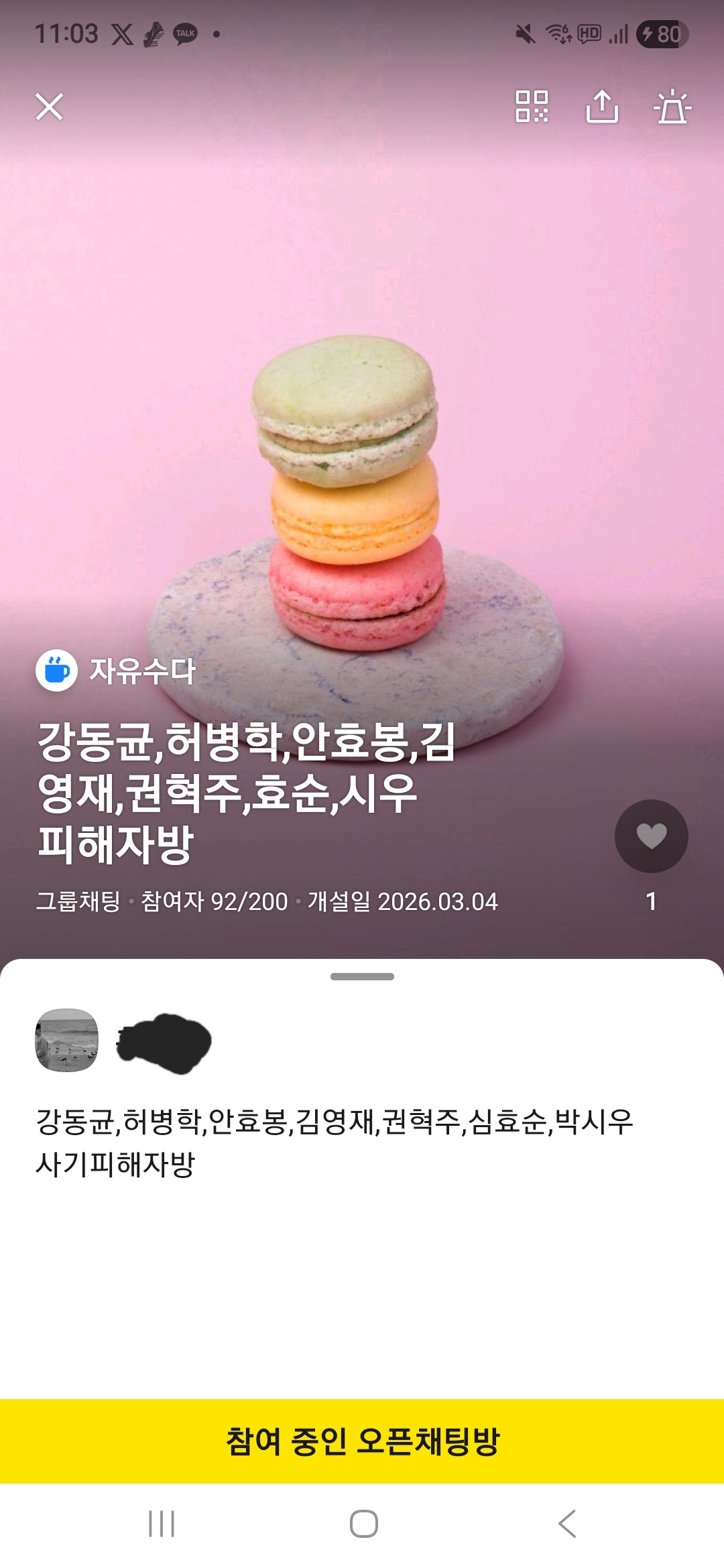
A recent post that dropped on TheQoo late last night, which has absolutely exploded with over 9,000 views and nearly a hundred comments, pulled back the curtain on an alleged serial scammer operating right now, in 2026. The original poster, a victim themselves, bravely came forward to warn others, revealing a shocking scale of deceit. According to the post, a group chat specifically for victims has already surpassed 300 members, and that’s just the tip of the iceberg. We’re talking about a fraud operation that has reportedly amassed an estimated hundreds of millions of Korean won in damages, and it’s all happening right under our noses. This isn’t just a few bad apples; this is a sophisticated, large-scale operation that preys on trust and the fervent desire of fans to connect with their idols, turning their excitement into devastating loss.
This isn’t your grandma’s small-time swindle, darling. The alleged scammer has been operating across virtually every major secondhand trading platform in Korea, making them incredibly difficult to track and avoid. We’re talking about X (formerly Twitter) for those quick concert ticket transfers, the ever-popular Joonggonara and Bunjang (Bungaejangteo) for general goods, and even the hyper-local Carrot Market (Danggeun Market). They leave no stone unturned, casting a wide net to ensnare unsuspecting buyers. The primary targets? Highly sought-after items like the latest iPhone/iPad devices, other popular high-value electronics, and, perhaps most heartbreakingly for our readers, those coveted concert tickets. For many K-pop fans, securing a ticket to see their favorite group is a dream come true, and this scammer is allegedly turning those dreams into nightmares with cold, calculated precision.
The Modus Operandi: How the Deceit Unfolds
Now, let’s talk tactics, because understanding how these alleged scammers operate is the absolute first step to protecting yourself. The primary method, as detailed by victims, involves pushing relentlessly for bank transfers instead of face-to-face transactions. The excuse is always something conveniently vague: “I’m too far away for a direct meetup,” or “I’m busy with work and can’t find the time.” While online transfers are, of course, a common and necessary part of modern secondhand trading, this alleged scammer reportedly makes it a non-negotiable condition, immediately raising a substantial red flag for those in the know. They leverage the convenience and anonymity of digital transactions to create a barrier between themselves and the victims, making it significantly harder to verify their identity, challenge the transaction, or ultimately recover funds.
But it gets even more insidious, honey. To build a false sense of trust and overcome any buyer hesitation, the alleged scammer resorts to identity theft and outright forgery. Victims report being shown photos of ID cards, seemingly legitimate at first glance, to “prove” the seller’s identity. However, these are reportedly either stolen IDs belonging to innocent third parties, completely unaware their identity is being used for criminal activity, or expertly faked documents crafted to appear authentic. In our fast-paced digital age, where a quick glance at an image on a small screen is often all we get, it’s incredibly difficult for an average person, especially one excited about a purchase, to discern a genuine ID from a sophisticated forgery. This tactic is particularly cruel, as it exploits the very human tendency to trust someone who appears to be transparent and upfront, turning that trust into a weapon.
Perhaps the most devastating trick, especially for concert ticket hopefuls, is the infamous “second transfer” scam. After a victim makes an initial payment for a ticket on platforms like X, the alleged scammer claims there’s been an “error in the system” due to an incorrect depositor name. They then demand a second transfer, with a smooth promise to refund the first “incorrect” payment once the second one goes through successfully. To make this sound utterly believable, they might even present fake business registration documents, professional-looking name cards, or even more fake IDs, all designed to make the victim believe they are dealing with a legitimate, albeit clumsy, business. The desperation to secure that coveted ticket, especially when it’s for a limited-run concert, often leads fans to comply, only to find themselves out of pocket for both transfers, sometimes amounting to truly staggering sums.
The Mounting Toll: Hundreds of Victims, Millions Lost
The sheer scale of this alleged fraud is absolutely staggering. With over 300 victims already identified and actively communicating in a single group chat, and this number reportedly growing daily as more individuals come forward, the estimated financial damage is in the hundreds of millions of Korean won. What’s truly heartbreaking is how many victims, particularly those caught in the “second transfer” trap for concert tickets, end up losing significantly more than their initial payment. One victim’s screenshot, powerfully shared in the original TheQoo post, vividly illustrates this devastating scenario, showing a series of payments totaling a substantial amount, all for a concert ticket that, heartbreakingly, never materialized.
Beyond concert tickets, the scam extends its greedy grasp to high-value electronics. For items like the latest iPhones or iPads, the alleged scammer employs a different, yet equally deceptive, tactic. They direct unsuspecting buyers to a seemingly legitimate “installation company” on Naver Maps, assuring them that their product will be safely delivered and installed through this trusted third party. However, as one victim painfully discovered, this “company” was nothing more than a phantom – a recently registered, non-existent entity designed solely to provide a false sense of security. The victim only realized they had been scammed on the very day of the supposed installation, leaving them with no product, no recourse, and a gaping hole in their wallet. This particular method highlights a worrying loophole in online platform verification systems, where even official-looking business registrations can be faked with ease to facilitate large-scale fraud.
The emotional toll on these victims cannot be overstated, my dears. Beyond the immediate financial loss, there’s the profound sting of betrayal, the crushing frustration of feeling utterly helpless, and the deep disappointment of a missed concert or a much-needed gadget that never arrived. For many, these aren’t just material losses; they’re dreams shattered, trust eroded, and a profound sense of violation. The community pulse is raw, reflecting a mix of intense anger, utter disbelief, and a desperate, collective plea for justice. This isn’t just about money; it’s about the safety and integrity of the online communities that so many K-fans rely on for connection and commerce.

Community Pulse: The Internet is Going WILD
The Korean internet, as you can imagine, is going absolutely WILD over this. The comments section of the original TheQoo post is a storm of shared experiences, urgent warnings, and sheer, unadulterated outrage. It’s a stark reminder of how quickly vital information (and unfortunately, sometimes misinformation) spreads online, but in this specific case, it’s operating as a crucial, collective warning system for potential victims. Here’s a taste of what netizens are saying, translated from the raw emotions flooding the comments:
“I can’t believe this is happening in 2026. How are there still so many sophisticated scammers getting away with this? This is insane.” – Frustrated Netizen
“This is exactly why I ONLY do direct transactions, even if it means traveling halfway across the city. It’s truly not worth the risk anymore.” – Cautious Buyer
“OMG, I almost fell for the second transfer scam for a concert ticket last month! Thank goodness I checked the seller’s history and saw some red flags.” – Lucky Escapee
“Naver seriously needs to do something about these fake business registrations! How can a non-existent company be listed and used to scam people?” – Concerned User Demanding Action
The sentiment is crystal clear: people are furious, they’re scared, and they’re collectively demanding swift action. There’s a palpable sense of community among the victims, who are bravely banding together to share information, consolidate evidence, and seek legal recourse. This collective effort, while born out of profound pain and frustration, is also a powerful force, hopefully pushing authorities, law enforcement, and crucially, the platform operators themselves, to address these glaring vulnerabilities more effectively and with greater urgency. These translated comments are not just expressions of anger; they are stark warning signs for anyone navigating the increasingly treacherous waters of online secondhand trading, especially when it comes to high-demand, high-emotion items like concert tickets.
Warning Signs and How to Protect Yourself
Given the alarming nature and truly massive scale of this alleged scam, it’s more important than ever, my darlings, to be incredibly vigilant. My advice? Always, always proceed with an abundance of caution, especially when dealing with high-value items or highly sought-after tickets. If a seller insists solely on a bank transfer and adamantly refuses any form of direct transaction or a secure, traceable third-party payment system provided by the platform, that, my friends, is your very first and perhaps biggest major red flag. While not all such requests are fraudulent, in the context of this alleged serial scammer’s known tactics, it’s a key indicator you simply cannot ignore.
Secondly, be incredibly wary of any seller who provides ID photos as their sole form of verification. While it seems reassuring on the surface, as we’ve painfully learned, these can be easily faked or stolen from innocent individuals. If you’re going to rely on an ID, try to verify it through other independent means, or better yet, stick to platforms that offer robust, secure transaction services that actively verify seller identities and hold funds in escrow. And please, for the love of all that is holy, never, ever send additional money for a “system error” or an “incorrect payment.” This is a classic, textbook scam tactic specifically designed to inflate the amount of your loss and exploit your desperation. Legitimate businesses have robust and secure systems for handling such issues without ever demanding more money from the customer.
For those buying electronics, if a seller refers you to an “installation company” via a link, do your own meticulous, independent research. Don’t just click the link they provide and trust it implicitly. Search for the company name on Naver Maps or other search engines independently. Check reviews, look for their official, verifiable website, and scrutinize their business registration status. As this painful case clearly shows, even a seemingly legitimate Naver Maps listing can be a cleverly constructed front for a sophisticated scam. Remember, a little extra digging and a healthy dose of skepticism can save you a lot of heartache, a lot of money, and a lot of tears.
The Road Ahead: Seeking Justice and Systemic Change
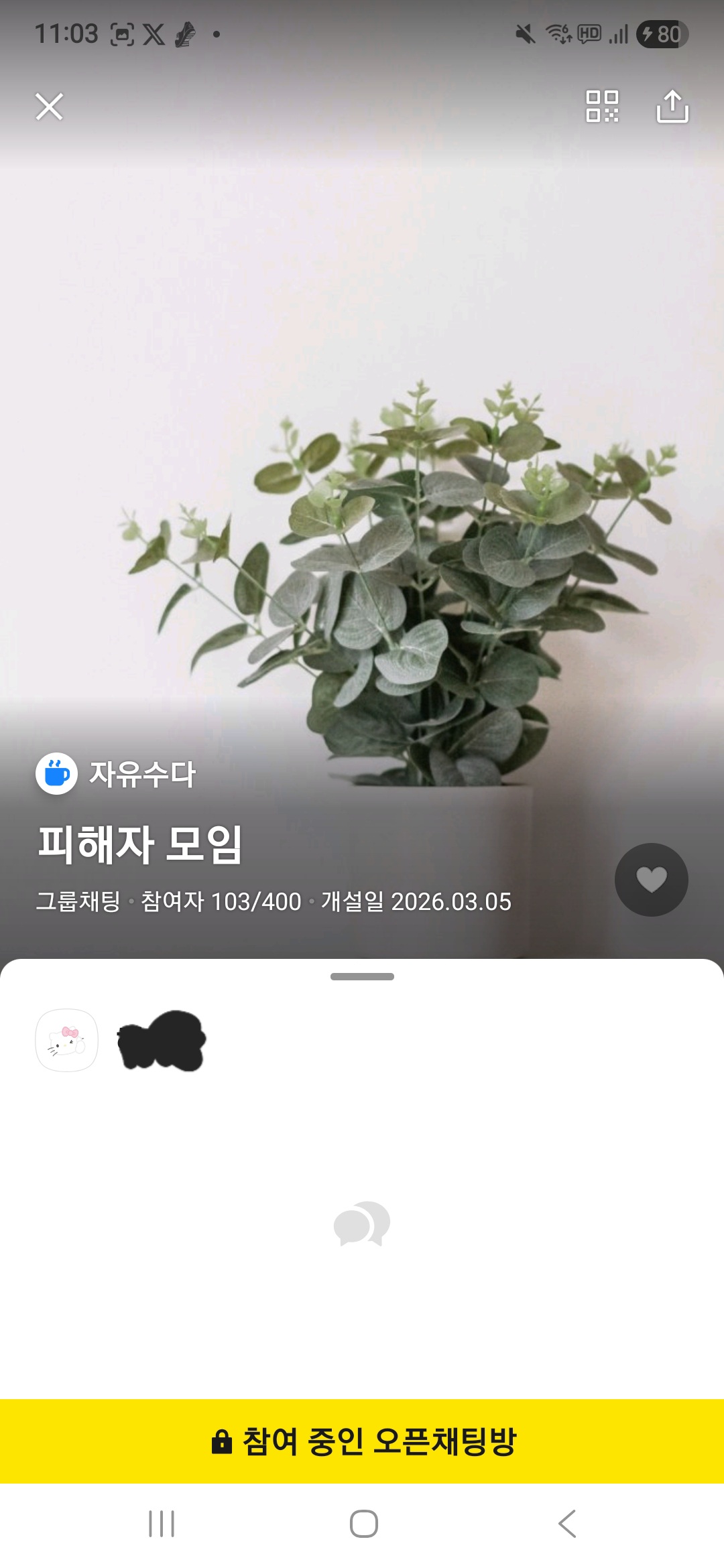
As this massive fraud case continues to unfold, the victims are reportedly organizing and preparing to take robust legal action. The collective power of over 300 individuals, armed with their shared experiences, detailed evidence, and undeniable pain, is a significant force that cannot be ignored. It’s absolutely crucial that platforms like X, Joonggonara, Bunjang, and Carrot Market also step up their game and take their responsibility more seriously. While they provide invaluable services for peer-to-peer trading and community connection, they also have an undeniable responsibility to protect their users from such elaborate and damaging schemes. This incident shines a harsh, unforgiving spotlight on the urgent need for more stringent seller verification processes, more sophisticated fraud detection algorithms, and quicker, more decisive responses to reported scams.
This isn’t just about catching one alleged scammer, my dears; it’s about pushing for fundamental systemic changes that will make online secondhand markets genuinely safer for everyone. K-pop fans, in particular, are often young, incredibly passionate, and eager to participate in their fandom, making them particularly vulnerable targets for those who cruelly exploit their enthusiasm. Agencies and event organizers also have a crucial role to play in educating fans about safe ticket purchasing practices and actively highlighting authorized, verified resellers. Until then, the onus is largely, and unfairly, on individual buyers to exercise extreme caution and be their own best advocates.
The tea, my darlings, is still brewing on this one, and I expect more details to spill soon. While this isn’t the usual celebrity dating drama or fashion faux pas we cover, it’s a scorching hot issue that directly impacts the vibrant community we serve. Stay vigilant, stay informed, and always, always trust your gut feeling. If something feels too good to be true, or if a seller is pressuring you with unusual demands, it probably is a scam. We’ll be keeping a very close eye on this developing story and will bring you any updates as they emerge. In the meantime, protect your wallets, protect your peace, and never let anyone dim your K-pop sparkle. Your safety and security are paramount.
—
*This article contains unconfirmed reports and should be treated as rumor until officially confirmed by legal authorities. SYNC SEOUL does not make claims about the personal lives of individuals or the guilt of alleged perpetrators beyond what is reported by credible sources and victim testimonies.*
—
What do you think – have you or someone you know encountered a similar scam? Share your thoughts and warnings in the comments below (but let’s keep it respectful and constructive, yeah?).