


‘Love Song for Illusion’ Review: Park Jihoon’s Casting – A Divine Move
**[Minor Spoilers Ahead for ‘Love Song for Illusion’ Character Dynamics]**
—
Looking back at the landscape of K-dramas, some casting decisions simply resonate more than others. They defy expectations, challenge conventions, and ultimately, elevate the entire production. Such is the case with Park Jihoon’s transformative portrayal of the dual roles of Crown Prince Sajo Hyun and his alter ego Ak-hee in the acclaimed fantasy romance melodrama, ‘Love Song for Illusion’ (왕사남). What initially seemed like a bold, even risky, choice in the early stages of production has, in hindsight, proven to be nothing short of a ‘신의 한 수’ — a divine move that cemented the drama’s unique appeal and solidified Jihoon’s standing as a serious dramatic actor. This isn’t just fan bias; cinematically speaking, the depth and nuance he brought to these complex characters were truly exceptional, and the story behind his selection is just as compelling as the drama itself.
At the time of its casting, ‘Love Song for Illusion’ was already generating buzz for its intricate plot, blending historical fantasy with a poignant romance and a fascinating psychological twist. The narrative demanded an actor capable of portraying two distinct personalities inhabiting a single body: the gentle, artistic Crown Prince Sajo Hyun and the seductive, dangerous assassin Ak-hee. This wasn’t merely a matter of changing wigs; it required a profound understanding of fractured identity, a seamless transition between polar opposite emotions, and the ability to command both sympathy and fear. Naturally, initial discussions revolved around established actors, proven box-office draws with strong ‘ticket power’ who could guarantee viewership. The industry, ever cautious, tends to gravitate towards these ‘safe’ choices, especially for such pivotal and challenging roles.
—
The Casting Conundrum: Playing It Safe vs. Taking a Leap
The initial casting phase for ‘Love Song for Illusion’ was, by all accounts, a tense period. The production team understood the immense pressure to find an actor who could not only carry the weight of a demanding lead role but also convincingly embody the stark duality of Sajo Hyun and Ak-hee. Conventional wisdom dictated that a seasoned actor with a long list of successful dramas under their belt would be the safest bet. These were the names being tossed around, actors who, for better or worse, consistently delivered solid performances and attracted a broad audience, minimizing the financial risks associated with a major drama production. The market often prioritizes predictability over potential, especially when significant budgets are involved.
However, what elevates truly great dramas is often the willingness to look beyond the obvious. The very nature of the dual role demanded an actor with a fresh perspective, someone who could bring a youthful vulnerability to Sajo Hyun and a dangerous allure to Ak-hee without resorting to caricature. While many established actors are masters of their craft, the specific blend of idol-level charisma, innate emotional expressiveness, and a certain undefinable ‘spark’ required for this role was a rare commodity. The challenge was not just finding someone who *could* act, but someone who could *transform* and make the audience believe in two distinct souls battling within one person. It was a high-stakes gamble, and the production team knew it.
—
A ‘국프’s’ Insight: The Unconventional Recommendation
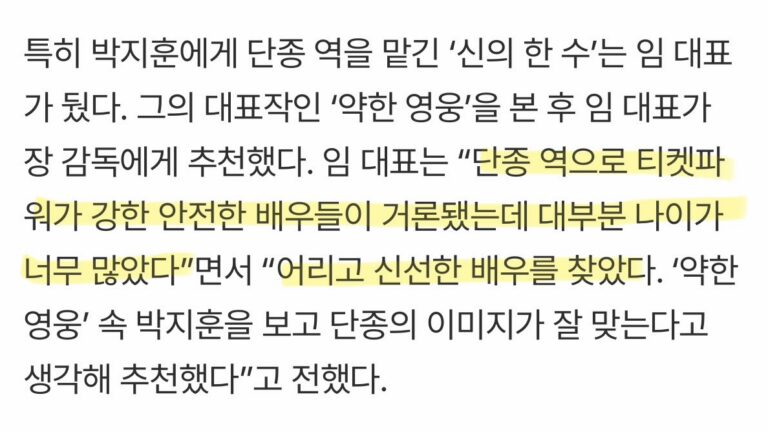
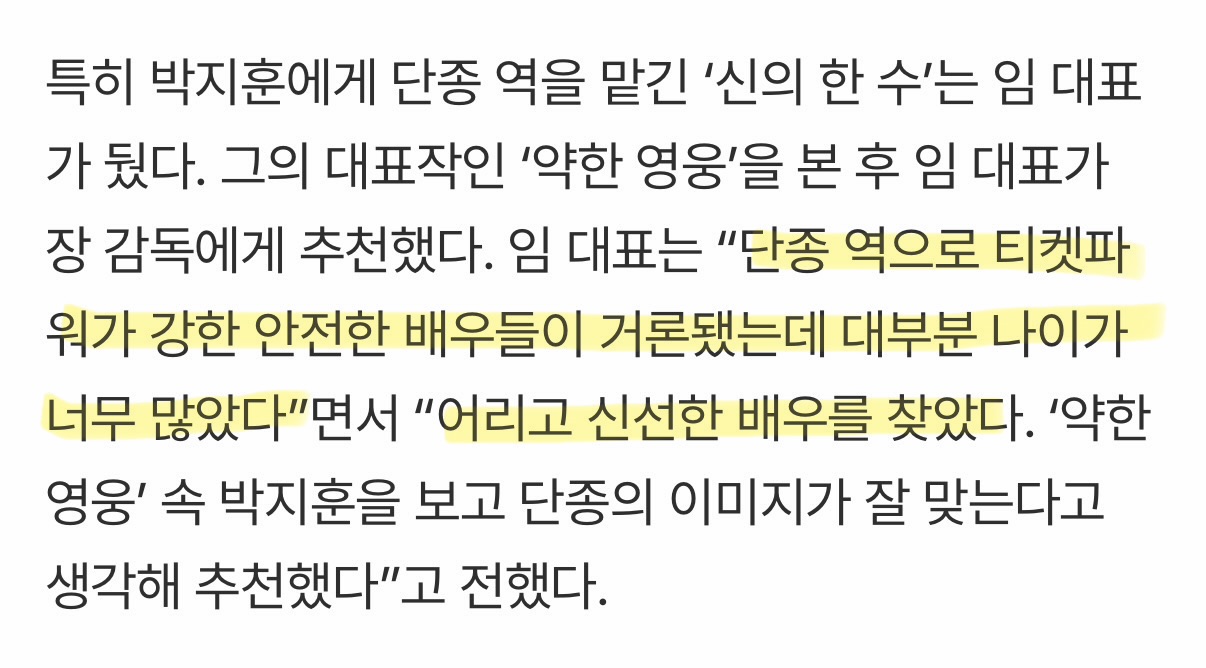
This is where the story takes an intriguing turn, highlighting the often-underestimated power of a truly discerning eye. According to insider whispers that later became widely discussed on communities like TheQoo, the pivotal recommendation for Park Jihoon came from Representative Im (임대표), a key figure in the casting process who, crucially, was a self-proclaimed ‘국프’ (gukpeu). For those unfamiliar with the term, a ‘국프’ is a ‘national producer,’ a devoted fan who closely followed idol survival shows like ‘Produce 101,’ actively voting and investing emotionally in their chosen trainees. This isn’t just casual fandom; it implies an intimate understanding of an idol’s potential, their growth trajectory, and their ability to connect with an audience on a deeper level.
Representative Im’s perspective was invaluable. While others might have seen Park Jihoon primarily as a talented idol, a ‘국프’ would have observed his nuanced expressions, his stage presence, and his inherent ability to convey complex emotions even in a performance setting. They would have tracked his burgeoning acting career, noting his consistent improvements and his dedication to challenging roles. This was not a recommendation based on a resume alone, but on a deep, almost instinctual conviction that Jihoon possessed the unique blend of innocence, intensity, and ethereal beauty required for Sajo Hyun and Ak-hee. It was a recommendation born from genuine belief in his untapped dramatic capabilities, a belief that went against the industry’s ingrained preference for purely ‘safe’ bets. It was a moment where fan insight transcended mere appreciation and became a critical component in shaping a major drama’s fate.
“Honestly, when I first heard Park Jihoon was cast, I was like, ‘Really?’ But then I remembered his past roles and thought, maybe? 임대표 was totally right. He nailed it. #신의한수” — User on TheQoo, 2026-03-05
—
Park Jihoon’s Dual Role Masterclass: Sajo Hyun and Ak-hee
The true brilliance of this casting choice became blindingly clear once ‘Love Song for Illusion’ began airing. Park Jihoon didn’t just play two characters; he created two distinct, living entities that were both terrifyingly separate and tragically bound. As Sajo Hyun, he exuded a delicate vulnerability, an artist trapped by his royal duties and haunted by his own fragmented mind. His eyes, often downcast or filled with a quiet melancholy, conveyed a profound sense of loneliness and longing. His physical portrayal was also subtly different, a more reserved posture, a softer cadence in his voice, perfectly embodying the gentle prince.
Then, with a chilling shift, he would transform into Ak-hee. The change was palpable, electrifying. Ak-hee was pure id – manipulative, dangerous, yet undeniably charismatic. Jihoon’s gaze would sharpen, his posture would become more assertive, almost predatory. His voice would deepen, laced with a dangerous sarcasm and a seductive edge. What truly captivated was the way he allowed glimpses of Sajo Hyun’s inherent goodness to bleed through Ak-hee’s malice, creating a fascinating moral ambiguity. Conversely, Ak-hee’s dark influence would subtly taint Sajo Hyun, demonstrating the constant internal battle. This wasn’t just acting; it was a masterclass in character differentiation, demanding an immense amount of emotional and psychological control. The director’s choice to often frame these transitions with minimal cuts, allowing Jihoon’s performance to speak for itself, was incredibly effective.
“His Sajo Hyun made me want to hug him, but his Ak-hee made me want to run away. How can one person do that? The subtle changes in his eyes were insane.” — K-drama fan on X (formerly Twitter), 2026-03-04
—
The Director’s Vision and Creative Synergy
The success of Park Jihoon’s performance was not solely his own; it was a testament to the symbiotic relationship between actor and director. The creative team behind ‘Love Song for Illusion’ clearly understood the unique challenges and opportunities presented by the dual role. Cinematically speaking, the direction played a crucial role in amplifying Jihoon’s portrayal. Subtle shifts in lighting, camera angles, and even costume color palettes were employed to visually distinguish Sajo Hyun from Ak-hee without relying on heavy-handed effects. For Sajo Hyun, the lighting often felt softer, diffused, emphasizing his artistic and gentle nature. Ak-hee, on the other hand, was frequently bathed in harsher, more dramatic shadows, highlighting his darker, more manipulative side. The mise-en-scène here was not just background; it was an active participant in character development.
Furthermore, the blocking and shot composition were meticulously planned to showcase Jihoon’s ability to switch between personas seamlessly. There were long takes where the camera would linger on his face as he transitioned, allowing the audience to witness the internal struggle unfold in real-time. This level of trust in an actor’s capabilities is rare, especially for someone who, despite prior acting experience, was still largely known for his idol activities. The director’s choice to lean into Jihoon’s inherent expressive qualities, rather than trying to contain them, proved to be a stroke of genius. It was a true collaboration where the visual language of the drama perfectly complemented the actor’s nuanced performance, creating a truly immersive experience for the viewer.
—
The Aftermath: Critical Acclaim and Fan Affirmation
When ‘Love Song for Illusion’ concluded its run, the consensus was clear: Park Jihoon’s casting was indeed a ‘divine move.’ The drama garnered significant attention, not just for its compelling storyline but for the standout performances, particularly from its lead. Critics lauded Jihoon for his mature and sensitive portrayal, noting his ability to navigate the complex emotional landscape of the two characters with remarkable precision. Online communities, including the original source on TheQoo which sparked this discussion, buzzed with praise. The post highlighting Representative Im’s recommendation specifically garnered over 48,000 views and nearly 400 comments, a clear indicator of the public’s strong affirmation of this casting choice.
Fans, initially curious or even skeptical, quickly became ardent supporters, captivated by the depth he brought to the roles. They meticulously analyzed his subtle expressions, his vocal inflections, and the way he physically embodied each persona. The drama became a talking point, not just for its plot, but for how it showcased the untapped potential of an idol-turned-actor. What elevates this scene is the widespread acceptance that his performance was not just ‘good for an idol-actor’ but genuinely excellent, standing on its own merits against any seasoned professional. It was a moment that undeniably shifted perceptions within the industry and among the general public regarding idol-actors, proving that genuine talent and dedication can indeed transcend preconceptions.
“I’m usually super critical of idol-actors, but Park Jihoon in ‘Love Song for Illusion’ completely changed my mind. I couldn’t imagine anyone else playing Sajo Hyun/Ak-hee. The duality was insane.” — Comment on a K-drama forum, 2026-03-01
—
Leah’s Final Take: A Precedent Set
Unpopular opinion, but I often find myself rolling my eyes at the industry’s default to ‘safe’ choices, particularly when a role demands something truly unique. ‘Love Song for Illusion’ stands as a powerful counter-narrative to that cautious approach. The decision to cast Park Jihoon, advocated by someone with a ‘국프’s’ intimate understanding of his potential, wasn’t just a lucky break; it was a strategic insight that paid off magnificently. He didn’t just act in the drama; he inhabited it, breathing life into characters that could have easily become theatrical or one-dimensional in less capable hands. His portrayal of Sajo Hyun and Ak-hee was a masterclass in controlled chaos, a delicate balance of light and shadow that kept viewers enthralled.
While the drama itself had its minor narrative quibbles – some pacing issues in the mid-section and perhaps a few too many convenient plot devices – the core strength remained Jihoon’s performance. It wasn’t just about his ability to cry beautifully or deliver intense lines; it was about the nuanced differences in his gaze, the subtle shifts in his body language, and the way he conveyed the internal agony of a fractured soul. This casting was more than just a success for ‘Love Song for Illusion’; it was a significant moment for the broader K-drama landscape. It demonstrated that sometimes, the ‘divine move’ isn’t about choosing the most established name, but about recognizing an actor’s unique spark and trusting their ability to bring something truly special to the screen. It set a precedent, reminding us all that true talent often lies just beyond the conventional gaze.
—
**Drama:** Love Song for Illusion (환상연가 / 왕사남)
**Episodes:** 16
**Network:** KBS2
**Genre:** Fantasy Romance, Melodrama
**Cast:** Park Jihoon, Hong Ye-ji, Hwang Hee
**Director:** Lee Jung-sub
**Writer:** Yoon Kyung-ah
**Rating:** 9/10 (for casting and lead performance)
—
*What are your thoughts on Park Jihoon’s performance in ‘Love Song for Illusion’? Did it change your perception of idol-actors? Share your insights below!*