

The Perilous Art of Titling: A Case Study in Perception
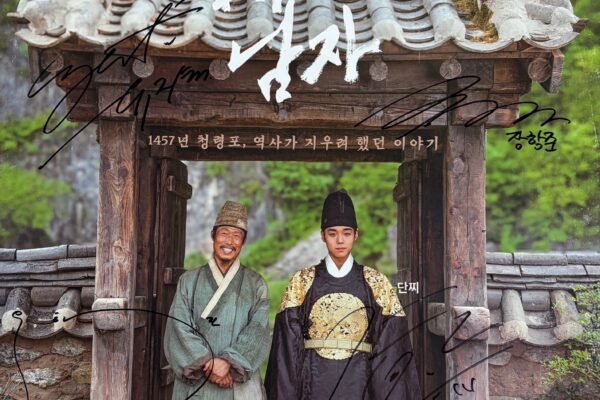
In the ever-churning world of K-drama production, where every detail from a single prop to a fleeting glance is meticulously planned, it’s easy to overlook the often-underestimated power of a title. Yet, as Director Jang Hang-jun recently revealed on a radio broadcast, the very name of a project can spark a cascade of creative anxieties and public misinterpretations. His candid confession about the working title ‘The Man Who Lives with a King’ (왕과 사는 남자) has sent ripples through online communities, racking up over 60,095 views and 600 comments on platforms like TheQoo, and dominating discussions on X (formerly Twitter). It’s a fascinating glimpse into the internal struggles of creators navigating audience expectations, especially in the nuanced landscape of Korean content.
From a critical standpoint, a title isn’t merely a label; it’s the first frame of a story, the cold open to an entire narrative. It sets the tone, hints at the genre, and, crucially, establishes audience expectations. ‘The Man Who Lives with a King’ is, admittedly, quite evocative. It conjures images of historical grandeur, perhaps a political drama, or even a poignant tale of loyalty and sacrifice. However, as Director Jang humorously pointed out, its ambiguity also opens the door to entirely different interpretations. This isn’t just about clever marketing; it’s about the inherent semiotics of language and how cultural trends, particularly the burgeoning popularity of Boys’ Love (BL) narratives, can reshape how even the most innocuous phrases are perceived. Cinematically speaking, the title’s ‘mise-en-scène’ in the public imagination varies wildly depending on the viewer’s lens.
Jang Hang-jun’s Candid Confession: Navigating BL Misconceptions
The revelation came with Jang Hang-jun’s characteristic wit, but beneath the laughter, there was a kernel of genuine concern that speaks volumes about the industry’s evolving awareness. He confessed that during the planning stages for ‘The Man Who Lives with a King,’ a significant number of people misinterpreted the title as suggesting a BL drama. “기획단계에 비엘로 오해하는 사람들이 많아 염려했지만,” he admitted, highlighting the very real apprehension. This wasn’t a casual observation; it was a worry substantial enough to influence casting considerations. It’s a clear signal that the growth of BL as a genre, once confined to niche web novels and webtoons, now significantly impacts mainstream production decisions.
What truly elevates this insight is the director’s specific contemplation of actor pairings. He reportedly mused, “이준혁 박지훈이면 모를까 유해진 박지훈이라 괜찮겠다 싶었다.” This isn’t just a throwaway line; it’s a profound commentary on star power, public image, and the subtle art of managing audience perception. The very idea that certain actors could inadvertently ‘activate’ a BL interpretation for a title is a masterclass in understanding contemporary fandom. Lee Jun-hyuk, known for his intense roles and often portraying complex, brooding characters, alongside Park Ji-hoon, a former idol with a significant youthful following and a history of more sensitive portrayals, could indeed, in some circles, lend itself to a BL reading. The director’s choice to openly discuss this speaks to a refreshing transparency, even if it highlights a cautious approach to genre branding.
The Strategic ‘Safe’ Bet: Yoo Hae-jin and Park Ji-hoon
Director Jang’s subsequent comment about Yoo Hae-jin and Park Ji-hoon being a ‘safer’ pairing for avoiding BL misinterpretation is where the conversation truly gets interesting. Yoo Hae-jin is a veteran actor, celebrated for his comedic timing and often portraying lovable, everyman characters, typically in a more paternal or avuncular role rather than a romantic lead, especially with a younger male actor. His established image firmly anchors him in a particular type of mainstream, often family-friendly, narrative. Park Ji-hoon, while having a significant youthful appeal, has also diversified his roles beyond pure romance, showcasing versatility in various genres. The combination, in Jang Hang-jun’s estimation, effectively defused the potential BL ‘signal’ of the title.
Unpopular opinion, perhaps, but this isn’t necessarily a critique of the actors themselves, but rather an observation on how industry professionals perceive and leverage established public personas. The director’s choice reflects a pragmatic understanding of market dynamics and the need to clearly define a drama’s genre from its inception. It suggests a subtle form of typecasting, not based on talent, but on perceived audience reception. The writing here isn’t about avoiding a good story, but about ensuring the story reaches its intended audience without initial confusion. It’s a calculated move to prevent a drama from being pigeonholed or attracting an audience expecting something entirely different, which could lead to disappointment and negative word-of-mouth down the line. It’s a testament to how deeply producers consider audience demographics and prevailing cultural trends.
The Fandom Reacts: A Wave of Laughter and Insight
The online reaction to Director Jang’s comments has been, predictably, a mix of laughter, surprise, and genuine appreciation for his honesty. The original post on TheQoo, a popular Korean online community, rapidly accumulated comments, with users sharing their own initial interpretations of the title and marveling at the director’s candidness. The immediate buzz demonstrates how attuned K-drama fans are to every facet of production, even down to the subtle implications of a title.
“와 진짜 감독님 솔직하시네ㅋㅋㅋㅋㅋ 나도 처음에 제목 보고 ‘어…?’ 했거든. 이준혁 박지훈 조합이면 진짜 오해할 뻔ㅋㅋㅋㅋㅋ”
(“Wow, the director is so honest, LOL. I also initially saw the title and thought ‘huh…?’ If it were Lee Jun-hyuk and Park Ji-hoon, I really might have misunderstood, LOL.”)
Another comment highlighted the astute observation regarding actor images:
“유해진 배우님 박지훈 배우님 조합이라서 다행이다 싶었어. 감독님 진짜 센스 있으시다. 배우들 이미지 생각해서 캐스팅하는 거 신기해.”
(“It’s a relief it’s the Yoo Hae-jin and Park Ji-hoon combination. The director really has good sense. It’s interesting how they cast considering the actors’ images.”)
These reactions underscore the sophisticated media literacy of K-drama fans. They’re not just consuming content; they’re actively engaging with the creative process, dissecting choices, and sharing their own perspectives. The discussion on X also saw a flurry of fan art imagining the ‘alternative’ cast scenario, further illustrating the vibrant, interactive nature of K-drama fandom. It’s a world where every piece of information, no matter how small, can become a catalyst for creative expression and community bonding.
Beyond the Hype: What This Means for K-Drama Production
This incident is more than just a humorous anecdote; it offers valuable insight into the intricate decision-making processes within the K-drama industry. It highlights the constant tightrope walk between crafting an intriguing title and ensuring it accurately reflects the drama’s intended genre and tone. The director’s initial apprehension about the BL interpretation isn’t a dismissal of the genre itself, but rather a strategic move to manage expectations and marketing. In a competitive landscape where initial impressions are crucial, clarity can be as important as creativity.
Furthermore, this conversation illuminates the growing influence of diverse genres like BL on mainstream production. What was once considered a niche is now a significant cultural force, capable of shifting perceptions and influencing casting decisions. The industry is clearly grappling with how to integrate these trends without blurring genre lines unintentionally. It’s a delicate balance of staying relevant, appealing to a broad audience, and respecting the distinct identities of various narrative forms. The director’s choice to be transparent about these considerations also fosters a sense of authenticity, allowing audiences a rare peek behind the curtain.
Final Verdict: A Lesson in Perception and Pragmatism
Director Jang Hang-jun’s revelation about ‘The Man Who Lives with a King’ is a delightful, yet critically insightful, moment. It’s a reminder that in the highly saturated K-drama market, every element, including the title, serves as a crucial piece of visual storytelling and marketing. The director’s choice to opt for a pairing that would clearly delineate the drama’s genre, even if it meant forgoing other potential actors, speaks volumes about the pragmatic considerations that often guide creative decisions.
This entire scenario is a masterclass in how external factors, from cultural trends to actor public images, intricately weave into the fabric of K-drama production. It’s a testament to the industry’s evolving understanding of its audience and the myriad ways stories are received. While the initial BL misinterpretation was a source of lighthearted concern, it ultimately provided a fascinating lens through which to examine the complex interplay of art, commerce, and public perception in the world of Korean entertainment. What elevates this discussion is not just the humor, but the genuine insight it provides into the meticulous, often anxious, process of bringing a drama to life. It’s a compelling case study on the subtle power of a title, and how even the most established directors must remain acutely aware of the shifting sands of audience interpretation.