



The Unprecedented Weight of ‘Hope’: Na Hong-jin’s Latest Gamble
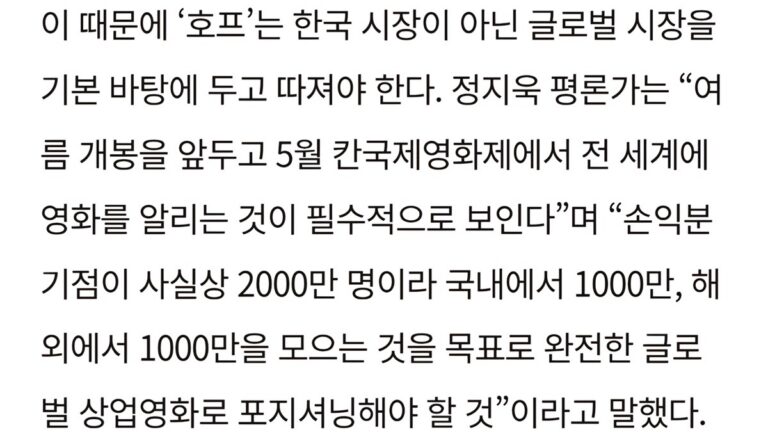
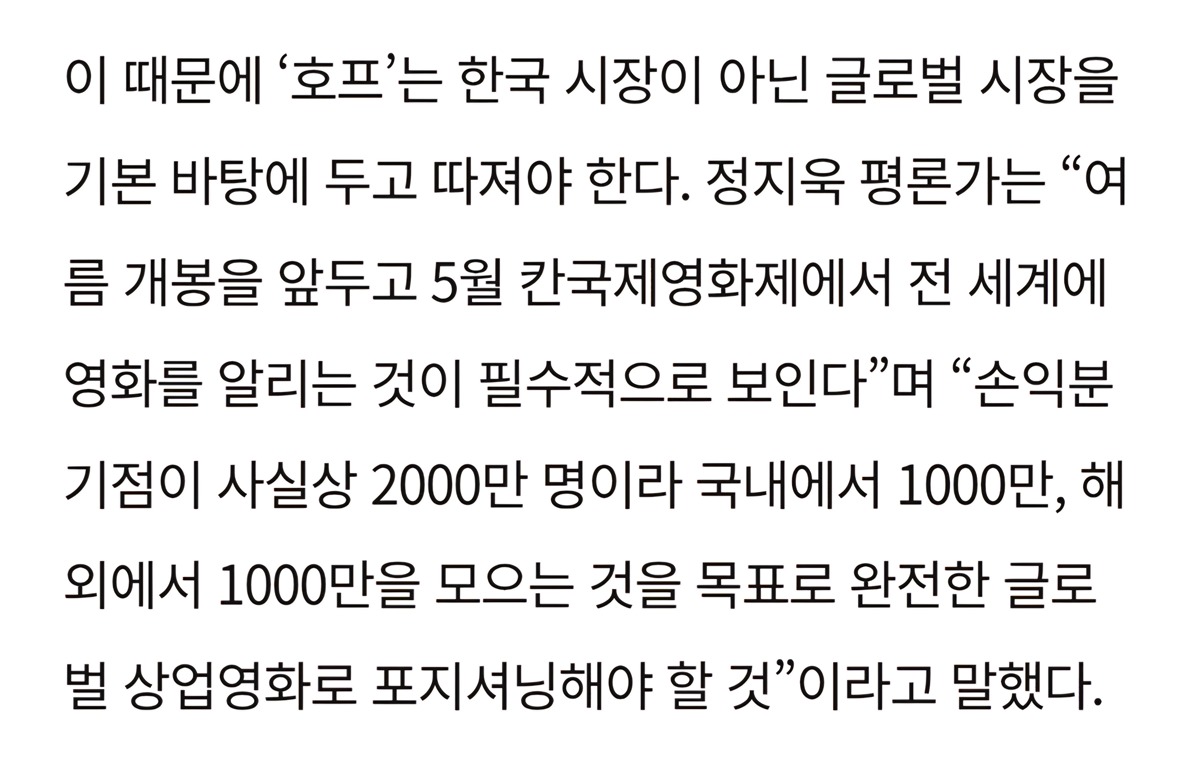
It’s no secret that director Na Hong-jin operates on a different plane. His films aren’t just watched; they’re experienced, often leaving audiences unsettled and deeply contemplative. From the visceral brutality of The Chaser to the psychological torment of The Yellow Sea, and the escalating dread of the genre-defying masterpiece The Wailing, Na has consistently pushed the boundaries of Korean cinema. So, when news surfaced on social media – specifically a buzzing thread on TheQoo and X – regarding his highly anticipated new project, Hope, the film world held its breath. However, it wasn’t just the director’s name that sent ripples, but an astronomical figure attached to its success: a rumored 10 million viewer break-even point. This isn’t just a film; it’s a cinematic gamble of monumental proportions, demanding a box office performance typically reserved for the lightest, most broadly appealing blockbusters.
For context, hitting 10 million admissions in South Korea is the equivalent of a cultural phenomenon. It means nearly one-fifth of the entire population has seen your film. It’s a benchmark achieved by fewer than thirty Korean films in history, usually reserved for films like Parasite, Ode to My Father, or the Along With the Gods series – films that either sweep awards globally or offer universal, often family-friendly, narratives with high production values. Na Hong-jin’s oeuvre, while critically lauded, tends to be dark, uncompromising, and often challenging, making this rumored target feel almost impossibly ambitious for his distinctive style. The question isn’t just whether Hope will be good, but whether its artistic merit can translate into a record-shattering mainstream appeal.
The Director’s Vision: A Costly Pursuit of Perfection
Na Hong-jin is not known for rushing. His productions are meticulous, often stretching over years, driven by a relentless pursuit of realism and a specific, unsettling atmosphere. The Wailing, for instance, took six years from conception to release, marked by extensive research into folklore and demanding shoots in remote locations. This dedication to craft, while yielding stunning results, naturally inflates budgets. When a director demands multiple takes for a single shot to achieve the precise emotional resonance, or insists on practical effects over CGI for a more tangible sense of dread, the meter keeps running. This is the price of cinematic artistry, and Na Hong-jin is undeniably an artist.
The rumored 10 million viewer target for Hope strongly suggests an exceptionally high production budget. While specific figures for Hope remain under wraps, one can speculate on the contributing factors. Is it an international co-production with a global cast and crew? Are there extensive and complex visual effects sequences, demanding a level of sophistication beyond typical Korean thrillers? Or is it simply the cumulative cost of Na’s legendary perfectionism, requiring prolonged filming schedules, elaborate set constructions, and perhaps even a significant portion dedicated to post-production to achieve his signature visual and auditory landscapes? Whatever the precise reasons, this isn’t the kind of film that cuts corners. It’s a grand vision, and grand visions come with grand price tags.
Decoding the Astronomical Break-Even Point
To put 10 million viewers into perspective, consider recent Korean blockbusters. A more typical break-even point for a big-budget film might hover around 3 to 5 million admissions. Even a film that garners 7-8 million viewers is considered a massive success. The 10 million mark places Hope in a league where only a handful of films have ever succeeded. This isn’t just about covering production costs; it often includes significant marketing and distribution expenses, which for a film of this rumored scale, targeting a global audience, would be substantial. It’s a stark reminder of the financial pressures even critically acclaimed directors face when their artistic ambitions collide with commercial realities.
Unpopular opinion, but it’s not always a bad thing for a director to have a significant budget. It grants them the freedom to realize their vision without compromise. However, when that budget inflates the break-even point to such an extreme degree, it places an immense burden on the film’s commercial performance. It forces a conversation about accessibility versus artistic integrity. Can a Na Hong-jin film, with its inherent darkness and often challenging themes, truly appeal to such a vast, diverse audience that it eclipses even the most heartwarming family dramas or explosive action flicks? The question isn’t whether Na Hong-jin can make a great film – that’s almost a given – but whether ‘great’ can also be ‘massively profitable’ in this context.
Public Pulse: Excitement, Skepticism, and Memes
The news of the 10 million viewer break-even point has predictably ignited a firestorm of discussion across Korean online communities. Fans of Na Hong-jin are undoubtedly thrilled about his return, but the financial aspect has injected a dose of reality, and frankly, some anxiety, into the conversation. On platforms like TheQoo and X, where the initial news broke, comments range from fervent anticipation to outright skepticism about the film’s commercial viability. It’s a fascinating snapshot of how the public grapples with the intersection of art and commerce in Korean cinema.
“나홍진 감독님 영화는 무조건 보긴 하는데… 천만이라니… ㄷㄷㄷ 이건 좀 다른 문제 아닌가? 너무 기대되면서도 걱정돼.”
(“I’ll definitely watch Director Na Hong-jin’s film, but… 10 million? Wow. Isn’t that a different issue? I’m so excited but also worried.”)
“곡성도 진짜 대단했지만, 대중적인 천만은 아니었잖아. 이번엔 캐스팅도 엄청나고 스케일도 크다던데, 과연…”
(“The Wailing was truly amazing, but it wasn’t a mainstream 10 million hit. They say the casting is huge and the scale is big this time, so… will it really?”)
These reactions highlight the dichotomy. People trust Na Hong-jin’s artistic prowess, but they are acutely aware that his films, while critically acclaimed, don’t typically achieve the mass market appeal of a 10 million-viewer blockbuster. The director’s choice to embark on such an ambitious project, both artistically and financially, is being met with a mix of awe and trepidation. Memes have already started circulating, playfully depicting moviegoers being dragged to the cinema by die-hard Na Hong-jin fans, underscoring the collective pressure to support the film’s colossal target.
“나홍진 감독님 영화는 보고 나면 며칠 밤잠 설치는데… 천만 찍으려면 전국민이 밤잠 설치는 건가? ㅋㅋㅋㅋ”
(“Director Na Hong-jin’s films make me lose sleep for days… So if it hits 10 million, will the whole nation lose sleep? Lol.”)
The ‘Na Hong-jin’ Factor: Artistry vs. Accessibility
Cinematically speaking, Na Hong-jin is a director who doesn’t compromise on his vision. His films are visceral, often bleak, and demand active engagement from the audience. They are not passive entertainment; they are experiences designed to provoke and disturb. The Wailing, for example, masterfully blended horror, thriller, and spiritual elements, leaving audiences to grapple with its ambiguous ending long after the credits rolled. While it garnered immense critical acclaim and a respectable 6.8 million admissions, it didn’t cross the 10 million threshold, precisely because of its challenging nature. This is not a flaw in his artistry, but a characteristic of his unique voice.
The director’s choice to tackle a film with such an immense financial burden might suggest a shift in his approach, or perhaps an even grander narrative that he believes can transcend his usual niche. However, diluting his signature style for broader appeal would be a disservice to his established reputation. The magic of a Na Hong-jin film lies in its uncompromising intensity. What elevates his work is precisely that refusal to pander. The writing here, I hope, remains as sharp and unflinching as his previous works, trusting the audience to meet him on his challenging terms. If Hope maintains his artistic integrity while somehow managing to captivate a record-breaking audience, it would truly be a masterclass in balancing creative freedom with commercial success.
Final Verdict: A Test of Faith in Korean Cinema
Hope is more than just an upcoming film; it’s a litmus test for the evolving landscape of Korean cinema. Can a director known for challenging, often dark, narratives achieve the kind of mass appeal typically reserved for lighter fare? The rumored 10 million viewer break-even point places an extraordinary weight on its shoulders, not just for Na Hong-jin but for the industry itself. It asks if audiences are willing to invest in profound, unsettling cinema on the same scale as feel-good comedies or epic action films. My take? It’s a monumental ask, but if anyone can defy expectations, it’s Na Hong-jin.
While the financial target is daunting, the anticipation surrounding Hope is palpable. It speaks to the enduring power of a singular directorial vision. Whether it achieves its record-breaking goal or not, Hope is poised to be one of the most talked-about films of 2026. It will undoubtedly offer a masterclass in direction and acting, and it will force us, as critics and viewers, to re-evaluate our definitions of success in a rapidly changing film market. For now, all we can do is wait, watch, and hope – perhaps literally – that Na Hong-jin’s audacious gamble pays off, not just financially, but artistically, reaffirming the boundless potential of Korean storytelling.
Rating: Not yet rated (pre-release speculation)
Watch if: You are a fan of Na Hong-jin’s previous works, appreciate dark, intense thrillers, or are curious about the limits of cinematic ambition.
Skip if: You prefer lighthearted fare or are easily disturbed by grim themes.