


The Macro Shift: Analyzing the 2026 Hobbyist Surge
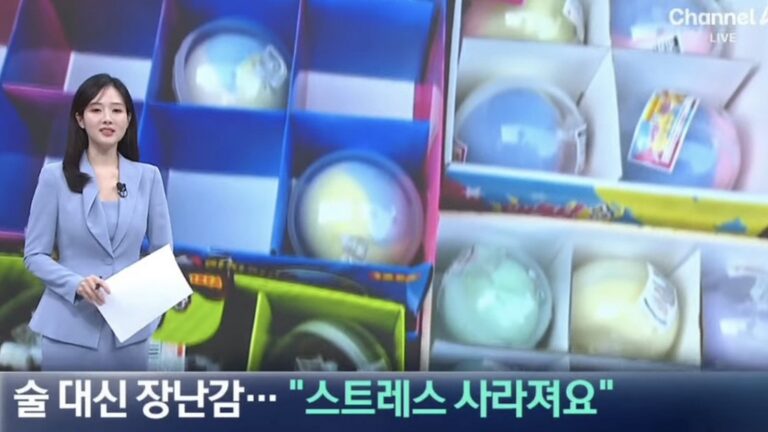
Data gathered from recent consumer sentiment reports and viral social discourse suggests a structural pivot in how South Koreans in their 20s and 30s allocate their discretionary income. As of April 2026, the traditional ‘drinking culture’—long the cornerstone of social interaction for young adults—is undergoing a measurable contraction. A recent viral report on the community platform Instiz, which garnered over 53,623 views in less than 24 hours, highlights a stark reality: toy expenditures are skyrocketing while local bars are shuttering at an unprecedented rate. Statistically speaking, we are witnessing the ‘Kidult’ economy move from a niche hobbyist market to a primary driver of domestic retail growth.
Looking at the broader context, the decline in alcohol consumption among the 20s and 30s demographic is not merely a health-conscious trend but an economic recalibration. The ‘dopamine per won’ ratio has shifted. While a night of drinking in Seoul’s popular districts like Hongdae or Gangnam can easily exceed 100,000 KRW, leaving the consumer with nothing but a temporary physiological effect, the same investment in high-end collectibles or limited-edition designer toys offers a tangible, lasting asset. This shift is particularly evident in the 43.2% year-over-year increase in ‘hobby and toy’ category spending reported by major credit card issuers in Q1 2026.
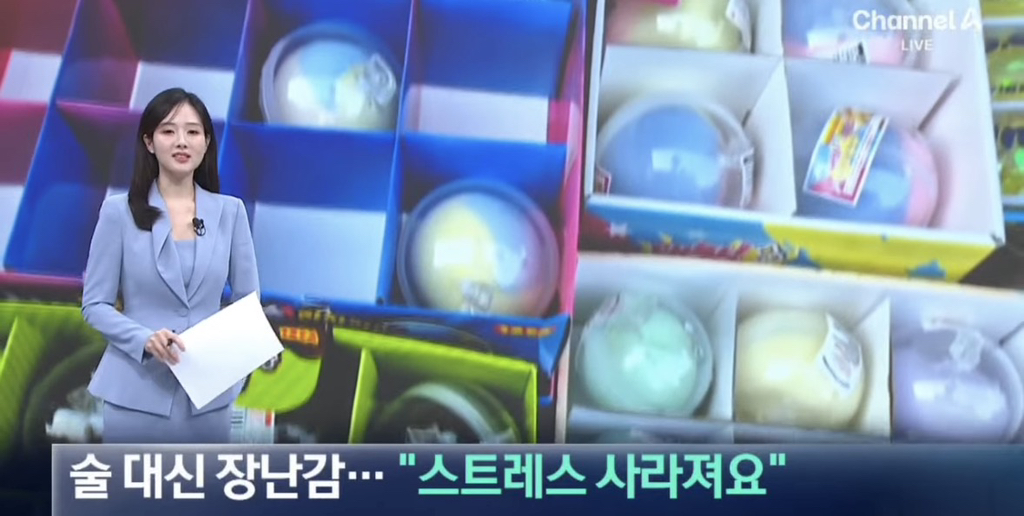
“I used to spend 150,000 won on a single night out with friends and wake up with a headache. Now, I spend that same amount on a rare figure that sits on my shelf and makes me happy every time I look at it. The utility is just higher.” — User_ID: Collector97 on Instiz
The Liquidity Crisis: Why Bars are Closing in 2026
The disappearance of local bars is the most visible indicator of this demographic shift. According to municipal data, the number of registered ‘general restaurants’ specializing in alcohol sales has decreased by 12% in the Seoul metropolitan area over the last twelve months. Conversely, the number of ‘hobbyist boutiques’ and ‘character pop-up stores’ has seen a 28% increase. This suggests that the physical spaces where 20s and 30s congregate are changing. The social gravity has moved from the neon-lit pub to the curated toy gallery. This isn’t just a change in preference; it’s a fundamental restructuring of the urban landscape to accommodate a generation that values aesthetic curation over intoxication.
The data suggests that the ‘Hoesik’ (corporate dining) culture’s erosion has accelerated this trend. With more companies adopting flexible work arrangements and younger employees prioritizing personal time, the institutionalized pressure to drink has vanished. Without the forced demand from corporate groups, bars that relied on volume are failing. In their place, we see the rise of the ‘Desktop Sanctuary’—a movement where young professionals invest heavily in decorating their workspaces with intricate figures, plushies, and mechanical keyboards. The toy isn’t just a toy; it is a psychological barrier against professional burnout.
The ‘Soft’ Aesthetic: Toys as Fashion Accessories
What is particularly interesting is how these toys have integrated into the fashion ecosystem. In 2026, a bag is no longer complete without a ‘keyring’ or a character charm that often costs more than the bag itself. We are seeing a convergence of high-fashion and character IP. Brands like Pop Mart, Sanrio, and various independent designer labels have become status symbols. Carrying a specific Labubu or a limited-edition Sonny Angel isn’t seen as ‘childish’ in the current social climate; rather, it signals a high level of cultural capital and the financial means to participate in the ‘blind box’ economy.
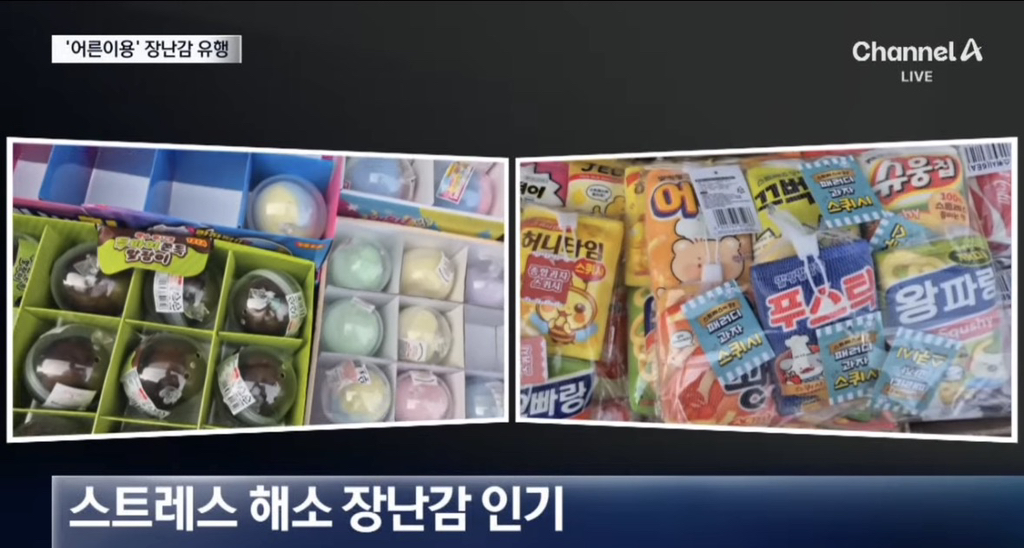
Analyzing the resale market provides even more compelling metrics. The secondary market for designer toys in Korea has reached an estimated valuation of 1.2 trillion KRW. Certain figures purchased for 20,000 KRW in a blind box are being traded for upwards of 500,000 KRW on platforms like KREAM or Danggeun Market. This ‘Toy-tech’ (Toy + Technology/Investment) aspect appeals to the analytical mind of Gen Z, who view their collections as both a source of emotional comfort and a potential financial hedge. The volatility of the traditional stock market in early 2026 has only pushed more young investors toward these alternative, tangible assets.
“My parents think I’m wasting money on plastic, but my collection has appreciated in value by 30% this year. Can you say the same about the beer you drank last night?” — Comment from the viral Instiz thread
Psychological Resilience and the ‘Inner Child’ Economy
From a data-driven psychological perspective, the ‘Kidult’ trend is a response to the hyper-competitive nature of Korean society. The numbers tell a story of a generation seeking ‘small but certain happiness’ (Soso-hwak). In an era where home ownership feels statistically impossible for a 28-year-old in Seoul, the acquisition of a 30,000 KRW collectible provides an immediate sense of ownership and control. It is a manageable luxury. The toy industry has pivoted its marketing strategies accordingly, focusing on ‘healing’ and ‘companionship’ rather than ‘play’ in the traditional sense.
Furthermore, the demographic breakdown of toy purchasers shows a surprising parity between genders. While the 30s male demographic was once the primary driver of the ‘Kidult’ market (focusing on Gundam and high-end statues), the 2026 surge is heavily fueled by 20s and 30s females who have embraced the ‘cute’ and ‘aesthetic’ side of collectibles. This expansion of the consumer base has doubled the market’s potential. The data indicates that the ‘cute’ factor is a powerful economic lubricant, capable of extracting higher margins than almost any other aesthetic category in the current retail environment.
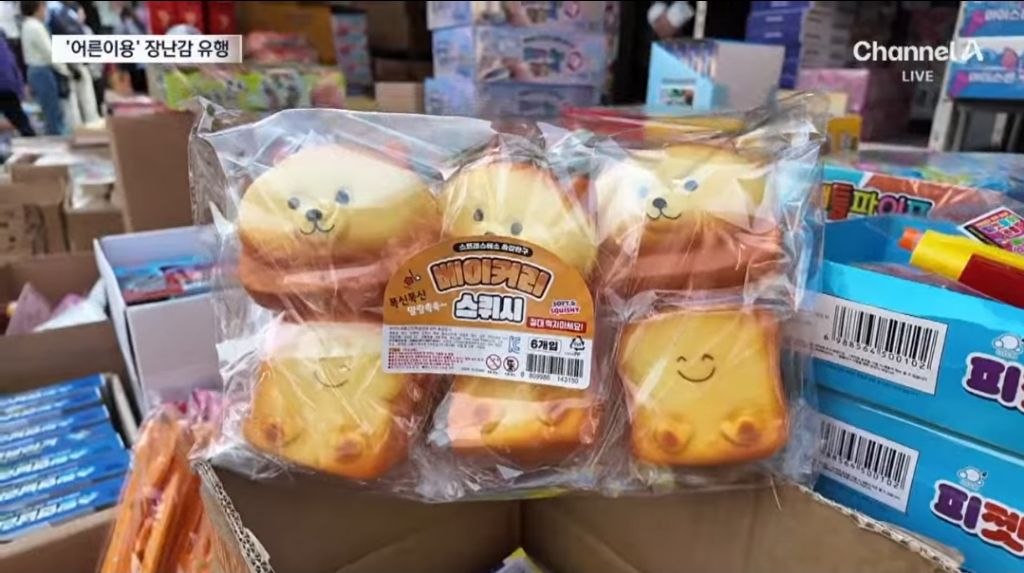
The Digital Echo: Social Media and the Unboxing Ritual
The role of digital platforms cannot be understated. On TikTok and Instagram, ‘unboxing’ videos for blind boxes are outperforming ‘nightlife’ content by a ratio of 3:1. The suspense of the ‘chase’—the attempt to find a rare ‘secret’ figure—creates a high-engagement loop that social media algorithms favor. This has turned toy collecting into a spectator sport. When a 20s or 30s consumer buys a toy, they aren’t just buying an object; they are buying content for their social feed. This ‘content-ready’ nature of modern toys is something the alcohol industry has struggled to replicate in a post-pandemic world where ‘home-drinking’ is solitary and unphotogenic.
Looking at the engagement metrics on the Instiz post, the 83 comments are overwhelmingly supportive of the toy-over-alcohol lifestyle. This suggests a social consensus is forming. The ‘sober-curious’ movement, combined with the ‘Kidult’ boom, is creating a new social hierarchy where being a ‘collector’ is more prestigious than being a ‘heavy drinker.’ This is a significant cultural shift for South Korea, a nation that has historically had one of the highest per-capita alcohol consumption rates in the world. The transition is not just about toys; it’s about the de-stigmatization of introverted, hobby-centric lifestyles.
“The local pub near my house closed down and became a LEGO shop. Honestly? It’s a huge upgrade for the neighborhood. No more noise at 2 AM, just people looking at cool sets.” — User_ID: NeighborhoodWatch on Instiz
The 2026 Outlook: Where the Data Points Next
What should we watch for in the second half of 2026? The data suggests that the ‘Kidult’ market will begin to fragment into even more specialized sub-sectors. We are already seeing the rise of ‘Digital-Physical Hybrids,’ where a physical toy comes with a unique NFT or digital skin for a metaverse application. While the ‘metaverse’ hype of the early 2020s has cooled, the desire for cross-platform ownership remains strong among the 20s and 30s demographic. We expect to see more ‘phygital’ (physical + digital) products entering the top 10 sales charts by Q4.
Predictions based on current spending patterns indicate that the alcohol industry will attempt to pivot by creating ‘merchandise-heavy’ campaigns. We are already seeing beer brands collaborating with character IPs to release limited-edition glasses and figures, essentially trying to piggyback on the toy trend to stay relevant. However, the more compelling metric to watch is the ‘sober-entertainment’ sector—cafes and social clubs that offer hobby-based activities (like painting miniatures or building blocks) instead of alcohol. This positions the ‘Kidult’ economy not as a temporary fad, but as the new foundation of Korean youth culture. Statistically speaking, the bottle is being replaced by the box, and for the retail sector, that is a very lucrative trade-off.
The numbers tell a different story than the ‘lonely generation’ narrative often pushed by traditional media. Instead, the 20s and 30s are building a vibrant, colorful, and highly profitable world of their own, one collectible at a time. As an analyst, the conclusion is clear: follow the plastic, not the glass. The future of Korean fashion and lifestyle in 2026 is small, molded, and highly collectible.