

The ‘Platform Jail’ Phenomenon: A Critic’s Lament
Cinematically speaking, there is nothing more frustrating than watching a masterpiece suffocate in a vacuum. As a critic, I spend an unhealthy amount of time scouring every corner of the streaming universe, from the giants like Netflix and Disney+ to the more localized niche platforms like TVING and Wavve. Lately, a specific sentiment has been boiling over in the online community, most notably in a recent viral thread on theqoo that garnered over 20,000 views and nearly 400 comments in a single day. The consensus? A handful of truly elite K-dramas were ‘robbed’ of their global moment because they weren’t wearing the red ‘N’ of a Netflix Original. This isn’t just about fan entitlement; it’s a legitimate critique of how distribution architecture dictates cultural legacy today.
We’ve entered an era where the quality of the work is often secondary to the accessibility of the pipe it’s delivered through. When a drama is locked behind a regional paywall or a platform with a clunky UI and limited international marketing, it doesn’t just lose viewers—it loses its place in the global conversation. The ‘Netflix Effect’ isn’t a myth; it’s a massive logistical engine that translates content into 30+ languages and shoves it into the faces of 260 million subscribers. Without that engine, even a 10/10 series can feel like a private secret shared by a few dedicated fans, rather than the cultural phenomenon it deserves to be.
“I had to use a VPN, a third-party payment service, and a prayer just to watch ‘Weak Hero Class 1’ legally from abroad. If this had dropped on Netflix on a Friday night, the entire world would have been talking about Park Ji-hoon’s eyes for a month straight. It’s a literal crime against art.” — User ‘K-DramaAddict99’ on theqoo
Visual Prowess vs. Server Capacity
The technical gap between ‘platform-locked’ gems and global hits is often non-existent, which makes the disparity in their reach even more jarring. Take a look at the gritty, high-contrast cinematography of ‘Weak Hero Class 1’ or the sprawling, high-budget supernatural sequences in ‘Moving.’ These aren’t just ‘good for TV’ productions; they are cinematic achievements. When we analyze the mise-en-scène of these shows, we see a level of intentionality that rivals anything coming out of Hollywood. The use of desaturated palettes to convey the bleakness of school violence, or the intricate long takes in ‘Through the Darkness’ that build unbearable tension—this is top-tier filmmaking.
Unpopular opinion, but I’d argue that some of the best-directed dramas of the last three years were precisely the ones that Netflix passed on. Why? Because regional platforms often take bigger risks on ‘uncomfortable’ narratives. Netflix has a ‘formula’—they love a certain type of high-concept hook. Meanwhile, domestic platforms like TVING have been quietly fostering character-driven masterpieces that prioritize emotional depth over ‘bingeable’ cliffhangers. However, the tragedy remains: if the cinematography is breathtaking but the player keeps buffering or the subtitles are poorly timed, the artistry is compromised. A director’s choice to use low-light filming becomes a muddy mess on a low-bitrate stream.
The Tragic Case of the ‘Hidden’ Viral Hit
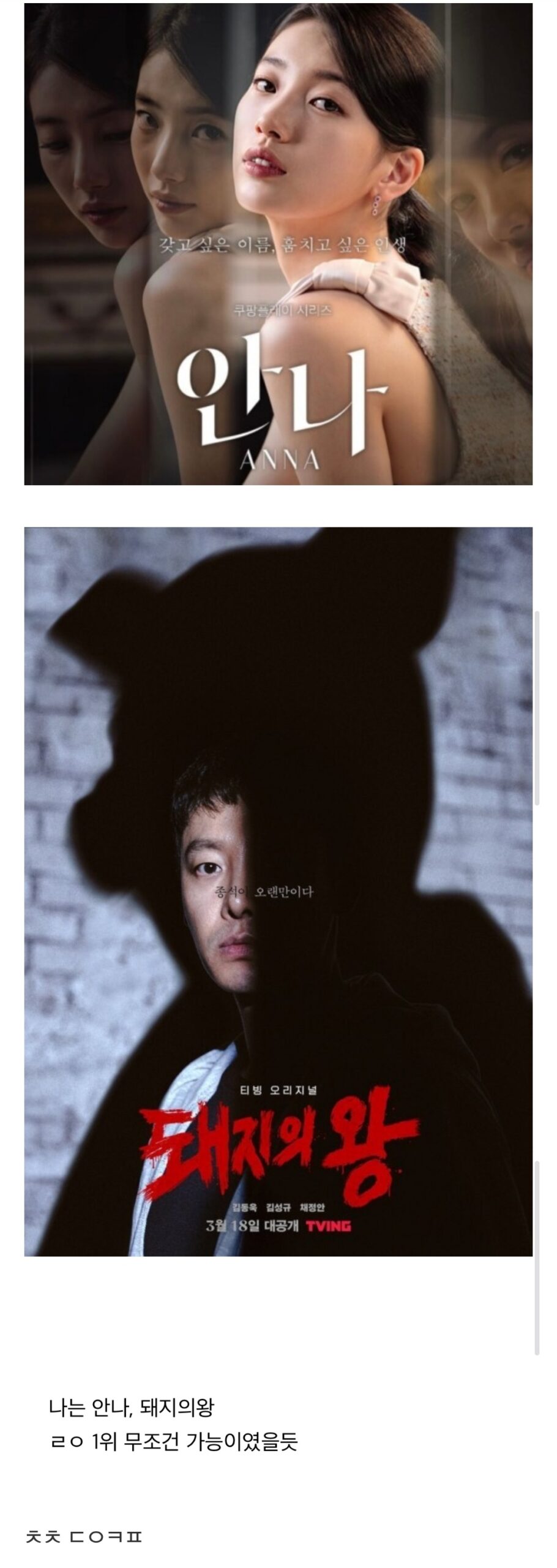
Let’s talk about ‘Death’s Game.’ If you haven’t seen it, you’re proving my point. Released via TVING and Prime Video recently, it featured a literal galaxy of stars—Seo In-guk, Park So-dam, Lee Do-hyun, and Go Youn-jung. The narrative structure was ambitious, the CGI was surprisingly polished, and the emotional payoff was devastating. Yet, because it wasn’t a Netflix Original, it didn’t get the ‘Squid Game’ or ‘The Glory’ treatment. It didn’t dominate the global Top 10 for weeks. It didn’t spark a thousand TikTok trends. It was a masterpiece that lived in the shadows of the ‘Red N’ monopoly.
The writing in these ‘hidden’ hits often feels more cohesive because they aren’t trying to satisfy the ‘Netflix pacing’—that specific 6-episode-per-season structure that has ruined so many recent shows. Recently, we saw a rash of Netflix series that felt like movies stretched into six hours, or twelve-episode arcs chopped in half for ‘Part 1’ and ‘Part 2’ releases. Shows like ‘The Deal’ (Wavve) or ‘A Bloody Lucky Day’ (TVING) maintained a traditional, tight narrative flow that respected the viewer’s time. They weren’t designed to keep you on the platform for as long as possible; they were designed to tell a story. But in the current market, telling a good story isn’t enough if no one can find the book.
“It’s honestly exhausting. You hear about a ‘life drama’ from Korean netizens, but then you find out it’s on a platform that isn’t even available in your country. By the time it gets picked up by a global streamer a year later, the hype is dead and everyone has moved on to the next shiny thing.” — Comment from theqoo thread #4154007076
Accessibility as the Ultimate Gatekeeper
We need to address the elephant in the room: the fragmentation of the K-content market. Currently, the average fan is expected to subscribe to Netflix, Disney+, Prime Video, Viki, and perhaps a specialized regional service to catch everything. It’s unsustainable. This fragmentation creates a ‘class system’ in K-dramas. You have the ‘Netflix Elite’—shows that get the billboards in Times Square—and the ‘Platform Peasants’—brilliant shows that rely entirely on word-of-mouth and fan translations to cross borders. The director’s choice to partner with a smaller platform might offer more creative freedom, but it often comes at the cost of the actors’ global brand power.
The writing falters when creators feel the need to ‘Netflix-ify’ their scripts just to get a global deal. We are seeing more ‘Westernized’ tropes, more gratuitous violence, and a shift away from the ‘healing’ or ‘humanist’ dramas that made K-content unique in the first place. This is why the theqoo discourse is so poignant. Fans aren’t just asking for Netflix because they like the brand; they’re asking for it because they want their favorite actors to receive the global recognition they’ve earned. They want the ‘Netflix Effect’ without the ‘Netflix-ification’ of the content itself. It’s a delicate balance that the industry hasn’t quite figured out yet.
Why the ‘Netflix Original’ Badge Still Matters Today
Despite the criticisms of the ‘Netflix formula,’ that ‘Tudum’ sound is still the most powerful marketing tool in the world. When a drama is labeled a ‘Netflix Original,’ it receives an automatic stamp of ‘prestige’ for the general public. It signals that this show is worth your time. For a series like ‘Moving,’ which was a massive hit on Disney+, the conversation was always shadowed by the question: ‘Imagine if this was on Netflix?’ It’s a testament to the platform’s cultural stranglehold. Even with Disney+’s deep pockets, they couldn’t replicate the sheer conversational velocity that Netflix generates.
From a critic’s lens, the ‘Netflix Original’ branding also ensures a certain level of technical standardization. You know you’re getting 4K, you know the subtitles will be professional (usually), and you know the app won’t crash when 100,000 people try to watch the finale at the same time. For many viewers, that reliability is worth the price of admission. It creates a frictionless experience that allows the viewer to focus entirely on the performance and the story. When that friction is present—bad subs, low resolution, regional locks—the immersion is broken. And in a medium as emotional as K-drama, immersion is everything.
“I’m tired of seeing mid-tier Netflix shows get all the awards and attention while actual masterpieces on TVING are ignored by international critics just because they didn’t have a global marketing budget. The industry needs to wake up.” — Anonymous Industry Insider on social media
The Current Landscape: Is the Monopoly Breaking?
As the industry continues to evolve, we are starting to see some shifts. Partnerships between regional players and global giants are becoming more common. We saw CJ ENM strengthening its ties with various global distributors to ensure that TVING originals get a wider release window. But the ‘Day and Date’ global release remains the holy grail. The ‘What if’ game will continue as long as there is a discrepancy between where the best art is being made and where the most people are looking. The theqoo thread isn’t just a collection of complaints; it’s a roadmap for where the industry needs to go.
What elevates a scene from ‘good’ to ‘iconic’ is often the collective experience of watching it. Think back to the ‘hospital scene’ in ‘Queen of Tears’ or the ‘border crossing’ in ‘Crash Landing on You.’ Part of why those moments feel so huge is because we were all watching them together, reacting in real-time across time zones. When a drama is fragmented across different platforms with different release schedules, that collective ‘soul’ of the viewing experience is lost. We are left with isolated pockets of fans, rather than a global community. That, more than anything, is what these ‘robbed’ dramas are missing.
Final Verdict: Quality Deserves a Canvas
The reality is that Netflix is no longer just a streaming service; it is the primary curator of global pop culture. While I will always champion the ‘indie’ gems on smaller platforms, I can’t ignore the fact that the ‘Netflix Effect’ is the difference between an actor being a ‘domestic star’ and a ‘global icon.’ For the writers and directors who pour their souls into these projects, the platform isn’t just a pipe—it’s the frame for their painting. And some paintings are simply too big for a small frame.
My advice? Don’t wait for the ‘Red N’ to tell you what’s worth watching. Be the viewer who seeks out the ‘Weak Heroes’ and the ‘Death’s Games’ of the world, even if it requires a little extra effort. But to the production houses: stop locking your best work in ‘platform jail.’ The world is ready to watch, if only you’d let them. The era of ‘local hits’ should be over; today, every masterpiece deserves a global stage.