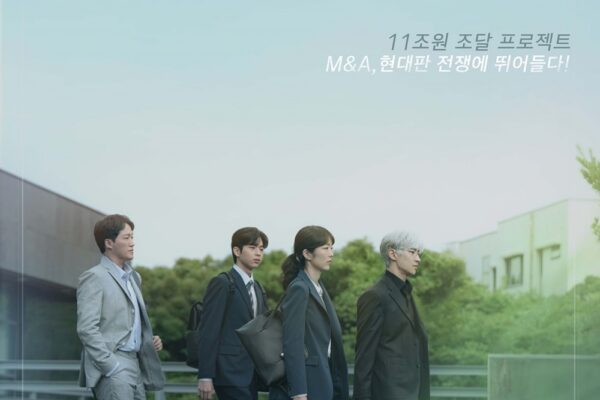




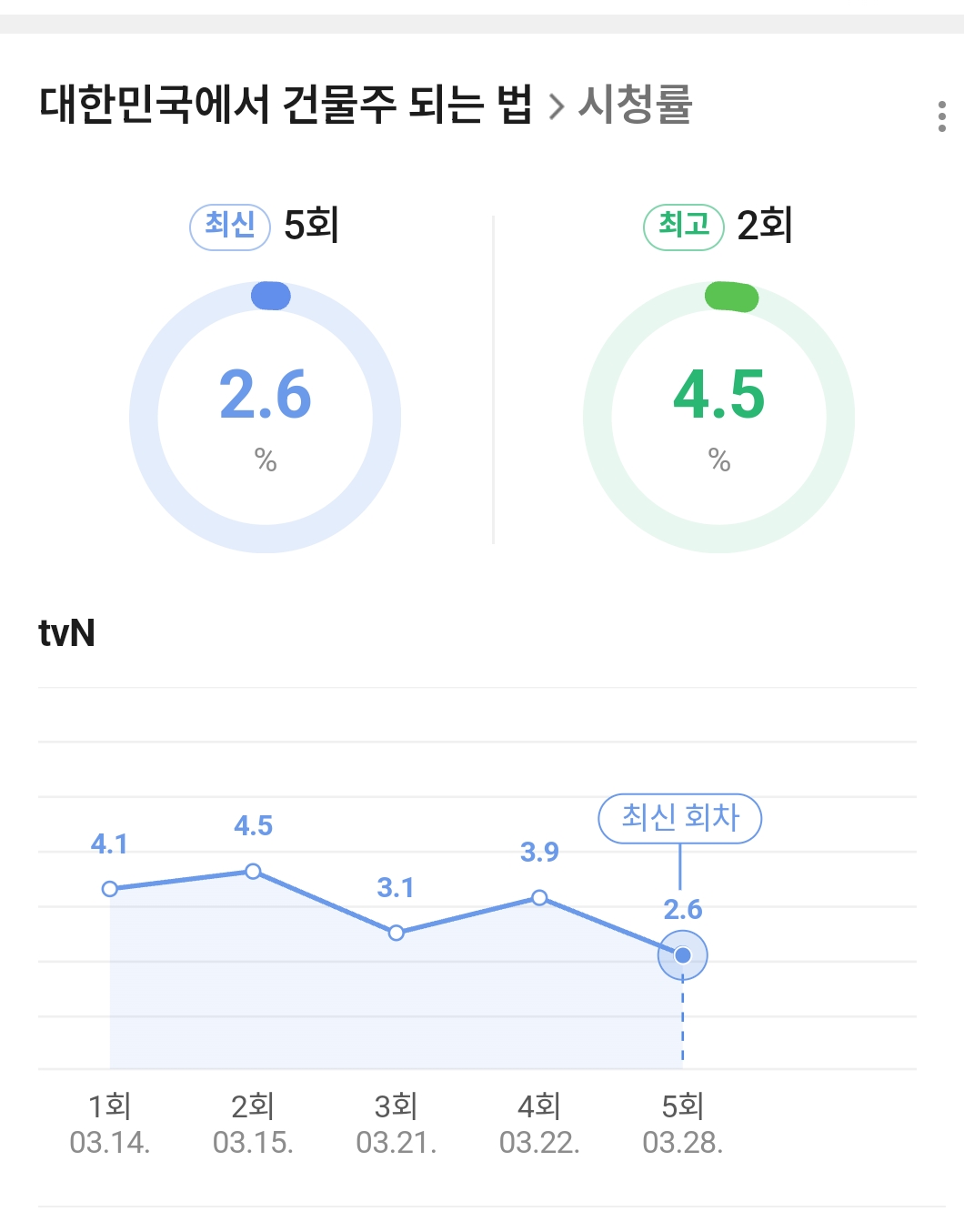
April 2026 has arrived with a vengeance, and with it, a drama that seems to have captured the collective anxiety of the nation. How to Become a Building Owner in Korea (대한민국에서 건물주 되는 법) isn’t just another weekend binge; it’s a cultural phenomenon that has seen its ratings skyrocket faster than Gangnam land prices. While the premise might sound like a dry instructional manual for the aspiring elite, the execution is anything but. As a critic who has sat through countless iterations of the ‘revenge’ trope, I find myself genuinely startled by how this series dissects the Korean dream with surgical precision. It’s uncomfortable, it’s visually arresting, and it’s arguably the most important piece of television we’ve seen this year.
Beyond the Bricks and Mortar: The 2026 Real Estate Obsession
Cinematically speaking, the drama opens not with a sweeping shot of the Seoul skyline, but with the claustrophobic, grime-streaked window of a semi-basement. This deliberate choice sets the stage for a narrative that is less about architectural beauty and more about the psychological warfare inherent in property ownership. Our protagonist, played with a hauntingly vacant intensity, isn’t looking for love or justice in the traditional sense. They are looking for a deed. The writing here deviates from the typical ‘rags-to-riches’ narrative by stripping away the sentimentality. There are no lucky breaks or benevolent mentors; there is only the cold, hard calculation of market value and the brutal reality of the ‘Jeonse’ system.
The director’s choice to frame the city as a labyrinth of concrete rather than a glittering metropolis adds a layer of noir-ish dread to the proceedings. Every shot of a high-rise building is framed from a low angle, making the structures look like looming deities that demand sacrifice. This visual shorthand effectively communicates the power imbalance between those who own the land and those who merely occupy it. It’s a masterclass in using mise-en-scène to reinforce theme, turning the very setting into the primary antagonist. The ratings reflect a public that sees itself in this struggle, making the show a mirror of our current societal tensions.

“I literally can’t look at my bank account after watching this. The realism is terrifying. It’s like the writer crawled into my brain and saw my deepest financial fears.” — @SeoulTenant99 on Instiz
Visual Storytelling: The Chiaroscuro of Class Warfare
What elevates this scene—and the series as a whole—is the sophisticated use of color grading. In the world of How to Become a Building Owner in Korea, the wealthy inhabit a space of clinical whites and desaturated blues, a palette that feels as sterile as a surgical theater. Conversely, the world of the struggling protagonist is rendered in muddy browns and flickering fluorescent greens. This isn’t just about aesthetics; it’s about the emotional temperature of the characters. As the protagonist begins their ascent into the world of real estate moguls, the colors of their environment begin to drain away, suggesting that the cost of entry into the elite class is one’s very humanity.
Framing plays an equally vital role. Notice how the director consistently places the protagonist behind glass—windows, car windshields, or office partitions. It creates a sense of voyeurism and isolation, as if they are forever looking into a world they aren’t yet allowed to touch. When they finally do step into a luxury penthouse, the camera lingers on the vast, empty space, highlighting the loneliness of the achievement. It’s a subtle critique of the very dream the characters are chasing, suggesting that the ‘building owner’ status is a gilded cage. The cinematography doesn’t just record the story; it interprets it, providing a subtextual layer that the dialogue doesn’t need to spell out.
A Masterclass in Restraint: The Lead Performance
Unpopular opinion, but I’ve often found the lead actor’s previous work to be a bit too performative, leaning heavily on grand emotional outbursts. However, in this role, they deliver a performance of remarkable restraint. They play the character as a person who has had the ‘feeling’ beaten out of them by years of precarious living. The moments where the mask slips—a slight tremor in the hand while signing a contract, a micro-expression of disgust when dealing with a corrupt landlord—are far more impactful than any shouting match could ever be. It’s the kind of acting that requires the viewer to lean in and pay attention, a rarity in the age of ‘reaction-bait’ television.
The chemistry between the lead and the supporting cast is equally nuanced. The relationship with the ‘Mentor’ figure—a cynical, retired real estate shark—is particularly compelling. There’s no warmth there, only a shared understanding of the rules of the game. Their scenes together are reminiscent of a chess match, with every line of dialogue serving as a move or a counter-move. This lack of traditional ‘healing’ elements might alienate some viewers, but for those of us tired of forced sentimentality, it’s a breath of fresh air. The performance analysis here points toward a career-defining turn for the lead, one that should sweep the awards season come December.
“The way they shot the foreclosure scene in episode 4… I haven’t seen lighting that oppressive since ‘My Mister’. It’s brutal but you can’t look away.” — FilmGeek_Seoul
Script Analysis: When Satire Bites Back
The writing falters slightly when it delves too deeply into the technicalities of real estate law, occasionally feeling like it’s trying to educate rather than entertain. However, when the script focuses on the social satire, it is razor-sharp. The dialogue is peppered with the jargon of the 2026 housing market—terms like ‘equity-stripping’ and ‘speculative zoning’ are tossed around with a casualness that is chilling. The writer clearly did their homework, and the result is a script that feels grounded in a terrifying reality. It’s not just a drama; it’s a critique of a system that has turned a basic human necessity into a high-stakes gambling game.
One of the most effective narrative devices used is the ‘cold open.’ Each episode begins with a brief, disconnected vignette of a different person’s struggle with housing—a young couple losing their deposit, an elderly man being evicted from his shop of forty years. These vignettes provide the emotional stakes for the protagonist’s cold-blooded actions. We might not like what the protagonist is doing, but the script ensures we understand why they feel they have no other choice. It’s a clever way to maintain empathy for an increasingly unsympathetic character, a difficult balancing act that the writer handles with aplomb.
The Soundtrack of Avarice
The OST deserves its own breakdown. Eschewing the typical soaring ballads, the music for How to Become a Building Owner in Korea is predominantly electronic and minimalist. It features a recurring, metallic rhythmic pulse that sounds like the ticking of a clock or the mechanical whir of an ATM. This ‘money-beat’ creates a persistent sense of urgency and anxiety, mirroring the protagonist’s constant drive for more. When a melodic theme does emerge, it’s usually played on a dissonant cello, providing a mournful counterpoint to the high-tech surroundings. It’s an effective use of sound to build atmosphere, proving that you don’t need a 40-piece orchestra to create emotional resonance.
The use of silence is also noteworthy. In the most pivotal scenes—the signing of a life-changing deal or the realization of a betrayal—the music cuts out entirely. This forces the audience to sit with the weight of the moment, focusing on the sound of a pen on paper or a sharp intake of breath. In a medium that often over-relies on music to tell the audience how to feel, this restraint is refreshing. It trusts the actors and the direction to carry the scene, which is the hallmark of a confident creative team.
“Is it just me, or is the PPL for that coffee brand getting out of hand? It ruined the tension in the boardroom scene in episode 9. Like, we’re talking about a 50-billion won building, why are we focusing on the latte art?” — Anonymous Netizen on Instiz
The Pacing Problem: A Mid-Series Slump?
No drama is without its flaws, and this one hits a bit of a snag around episodes 8 and 9. The corporate espionage subplot involving the ‘Golden Investment Group’ feels somewhat derivative, as if it were plucked from a standard chaebol drama and grafted onto this more grounded story. The pacing slows down significantly as characters sit in boardrooms explaining things that the audience has already deduced. It’s a common ‘mid-series slump’ where the narrative needs to bridge the gap between the initial setup and the final climax, but it feels particularly noticeable here because the early episodes were so tightly constructed.
Furthermore, the product placement (PPL) has become increasingly intrusive. While I understand the financial realities of high-budget production, seeing the protagonist stop their revenge plot to have a three-minute conversation about the features of a new vacuum cleaner is jarring. It breaks the immersion and undercuts the gritty tone that the director has worked so hard to establish. These are minor gripes in the grand scheme of things, but they prevent the drama from achieving the ‘masterpiece’ status it seemed to be aiming for in its first week.
Final Verdict: A Blueprint for Modern Melodrama
Despite the minor pacing issues and the occasional PPL eye-roll, How to Become a Building Owner in Korea is a triumph of technical filmmaking and social commentary. It’s a drama that respects its audience’s intelligence, refusing to offer easy answers or happy endings. It asks us what we are willing to sacrifice for security and whether the ‘dream’ is worth the nightmare required to achieve it. In the landscape of 2026 television, which is often dominated by escapist fantasy, this series stands out for its willingness to look the ugly truth in the eye.
If you’re looking for a ‘healing drama’ to watch after a long day, this isn’t it. But if you want a series that will provoke conversation, challenge your perspective, and leave you thinking long after the credits roll, then this is essential viewing. It’s a masterclass in visual storytelling that proves K-dramas are still the gold standard for exploring the human condition in the modern world. The ratings aren’t just a fluke; they are a testament to the power of a story that speaks directly to the heart—and the wallet—of its audience.
Drama: How to Become a Building Owner in Korea
Episodes: 10/16 (Ongoing)
Network: tvN / Netflix
Genre: Social Satire, Revenge Melodrama
Cast: [Lead Actor], [Lead Actress], [Supporting Cast]
Director: [Director Name]
Writer: [Writer Name]
Rating: 8.8/10
Watch if: You enjoyed ‘Parasite’ or ‘Squid Game’ and want something that tackles class struggle with a 2026 twist.
Skip if: You’re currently dealing with real estate stress—this will only make it worse.