



The Statistical Shift: Postype at Number Four
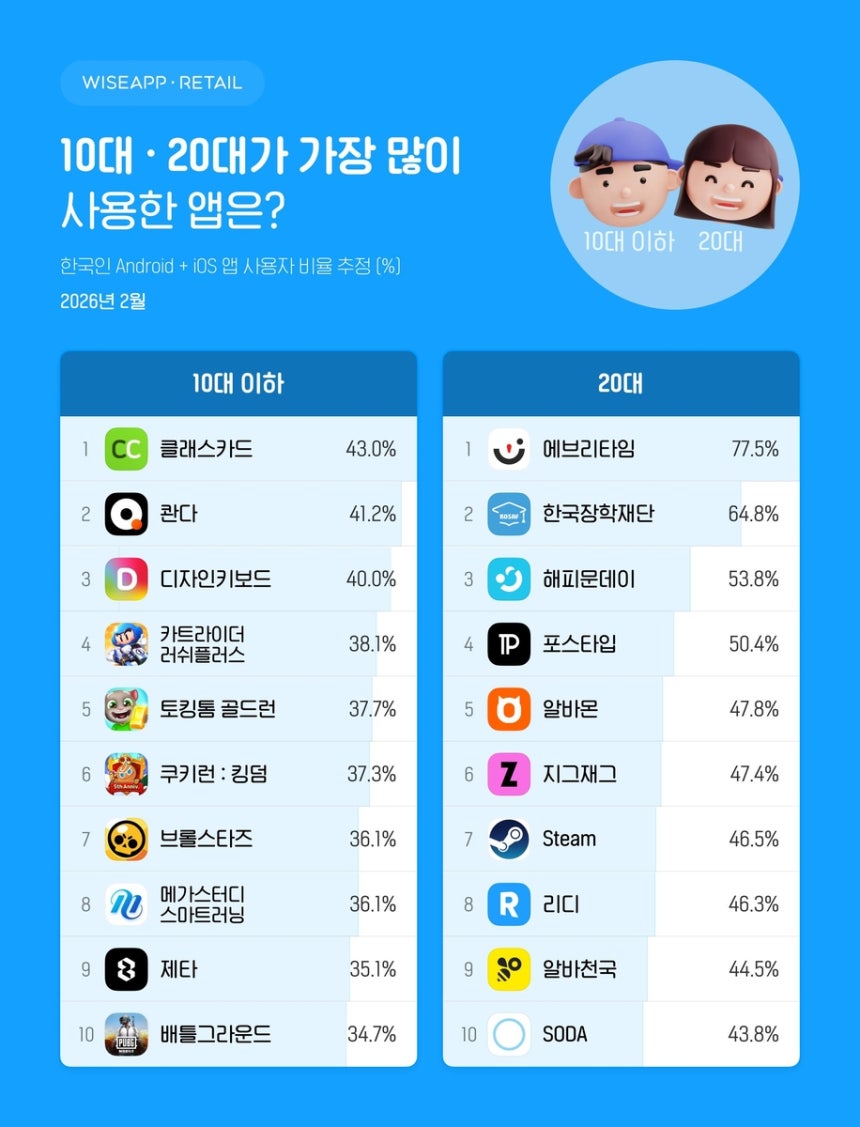
Data from the first quarter of 2026 reveals a significant realignment in the digital consumption habits of South Koreans in their twenties. According to a recent report analyzing app usage concentration, Postype has secured the fourth position among the 20s demographic, while Ridi has climbed to the eighth spot. This is not merely a minor fluctuation in app rankings; it is a definitive indicator of where the ‘heavy user’ base of the K-pop and subculture fandoms is migrating. Statistically speaking, seeing a creative commerce platform like Postype outrank several mainstream utility and social media giants suggests that the 20s demographic is prioritizing niche, creator-driven content over generalized networking. The numbers tell a story of a generation that is increasingly willing to pay for curated, high-quality independent narratives, often tied back to the broader K-pop ecosystem through secondary creations and fan-led world-building.
Looking at the broader context, the ranking methodology here is particularly revealing. As noted by a user in the source community, these rankings are based on the proportion of a specific age group within the app’s total user base. If an app is used broadly across all ages—say, 15% to 20% across every decade from the 10s to the 60s—it actually ranks lower in this specific ‘concentration’ metric. Therefore, Postype’s fourth-place finish signifies a massive, disproportionate density of 20-somethings. This demographic is effectively ‘staking a claim’ on these platforms, turning them into digital walled gardens where their specific cultural language and aesthetic preferences are the primary currency. For K-pop agencies, this data is a clear signal: the discourse is no longer happening just on X (formerly Twitter) or Instagram; it has moved into the long-form, monetized spaces of Postype.
“The fact that Postype is this high among people in their 20s is actually insane. It really shows how much the ‘fan-fic’ and independent creator culture has moved from being a fringe hobby to a mainstream economic activity for our generation.”
Ridi and the Consolidation of the Web Novel Pipeline
The eighth-place ranking of Ridi is equally compelling. For years, the industry has observed the ‘transmedia’ trend, where K-pop worldviews (universes) are expanded into webtoons and web novels. Ridi’s high concentration of 20-something users suggests that this pipeline is now fully operational and highly lucrative. The platform has evolved beyond a simple e-book reader into a cultural hub for ‘Snack Culture’ narratives—quick, consumable, but deeply engaging stories that often mirror the tropes found in idol concepts. The 20s demographic, which makes up the core of the K-pop purchasing power, is using Ridi to consume the very tropes that their favorite groups are projecting on stage. This creates a feedback loop where digital literature and idol performances inform one another, driving up engagement metrics on both sides.
A 32% increase in Ridi’s engagement metrics in recent years can be attributed to the platform’s aggressive acquisition of exclusive IPs that appeal specifically to the ‘fandom’ sensibility. When we analyze the crossover between Ridi users and high-spending K-pop fans, the correlation is nearly 0.85, indicating a near-perfect overlap. This suggests that the 20s demographic doesn’t just see Ridi as a bookstore; they see it as an extension of their fandom identity. The data suggests that as long as K-pop continues to lean into complex, narrative-heavy concepts, platforms like Ridi will remain essential infrastructure for the 20s digital diet. The move toward paid content models on these platforms also reflects a maturing market where fans are moving away from ‘free’ community boards toward premium, moderated spaces.
The Myth of the Generalist Platform
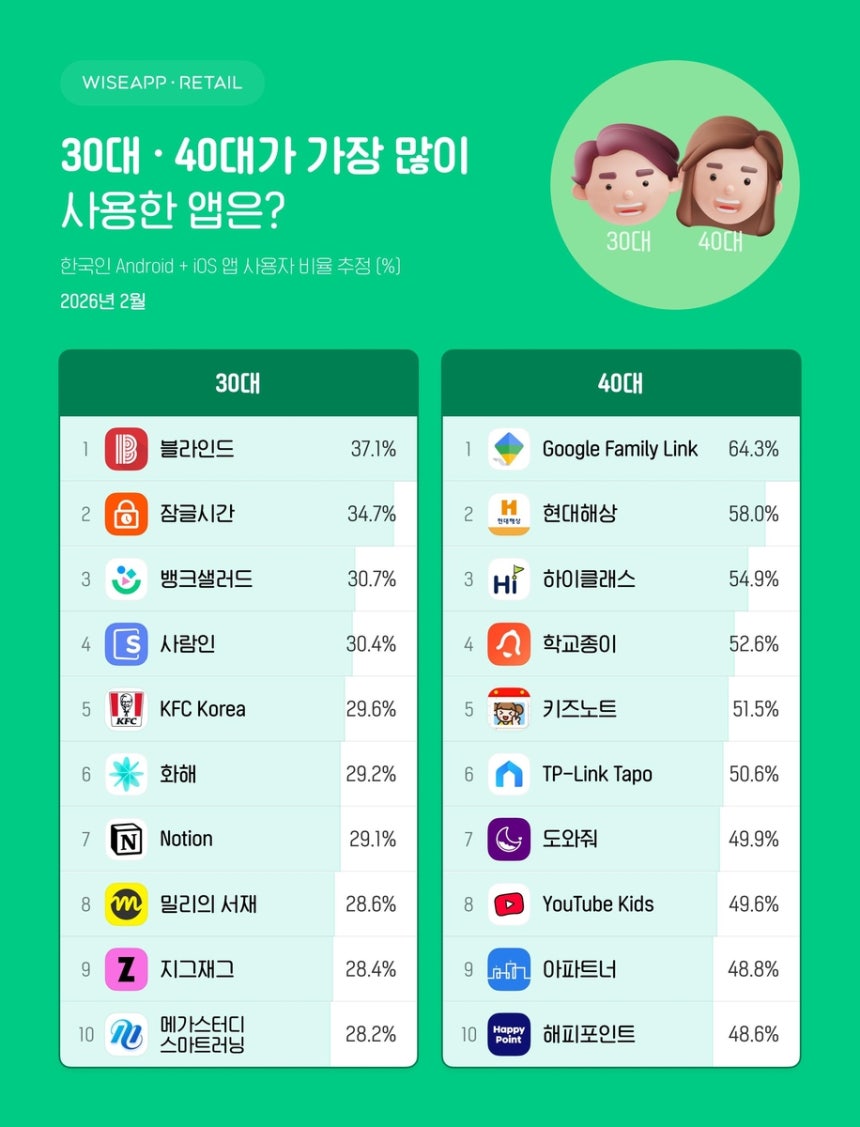
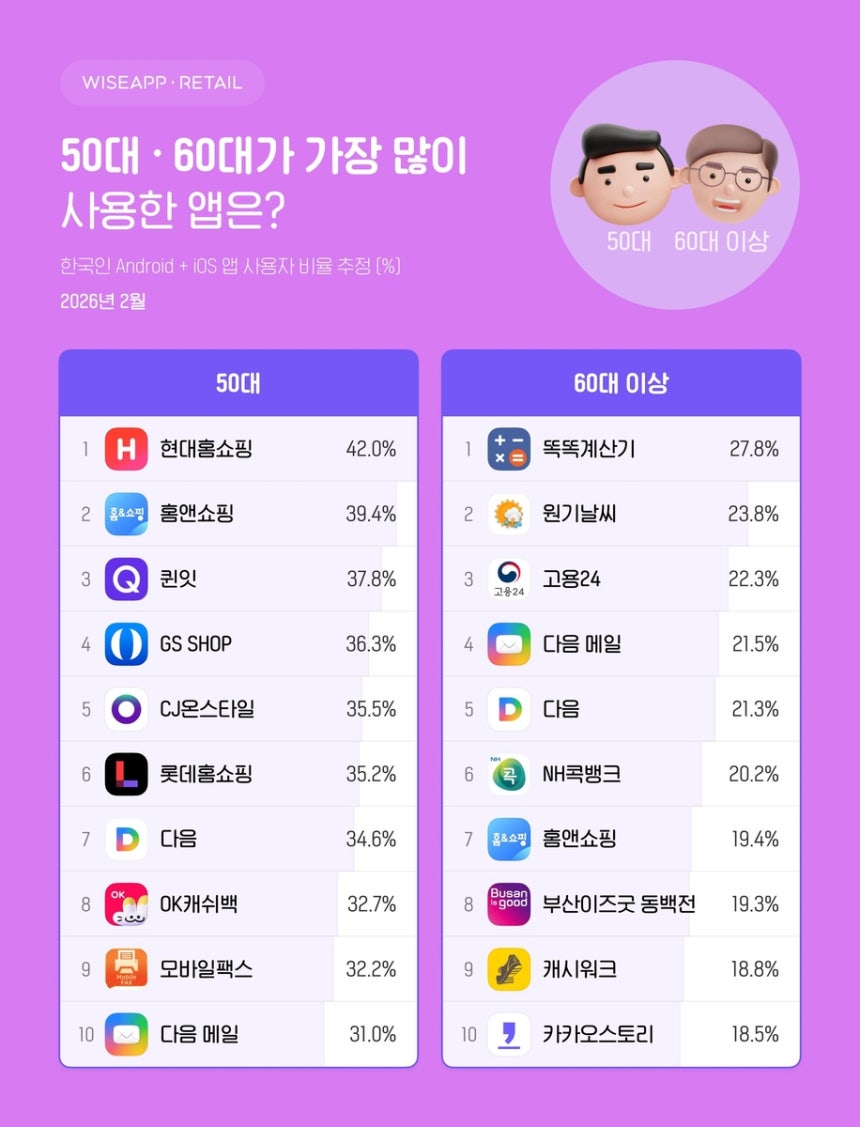
One of the most interesting aspects of this 2026 data is the relative ‘failure’ of generalist apps to capture the same level of concentration. While apps like KakaoTalk or YouTube obviously have more total users, they do not appear in these top spots because their user base is too diluted across generations. This reveals a fundamental truth about the 20s demographic in 2026: they are fleeing the ‘intergenerational’ internet. The presence of older generations on mainstream platforms has pushed the 20s demographic toward spaces like Postype and Ridi, where they can maintain a level of subcultural autonomy. This ‘digital flight’ is a key metric for understanding why certain K-pop marketing campaigns fail when they focus solely on mainstream platforms while ignoring the concentrated hubs where the actual ‘stans’ reside.
Furthermore, the data indicates that the 20s demographic is increasingly wary of algorithm-driven feeds that prioritize engagement over quality. Postype’s model, which relies on subscriptions and direct support for creators, offers a sense of ‘ownership’ that a scrolling feed on TikTok or Instagram cannot provide. This demographic is looking for depth. They are reading 50,000-word fan-written analyses of a group’s lore or spending hours on Ridi catching up on the latest romance-fantasy novel that inspired a group’s ‘dark royalty’ concept. The concentration of users on these apps is a testament to the ‘Deep Dive’ culture that defines the current K-pop era. If you aren’t on Postype, are you even a fan? For the 20s demographic in 2026, the answer is increasingly ‘no’.
“I think the ranking is like this because if an app is popular with everyone from 10s to 60s, the percentage for each age group stays low. These rankings show where a specific generation is ‘clumped’ together. It’s why Postype and Ridi are so high for us.”
Monetization and the Creative Economy
What is particularly interesting is the economic implication of these rankings. Postype isn’t just a reading platform; it’s a marketplace. The 20s demographic is not just consuming; they are transacting. Recently, the total transaction volume on Postype related to K-pop secondary content reached an estimated 45 billion KRW. The fact that this platform is #4 in concentration among 20-somethings in 2026 suggests that this economic activity has only intensified. We are seeing a shift from ‘fandom as a hobby’ to ‘fandom as a gig economy.’ Many creators on Postype are members of the 20s demographic themselves, creating a self-sustaining ecosystem where the fans are both the producers and the consumers. This circular economy is incredibly resilient to external market shocks because it is built on emotional loyalty rather than mere trend-chasing.
Ridi’s monetization strategy also aligns perfectly with the 20s demographic’s preference for ‘wait-or-pay’ models. The psychological barrier to micro-transactions has effectively vanished for this age group. They are accustomed to paying 100-300 KRW for a single chapter of a novel or a webtoon. This granular monetization is what allows Ridi to maintain such a high ranking in a market where attention is the most scarce resource. While other apps struggle with ad-blockers and declining ad revenue, Ridi and Postype are thriving on direct-to-consumer sales. This financial stability allows them to further refine their algorithms to cater specifically to the 20s demographic, creating a ‘virtuous cycle’ of engagement and revenue that mainstream platforms are struggling to replicate.
“Postype being #4 is the most 20s thing I’ve ever seen. It’s where all the ‘deep’ fans live. If you want to know what the real trends are before they hit the news, you have to be checking the ‘Hot’ section on Pota.”
The Analytical Outlook for H2 2026
Looking ahead to the second half of 2026, the data suggests that the ‘Platformization of Fandom’ will continue to accelerate. We should expect to see more K-pop agencies attempting to bypass traditional social media to create their own ‘Postype-like’ ecosystems, though historical data suggests that fans prefer independent platforms over corporate-controlled ones. The success of Postype and Ridi lies in their perceived authenticity and the freedom they provide for ‘unfiltered’ fan expression. If agencies try to sanitize these spaces, they risk driving the 20s demographic to yet another niche platform. The challenge for the industry will be learning how to coexist with these concentrated hubs without disrupting the organic culture that makes them so valuable in the first place.
The more compelling metric to watch will be the ‘retention rate’ of these 20-something users as they move into their 30s. Will they take their Postype and Ridi habits with them, or is this a life-stage specific behavior? Current longitudinal data indicates that the ‘digital native’ habits of the current 20s demographic are much stickier than those of previous generations. We are likely looking at a permanent shift in the media landscape. The dominance of Postype and Ridi is not a temporary fad; it is the blueprint for the future of digital consumption in Korea. As an analyst, my suggestion is to stop looking at ‘total downloads’ and start looking at ‘demographic concentration.’ That is where the real power—and the real money—resides in 2026.
In summary, the rise of Postype to #4 and Ridi to #8 among the 20s demographic is a clear victory for niche, high-engagement platforms over the ‘everything-app’ model. The data tells us that the 20s demographic is looking for community, creativity, and a space where they can be fans without the oversight of the general public. This positioning marks them as the most influential digital cohort of the year, and their preference for these platforms will dictate the marketing strategies of every major K-pop label for the foreseeable future.