


The Return of the Constitutional Monarchy: Why ’21st Century Grand Prince’s Consort’ is the 2026 Trendsetter
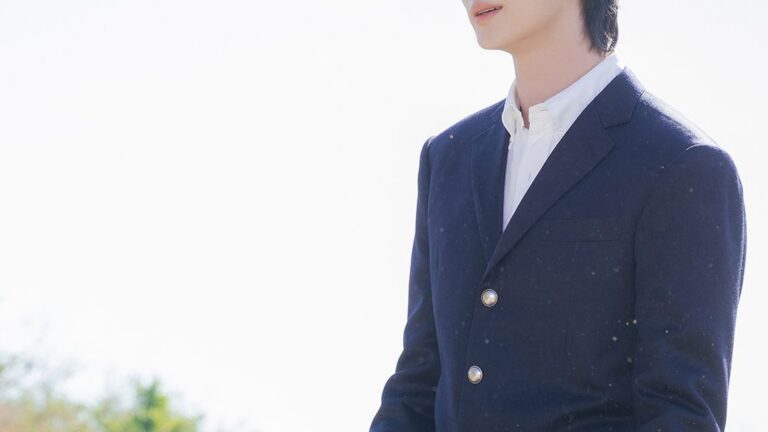
Cinematically speaking, there is something inherently magnetic about a modern palace. As we approach the April 10 premiere of MBC’s 21st Century Grand Prince’s Consort, the digital landscape is already saturated with the ‘Royal-Core’ aesthetic. This isn’t just about pretty people in pretty clothes; it’s a calculated revival of the constitutional monarchy genre that peaked in the mid-2000s with Goong and The King 2 Hearts. However, 2026 demands a different kind of royalty—one that is scrutinized by social media and trapped by the very public that adores them. The newly released stills of Byeon Woo-seok as Grand Prince Ian suggest a production that understands the weight of a crown in the age of the smartphone.
Unpopular opinion, but I’ve always found the ‘second-son’ trope in royal dramas more compelling than the crown prince’s journey. There is a inherent tragedy in being ‘spare’—possessing all the breeding and expectation with none of the actual agency. Grand Prince Ian, portrayed by the man of the hour Byeon Woo-seok, is the embodiment of this ‘lonely prince’ archetype. The mise-en-scène in the latest promotional material emphasizes this isolation through cold, expansive architectural lines and a color palette that favors desaturated blues and charcoal grays. It’s a masterclass in visual storytelling before a single line of dialogue has even aired on our screens.
“I’ve been waiting for a modern royal drama that actually looks expensive. The tailoring on Byeon Woo-seok’s suits alone could fund a small nation. If the writing matches the visuals, MBC has a certified hit on their hands for the spring season.” — User ‘K-DramaLover99’ on TheQoo
Byeon Woo-seok’s ‘Lonely Prince’ Arc: More Than Just a Pretty Face in a Suit
The director’s choice to cast Byeon Woo-seok feels like a deliberate move to bridge the gap between classic melodrama and modern idol culture. Coming off a string of high-profile successes, Byeon has developed a specific screen presence: he is physically imposing yet emotionally vulnerable. In the character description for Ian, he is described as a man who must neither ‘make a sound’ nor ‘shine too brightly.’ This creates a fascinating tension for an actor. How do you play a character whose primary directive is to be invisible while being the most photographed person in the country? Byeon’s interview notes suggest he’s leaning into the ‘ki-gae’ (spirit) and ‘godo-ham’ (loneliness) of the role, focusing on the subtle tremors of emotion beneath a perfectly composed royal exterior.
What elevates this character setup is the duality of his public and private personas. In the public eye, he is ‘the nation’s favorite royal,’ a title that carries as much burden as it does prestige. In the private quarters of the palace, he is a man with ‘nowhere to rest his heart.’ This dichotomy is a goldmine for an actor of Byeon’s caliber. He isn’t just playing a prince; he’s playing a man performing the role of a prince. The difference is subtle, but it’s what separates a mediocre performance from a career-defining one. Watching him navigate the ‘시기와 질투’ (envy and jealousy) mentioned in the production notes will be the true test of this series’ narrative depth.
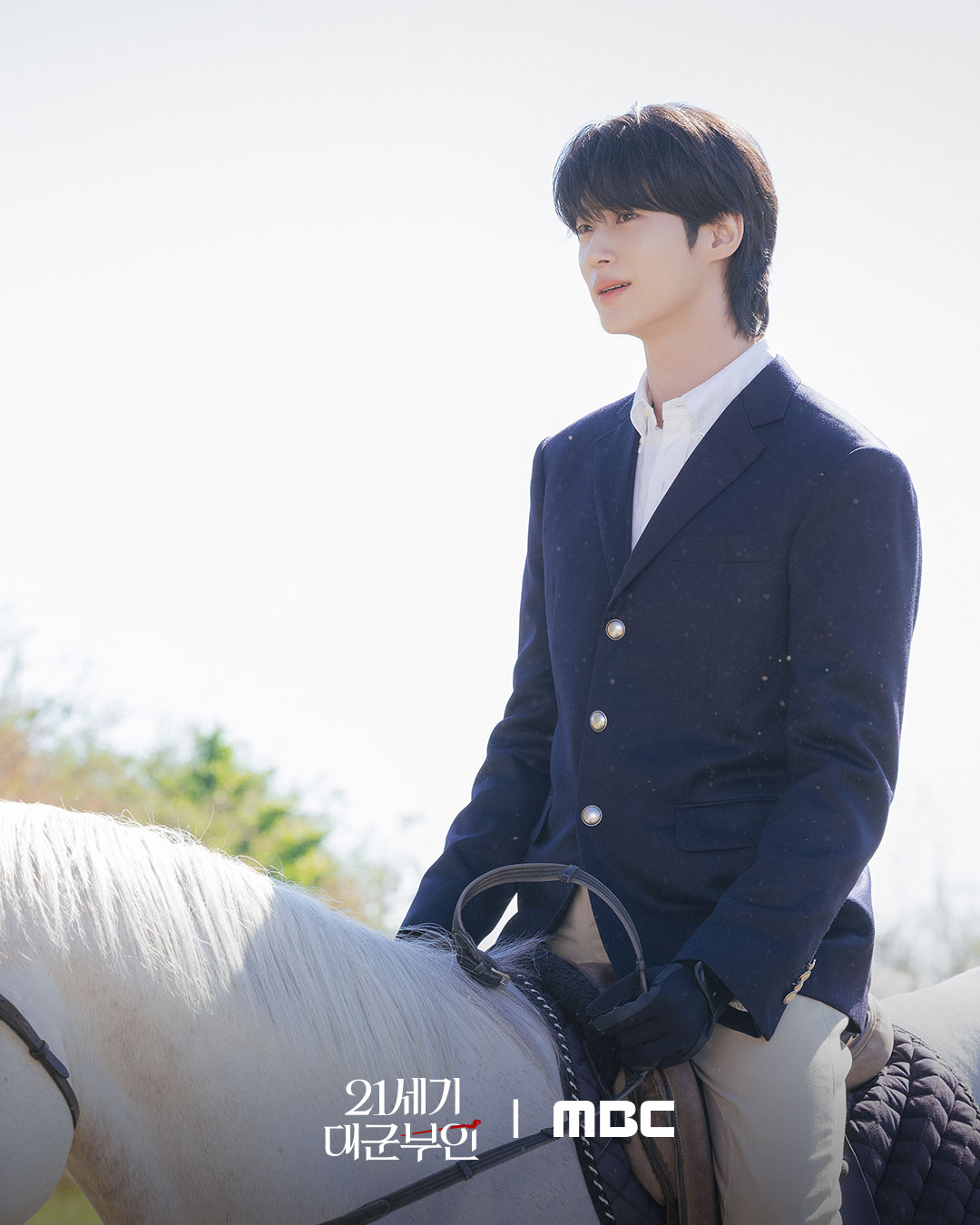
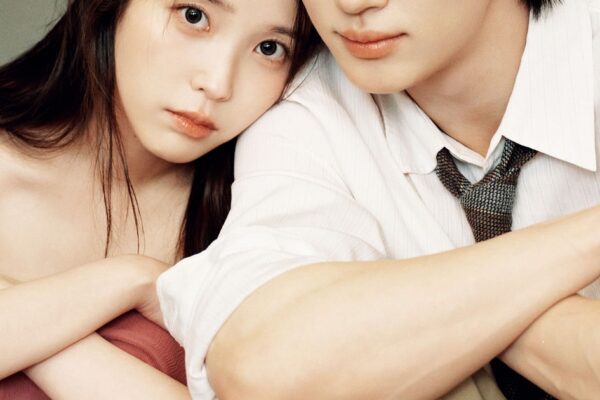
The writing falters in many modern royal dramas when it treats the monarchy as a mere gimmick. However, the script for 21st Century Grand Prince’s Consort seems to treat the institution as a living, breathing character. By positioning Ian as someone who must remain ‘hidden,’ the drama sets up a classic conflict between duty and desire. When he eventually meets the ‘Consort’ (played by the incomparable IU), the collision of their two worlds—one of rigid tradition and one of modern chaos—promises to be the emotional anchor of the series. The chemistry between these two is already the talk of the industry, and for good reason.
Sartorial Storytelling: How Wardrobe Defines the Second-Son Syndrome
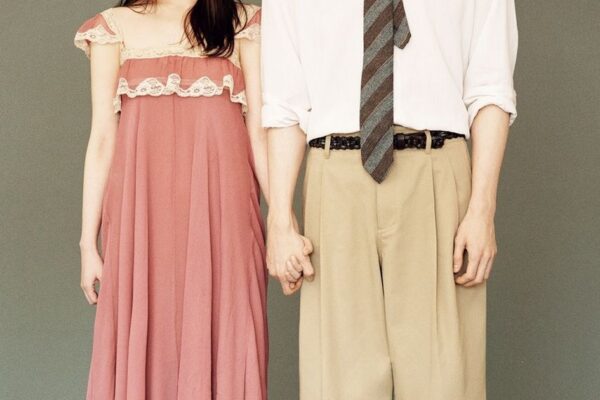
Let’s talk about the fashion, because in a drama titled 21st Century Grand Prince’s Consort, the clothes are the script. The ‘Royal-Core’ aesthetic we see here is a departure from the flamboyant, almost costume-like regalia of past dramas. Instead, we are seeing a pivot toward ‘Old Money’ hyper-realism. Ian’s wardrobe consists of bespoke tailoring that emphasizes structure and restraint. Notice the absence of loud patterns; instead, the focus is on texture—heavy wools, silk-blend ties, and the subtle glint of a family crest pin. This is sartorial storytelling at its finest: his clothes are his armor, designed to keep the world at arm’s length while maintaining the ‘품격’ (dignity) required of his station.
The contrast between Ian’s rigid suits and the expected wardrobe for IU’s character is where the visual sparks will fly. While Ian is encased in the traditions of the past, IU’s character is expected to bring a breath of 2026 modernity into the palace walls. We anticipate a mix of high-fashion contemporary pieces—think Chanel-inspired tweeds and sharp, modern silhouettes—that challenge the stuffy atmosphere of the court. This clash of styles serves as a metaphor for the central conflict of the drama: can a thousand-year-old institution survive the intrusion of a modern woman? The costume department, led by the same team that handled the iconic looks in Hotel Del Luna, clearly knows how to use fashion to signal power shifts.
“The contrast between his cold gaze and the warmth of the ‘National Prince’ title is so intriguing. I haven’t been this excited for an MBC Friday-Saturday slot since ‘The Red Sleeve.’ April 10th cannot come soon enough!” — Comment from a viral post on ‘X’ (formerly Twitter)
The Architecture of Silence: Analyzing the Visual Language of the Royal Palace
From a cinematography standpoint, the use of space in the promotional stills is telling. Often, we see Ian framed by massive, ornate doors or standing alone in vast, empty halls. This ‘architecture of silence’ reinforces his isolation. The directors, Kim Hee-won and Jang Young-woo, are known for their ability to make environments feel like emotional extensions of the characters. In 21st Century Grand Prince’s Consort, the palace isn’t just a set; it’s a gilded cage. The lighting is particularly noteworthy—using natural light filtered through traditional Korean ‘hanji’ windows to create soft, diffused shadows that contrast with the sharp, artificial lighting of the modern world outside the palace gates.
The production value here is staggering. It’s clear that MBC has spared no expense in recreating a believable 21st-century palace. The integration of modern technology within traditional Korean architecture is seamless, reflecting the drama’s core theme of ‘tradition vs. progress.’ Whether it’s a high-tech security room hidden behind a traditional folding screen or the Grand Prince checking his social media engagement on a custom-branded royal tablet, these details ground the fantasy in a recognizable reality. It’s these small touches that elevate the world-building from a simple ‘what if’ to a compelling ‘what is.’
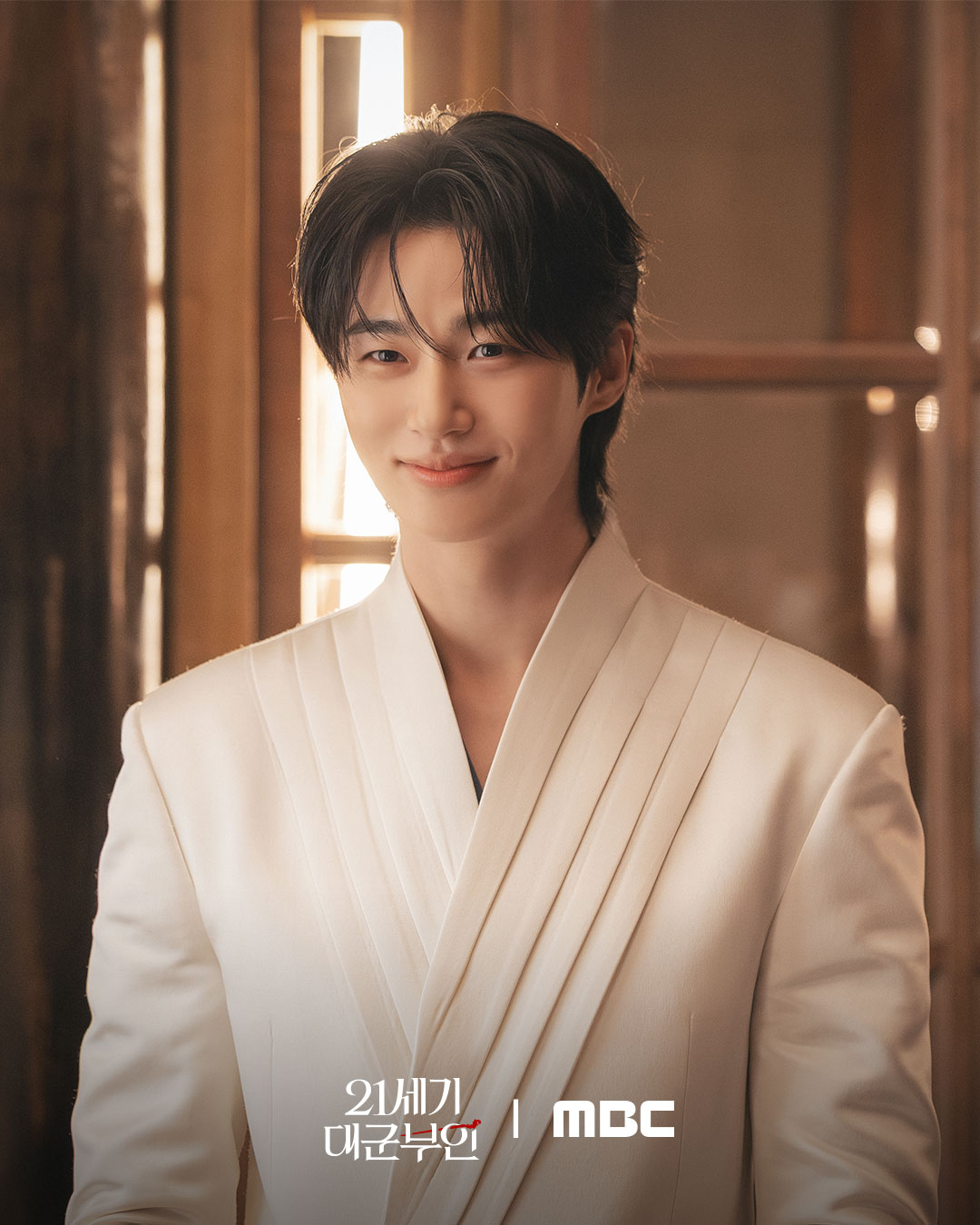
One cannot ignore the influence of the ‘Healing Drama’ subgenre here as well. Despite the political intrigue and the ‘lonely prince’ setup, there is an underlying sense of warmth in the way the characters seek connection. The relationship between Ian and his brother, the Crown Prince (played by Noh Sang-hyun), is poised to be one of the most complex fraternal dynamics we’ve seen in years. Instead of the typical ‘fight for the throne,’ the hints suggest a more nuanced bond—two men trapped in different versions of the same cage, trying to protect one another while the world tries to tear them apart.
Technical Merit: Can MBC Recapture the Magic of the Golden Era?
The writing of Park Ji-eun (of Crash Landing on You fame) is often praised for its wit, but her true strength lies in her ability to humanize archetypes. In 21st Century Grand Prince’s Consort, she takes the ‘Prince’ and the ‘Commoner’ and strips them of their titles to find the human heart underneath. The dialogue in the teasers is sharp, avoiding the stilted formality that often plagues historical-adjacent dramas. Instead, the characters speak like people living in 2026, albeit people who have to worry about the ‘Royal Secretariat’ approving their every move. This modernization of the script is crucial for maintaining the show’s pacing and accessibility.
Acting-wise, the supporting cast is equally formidable. Gong Seung-yeon’s role as the ambitious noblewoman seeking to maintain the status quo provides a necessary foil to IU’s disruptive presence. The chemistry between the leads will be the primary draw, but the political maneuvering of the supporting players will provide the structural integrity the show needs to last 16 episodes. We’ve seen many dramas start strong with a great premise only to falter in the second half due to a lack of stakes. With this creative team, I’m cautiously optimistic that the narrative arc will remain taut until the final curtain call.
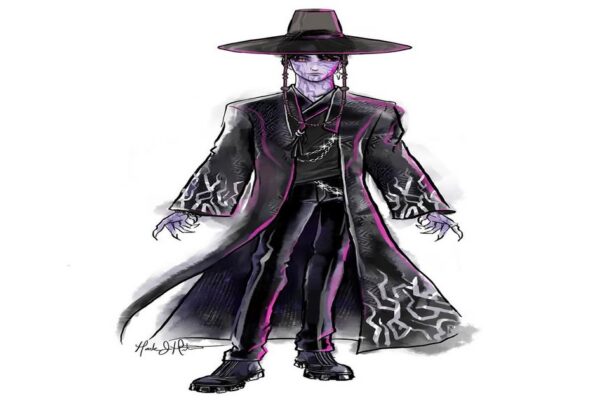
“I saw them filming at Gyeongbokgung last month and the aura was insane. Byeon Woo-seok is even taller in person, and his royal robes looked like they were made of actual starlight. This is going to be the visual of the year.” — Fan account on Instagram
The Verdict: Is the Royal-Core Hype Justified?
As a critic, I’m often wary of dramas that lean too heavily on their aesthetic. ‘Vibe-driven’ shows can sometimes lack substance, leaving viewers with a beautiful but empty experience. However, everything we’ve seen from 21st Century Grand Prince’s Consort suggests a project where the aesthetic is the substance. The fashion isn’t just for show; it’s a character. The palace isn’t just a set; it’s the plot. By using the ‘Royal-Core’ movement as a lens through which to explore themes of identity, loneliness, and the price of fame, MBC might have found the perfect formula for a 2026 masterpiece.
Who is this drama for? It’s for the fans of high-stakes melodrama, the fashion-obsessed who track every brand worn by their favorite idols, and those who still believe in the transformative power of a well-told romance. If you’re looking for a gritty, realistic take on Korean politics, look elsewhere. But if you want to be swept away by the grandeur of a modern monarchy and the heartbreaking loneliness of a prince who has everything but freedom, then mark your calendars for April 10. This isn’t just a drama; it’s an event.
Final Thoughts: The combination of Byeon Woo-seok’s rising stardom, IU’s undeniable acting chops, and a production team that treats every frame like a painting makes this the most anticipated drama of the first half of 2026. While the ‘lonely prince’ trope is well-worn territory, the specific ’21st Century’ spin—focusing on the psychological toll of being a ‘national treasure’—feels fresh and timely. My rating for the hype-to-substance ratio? A solid 9.2/10. We’ll be watching closely to see if the premiere lives up to the stunning visual promise of these stills.
Drama: 21st Century Grand Prince’s Consort
Episodes: 16
Network: MBC
Genre: Modern Royal Melodrama / Romance
Cast: IU, Byeon Woo-seok, Noh Sang-hyun, Gong Seung-yeon
Director: Kim Hee-won, Jang Young-woo
Writer: Park Ji-eun
Rating: 9.2/10 (Anticipated)