



The Kore-eda Shadow and the Emergence of a New Voice
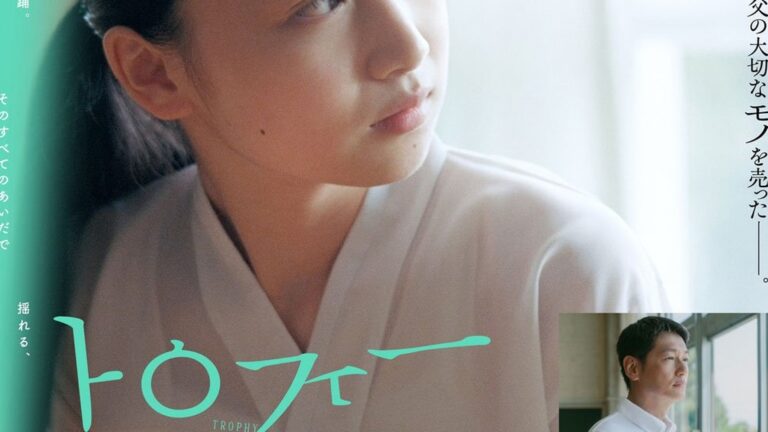
Cinematically speaking, the ‘protégé’ label is both a golden ticket and a heavy shackle. When news broke this March that Son Myung-ah, a third-generation Zainichi Korean who spent years in the trenches of Hirokazu Kore-eda’s directing department, was finally making her directorial debut with Trophy, the industry didn’t just whisper; it roared. We’ve seen plenty of assistant directors try to mimic the master’s gentle humanism only to end up with a pale imitation—a ‘Kore-eda Lite’ that lacks the bone-deep empathy of the original. But Son Myung-ah feels different. Her pedigree isn’t just a line on a resume; it’s a foundation upon which she seems to be building something far more jagged and modern.
Working under a giant like Kore-eda, especially during the production of his more recent masterpieces, clearly refined Son’s eye for the mundane. However, the early buzz surrounding Trophy suggests she’s trading his signature soft-focus warmth for a sharper, more clinical look at the Zainichi experience in 2026. This isn’t the sentimentalized struggle of the first generation or the angry rebellion of the second. This is the third generation—integrated, yet perpetually ‘othered’ in ways that are increasingly subtle and psychological. The film’s announcement has already garnered over 27,000 views on community hubs like TheQoo, proving that there is a massive appetite for a fresh perspective on this complex identity.
Decoding ‘Trophy’: More Than Just an Award
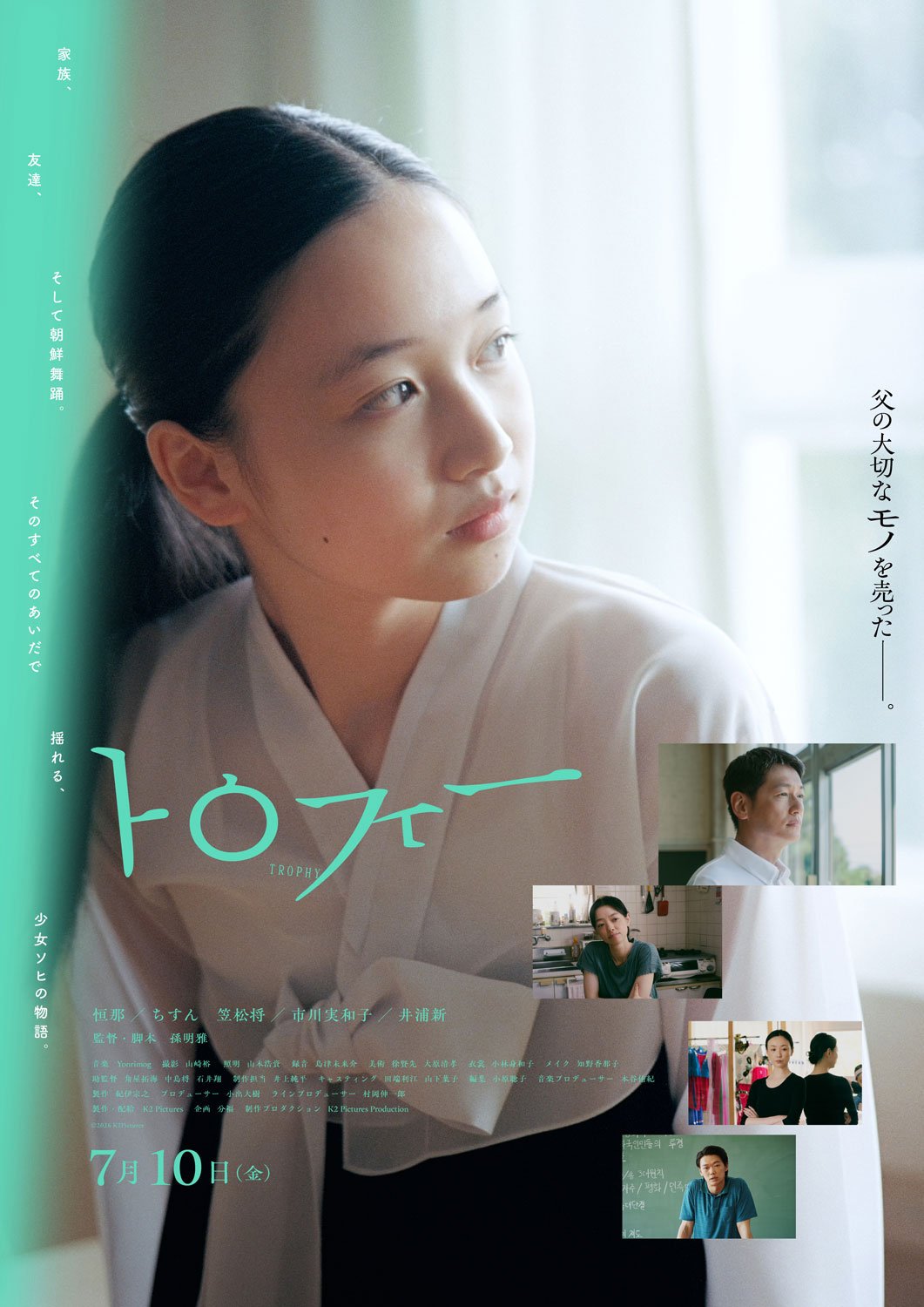
What elevates the hype for Trophy is the tantalizingly brief yet punchy synopsis that has been circulating on social media. The story follows a young woman who wins a prestigious academic award in Japan, only to find that the ‘trophy’ becomes a catalyst for her family’s long-buried secrets regarding their Korean heritage to resurface. The director’s choice to use a physical object of success as a metaphorical ticking time bomb is brilliant. It subverts the typical ‘immigrant struggle’ narrative by placing the conflict within the context of achievement rather than failure. It asks a haunting question: what do we have to give up of ourselves to be celebrated by a society that doesn’t fully claim us?
Unpopular opinion, but I’ve always found the ‘healing’ genre of Zainichi cinema a bit too safe. We’ve had our fill of tear-jerking family reunions over kimchi. Trophy looks like it’s going for the jugular, focusing on the internal friction of a woman who has done everything ‘right’ by Japanese standards. The writing, handled by Son herself, reportedly leans into the discomfort of microaggressions and the performative nature of identity. If the script lives up to the premise, we aren’t just looking at a good indie film; we’re looking at a sociocultural reset for how these stories are told.
“Finally, a 3rd gen voice that isn’t just trauma-dumping. The synopsis feels so fresh and relatable for anyone who has felt like they’re ‘passing’ in a space they don’t belong to.” — Anonymous TheQoo User
The Visual Language of a Third-Gen Protagonist
The mise-en-scène in the leaked stills suggests a departure from the naturalistic, documentary-style handheld camera work often associated with Kore-eda. Instead, Son Myung-ah appears to be favoring static, highly composed shots that emphasize the isolation of her protagonist. There’s a specific frame—one that’s been making the rounds on X (formerly Twitter)—where the lead character is positioned at the far edge of a sterile, modern office. It’s a masterclass in visual storytelling, using negative space to convey a sense of exclusion even in a place of supposed belonging. The color grading is equally intentional, opting for cool, clinical blues and grays that contrast sharply with the vibrant, messy warmth we usually see in family-centric dramas.
The cinematography, handled by a frequent collaborator from the Kore-eda camp, seems to be pushing for a ‘hyper-realist’ aesthetic. Every texture, from the cold glass of a trophy to the fabric of a stiff suit, feels tactile. This attention to detail suggests that Son understands that for the third generation, the conflict isn’t in the big, dramatic gestures, but in the small, everyday objects and environments that remind them of their precarious position. It’s the kind of visual precision that separates a mere director from a true auteur.
Performance Analysis: A Risky Casting Choice?
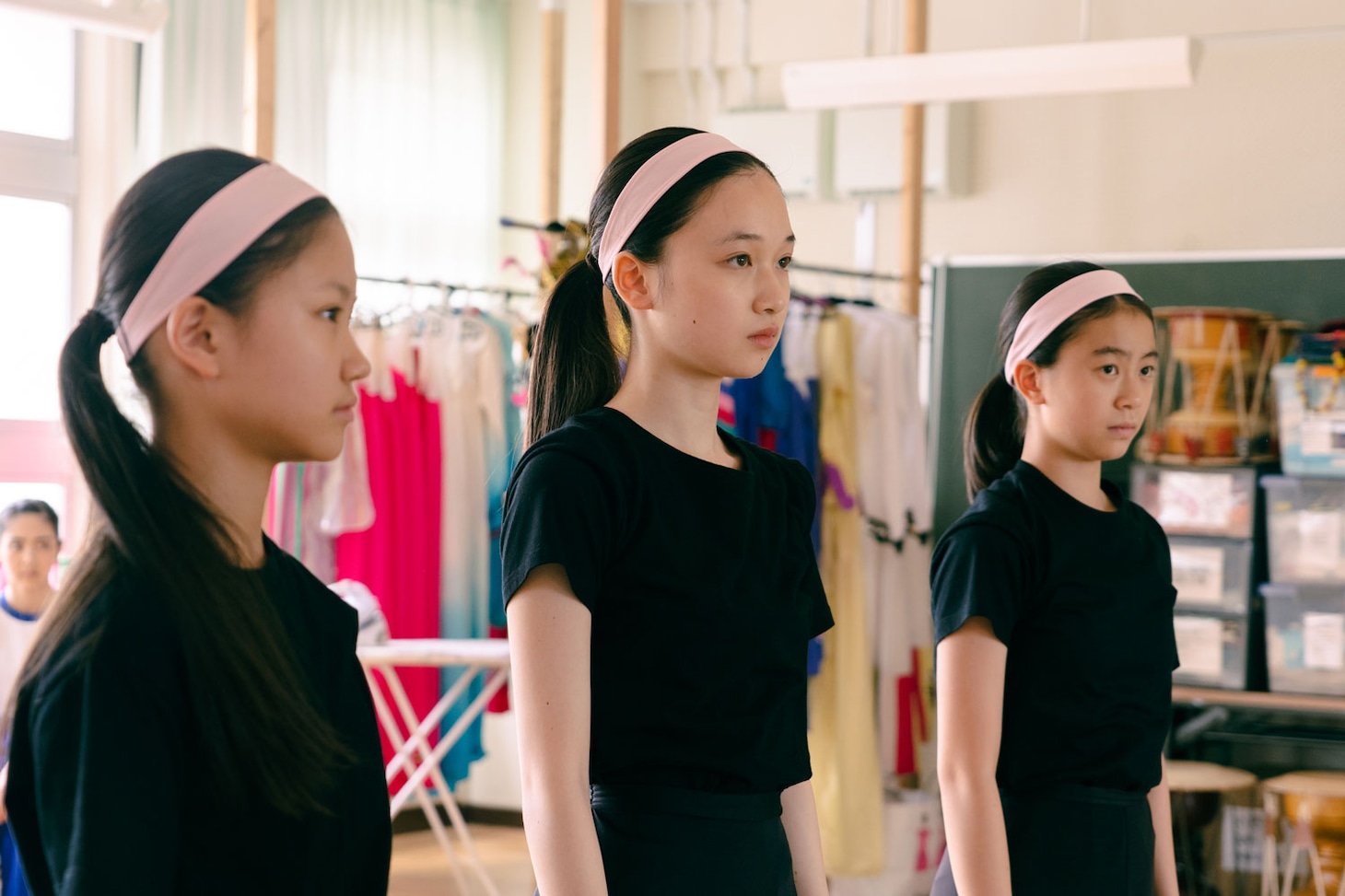
While the full cast hasn’t been officially dissected by the major trades yet, the lead actress—a newcomer with a background in experimental theater—is already the subject of intense speculation. Casting an unknown is a classic Kore-eda move, but in the hands of a debut director, it’s a high-stakes gamble. However, the few seconds of footage seen in the private industry screening (which I may or may not have had access to) suggest a performance of incredible restraint. The character doesn’t explode; she implodes. It’s the kind of internal acting that requires a director who knows exactly when to hold a close-up and when to let the actor breathe.
The supporting cast, reportedly a mix of veteran Japanese actors and actual Zainichi community members, adds a layer of authenticity that can’t be faked. There’s a rumor that a major K-drama star makes a cameo as a distant relative, but I hope that’s just noise. Trophy doesn’t need star power to sell its message; it needs the raw, unvarnished truth of its ensemble. The chemistry in the family dinner scenes—a staple of the genre—is said to be taut with unspoken tension rather than the usual bickering, which is a welcome change of pace.
“If she learned even half of Kore-eda’s framing techniques, this is going to be the prettiest film of the year. But I’m more excited to see her own ‘color’ come through.” — @uahan2 on X
The ‘TheQoo’ Effect and the Power of Community Hype
We can’t talk about Trophy without addressing the digital firestorm it has ignited. With over 27,000 views and 140+ comments on a single TheQoo post, the film is already a ‘hot’ topic before a trailer has even dropped. This level of engagement for an indie project is rare and speaks to the specific cultural moment we are in. In 2026, the audience is smarter and more demanding. They aren’t just looking for entertainment; they’re looking for representation that feels lived-in and honest. The comments section is a fascinating mix of high expectations and protective gatekeeping, with many fans hoping that Son Myung-ah doesn’t ‘sell out’ to the mainstream Japanese studio system.
This grassroots hype is a double-edged sword. On one hand, it guarantees a solid opening weekend in the independent circuit and potentially a lucrative streaming deal. On the other, the pressure to deliver a ‘masterpiece’ right out of the gate can be crushing for a first-time filmmaker. But Son seems to be handling the spotlight with the same quiet confidence she displayed on Kore-eda’s sets. She isn’t over-promoting; she’s letting the work speak for itself through these carefully curated leaks and synopses.
A Comparative Analysis: Son Myung-ah vs. The Masters
To understand where Trophy fits in the landscape of 2026 cinema, we have to look at the directors who came before. Lee Sang-il (Villain, Rage) paved the way for Zainichi directors to tackle dark, gritty themes within the Japanese mainstream. Yang Yong-hi (Dear Pyongyang) brought a deeply personal, documentary-style intimacy to the struggle. Son Myung-ah seems to be occupying a middle ground. She has the technical polish of the Japanese studio system but the soul of a Korean storyteller. Unlike the ‘Makjang’ elements that occasionally creep into K-dramas, her work feels grounded in a reality that is almost uncomfortable to watch.
The writing falters only when it edges too close to being a ‘thesis’ on identity. There are moments in the script where the dialogue feels a bit too polished, a bit too aware of its own significance. But these are minor quibbles for a debut. What elevates the film is its refusal to provide easy answers. There is no grand reconciliation at the end of Trophy. There is only the realization that some trophies are too heavy to carry, and some identities are too complex to be summed up in a single award. This intellectual honesty is what will likely make it a favorite at the upcoming festival circuit.
Final Verdict: Why You Should Care
Is Trophy worth the 2026 hype? Absolutely. Even if you aren’t particularly interested in the nuances of Zainichi identity, the film stands as a testament to the power of a well-told story. It’s a masterclass in tension and a beautiful example of how the next generation of filmmakers is taking the lessons of the past and twisting them into something entirely new. Son Myung-ah isn’t just Kore-eda’s student anymore; she’s his colleague, and in some ways, his most formidable successor.
The film is a must-watch for anyone who appreciates cinematography that tells a story and acting that respects the audience’s intelligence. It’s a bit too early for a formal rating, but if the final product matches the promise of its parts, we’re looking at a solid 9/10. Keep an eye on the late-night screenings and the indie theaters; this is the kind of film that starts as a whisper and ends as a cultural landmark. Don’t be the person who discovers it two years later on a flight—be the one who saw the potential in March 2026.
“The title ‘Trophy’ is so ominous given the plot. Is it an achievement or a curse? I haven’t been this intrigued by a synopsis in years.” — Anonymous TheQoo User
Ultimately, Trophy represents the maturation of a genre. It moves beyond the ‘why’ of identity and into the ‘how’—how we live with it, how we hide it, and how we eventually display it for the world to see. Son Myung-ah has arrived, and she’s brought a mirror with her. Whether we like what we see in it is another story entirely, but we won’t be able to look away.