




The End of the Longest Hiatus in BTS History
March 21, 2026, marks a pivotal moment in the history of global pop music. After three years and nine months of individual activities and mandatory military service, BIGHIT MUSIC has officially confirmed the return of BTS as a full seven-member group. The announcement of their new studio album, titled ARIRANG, has immediately dominated social media platforms and music discussion forums worldwide. This comeback represents more than just a musical release; it is the culmination of a multi-year strategy to maintain the group’s relevance while the members fulfilled their national duties. The industry has been watching closely to see how the ‘Kings of K-Pop’ would re-enter a landscape that has shifted significantly since their last full-group project.
The timeline of this return has been meticulously managed. Following the discharge of the final members, speculation regarding a 2026 world tour and album began to circulate among institutional investors and fans alike. BIGHIT MUSIC’s official statement earlier this week confirmed that ARIRANG is designed to be a ‘bridge between traditional Korean sentiments and the group’s global future.’ However, the release of the tracklist and early lyric previews for the lead single, ‘SWIM,’ has sparked a nuanced debate within the domestic fan community regarding the group’s current artistic direction and its intended audience.

Analyzing the ‘SWIM’ Lyrical Composition
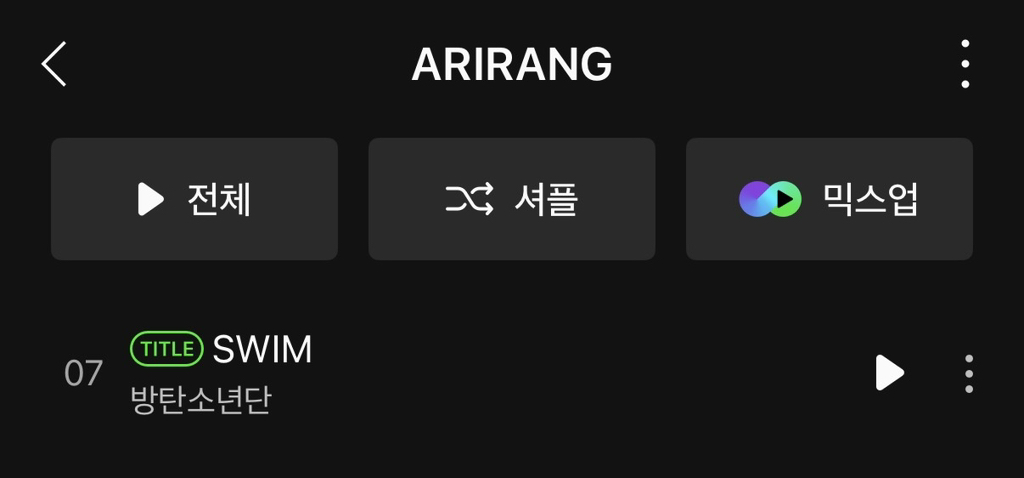
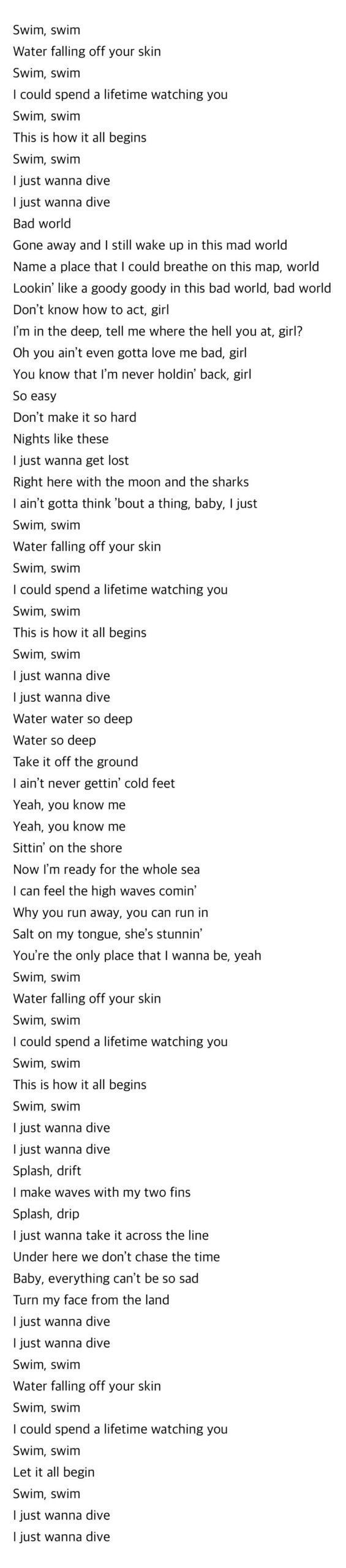
Data from domestic community platforms, specifically a viral post on Instiz that has garnered over 34,000 views within hours, highlights a growing conversation about the linguistic choices in the new title track. The lead single ‘SWIM’ appears to lean heavily into English lyrics, a move that mirrors the group’s previous record-breaking hits like ‘Dynamite’ and ‘Butter.’ While this strategy has historically secured BTS a permanent seat at the top of the Billboard Hot 100, some long-term followers are questioning the juxtaposition of a quintessentially Korean album title like ARIRANG with lyrics that seem tailored for Western radio airplay. The leaked lyric snippets suggest a sophisticated synth-pop production, yet the heavy reliance on English has become a point of contention for those hoping for a return to the more poetic Korean lyricism found in albums like The Most Beautiful Moment in Life.
“I expected more Korean for a song associated with an album titled Arirang, but SWIM appears to be 90% English. Is the goal still just the Grammys? I missed their Korean wordplay.” — Anonymous user on Instiz
From a journalistic perspective, the decision to lead with an English-heavy track is a calculated risk. HYBE’s business model in 2026 is increasingly globalized, and BTS serves as the flagship for this expansion. By utilizing English in the lead single, the agency ensures immediate accessibility for the global market, which has only grown more competitive during the group’s hiatus. The ‘Arirang’ branding, meanwhile, serves as a powerful cultural anchor, ensuring that the group’s identity remains firmly rooted in their heritage even as their sound evolves to meet international trends. This duality is likely the central theme of the 2026 campaign.
The Paradox of ARIRANG as a Global Brand
The choice of ARIRANG as the album title is a bold move that carries significant cultural weight. Arirang is often considered the unofficial national anthem of Korea, a folk song that embodies han—a uniquely Korean sentiment of sorrow and hope. By adopting this name for their 2026 return, BTS is making a definitive statement about their role as cultural ambassadors. However, the contrast between this title and the English lyrics of ‘SWIM’ creates what industry insiders are calling a ‘cultural paradox.’ The group is effectively packaging Korean identity in a globalized format. This isn’t a new phenomenon for BTS, but in 2026, the stakes are higher as they seek to prove that their brand of ‘global K-pop’ is still the industry standard.
“The beat is rumored to be insane, though. It feels like a mix of ‘Black Swan’ and ‘Butter.’ If the performance is on that level, the language won’t matter to the general public.” — K-Netizen comment on the SWIM lyric leak
The production credits for ‘SWIM’ suggest a collaboration with both long-time BIGHIT producers like Pdogg and high-profile Western songwriters. This hybrid approach has become the hallmark of the BTS sound. While the lyrics may be in English, the melodic structure often incorporates traditional Korean scales, a subtle nod to the ARIRANG theme. This sophisticated layering allows the group to satisfy multiple demographics simultaneously: the casual global listener who wants a catchy pop hook, and the dedicated fan who looks for deeper cultural signifiers. The 2026 market demands this level of versatility, especially as newer groups attempt to fill the void left during the BTS military era.
Market Sentiment and Economic Projections
Financial analysts in Seoul have already adjusted their projections for HYBE following the ARIRANG announcement. The ‘BTS effect’ is expected to contribute significantly to the South Korean music industry’s export growth in the second half of 2026. Pre-order numbers for the physical album, which reportedly includes five different versions with traditional Korean craft-inspired packaging, are expected to break all previous records. This commercial juggernaut is a reminder of the group’s unmatched economic power. Even with the internal debates about lyric choices, the sheer volume of engagement—evidenced by the tens of thousands of comments on community posts—indicates that the group’s ‘Army’ remains as mobilized as ever.
The 2026 comeback is also a test of the ‘post-military’ idol model. Historically, military service was seen as a major hurdle for boy groups, often leading to a decline in popularity. BTS, however, has used this period to build anticipation. The 3-year and 9-month wait has created a ‘scarcity value’ that BIGHIT MUSIC is now expertly exploiting. The ARIRANG project is not just a comeback; it is a re-launch of the BTS brand for the late 2020s. The shift toward English lyrics in ‘SWIM’ is a clear indicator that the group is not looking backward at their past achievements, but forward at the next frontier of global entertainment.
Fan Community Reactions and Lyrical Debates
The reaction on platforms like Instiz and TheQoo provides a snapshot of the complex emotions surrounding this release. While international fans on X (formerly Twitter) and TikTok are largely celebrating the return with hashtags like #BTSisBack, domestic fans are more focused on the artistic integrity of the work. The debate over ‘SWIM’ is reflective of a broader conversation in Korea about the ‘Westernization’ of K-pop. Some argue that for K-pop to truly be global, it must shed its linguistic barriers, while others believe that the ‘K’ in K-pop is precisely what makes it special. BTS finds themselves at the heart of this tension, acting as the primary case study for the entire genre.
“Honestly, as long as all seven of them are on stage together again, I don’t care if they sing in English, Korean, or Martian. We’ve waited nearly four years for this.” — Fan reaction on Weverse
Despite the linguistic critiques, the visual direction of ARIRANG has received universal acclaim. Concept photos leaked earlier this month show the members in modernized hanbok, standing against the backdrop of Seoul’s futuristic skyline. This visual storytelling reinforces the idea of BTS as a bridge between eras. It suggests that even if the lyrics are in English, the soul of the project remains Korean. This visual-auditory contrast is a deliberate stylistic choice that defines the 2026 iteration of the group.
The Future of K-Pop in the Post-2026 Era
As we look toward the official release date, the impact of ARIRANG is already being felt across the industry. Other major agencies are reportedly adjusting their release schedules to avoid direct competition with the BTS return. The ‘SWIM’ single is expected to debut at the top of the Global Spotify charts, further cementing the group’s status. What remains to be seen is how the full album will balance the English-heavy singles with the more experimental B-sides that fans expect from a full-length BTS project. If the past is any indication, ARIRANG will likely feature a diverse range of genres, from hip-hop to balladry, showcasing the growth the members have experienced during their time apart.
Ultimately, the return of BTS in 2026 is a milestone for the global music industry. The group has navigated the complexities of military service, the pressures of global fame, and the changing tastes of the public with remarkable grace. Whether ‘SWIM’ is in English or Korean, the significance of seven artists reuniting after nearly four years to share their message with the world cannot be understated. ARIRANG is a testament to the enduring power of the BTS brand and their ability to reinvent themselves while staying true to their core identity. SYNC SEOUL will continue to provide updates as more details regarding the tracklist and world tour schedule are released by BIGHIT MUSIC.