



The Dramaturgy of the Hotel Lobby
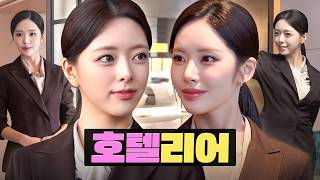
Cinematically speaking, the hotel lobby has always been a stage for high-stakes social performance. From the sweeping, nostalgic halls of the classic Hotelier to the neon-soaked, supernatural grandeur of Hotel Del Luna, the K-drama world has romanticized the hospitality industry as a place of crisp uniforms and effortless grace. However, the latest episode of the variety hit Workdol (워크돌) strips away the soft-focus filters. Featuring ITZY’s Yuna and fromis_9’s Jiwon, the episode takes us into the heart of Seoul’s legendary Walkerhill Hotel. The premise is simple but provocative: testing the industry rumor that 5-star hotels hire based purely on ‘visuals.’ As a critic who has spent years analyzing the meticulous blocking and set design of luxury drama interiors, seeing these idols navigate the actual mise-en-scène of a working hotel was nothing short of a masterclass in reality versus expectation.
Walking through those revolving doors, Yuna and Jiwon didn’t just bring their idol star power; they brought a jarring juxtaposition to the rigid, professional atmosphere of Walkerhill. While the show frames their entry with the typical variety show fanfare, the underlying narrative is much more interesting. We are watching two individuals who are used to being the center of attention—the ‘main characters’ of their own cinematic universe—suddenly pivot into the role of service providers. It’s a subversion of the ‘Chaebol heir’ trope we often see in dramas like King the Land. Instead of owning the place, they are learning the grueling mechanics of the back-of-house, proving that even the most ‘visual’ roles require a level of physical stamina that would break a less-disciplined performer.
“Jiwon’s face when she realized the ‘visual’ hiring rumor didn’t exempt her from hauling luggage was the most relatable K-drama character arc so far. She went from ‘Main Character’ to ‘I need a nap’ in record time.” — @fromis_stan_99 on X (formerly Twitter)
Deconstructing the ‘Visual’ Hiring Myth
The episode’s title explicitly leans into the controversial idea that luxury hotels prioritize aesthetics over ability. Unpopular opinion, but this isn’t just a marketing gimmick for the show; it’s a critique of the industry’s own self-image. By casting Yuna—often cited as one of the definitive ‘visuals’ of the 4th generation—the producers are leaning into the stereotype to dismantle it. Watching Yuna attempt to maintain her ‘Queen-card’ composure while grappling with the technicalities of the concierge desk was a fascinating study in performance. Her height and posture fit the ‘5-star aesthetic’ perfectly, yet the camera captures the subtle cracks in that facade as the reality of the labor sets in. It reminds me of the writing in Search: WWW, where the aesthetic of the workplace is secondary to the competence required to survive it.
Jiwon, on the other hand, brings a chaotic, ‘variety-pro’ energy that serves as the perfect foil to the hotel’s stifling formality. If Yuna is the poised lead of a melodrama, Jiwon is the comedic relief who accidentally reveals the heart of the story. Her interactions with the senior staff at Walkerhill highlighted a crucial element of hospitality that dramas often gloss over: the hierarchy. The way she navigated the professional honorifics and the sheer volume of information required for a single check-in was a testament to the hidden complexity of the job. The director’s choice to keep the cameras rolling during their small mistakes—the fumbled key cards, the slightly crooked bow—elevates this from a mere promotional clip to a genuine piece of ‘behind-the-scenes’ commentary on the service industry.
The Cinematography of Labor
What elevates this particular Workdol outing is the way it captures the physical environment of Walkerhill. The cinematography doesn’t just focus on the idols’ faces; it lingers on the vastness of the lobby, the claustrophobia of the service elevators, and the repetitive motions of the housekeeping staff. This is where the ‘drama’ actually happens. In a scripted series, a character might make a bed in a quick montage set to an upbeat OST drop. Here, we see the sweat. We see the struggle with the heavy linens. The framing of Yuna and Jiwon against the massive, cold architecture of the hotel emphasizes their vulnerability. They look small, which is a rare sight for idols who usually dominate every frame they occupy.
Reflecting on the technical achievements of the episode, the sound design deserves a mention. The sharp ‘click’ of heels on marble, the distant hum of the vacuum, and the hushed tones of the staff create a soundscape that feels lived-in and authentic. It’s a far cry from the sanitized, quiet luxury we see in dramas like The Heirs. The production value of Workdol has clearly increased recently, with the editing team moving away from over-the-top graphics to let the natural tension of the workplace drive the narrative. It’s a more mature approach to variety, one that respects the viewer’s ability to find the humor and the hardship in the mundane.
“Seeing Yuna handle the luggage cart was like watching a high-fashion version of a survival show. She’s literally a 5-star visual doing 1-star manual labor, and I couldn’t stop watching.” — Instiz User ‘HotelLover202’
Comparing the Real to the Scripted
One cannot watch this without drawing direct comparisons to the hit King the Land. In that drama, the hotel setting felt like a playground for romance. The work was merely a backdrop for Lee Jun-ho and YoonA to exchange smoldering looks. In this Workdol reality, the work is the antagonist. The ‘chemistry’ between Yuna and Jiwon isn’t romantic; it’s the camaraderie of two soldiers in the trenches of the service sector. This shift in perspective is refreshing. When Jiwon struggles to answer a guest’s question in English, it feels more dramatic than any scripted conflict because the stakes—the reputation of a real-world 5-star institution—are tangible.
The writing of this episode (in terms of the segment structure) successfully maneuvers through the ‘healing’ trend that has dominated Korean media lately. There is a strange comfort in seeing these high-profile figures struggle with the same things we do—customer service fatigue, aching feet, and the pressure to be ‘on’ at all times. It’s a masterclass in humanizing the idol image. The producers could have easily made this a 10-minute ad for Walkerhill, but by focusing on the ‘visual’ hiring myth and the subsequent reality check, they’ve created something that feels like a spiritual successor to the ‘Experience’ genre of dramas from the early 2010s.
The Final Verdict on the Hotelier Experience
The performance of both Yuna and Jiwon was surprisingly grounded. Yuna, in particular, delivers a level of sincerity that I haven’t seen in her recent stage performances. There’s a scene where she’s just standing at attention, waiting for a guest, and the exhaustion in her eyes is unmistakable. It’s a raw moment that any actor would be proud to capture. Jiwon’s ability to pivot from a joke to a sincere apology when she makes a mistake shows a level of professional maturity that bodes well for her future in variety and perhaps, eventually, scripted acting. They aren’t just ‘idols at work’; they are individuals discovering the weight of a different kind of crown.
Critics might argue that this is still a curated version of reality, and they wouldn’t be wrong. The PPL for Walkerhill is woven into every frame, and the staff are undoubtedly on their best behavior for the cameras. However, the core of the episode—the deconstruction of the ‘pretty privilege’ in the workplace—remains a valid and compelling watch. It’s a 9/10 for variety content that actually has something to say about the world it’s depicting. For fans of K-dramas who want to see the ‘behind’ of the luxury they see on screen, this is essential viewing. It’s messy, it’s tiring, and it’s beautiful in its authenticity.
“Can we please get a drama where Yuna and Jiwon play rival hotel managers who have to team up to save a failing resort? The ‘Workdol’ episode was basically a pilot for the best show never made.” — YouTube Commenter ‘DramaAddict26’
Ultimately, this episode of Workdol serves as a reminder that the ‘mise-en-scène’ of our daily lives is often more complex than what we see in the movies. Whether you’re a world-class idol or a trainee hotelier, the requirements of the job remain the same: patience, resilience, and the ability to smile even when the camera isn’t rolling. Moving forward, I hope to see more content that challenges these industry myths with the same level of wit and visual flair. If this is the future of the ‘behind’ category in drama-adjacent content, then I’m more than ready to check in for another stay.