



OMG You Guys!! The Satoori Realization is Literally Taking Over My Feed
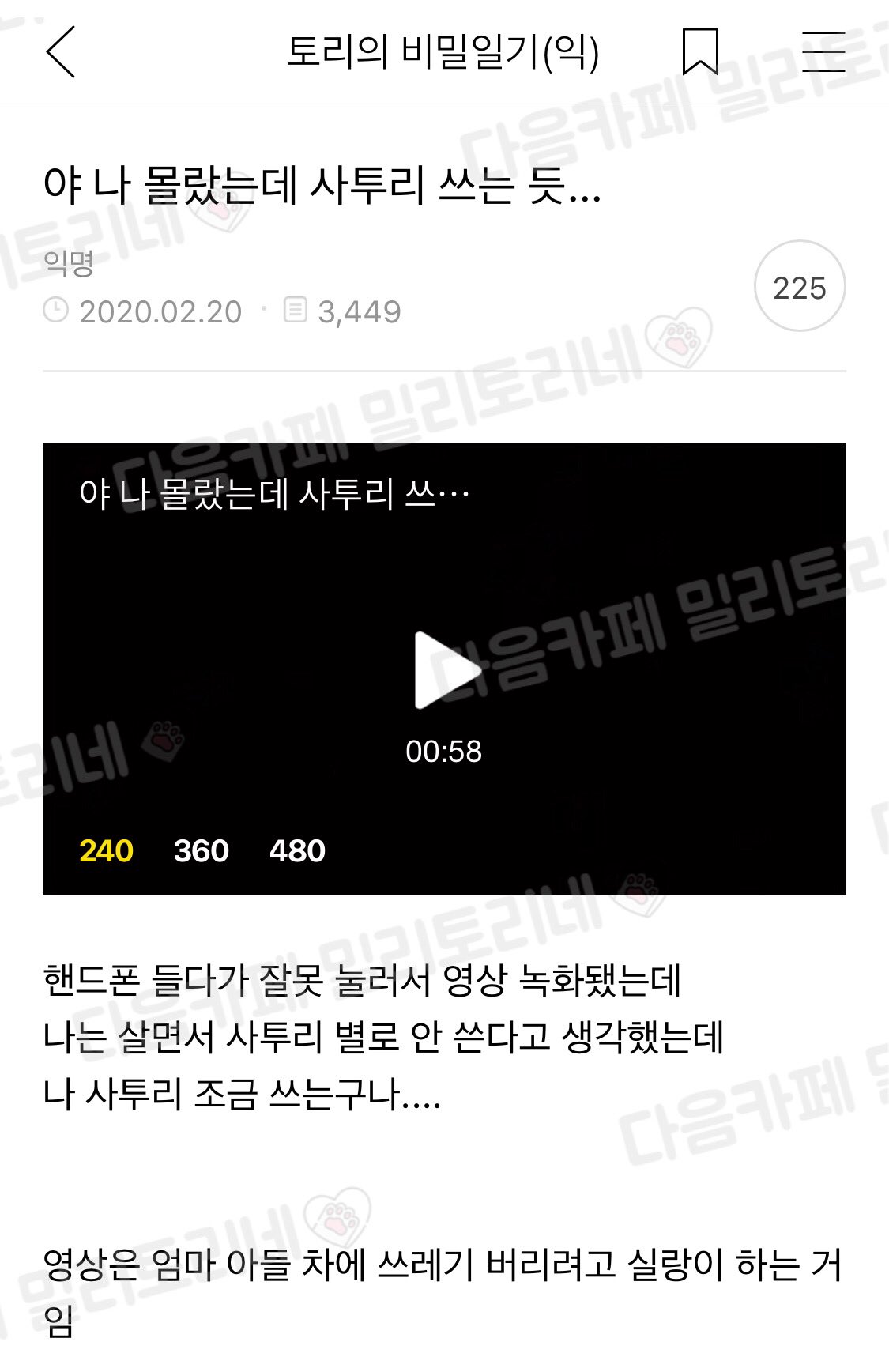
Okay, so I was doing my usual 3 AM scroll through TheQoo—because who needs sleep when there’s K-pop tea to be had, right?—and I stumbled upon a post that is honestly too relatable for its own good. It’s currently blowing up with nearly 50,000 views and hundreds of comments, and it’s all about that moment you realize your “perfect” Seoul accent is actually… not. The title was literally just “Hey, I didn’t know but I think I use a dialect…” and honestly? Same. I’ve lived in Seoul for a hot minute now, and I still get called out for my weird Gen-Z American-infused Korean, but this is a whole different level of identity crisis for the K-netz!
The post features this viral clip that’s making the rounds again, showing that even when you think you’re being super sophisticated and urban, that regional roots energy just jumps out. It’s giving very much “I moved to the big city but my heart (and my tongue) is still in Busan.” The way the original poster (OP) was so shocked by their own speech patterns is sending me. It’s like they finally heard a recording of themselves and realized they don’t sound like a K-drama lead; they sound like they’re about to sell you some fresh seafood at Jagalchi Market. And honestly? We love that for them!
Wait, Is That an Accent? The Science of the ‘Satoori Slip’
Let’s talk about why this is such a huge deal in the K-pop world. For years, idols have been trained to use ‘Pyojun-eo’ (standard Seoul dialect) because it’s seen as the professional standard for broadcasting. If you’re from Daegu, Gwangju, or Busan, you basically have to go to “accent school” alongside your dance and vocal lessons. But here’s the tea: when idols get excited, angry, or just plain tired, the satoori comes out to play. It’s like their brain’s firewall just crashes and suddenly we’re getting those spicy Gyeongsang-do tones that make fans absolutely lose their minds.
This viral thread is sparking a massive conversation about how we perceive ourselves vs. how we actually sound. A lot of people in the comments are sharing their own “Satoori Shock” moments. One user mentioned how they thought they had successfully “cleansed” their Busan accent after five years in Gangnam, only to have a taxi driver ask them within two seconds, “So, how’s the weather down south?” I am deceased! It’s that subtle intonation, that little lift at the end of a sentence, or the way certain vowels are just a bit flatter. You can’t hide it forever, besties!
“I literally practiced my Seoul accent for three years before moving for college, but the moment I got a paper cut, I screamed in full Daegu dialect. My roommate looked at me like I had grown a second head. The struggle is REAL.”
Why We’re All Low-Key Obsessed with Regional Dialects
Why do we care so much? Because satoori is freaking charming! In the world of perfectly polished idols and curated aesthetics, hearing a raw, regional accent feels like getting a glimpse behind the curtain. It’s authentic. It’s grounded. When an idol like BTS’s Jimin or V lets a bit of their hometown slip, it’s not a mistake—it’s a moment of connection. It reminds us that they had lives and families and whole identities before they became these global icons. It’s that “Gap Moe” that we always talk about; the contrast between a fierce stage presence and a cute, regional way of speaking.
I feel like lately, we’re seeing a huge shift. Instead of idols trying to hide their accents, some are actually leaning into them. We’re seeing more variety shows where satoori is the main attraction, not something to be fixed. This TheQoo post is just proof that the general public is starting to find the “standard” Seoul accent a bit… boring? Like, okay, we get it, you’re from Seoul. But tell me something in Jeolla-do dialect and suddenly I’m listening with both ears! It’s the linguistic equivalent of adding extra spice to your tteokbokki.
The ‘Busan Pride’ vs. The ‘Seoul Dream’
There’s always been this weird tension between wanting to fit into the Seoul vibe and staying true to your roots. Seoul is the hub of everything—fashion, music, entertainment—so there’s a lot of pressure to sound like you belong there. But Busan is like the cool, rebellious cousin that everyone secretly wants to hang out with. The Gyeongsang-do dialect is often described as “tough” or “manly,” which is why so many male idols from that region have this specific brand of charisma. Think about it: the way they say “Mworaka-no?” (What did you say?) hits way different than the standard “Mworago haesseoyo?”
The comments on the post are going wild with people defending their regional pride. It’s not just about the words; it’s about the culture. Each region has its own vibe. Jeolla-do is known for being soulful and expressive, while Jeju dialect is basically its own language (seriously, I need a translator for that one). When someone on TheQoo realizes they’re still using satoori, it’s like they’re realizing they haven’t lost that part of themselves yet. And honestly, in a city as fast-paced as Seoul, that’s actually kind of beautiful.
“Wait, am I the only one who thinks satoori is a massive flex? Like, you’re bilingual in your own country. I wish I had a cool accent instead of this plain Seoul water flavor speech!”
From TheQoo to TikTok: The Viral Spread of Dialect Clips
This isn’t just staying on the forums, you guys. These “Satoori Realization” clips are exploding on TikTok and Reels. People are doing challenges where they try to say a sentence in standard Korean and then fail miserably as their natural accent takes over halfway through. It’s become a huge meme. The specific video linked in the TheQoo post is just the tip of the iceberg. It’s a clip that’s been floating around for a while, but it keeps resurfacing because the relatability factor is through the roof. It’s like a digital boomerang that hits us every time we think we’ve become “too cool” for our hometowns.
I’ve seen fans making compilations of their favorite idols getting “caught” using satoori. There’s this one clip of a rookie idol trying to act all chic during a fansign, but then a fan from his hometown showed up and he immediately switched into full Gyeongsang-do mode. The views on that video? Astronomical. People love seeing that switch. It’s like a superpower that they only use when they’re around “their people.” It’s that sense of community that makes K-pop fandoms so strong in the first place.
The Charm of the ‘Satoori Gap’ in K-Pop
Let’s dive deeper into the “Satoori Gap.” This is a term fans use to describe the difference between an idol’s stage persona and their natural speaking voice. You have these idols who look like they were carved out of marble—perfectly styled, intense gaze, singing about heartbreak—and then they open their mouths and this thick, honey-like regional accent comes out. It’s the ultimate charm point! It makes them feel approachable. It makes them feel like the boy or girl next door, even if they’re wearing $5,000 outfits.
I honestly think the industry is starting to catch on. We’re seeing more lyrics incorporating regional slang, and more idols being encouraged to just… be themselves. The days of the “perfectly sanitized” idol are slowly fading, and I am here for it. This viral post is just a symptom of a larger movement where authenticity is the new gold standard. If you use satoori, flaunt it! If you realize you’ve been saying “Giga-maekhine” instead of “Danda-ni,” own that! It’s what makes you, you.
“I was watching my favorite idol’s live stream and he got so annoyed at a game that his satoori came out in full force. I’ve never been more attracted to a human being in my life. The power of the accent is real, y’all.”
How to Spot a Hidden Satoori User (Pro Tips)
So, how can you tell if someone is low-key hiding a satoori? Even if they’ve mastered the Seoul accent, there are always some tell-tale signs. First, look at the melody of their speech. Seoul Korean is relatively flat, but satoori has these rhythmic ups and downs that are hard to completely erase. Second, listen for the “ending particles.” Even if they use standard words, the way they end a sentence can give them away. And finally, check their reactions! If they get surprised or scared, the first thing that comes out of their mouth is usually 100% pure hometown dialect.
It’s like a fun little detective game for fans. We’re all out here being linguistic investigators, trying to find the “true” voice of our faves. And based on the 255+ comments on that TheQoo post, I’m definitely not the only one obsessed with this. People are sharing lists of idols who have the best satoori, and the debate is getting HEATED. Is the Busan accent superior? Or is the Daegu one more “hip”? Honestly, I can’t choose. They’re all iconic in their own way.
At the end of the day, whether it’s a viral post on a forum or a trending challenge on social media, the message is clear: satoori is cool. It’s a part of Korean heritage that’s finding a new, trendy life. So if you’re like the OP on TheQoo and you just realized you have an accent you didn’t know about—don’t panic! You’re not “unrefined,” you’re just trending. Embrace the slip-ups, the weird intonations, and the regional pride. It’s what makes the K-pop world so much more colorful.
What about you guys? Do you have a favorite idol whose satoori makes your heart skip a beat? Or have you ever had a “Satoori Shock” moment yourself? I’m literally dying to know, so drop your stories in the comments! Let’s celebrate the accents that make us unique! 🗣️✨🫶🔥