



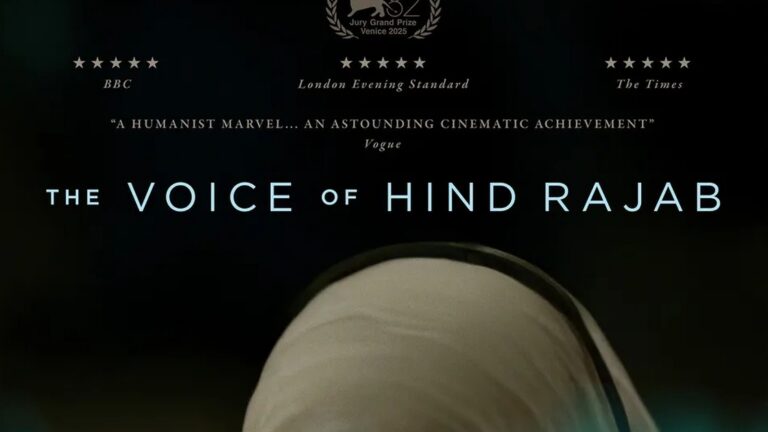
The Venice Ovation That Shook the Industry
Cinematically speaking, it is rare to witness a moment where the physical response of an audience perfectly mirrors the emotional weight of the film they have just consumed. At the most recent Venice International Film Festival, the world stood still for 22 minutes. That was the length of the standing ovation for Hind’s Voice, a film that has transitioned from a buzzy festival entry to a monumental cultural touchstone. As a critic who has sat through countless screenings, I can tell you that a 22-minute ovation isn’t just ‘polite applause’—it is a collective catharsis. The film, which recently secured the prestigious Grand Jury Prize, has finally made its way into the conversation of Korean moviegoers, largely due to the unexpected and deeply moving involvement of So Ji-sub.
What makes this reception so significant is the subject matter. We are currently living in 2026, yet the film pulls us back to the harrowing events of January 29. It centers on the true story of Hind Rajab, a five-year-old Palestinian girl trapped in a car in Gaza, surrounded by the wreckage of her family and the encroaching sounds of war. The film isn’t a traditional war movie; it is an exercise in agonizing, real-time suspense and empathy. It follows the Red Crescent volunteers as they attempt to maintain a phone connection with Hind while frantically trying to send an ambulance to her location. It is a narrative of desperation, and it is perhaps the most important film you will see this year.

“I couldn’t stop crying when the credits rolled. So Ji-sub’s voice felt like it was wrapping around that poor girl. This isn’t just a movie; it’s a witness account that we all needed to hear.” — User ‘MovieLover99’ on Theqoo
So Ji-sub: The Evolution of a Hallyu Icon
Unpopular opinion, but So Ji-sub has always been more than the ‘Gany-ji’ (cool/stylish) persona the media loves to project. While he could easily spend the rest of his career in high-budget K-dramas or action blockbusters, his choice to narrate and support Hind’s Voice reveals a profound artistic maturity. He doesn’t just provide a voiceover; he delivers a performance of restraint. In the Korean version of the film, his narration acts as the emotional bridge between the audience and the horrific reality on screen. He doesn’t overact. He doesn’t try to manipulate your tears. Instead, he uses his signature deep, resonant tone to ground the chaos, providing a sense of dignity to a story that was stripped of it in real life.
The director’s choice to cast So Ji-sub was inspired. By using one of Korea’s most recognizable voices, the film forces the local audience to pay attention to a global tragedy that might otherwise feel distant. For years, critics have wondered if So Ji-sub would return to the gritty, indie-adjacent roots of his early career. Hind’s Voice is that return, but with a global perspective. It shows a star using his massive platform to amplify a voice that was silenced too soon. This is the ‘So Ji-sub effect’ in its purest form—turning a viral online post into a national conversation about humanitarian ethics.
Technical Mastery: Sound as a Weapon
From a technical standpoint, Hind’s Voice is a masterclass in sound design. The mise-en-scène is intentionally claustrophobic, often keeping the camera tightly framed within the interior of the car or the sterile, frantic environment of the emergency dispatch center. Because we are often denied a wide view of the external world, the audio becomes our primary sensory input. We hear the static of the radio, the shallow, trembling breath of a five-year-old, and the distant, muffled thuds of artillery. The sound team deserves every award coming their way for creating an atmosphere where silence is more terrifying than noise.
The cinematography, while minimalist, is devastatingly effective. There are long takes that refuse to look away, forcing the viewer to inhabit the space with Hind. The color grading is desaturated, reflecting a world where the vibrancy has been drained by conflict. By focusing on the small details—a child’s toy on the floorboard, the reflection of fire in a window—the film achieves a level of intimacy that a standard documentary could never reach. It bridges the gap between ‘news’ and ‘art,’ making the political personal in a way that is impossible to ignore.
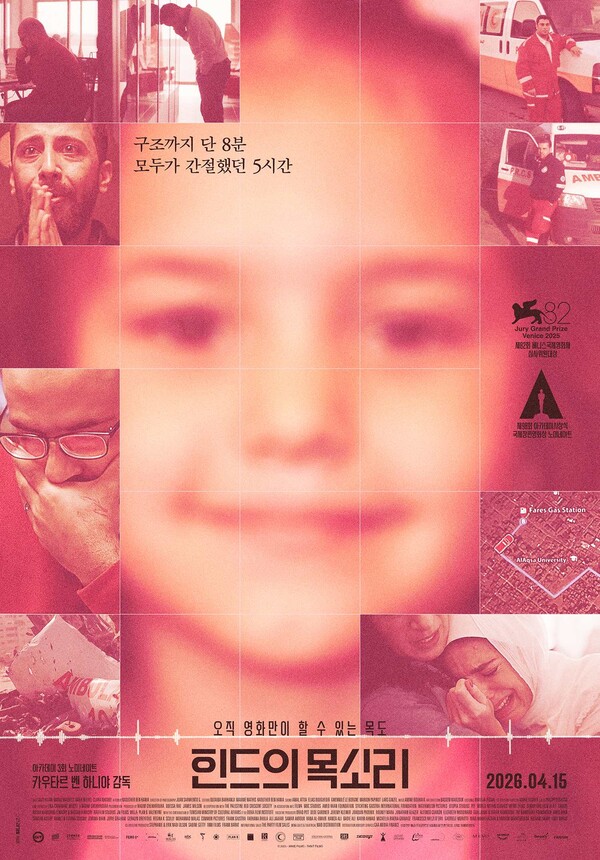
“22 minutes of ovation? That’s insane even for Venice. But after seeing the trailer and hearing So Ji-sub’s narration, I get it. It’s the kind of silence that stays with you long after the lights come up.” — User ‘CinemaBuff_Seoul’
The Ethics of Representation and the ‘Theqoo’ Reaction
Whenever a filmmaker tackles a real-world tragedy, the question of ethics arises. Is this ‘trauma porn,’ or is it ‘artistic witness’? Hind’s Voice leans heavily into the latter. It avoids the gratuitous violence often seen in war cinema, focusing instead on the psychological and emotional toll of the wait. The writing falters slightly when it attempts to provide broader political context through exposition dumps in the middle act, but it quickly recovers when it returns to the central phone call. The dialogue between the volunteer and Hind is heartbreakingly simple, which only highlights the absurdity of the situation.
The reaction on platforms like Theqoo has been overwhelming. With over 9,000 views and a flurry of emotional comments, it’s clear that the Korean public is moved by more than just the celebrity attachment. Netizens are discussing the actual events of January 29 with a level of detail that shows the film is doing its job: educating through empathy. Many are calling for So Ji-sub to continue taking on these ‘meaningful’ projects, suggesting that his involvement has ‘purified’ their view of the industry which is often obsessed with mindless escapism.
“So Ji-sub choosing this project instead of a big-budget rom-com says everything about his character as an artist. I’ll be watching this as soon as it hits theaters here. We owe it to Hind to listen.” — User ‘K-DramaAddict’
A Final Verdict: Why You Must Watch
What elevates this film above its peers is its refusal to offer easy answers or a comfortable ending. It honors the reality of Hind Rajab’s story, which ended in tragedy when both she and the ambulance crew sent to save her were found dead twelve days later. By keeping the focus on the timeline, the film serves as a time capsule of a specific failure of humanity. It is a difficult watch, yes, but it is a necessary one. It challenges the viewer to consider their own role as a witness in a digital age where we see everything but often feel nothing.
Final Verdict: 9.5/10. Hind’s Voice is a triumph of humanitarian storytelling and a career-defining moment for So Ji-sub. It is for anyone who believes that cinema should do more than just entertain—it should provoke, haunt, and ultimately, change us. If you can handle the emotional weight, this is the definitive cinematic experience of 2026 so far. Watch it for the craftsmanship, but stay for the message. We are all, in some way, responsible for the voices we choose to hear and the ones we allow to be silenced.
Writing: ⭐⭐⭐⭐☆
Direction: ⭐⭐⭐⭐⭐
Acting/Narration: ⭐⭐⭐⭐⭐
Production: ⭐⭐⭐⭐⭐
Overall: 9.5/10
The film is expected to have a limited theatrical run before moving to major streaming platforms. Given the buzz, expect tickets to sell out fast. This is the kind of movie that reminds us why we go to the cinema in the first place: to be reminded of our shared humanity, however painful that reminder may be.