


The 3 AM Discovery That Literally Broke My Brain
OMG you guys!! 😱 It’s currently 1:18 AM here in Seoul, and I should probably be sleeping because my skin needs that beauty rest, but I was doing my usual late-night scroll through Instiz and I stumbled upon a post that has me absolutely fuming. Like, I’m actually shaking while typing this. The post is blowing up right now—over 1,500 views in no time—and it’s tackling something that has been low-key bothering me for years. We’re talking about the ‘English-ification’ of our beloved Korean food names. Someone on Instiz basically called out the fact that we keep changing our unique, beautiful food names into these generic English descriptions that don’t even make sense, and honestly? The vibes are just wrong. Why are we doing this to ourselves today?
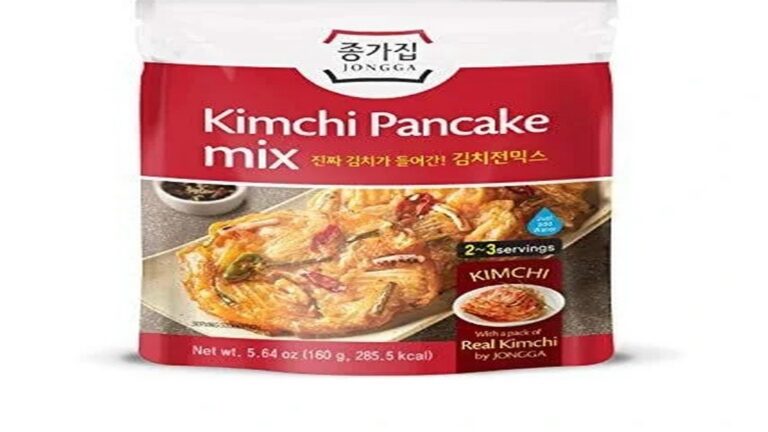
So, here’s the tea: the post was titled something like ‘I don’t understand why we keep changing proper nouns to English names,’ and it featured a screenshot that pointed out how Kimchijeon is always labeled as ‘Kimchi Pancake’ and Makgeolli is called ‘Korean Rice Wine.’ I read that and I was like, wait a minute. Why are we doing that? We don’t call Pizza ‘Italian Tomato Flatbread,’ right? We don’t call Sushi ‘Japanese Raw Fish Vinegar Rice.’ So why is Kimchijeon getting this weird, watered-down treatment? It’s giving very much ‘trying too hard to fit in’ energy, and I think we’re way past that stage of the Hallyu wave. We’re in a new era, people! K-culture is the main character globally. We don’t need to translate our soul anymore.

The comments on the original post were a total mood. One user wrote, ‘Just call it Kimchijeon. Even if the pronunciation is hard for foreigners, it’s our food and it’s a proper noun. I wish we’d just sell it and introduce it as it is.’ And another one was like, ‘Makgeolli is Makgeolli. Calling it Korean Rice Wine is so outdated.’ I felt that in my soul. It’s like we’re so worried about being ‘accessible’ that we’re accidentally erasing the very thing that makes the food special. If someone can learn to say ‘croissant’ with a French accent, they can definitely learn to say ‘Kimchijeon’ without us having to compare it to a breakfast flapjack that it literally tastes nothing like.
Why ‘Kimchi Pancake’ is Actually a Crime Against Taste
Let’s get real for a second. Have you ever actually eaten a pancake? Like a real, fluffy, maple-syrup-drenched American pancake? Now, have you eaten a Kimchijeon? They are NOT cousins. They aren’t even in the same social circle! A pancake is sweet, cakey, and usually a breakfast vibe. A Kimchijeon is savory, crispy, oily (in the best way), and meant to be eaten with a cold drink on a rainy day. Calling it a ‘pancake’ sets up this weird expectation for people who have never tried it before. Imagine someone expecting a fluffy texture and getting a crispy, fermented cabbage masterpiece. They might like it, but the name ‘pancake’ didn’t help them understand what they were eating—it just confused the brand identity.
I remember being in a trendy spot in NYC recently and seeing ‘Korean Savory Veggie Crepe’ on the menu. I literally had to ask the server what it was, and they were like, ‘Oh, it’s Pajeon.’ I was deceased. 💀 Like, why are we using three extra words to describe something that already has a name? It’s this weird linguistic colonization that we’re doing to ourselves. We’re basically saying that our language isn’t ‘good enough’ or ‘clear enough’ for the global market, which is total cap. Look at how many people know what ‘Bulgogi’ is now. They didn’t need it to be called ‘Korean Soy Marinated Beef Strips.’ They just learned the word because the food was fire.
And don’t even get me started on the ‘Jeon’ variety. If we call Kimchijeon a pancake, what do we call Haemul Pajeon? A seafood green onion pancake? It’s getting wordy, it’s getting messy, and it’s losing the ‘cool’ factor. When things have their own specific names, they feel more premium and authentic. When you genericize them, they feel like a cheap imitation of something else. Young Koreans are starting to realize this, and I am here for the reclamation! We want our menus to reflect our culture, not some weird AI-translated version of it that feels like it was written years ago.
The Makgeolli vs. Rice Wine Debate is Getting Heated
This one is a huge pet peeve of mine. Makgeolli. It’s bubbly, it’s milky, it’s slightly sweet, and it’s iconic. But for some reason, we keep insisting on calling it ‘Korean Rice Wine’ on every single export label. Why? Sake is called Sake. Champagne is called Champagne. We don’t call Champagne ‘French Fizzy Grape Juice,’ do we? No, because that would be a literal insult to the region. Makgeolli has such a specific brewing process and a totally different vibe from what most Westerners think of when they hear ‘wine.’ When you say ‘wine,’ people think of clear, grape-based liquids in a stemmed glass. Makgeolli is traditionally served in a brass bowl and has sediment! It’s an experience!
I saw this TikTok recently where a creator was trying ‘Korean Rice Wine’ for the first time and they were so confused why it was ‘cloudy.’ They thought it had gone bad! If it had been labeled ‘Makgeolli’ with a little description of what that is, they would have known the cloudiness is the best part. By trying to translate it into a category it doesn’t fit into, we’re actually making it harder for people to appreciate it. The Instiz post was so right about this—we’re basically ‘re-naming’ our kids just so the neighbors can pronounce it easier. It’s not it, fam.
“It’s honestly frustrating. Makgeolli is its own category. Calling it rice wine is like calling a burger a ‘meat sandwich.’ It technically describes it but it loses all the cultural context and the vibe that makes you want to buy it in the first place.” – Instiz User @K-Foodie
The community is really starting to push back on this. I’ve noticed that the newer, ‘hip’ Makgeolli brands in Seoul—the ones with the aesthetic labels and the craft vibes—are strictly using the word ‘Makgeolli’ on their packaging. They’re leaning into the heritage. They know that Gen-Z and Gen-Alpha consumers around the world actually crave authenticity. They don’t want the ‘translated’ version; they want the real deal. They want to say the words, they want to learn the history, and they want to feel like they’re part of a global culture. We need to stop gatekeeping our own language by hiding it behind generic English terms.
It’s Not Just Food, It’s an Identity Crisis
This whole conversation really hits deep because it’s about how Korea sees itself on the world stage. For a long time, there was this ‘cultural cringe’ where we felt like we had to make everything easy for Westerners. We were so grateful for the attention that we didn’t want to ‘burden’ them with our difficult-to-pronounce words. But it’s the present day! We have the biggest boy groups in the world, our dramas are winning every award, and everyone is trying to do the ‘glass skin’ routine. We have the leverage now! We don’t need to apologize for our language anymore.
When we change Kimchijeon to ‘Kimchi Pancake,’ we’re subconsciously saying that our culture is a sub-category of Western culture. We’re saying ‘it’s like your thing, but with kimchi.’ But it’s not like their thing! It’s its own thing. This movement to reclaim names is all about self-respect. It’s about saying, ‘This is Kimchijeon. It’s delicious, it’s unique, and if you want to eat it, you can learn the name.’ It’s the same energy as idols keeping their Korean names instead of picking ‘English stage names.’ It’s powerful, and it’s necessary for the long-term health of our brand as a country.
Think about ‘Kimbap.’ For years, people called it ‘Korean Sushi.’ But guess what? Kimbap and Sushi have totally different flavor profiles! Sushi is about the vinegared rice and raw fish; Kimbap is about the sesame oil and the variety of cooked fillings. They aren’t the same. And finally, in the last couple of years, I’ve seen ‘Kimbap’ appearing on menus in London, Paris, and LA without the ‘sushi’ comparison. And you know what? It’s selling out! People are obsessed with it as Kimbap. That proves that the ‘translation’ was never actually necessary. It was just a safety blanket we didn’t need.
How Global Fans are Actually Helping (Surprise!)
Here’s the plot twist: I actually think international fans are more ready for this than some of the older Korean marketing execs are. Thanks to K-Pop and K-Dramas, fans are already used to hearing words like ‘Hyung,’ ‘Noona,’ ‘Daebak,’ and ‘Aigoo.’ They want to use the real words. On TikTok, the #Kimchijeon hashtag has millions of views, while #KimchiPancake is mostly just confused people or older recipes. The younger generation of global foodies wants to be ‘in the know.’ They want to show off that they know the difference between Jeon and a pancake.
I’ve seen so many ‘What I eat in a day in Seoul’ vlogs where the creators are very careful to use the correct terminology. They’ll correct themselves on camera like, ‘Oh, I’m having Makgeolli—it’s often called rice wine but it’s actually its own thing.’ That is so slay! It shows that the global audience has a much higher ‘cultural IQ’ than we give them credit for. If they can learn the complicated lore of a 12-member boy group with multiple sub-units and a time-traveling concept, they can definitely handle the word ‘Tteokbokki’ without us calling it ‘Spicy Rice Cakes.’
“I actually find it more confusing when they use English names. I went to a ‘Korean BBQ’ place and they had ‘Stir-fried Glass Noodles’ on the menu. I spent five minutes trying to figure out what that was before I realized it was just Japchae. Just call it Japchae! It’s such a pretty word!” – Global Fan Comment on YouTube
This is why the Instiz post is so relevant right now. It’s a wake-up call for Korean businesses and the government’s food promotion wings. We need to trust the world more. We need to stop ‘babying’ the international audience. They are ready for the authentic experience, and honestly, they might even find the English translations a bit ‘cringe’ and outdated. It’s time to update the menus, update the labels, and let our food speak its own language.
The New Standard: The ‘Ratatouille’ Rule
I have this theory I call the ‘Ratatouille Rule.’ Everyone knows what Ratatouille is, right? It’s a French vegetable stew. It’s a hard word to spell and not the easiest to pronounce if you don’t speak French. But did the French call it ‘Vegetable Mush’? No! They called it Ratatouille, they made a whole movie about it, and now it’s a global icon. The same goes for ‘Croissant,’ ‘Paella,’ ‘Pho,’ and ‘Taco.’ None of these are English words. None of them were ‘translated’ to make them easier for Americans or Brits to eat. They stayed true to their roots, and that’s exactly why they are respected.
We need to apply the Ratatouille Rule to everything. Kimchijeon. Bibimbap. Sundubu-jjigae. (Okay, maybe ‘Soft Tofu Stew’ isn’t the worst translation, but ‘Sundubu’ is still cooler). If we start treating our food names as proper nouns that are non-negotiable, the rest of the world will follow suit. It starts with us! Next time you’re with your international friends, don’t say ‘Do you want to grab some Korean rice wine?’ Say ‘Let’s go get some Makgeolli!’ It sounds better, it feels better, and it’s the truth.
I’m seeing this change happen in real-time in the current Seoul food scene. There are these new ‘K-Pubs’ in Seongsu-dong that are so unapologetically Korean. Their menus are 100% in Hangeul with small English romanizations underneath—not translations, just the sounds of the words. And guess what? Those are the places with the longest lines of tourists! They want the ‘real’ Seoul. They don’t want the version that’s been filtered through an old-fashioned English-Korean dictionary. It’s a whole new era of food pride.
What We Need to Do Next (aka The Vibe Check)
So, what’s the move? Honestly, I think we need a collective vibe check. If you’re a business owner, update your menus. If you’re a content creator, use the real names in your captions. And if you’re just a fan of K-food like me, keep being loud about this! The Instiz post was just the tip of the iceberg. There’s a whole movement of young Koreans who are tired of the ‘Kimchi Pancake’ era. We’re ready for the ‘Kimchijeon’ era, and it’s going to be so much more delicious.
And honestly? It’s also about protecting our intellectual property. When we call something ‘Korean Rice Wine,’ it’s easy for other countries to make their own version and call it the same thing. But if we protect the name ‘Makgeolli’ as a specific Korean product with specific standards, it becomes much harder to copy. It’s about more than just a name—it’s about protecting our heritage in a globalized world where everyone is trying to ‘borrow’ a piece of the K-wave.
I’m so glad people are finally talking about this on communities like Instiz and TheQoo. It shows that we’re maturing as a culture. We’re moving from ‘please like us’ to ‘this is who we are.’ And that is the ultimate slay. I’m going to go try to get some sleep now, but I’m definitely dreaming of a world where ‘Kimchi Pancake’ is a term found only in history books. Let’s make it happen, y’all! 🇰🇷✨
What do you guys think? Does ‘Kimchi Pancake’ bother you as much as it bothers me, or am I just being extra? (I mean, I am extra, but still!) Should we keep the translations for people who are totally new to K-food, or should we just go full Hangeul? Drop your thoughts in the comments! 👇💄