


The Digital Battlefield: Why Your Favorite Cafe Is Crying
So… my little birds have been BUSY today, and honestly, the tea is absolutely SCALDING. If you think the K-entertainment world is the only place with high-stakes drama, you haven’t been paying attention to the Seongsu-dong or Hannam-dong dining scenes lately. We aren’t just talking about a cold soup or a grumpy waiter anymore. We are talking about full-scale, coordinated ‘Review Terrorism’ that is leaving some of Seoul’s most beloved local business owners in literal tears. It is 2026, and apparently, the new way to settle a grudge or get a free meal is to burn a business to the digital ground with a single star and a nasty comment. Allegedly, this isn’t just a few grumpy customers; it is a systemic issue that is currently blowing up on community boards like Instiz and TheQoo as we speak.
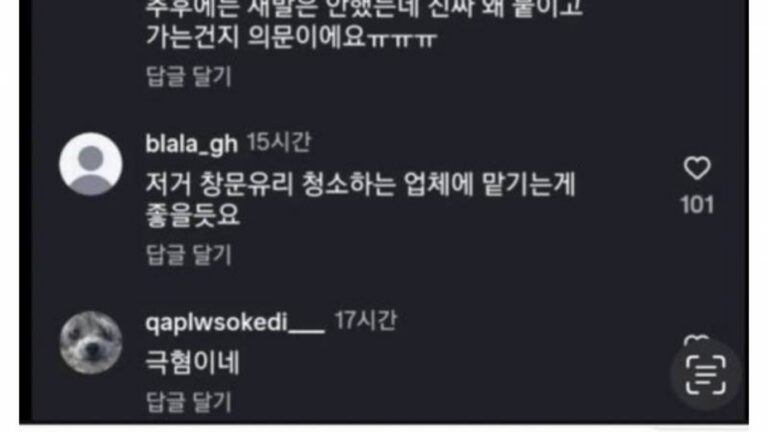
Just this morning, March 15, a post titled ‘The Terrorism Currently Being Endured by Small Business Owners’ started circulating, racking up thousands of views in mere hours. The post detailed a series of screenshots that would make any sane person’s blood boil. We are seeing customers demanding ‘service’ (freebies) in exchange for not leaving a one-star review, or even worse, groups of people who have never even stepped foot in the establishment leaving malicious comments just because they didn’t like the ‘vibe’ of the owner’s social media. It’s a level of digital pettiness that feels uniquely 2026, where a Naver Map rating can literally make or break a person’s livelihood overnight. I’ve heard whispers that some of these ‘review hits’ are even being organized in secret KakaoTalk open chats. Can you imagine? Spending your Friday night planning the downfall of a kimbap shop? The level of unemployment energy is truly off the charts.

The Anatomy of a ‘Review Hit’
Let’s break down how this actually works, because it’s more strategic than you might think. According to my sources within the industry, these ‘Review Terrorists’ often operate with a specific playbook. It usually starts with a minor inconvenience—maybe the delivery was five minutes late, or the garnish was slightly wilted. Instead of calling the shop, the customer goes straight for the jugular. They post a one-star review with a photo that is often staged to look worse than the reality. Some owners have reported finding hair in their food that doesn’t match anyone on staff, or claims of ‘food poisoning’ without a single medical receipt to back it up. If true, this is a level of sabotage that borders on criminal. But because the platforms prioritize ‘consumer protection,’ the owners are often left defenseless, forced to beg for the review to be taken down.
What’s even more chilling is the ‘extortion’ aspect. I’ve seen reports of customers messaging owners privately saying, ‘I’ll delete my 1-star review if you send me a coupon for a free meal.’ This isn’t just a bad review; it’s a digital ransom. In the high-pressure environment of Seoul’s 2026 economy, where inflation has already squeezed margins to the breaking point, these tactics are pushing people over the edge. I recently heard a story about a young entrepreneur in Mapo who had to close her bakery after a coordinated attack from a rival shop’s ‘fanbase’—if you can even call them that. They flooded her page with comments about ‘ghost sightings’ and ‘bad smells,’ none of which were true, but the damage was done. The algorithm doesn’t care about the truth; it only cares about the numbers.
“I saw the Instiz post and my heart broke. My parents run a small galbi shop and they stay up until 2 AM replying to reviews just so their rating doesn’t drop. People are so cruel for no reason.” – Anonymous Netizen on TheQoo
The ‘Black Consumer’ Evolution
The term ‘Black Consumer’ has been around for a while in Korea, but in 2026, the species has evolved into something far more dangerous. We are seeing the rise of the ‘Review-Gapjil’—where the power dynamic between the customer and the business owner is completely weaponized. Some of these customers act like they are A-list celebrities or top-tier food critics, demanding special treatment just because they have a few thousand followers on Instagram. If the owner doesn’t bow down, the ‘Review Terror’ begins. It’s a toxic culture of entitlement that has permeated the digital space, and frankly, I’m over it. Why are we giving so much power to people whose only qualification is owning a smartphone?
One particularly nasty trend involves ‘Review Farms.’ Allegedly, there are companies you can hire to either boost your own ratings or—more nefariously—tank your competitor’s. My little birds tell me that for a few hundred thousand won, you can buy a package of fifty 1-star reviews, complete with realistic-looking photos and complaints. This isn’t just gossip; it’s a shadow industry that is thriving in the dark corners of the web. Owners are now having to hire their own ‘digital cleaners’ to combat this, creating a never-ending cycle of fake information. It makes you wonder if you can even trust a 4.9 rating anymore. Is it real, or is it just a very expensive PR campaign?
How Owners are Fighting Back (The Counter-Attack)
But wait, the plot thickens! The owners aren’t just sitting ducks anymore. A new movement is rising among the self-employed community in Seoul. They are starting to share ‘Blacklists’ of problematic phone numbers and delivery addresses. While this occupies a bit of a legal gray area, many feel they have no choice. There are rumors of a private app used by restaurant owners where they can flag ‘Review Terrorists’ in real-time. If you’ve been a nightmare customer at three different places in Gangnam, don’t be surprised if your next order suddenly gets ‘canceled due to technical difficulties.’ It’s a digital ‘eye for an eye,’ and honestly? I kind of live for the drama of it.
Beyond secret apps, some owners are taking the legal route. With the help of new 2026 legislation regarding digital defamation, more and more ‘Black Consumers’ are finding themselves in court. I heard of one case where a woman had to pay 10 million won in damages after it was proven she faked a photo of a cockroach in her pasta. The owner had CCTV footage of her pulling the bug out of her own pocket! The audacity! These stories are starting to circulate, serving as a warning to anyone who thinks they can hide behind an anonymous username. The digital footprint is real, and it’s deeper than you think. If you’re going to be a villain, at least be smart enough not to get caught on 4K security footage.
“Finally, some justice! I’m tired of these ‘Review-Gapjillers’ thinking they can ruin someone’s life over a side of pickled radish. Sue them all!” – Commenter on Nate Pann
The Community Pulse: A Divided Front
As with everything in Korea, the public opinion is split right down the middle. On one side, you have the ‘Customer is King’ traditionalists who believe that any criticism is valid and that owners should just ‘work harder’ to satisfy everyone. On the other side, you have the younger generation who sees this for what it is: bullying. The comments on the viral Instiz post show a massive wave of support for the owners, with many calling for stricter verification processes on review platforms. Why should someone be allowed to leave a review if they didn’t actually spend money? Platforms like Baemin and Naver are under intense pressure to implement ‘Receipt-Only’ reviews, but even those can be faked if someone is dedicated enough to their villain arc.
There’s also a growing sentiment of ‘Review Fatigue.’ People are getting tired of the constant negativity and the feeling that every online space is a toxic wasteland. Some of the most popular influencers are starting to push for ‘Positive Review Campaigns,’ where they encourage their followers to leave five-star reviews for their favorite local spots just to counteract the ‘terrorists.’ It’s a nice sentiment, but will it be enough to save the small mom-and-pop shops that don’t have an influencer’s backing? That’s the real question. The gap between the ‘viral’ spots and the ‘neighborhood’ spots is only getting wider.
“I’ve stopped looking at 1-star reviews entirely. You can usually tell within two sentences if the person is just having a bad day and taking it out on the chef. I’d rather trust my own taste buds than some bitter stranger on the internet.” – Food Blogger ‘SeoulEats2026’
Sua’s Scalding Hot Take
Now, for my personal opinion—and you know I always have one. I think this ‘Review Terror’ trend is a symptom of a much larger social sickness. People feel powerless in their real lives, so they take it out on the one person who is legally obligated to be nice to them: the service worker. It’s cowardly, it’s cheap, and quite frankly, it’s embarrassing. If you have a legitimate complaint, talk to the manager like a grown-up. Don’t go crying to the internet because your latte didn’t have enough foam. We are better than this, Seoul! Or at least, I thought we were. 🍵
I’m also keeping a very close eye on the platforms themselves. They are making millions while these small business owners are losing their life savings, yet their response to ‘Review Terrorism’ has been lukewarm at best. They claim to ‘monitor’ the situation, but we all know that negative engagement is still engagement. It keeps people on the app. If the platforms don’t step up and create a fair system, we might see a mass exodus of businesses from these digital maps altogether. Imagine a world where you have to find a restaurant by—gasp—walking down the street and looking at a menu? Horrifying, I know.
Stay tuned, because I’m hearing that a major exposé is about to drop regarding one of the biggest ‘Review Farms’ in the country, and some very ‘respectable’ names might be involved. My birds are currently gathering the receipts, and you know I’ll be the first to spill when the time is right. Until then, be kind to your local barista—unless you want to end up on a secret blacklist. Trust me, you don’t want to be the reason I have to write another one of these articles. The tea is always brewing, and I’m always watching. 👀
What do you think? Is the ‘Review Terror’ real, or are owners just becoming too sensitive? Have you ever witnessed a ‘Review-Gapjil’ in the wild? Sound off in the comments, but keep it classy. We don’t want any 1-star reviews for SYNC SEOUL, now do we?
Stay thirsty for the truth, my little birds.
—
*This article contains unconfirmed reports and should be treated as rumor until officially confirmed. SYNC SEOUL does not make claims about the personal lives of celebrities or private individuals beyond what is reported by credible sources.*