


The “Shanghai” Mystery: How It Took Over My Feed
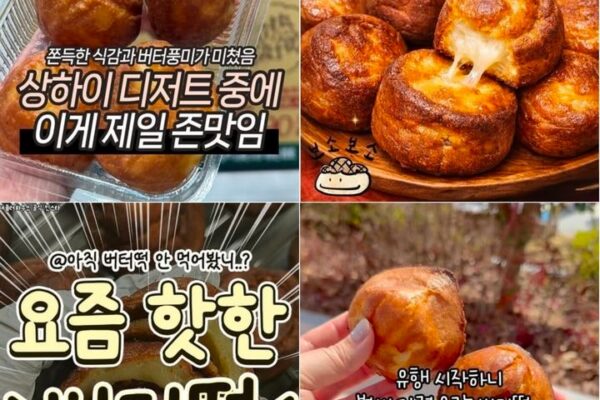
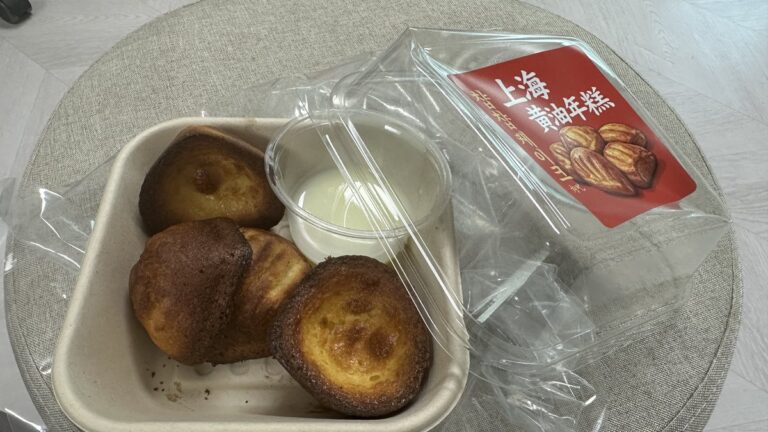
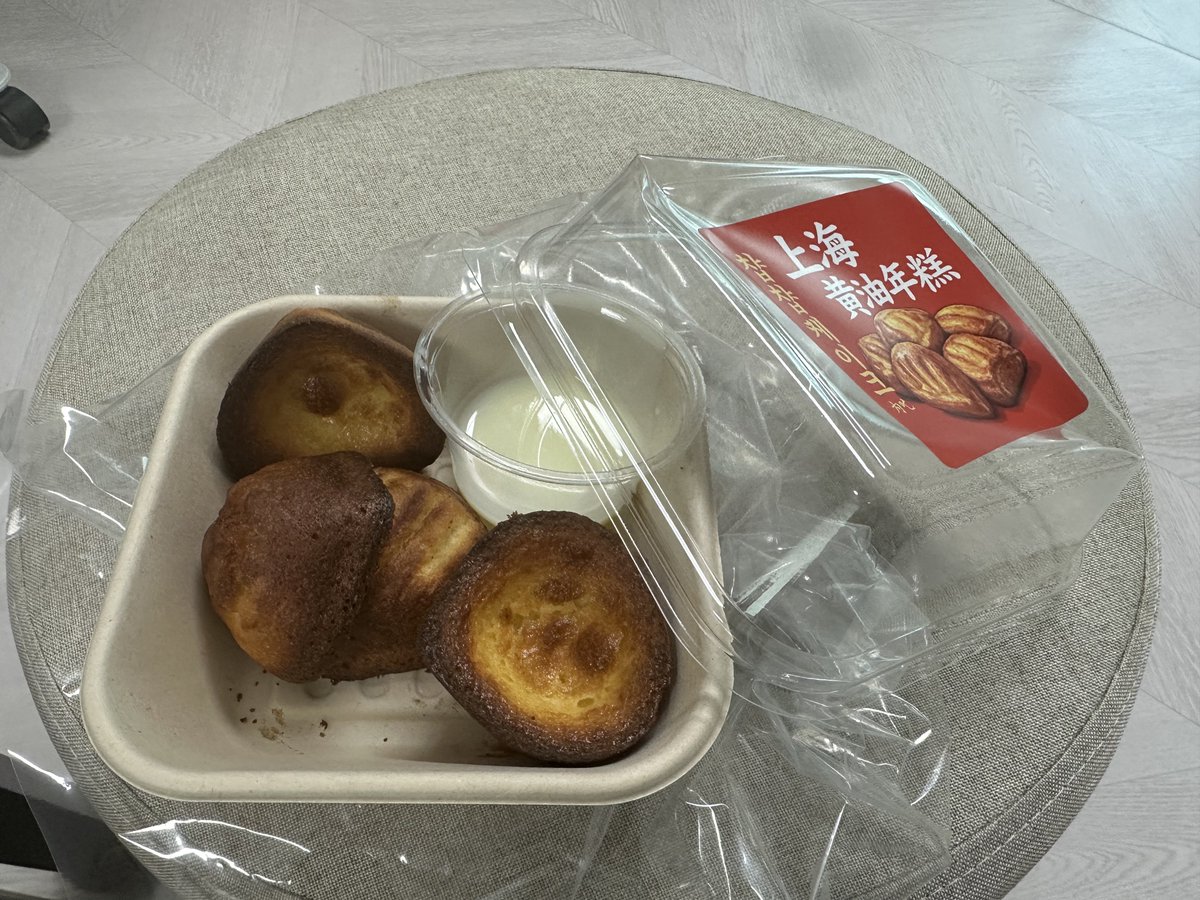
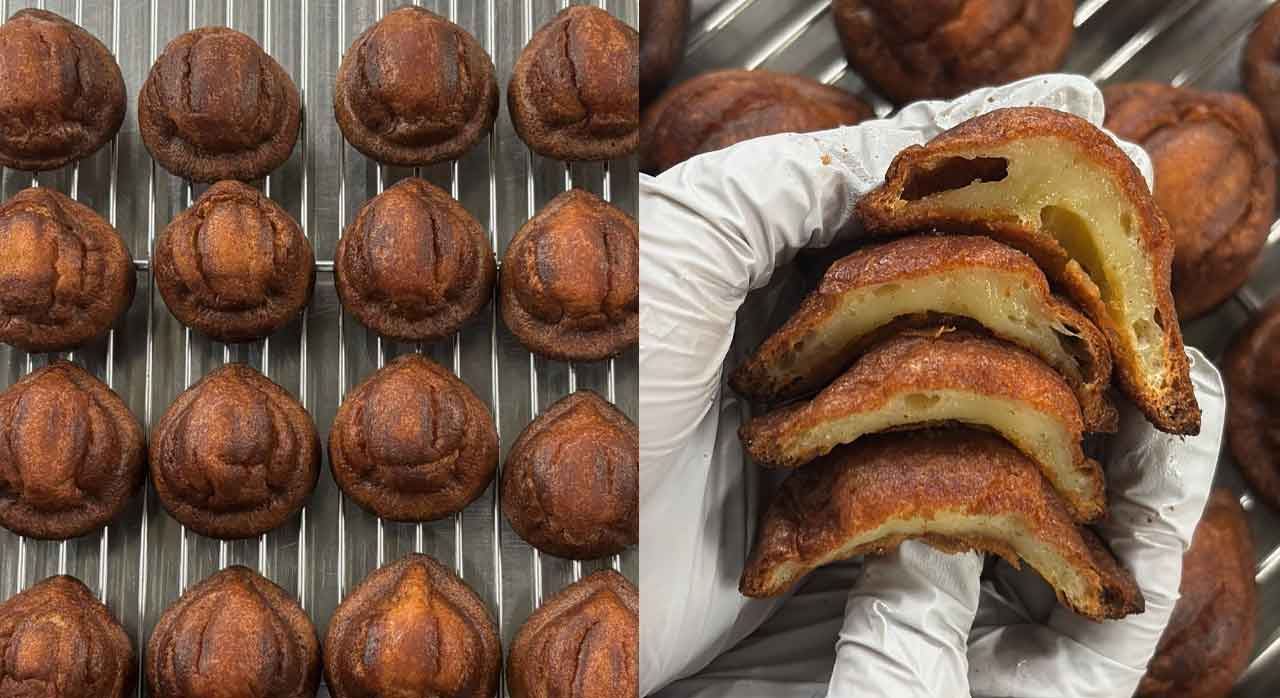
Okay, real talk—if you’ve spent more than five minutes scrolling through Instagram or TikTok in the last month, you’ve probably seen it. That golden-brown, slightly glistening, impossibly chewy-looking square of goodness known as ‘Shanghai Butter Tteok.’ It’s currently the ‘it-girl’ of the Seoul cafe scene, popping up in Seongsu-dong pop-ups and viral Reels faster than we can keep up with. I first spotted it about three weeks ago when a friend sent me a clip of someone pulling apart a piece that looked like a cross between a brownie and a traditional Korean rice cake. My first thought? ‘I need that in my mouth immediately.’ But my second thought, as someone who spends way too much time researching food origins, was: ‘Wait, is this actually from Shanghai?’
Walking through the streets of Seoul right now, specifically around the trendy alleys of Hannam-dong, you’ll see signs for ‘Shanghai Butter Mochi’ or ‘Shanghai Tteok’ everywhere. It’s being marketed as this exotic, trendy discovery from the streets of China that has finally landed on our shores. The marketing is working—people are lining up for 40 minutes just to get a warm box of these buttery squares. There’s something about that name, ‘Shanghai,’ that gives it a certain cosmopolitan flair in 2026. It feels like a ‘forced trend’ in some ways, where a specific name is attached to a product to make it feel more ‘now.’ But if you dig just a little bit below the surface, the story gets a lot more interesting—and a lot more tropical.
“I saw this all over my feed and thought it was some secret recipe from a Shanghai night market. Then I showed it to my cousin who lives in Hawaii and she just laughed. Apparently, she’s been eating this at potlucks since she was five? The marketing in Korea is on another level!” — @SeoulFoodie_99
Aloha, Butter Mochi: The True Hawaiian Roots
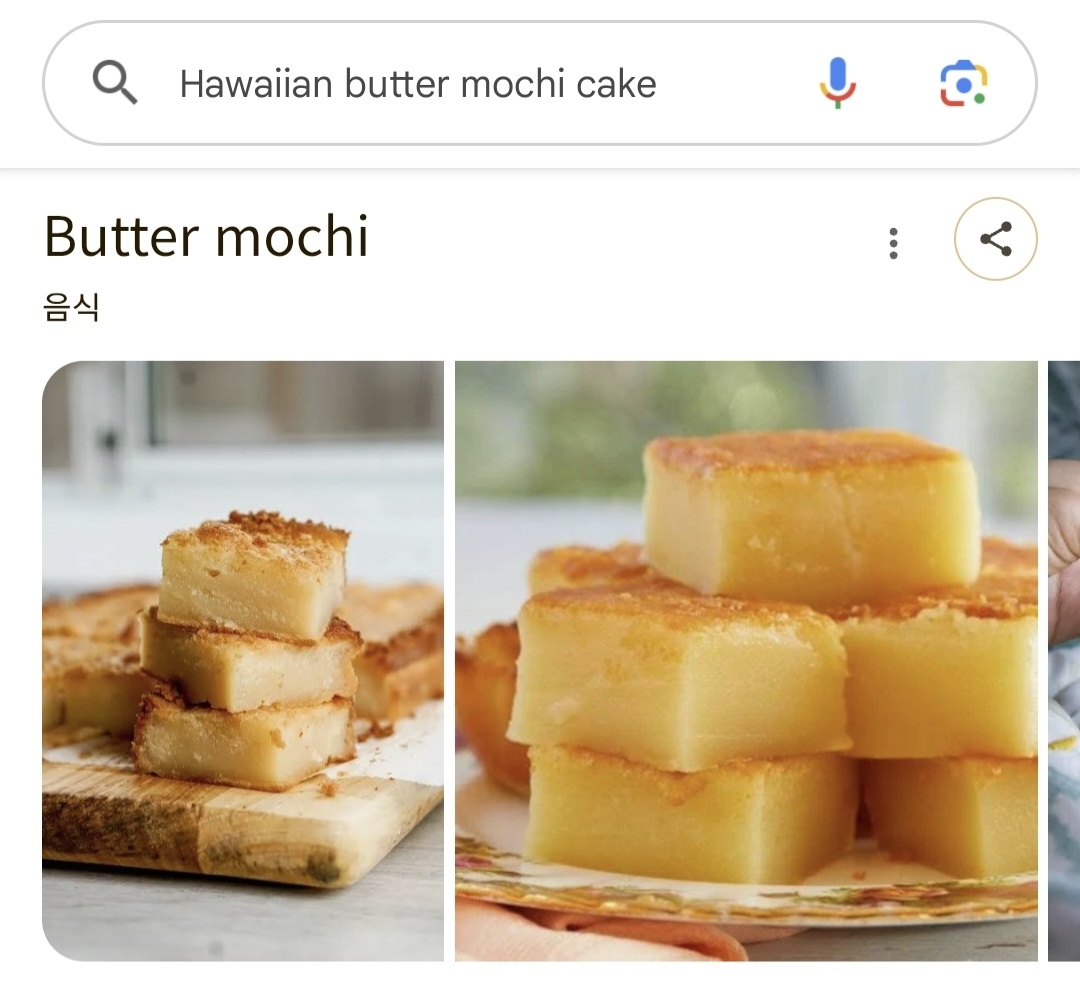
Here’s the tea: what we’re calling ‘Shanghai Butter Tteok’ is almost identical to a beloved local staple in Hawaii known as Hawaiian Butter Mochi. If you’ve ever spent time in the islands, you know that butter mochi is the ultimate comfort food. It’s the king of the bake sale, the star of the family gathering, and the one thing you always hope someone brings to a beach BBQ. It’s a perfect example of the ‘melting pot’ culture of Hawaii, blending Japanese mochi traditions with Western baking ingredients like butter and sugar. The locals have been making this for decades, and you can even buy pre-mixed boxes at the grocery store in Honolulu just like you’d buy a brownie mix here.
The Hawaiian version is a masterpiece of texture. It’s made with Mochiko (sweet rice flour), eggs, butter, sugar, and the secret weapon: coconut milk. When baked, it develops this incredible, slightly crisp top layer—almost like the ‘crust’ on a good brownie—while the inside remains dense, bouncy, and deeply satisfying. It’s not quite a cake, and it’s not quite a traditional tteok; it’s this beautiful middle ground that defies easy categorization. Seeing it rebranded as a ‘Shanghai’ trend is a bit of a head-scratcher for those in the know, but it speaks to how food trends travel and transform in the digital age. Whether you call it butter mochi or butter tteok, the DNA is undeniably Hawaiian.
Coconut vs. Cow: The One Ingredient That Changes Everything
So, what actually makes the ‘Shanghai’ version different from the Hawaiian OG? I did a little deep dive into the recipes currently circulating on Korean baking blogs and YouTube channels, and it boils down to one specific ingredient swap. The Hawaiian version almost exclusively uses coconut milk. This gives it a subtle tropical aroma and a specific kind of richness that pairs perfectly with the butter. It’s often topped with shredded coconut flakes (coconut long) for extra texture and flavor. It’s a full-on sensory experience that screams island vibes. Trust me on this one, the coconut milk is what gives it that ‘special something’ that makes it hard to stop at just one piece.
On the flip side, the ‘Shanghai’ version that’s trending in Korea right now usually swaps out that coconut milk for regular whole milk. Why? Probably because regular milk is more accessible and has a more ‘neutral’ flavor profile that appeals to the general Korean palate, which sometimes finds heavy coconut flavors a bit polarizing. By using regular milk, the ‘Shanghai’ version emphasizes the pure, creamy taste of the butter and the chewiness of the rice flour. It’s a bit more ‘clean’ in flavor, but if you ask me, it loses a bit of the soul that makes the Hawaiian version so iconic. Some Korean bakers are even adding a bit of condensed milk to bridge the gap, trying to get that extra layer of sweetness and depth without the coconut scent.
“I’ve tried both, and honestly? The Hawaiian version with coconut milk is the superior experience. The Shanghai version is good, but it just feels like a buttery rice cake. That coconut hit in the original is what makes it a ‘dessert’ rather than just a snack.” — @BakingQueen_KR
Why Seoul is Obsessed with ‘K-Chewy’ Textures in 2026
It’s no secret that we Koreans are obsessed with texture. We have a whole vocabulary for it—’jjon-deuk’ (쫀득) for that perfect, elastic chewiness is a word I use at least three times a week. After the massive Yakgwa craze of 2024 and 2025, it makes sense that our collective palate is looking for the next ‘chewy’ thing. Butter tteok fits this niche perfectly. It offers the familiarity of tteok but with the indulgent, fatty satisfaction of a Western dessert. In a year like 2026, where ‘fusion’ isn’t just a buzzword but a way of life, this hybrid treat is exactly what the market ordered. It’s the ultimate comfort food for a generation that grew up eating both traditional rice cakes and high-end French pastries.
There’s also the ‘easy-to-eat’ factor. Unlike traditional tteok, which can sometimes get hard or lose its texture quickly, butter tteok stays chewy for days thanks to the high fat content from the butter and milk. It’s the perfect companion for an iced Americano (our national drink, let’s be honest). I’ve noticed that cafes in Seongsu are serving it slightly warmed up, which makes the edges extra crispy while the center turns into a soft, molten-like chew. It’s a textural rollercoaster that hits all the right notes for the ‘MZ Generation’ (and everyone else, frankly). It’s photogenic, it’s decadent, and it’s just ‘new’ enough to feel like a discovery.
Home Cafe Vibes: Why You Should Skip the Line and Bake It Yourself
Here’s my honest take: you don’t need to wait in line at a trendy cafe to experience this. In fact, butter tteok is one of the easiest things you can bake at home. It’s basically a ‘one-bowl’ recipe. You mix your dry ingredients (glutinous rice flour, sugar, baking powder, a pinch of salt), whisk in your wet ingredients (melted butter, eggs, milk or coconut milk, vanilla extract), pour it into a pan, and bake. That’s it. No fancy mixers, no complicated techniques. It’s the ultimate ‘low effort, high reward’ baking project. I tried making a batch last weekend using my air fryer, and it came out surprisingly well—just make sure you lower the temperature a bit so the center cooks through before the top burns.
The beauty of making it at home is that you can customize it. Want to lean into the Hawaiian roots? Add that coconut milk and a handful of shredded coconut on top. Want something more ‘Seoul style’? Use high-quality grass-fed butter and maybe a splash of condensed milk. I’ve even seen people adding matcha powder, cocoa, or even black sesame to the mix to create different flavor profiles. If you’re a fan of ‘K-Desserts,’ this is a must-try DIY. Plus, your kitchen will smell like a buttery heaven for hours afterward, which is a win in my book. Trust me, once you realize how easy it is to make, you’ll look at those $6-a-square cafe prices very differently.
“I made this for my roommates last night and they thought I bought it from a high-end bakery. I didn’t even tell them it only took me 10 minutes to prep. It’s my new secret weapon for potlucks!” — @HomeCafe_MinaFan
Is It Actually a ‘Forced Trend’? My Honest Hot Take
I have to be a little bit critical here—the way this has been branded as ‘Shanghai’ Butter Tteok feels a bit like a marketing gimmick. There isn’t a deep-rooted tradition of ‘Butter Tteok’ in Shanghai that mirrors what we’re seeing. It seems more likely that a few clever entrepreneurs or influencers saw the success of butter mochi elsewhere and decided to give it a name that would resonate with the current obsession for all things ‘Chic Shanghai’ in the 2026 fashion and food scene. Is that a bad thing? Not necessarily. Marketing is part of why we get to enjoy these global flavors in the first place. But as a curator, I think it’s important to acknowledge the real history behind what we’re eating.
Calling it a ‘forced trend’ might sound harsh, but it’s a phenomenon we’re seeing more often. A product is ‘discovered,’ given a trendy name, and pushed through social media algorithms until it becomes a self-fulfilling prophecy of popularity. However, the reason butter tteok is actually sticking around (pun intended) is that it’s genuinely delicious. A trend can be ‘forced’ into existence, but it won’t survive if the product doesn’t deliver. Butter tteok delivers. It’s the perfect evolution of the rice cake, adapting to a modern palate that craves richness and convenience. Whether it’s from Hawaii, Shanghai, or a test kitchen in Seoul, the result is a snack that makes people happy, and at the end of the day, that’s what matters most.
The Verdict: Is Butter Tteok Here to Stay?
So, what’s the bottom line? Is butter tteok a fleeting 2026 fad or a new permanent fixture in our dessert repertoire? My guess is it’s here to stay, but probably under a more generic name like ‘Butter Mochi’ or just ‘Butter Tteok’ once the ‘Shanghai’ hype dies down. It’s too easy to make, too easy to store, and too universally liked to just disappear. It’s the kind of thing that will eventually find its way into the ‘bakery’ section of convenience stores like CU or GS25, and honestly, I’m looking forward to that day. Imagine grabbing a perfectly chewy, buttery square with your morning coffee for a couple of dollars—that’s the dream.
If you haven’t tried it yet, I highly recommend seeking out the Hawaiian-style version first, just so you can experience the original coconut magic. Then, try the ‘Shanghai’ version to see which one your palate prefers. Or better yet, grab a bag of glutinous rice flour and make a batch this weekend. Your skin might not thank you for all that butter, but your soul definitely will. *Chef’s kiss.* Let me know in the comments if you’ve tried it and which version you think is the real winner. Are you Team Coconut or Team Plain Milk? Let’s settle this!